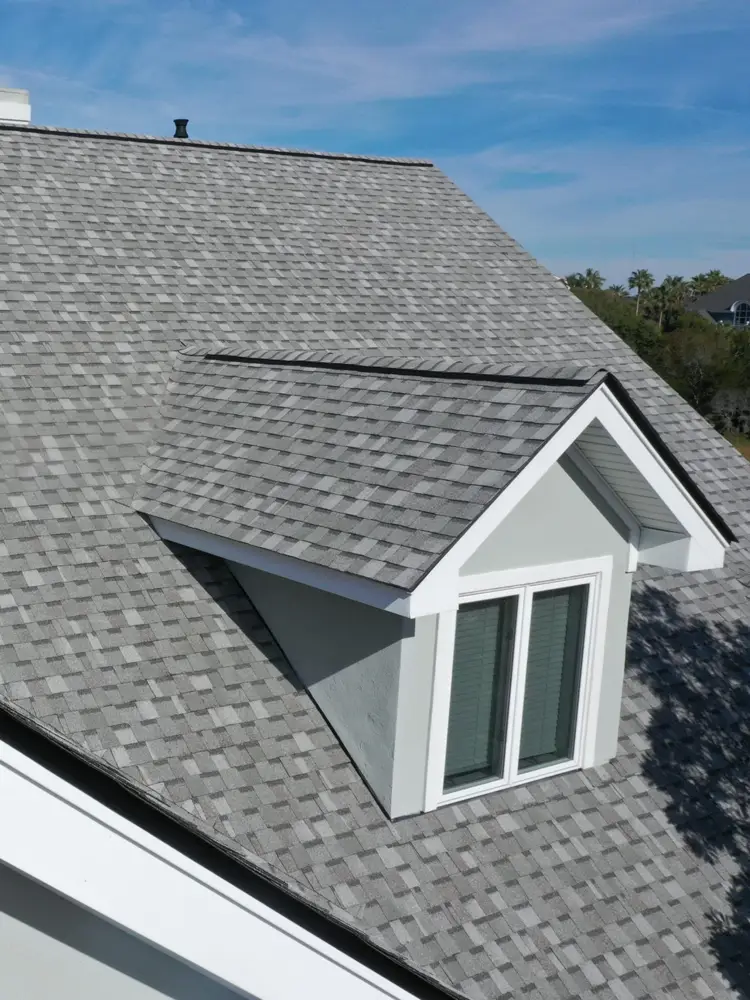
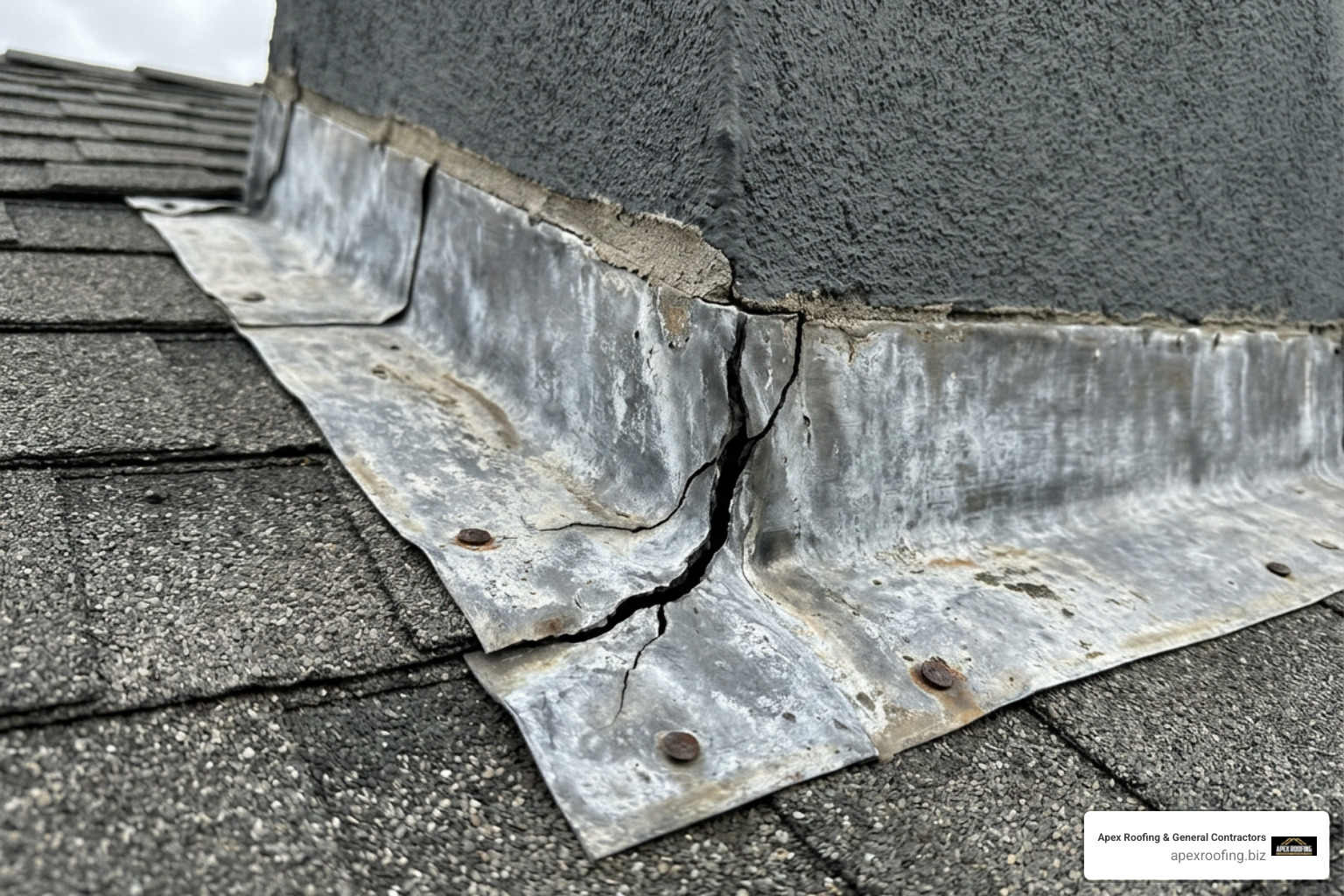
How to Find Qualified Cedar Shake Roofers in San Antonio
In San Antonio, cedar shake roofers should provide a clear inspection, proven wood-roof experience, written scope of work, insurance documentation, and a workmanship warranty before you sign a contract. For homeowners dealing with leaks, storm damage, aging shakes, or poor past repairs, Apex Roofing & General Contractors created this guide to help you compare local specialists with confidence.
Choose a cedar shake roofing contractor who can:
- Inspect the roof in person and explain whether repair, restoration, or replacement is appropriate.
- Show experience with real cedar shakes, ventilation, proper shake spacing, and corrosion-resistant fasteners.
- Provide detailed pricing with tear-off, deck repairs, materials, cleanup, and warranty terms listed separately.
- Carry current liability and workers’ compensation coverage and follow applicable local code requirements.
- Communicate clearly about scheduling, materials, weather delays, and project updates.
Cedar is a premium roofing material with a distinct look, natural insulation value, and a long service life when it is installed and maintained correctly. It also requires more specialized workmanship than standard asphalt shingles, which makes contractor selection especially important.
I am Carlos Yzaguirre, President and Managing Partner of Apex Roofing & General Contractors in San Antonio. Since co-founding Apex in 2022, I have led residential and commercial roofing projects across Texas and help property owners evaluate cedar shake roofers based on workmanship, communication, and long-term roof performance.

Basic cedar shake roofers vocab:
How to Choose Qualified Cedar Shake Roofers in San Antonio
Selecting qualified cedar shake roofers in the greater San Antonio metropolitan area requires a focused evaluation of trade specialization. Wood shake roofs behave differently than composition asphalt or standing seam metal systems. Natural wood breathes, expands, and contracts under extreme Texas thermal loads, demanding strict adherence to specialized mounting and ventilation techniques. In South Texas, expansive clay soils cause minor foundation shifts that put additional strain on structural roof framing, making precise installation even more critical. Homeowners in neighborhoods like Alamo Heights, Terrell Hills, and Fair Oaks Ranch must verify that their chosen contractor carries specialized experience in real wood shake installations rather than standard single-family shingle crews.
When evaluating local contractors, start by consulting our detailed Residential Roofing Contractor Guide. A proper qualification process protects property owners from improper installations that void material warranties and lead to early deck rot. In Texas, where contractor licensing is not mandated at the state level, verifying local municipal registrations, insurance coverage, and building code compliance with the City of San Antonio Development Services Department or Bexar County is critical. Understanding standard Texas insurance claim practices for storm damage assessments also helps ensure proper coverage when navigating major weather events.
What to Look for in Local Cedar Shake Roofers
To safeguard your home investment, focus on these non-negotiable criteria when hiring local cedar shake roofers:
- In-House Specialty Crews: Specialized cedar installation requires distinct carpentry skills. Subcontracted general crews frequently fail to maintain required inter-shake expansion gaps, leading to severe cupping and buckled shakes under rain.
- Certi-Label Sourcing: Verify that the contractor sources shakes certified by the Cedar Shake & Shingle Bureau Certi-label product specifications, accessed 2026, such as #1 Blue Label Grade Western Red Cedar, ensuring 100% heartwood, 100% edge grain, and 100% clear timber.
- Comprehensive Insurance Coverage: Demand written proof of at least $1,000,000 in general liability insurance alongside full workers’ compensation coverage tailored for steep-slope roofing operations.
- Local San Antonio Code Compliance: Ensure your project adheres strictly to local wind-uplift and fire resistance codes, including proper ice and water shield application in valleys and local permit filings.
- Verifiable Regional References: Look for established local track records across communities like Helotes, Boerne, and Shavano Park. You can explore our dedicated local services through our San Antonio Roofers team.
Working with Certified Cedar Shake Roofers for Custom Fitting
Installing wood shake is an authentic craft that requires custom fitting on-site rather than simple uniform grid laying. Certified cedar shake roofers adjust every individual shake to match the unique architectural contours of your residence.

During assembly, craftsmen select between hand-split shakes, which offer a rugged, highly textured visual profile, and tapersawn shakes, which deliver a smooth, uniformed aesthetic with shadow lines. Experienced installers maintain precise staggered exposures while ensuring appropriate expansion gaps between adjacent shakes. Because natural wood extractives corrode standard carbon steel fasteners, skilled installers utilize exclusively grade 304 or 316 stainless steel ring-shank nails or hot-dipped galvanized fasteners conforming to ASTM A153 specifications to prevent rust staining and structural fastener detachment.
Material Comparison: Natural Cedar vs. Composite and Asphalt
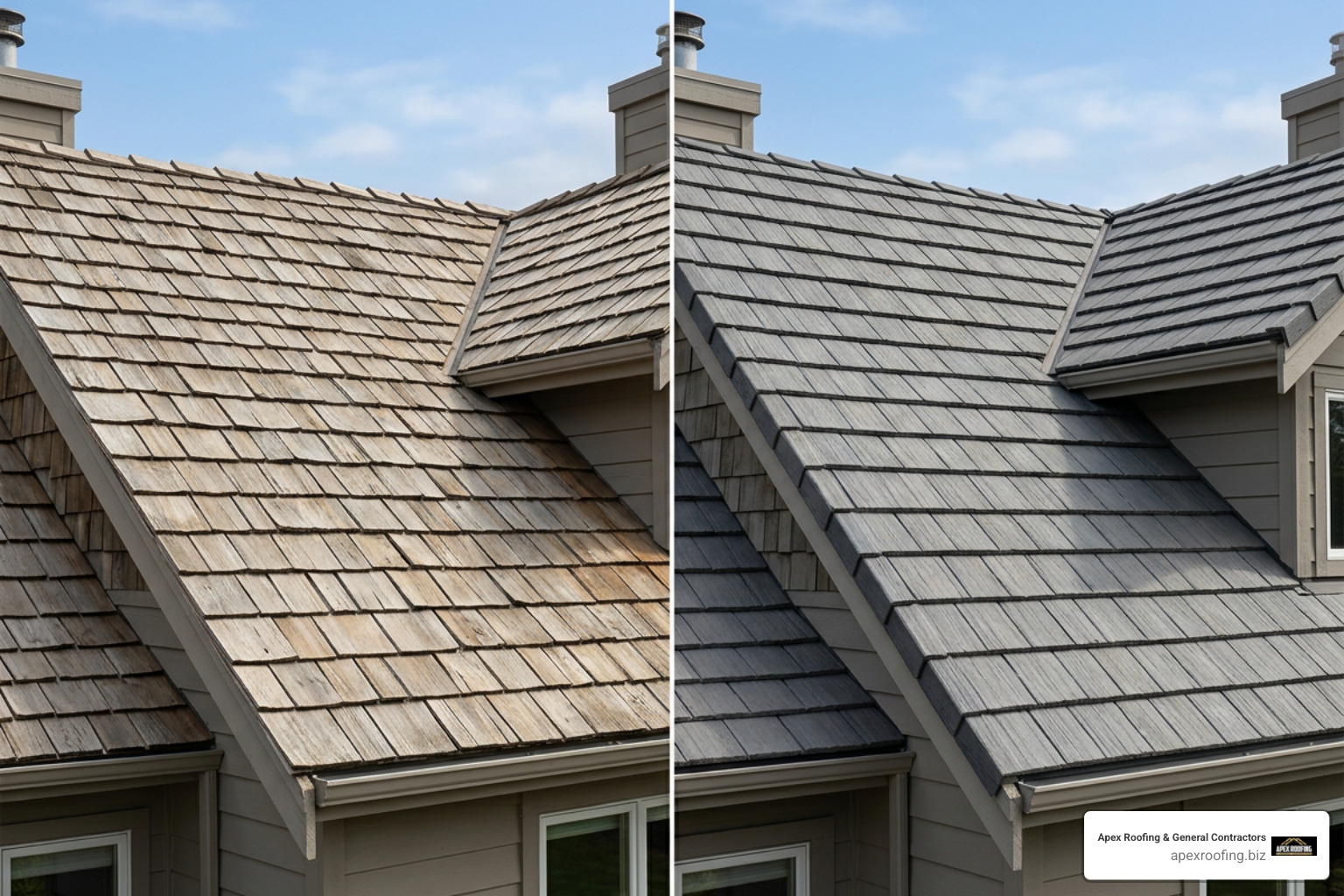
Understanding how natural cedar compares with modern synthetic alternatives and traditional asphalt shingles is essential for making an informed long-term roofing decision. As detailed in our guide on How to Choose a Roof for Your Home, selecting the right material involves balancing aesthetic desires, thermal efficiency, routine upkeep requirements, and total lifecycle costs.
The National Roofing Contractors Association Roofing Manual, 2024 emphasizes that wood shakes offer natural insulating value (R-value) far superior to standard mineral-surfaced asphalt shingles, helping stabilize attic temperatures against radiant heat gain during intense San Antonio summers. Furthermore, during the aggressive spring hail season across South Texas, hail impacts can cause localized cosmetic denting on wood shakes or bruise asphalt shingles, making material selection crucial when reviewing Texas insurance claim practices for roof replacements.
Real Cedar Shakes vs. Composite Options
Natural Western Red Cedar delivers unmatched biological character, rich graining, and a distinguished natural silver-grey patina over time. However, modern polymer composite options, such as Brava or DaVinci synthetic shakes, have gained substantial popularity across South Texas.
Composite shake products replicate the deep shadow lines and hand-split textures of natural wood while eliminating susceptibility to biological decay, insect infestation, and moisture absorption. Synthetic tiles carry Class A fire ratings out of the box and Class 4 impact resistance ratings against severe spring hail storms. Conversely, natural cedar shake requires regular biological treatments to achieve high fire ratings and resist local weathering in accordance with Cedar Shake & Shingle Bureau application and care guidance, accessed 2026.
Natural Cedar vs. Asphalt Shingles
While architectural asphalt shingles represent the majority of residential roof coverings in Bexar and Comal counties due to lower initial material expenditure, natural cedar shakes outperform standard asphalt across key structural metrics:
- Wind Resistance: As documented by testing standards, high-grade cedar shake roofs withstand wind uplift force up to 173 MPH, whereas standard architectural asphalt shingles are typically rated up to 130 MPH under ASTM D3161 standards.
- Service Life: A professionally installed, well-maintained cedar shake roof lasts between 25 and 45 years (and up to 50 years under ideal conditions), outlasting standard asphalt roofs by 10 to 20 years under intense Texas sun exposure.
- Thermal Insulation: Wood acts as a natural thermal barrier. Cedar shakes provide nearly double the thermal resistance of architectural asphalt, significantly reducing seasonal cooling load demand on HVAC systems during peak summer heatwaves in places like Bulverde and Spring Branch.
Comprehensive Roofing Material Comparison
To assist property owners in evaluating material parameters, the following table summarizes key performance metrics, costs, and lifespans:
| Feature / Metric | Natural #1 Grade Western Red Cedar | Synthetic Polymer Composite Shake | Architectural Asphalt Shingle |
|---|---|---|---|
| Average Cost per Sq. Ft. | $18.00 – $23.00 | $14.00 – $20.00 | $6.00 – $9.00 |
| Typical Lifespan | 25 – 45+ Years | 40 – 50+ Years | 15 – 25 Years |
| Wind Resistance Rating | Up to 173 MPH | Up to 110-190 MPH (Class 4) | Up to 130 MPH |
| Impact / Hail Resistance | Moderate (Sustains cosmetic denting) | Class 4 (Highest Rating) | Class 1 – Class 4 (Varies) |
| Fire Resistance Rating | Class B or C (Requires Treatment) | Class A (Inherent) | Class A (Inherent) |
| Thermal Insulation (R-Value) | High (~R-1.1 to R-1.5) | Moderate (~R-0.6 to R-0.8) | Low (~R-0.2 to R-0.4) |
| Maintenance Requirements | High (Treatments every 3-5 yrs) | Low (Periodic rinsing) | Low to Moderate |
Cedar Shake Roof Installation, Costs, and Fire Safety Guidelines
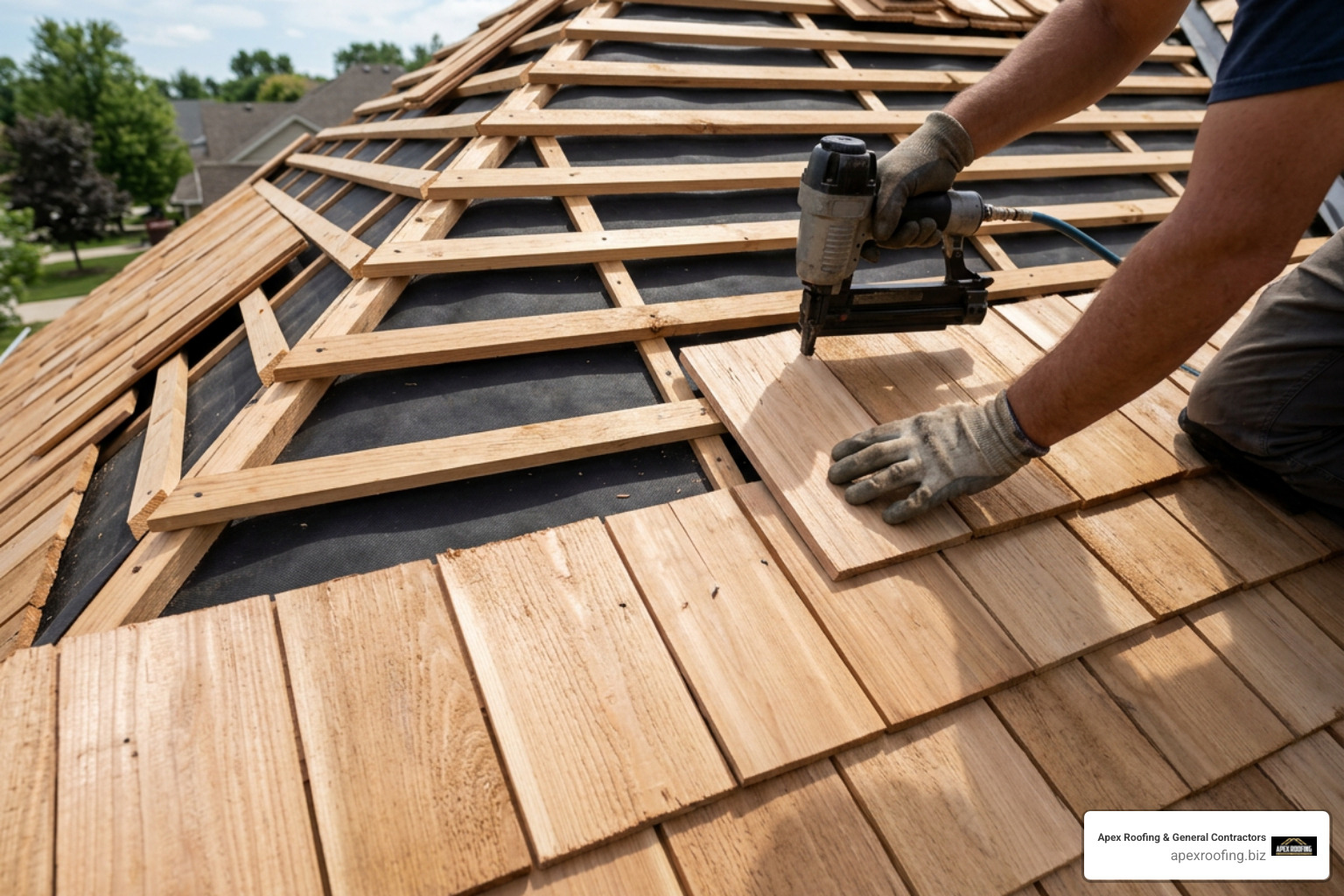
Installing a natural cedar shake roof requires complex structural prep and strict building code adherence. Cedar shakes must never be nailed directly onto solid plywood decking without a vapor-permeable matrix or spaced sheathing lattice underneath. Wood requires uninterrupted multi-directional air circulation to allow moisture from torrential Texas thunderstorms to evaporate rapidly.
According to municipal standards and the Texas Department of Insurance Windstorm Inspection Program building code guidance, 2023, proper attic ventilation, drip edge flashings, continuous ridge vents, and code-compliant underlayment systems are mandatory for all steep-slope residential re-roofing projects across Castle Hills, Leon Valley, and Cibolo.
Installation Process and Material Costs
The complete replacement of a residential roof using natural cedar shakes involves extensive labor complexity, customized flashings, and specialized carpentry skills. In Texas, total project investment typically ranges between $18,000 and $36,000+ depending on overall square footage, roof pitch steepness, chimney saddles, dormers, and tear-off difficulty.
Project pricing factors include:
- Tear-off and Disposal: Complete removal of existing roofing layers, disposal fees, and detailed deck inspection.
- Deck Preparation: Installation of 1×4 or 1×6 spaced sheathing boards (skip sheathing) or heavy-duty 3D ventilation mesh over solid decking to ensure bottom-side shake ventilation.
- Interlayment Felts: Installing 30 lb asphalt-saturated felt or synthetic vapor-permeable interlayment strips between overlapping courses to prevent wind-driven rain penetration.
- Specialized Trim & Metals: Integrating heavy gauge copper or pre-finished aluminum valley linings, sidewall step flashing, and pipe boots in accordance with National Roofing Contractors Association technical recommendations, 2024.
Fire Hazard Mitigation and Chemical Treatments
Because wood is naturally combustible, addressing fire safety is paramount for homeowners across Central Texas, particularly those residing in Wildland-Urban Interface (WUI) zones around Boerne, Garden Ridge, and Fair Oaks Ranch.
Un-treated wood shakes carry a Class C or unrated fire designation. However, modern factory pressure-impregnated retardant treatments elevate natural cedar shakes to a Class B or Class A fire-resistance rating in accordance with UL 790, 8th edition revised 2022, and ASTM E108-20a testing standards. During pressure treatment, fire-retardant polymers are forced deep into the cellular structure of the wood, remaining permanently bound to the fiber so they do not wash out under rainwater.
Furthermore, applying topical fire-retardant coatings and algaecides every 3 to 5 years helps maintain structural flame retardancy, complying fully with suburban municipal fire protection mandates.
Maintenance, Repairs, and Lifespan Optimization
Natural cedar is widely recognized as one of the few roofing materials in the world that can be restored and maintained in a truly meaningful way over its service life. Rather than replacing a whole roof at the first sign of surface aging, structured maintenance programs significantly extend wood longevity.
In South Texas, extreme ultraviolet radiation from sunlight acts as the primary agent of wood degradation, breaking down lignin in surface fibers and shifting raw timber from light golden-brown tones to muted grey shades. Left unaddressed, UV cracking combined with trapped leaf debris creates moisture pockets where fungal rot, moss, and mildew thrive.
Routine Care and Preservation
To keep a cedar shake roof functioning perfectly, establish a disciplined 3-to-5-year maintenance cycle with professional wood shake specialists:
- High-Volume, Low-Pressure Washing: High-pressure power washing (above 1,500 PSI) strips away soft interior wood fibers and severely reduces shake thickness. Qualified roofers utilize high-water-volume, low-pressure (under 500 PSI) chemical-free cleaning equipment to remove algae, lichen, and dirt safely.
- Debris & Overhang Clearance: Overhanging tree limbs from Live Oaks and Mesquite trees trap atmospheric moisture and drop leaves into roof valleys. Trimming limbs back at least 6 feet allows full sunlight and cross-ventilation to dry the roof deck after rainstorms.
- Oil-Based Preservation Coatings: Once dry, applying clear, commercial-grade oil-based preservatives restores natural wood resins, blocks ultraviolet light, and inhibits fungal growth without sealing moisture inside the timber. Avoid solid acrylic paints or non-breathable stains, which trap water underneath and cause accelerated rot.
Determining Repair, Restoration, or Full Replacement
Homeowners frequently ask whether localized damage requires complete roof teardown or targeted restoration. Many cedar roofs between 5 and 16 years of age benefit directly from low-pressure washing, individual shake repairs, and preservative application, avoiding premature tear-offs.
A professional roof inspection evaluates whether your home needs simple repairs, structural restoration, or full replacement:
- Repair Needed: Isolated broken, hail-split, or missing shakes caused by storm events. Skilled roofers easily extract compromised individual shakes and insert matching #1 Blue Label replacements secured with stainless fasteners. You can explore full repair options on our Residential Roofing Services page.
- Restoration Recommended: Roof exhibits minor curling, surface moss, or grey weathering, but shakes retain structural thickness (greater than 50% remaining life) and underlying felts remain watertight.
- Full Replacement Required: Over 25% of shakes display severe rot, decay, cupping, horizontal splitting across fastener lines, or widespread leaks penetrating structural roof sheathing.
Frequently Asked Questions about Cedar Shake Roofing
How long does a cedar shake roof typically last in San Antonio?
A professionally installed natural cedar shake roof lasts between 25 and 45 years in San Antonio when built with top-grade #1 Blue Label Western Red Cedar, correct ventilation gap underlayment, and stainless steel fasteners. While extreme Texas heat and intense UV exposure accelerate surface weathering, conducting low-pressure cleaning and oil-based wood preservation every 3 to 5 years prevents rot and helps wood shake systems achieve service lives exceeding 40 to 50 years.
Are cedar shake roofs a fire hazard in Texas?
Untreated natural wood shakes are combustible, but modern factory pressure-treated cedar shakes achieve Class B or Class A fire resistance ratings under UL 790, 8th edition revised 2022, roof-covering fire testing standards. During manufacturing, fire-retardant chemicals are forced deep into the wood’s cellular structure under high pressure, making them compliant with Texas local building codes and municipal fire standards in wildland-urban interface areas.
How much does a cedar shake roof cost compared to asphalt?
Natural cedar shake roofs cost between $18.00 and $23.00 per square foot installed, representing a total investment of $18,000 to $36,000+ for standard residential properties. Architectural asphalt shingle installations typically range from $6.00 to $9.00 per square foot. Although cedar requires a higher initial investment, its natural insulation properties lower household HVAC cooling costs, and its extended lifespan delivers excellent long-term financial value.
Conclusion
A natural cedar shake roof offers exceptional aesthetic appeal, natural thermal insulation, and proven resistance against high winds when handled by skilled craftsmanship. Whether you reside in San Antonio, Alamo Heights, Terrell Hills, Fair Oaks Ranch, Helotes, Boerne, Bulverde, New Braunfels, Shavano Park, Castle Hills, Universal City, Live Oak, Cibolo, Schertz, Converse, Garden Ridge, or Spring Branch, choosing qualified cedar shake roofers ensures your structural investment stays watertight for decades.
At Apex Roofing & General Contractors, we take pride in delivering certified roofing installations, transparent communication, and full compliance with local building codes. If you suspect your cedar roof has storm damage, needs minor shake repairs, or requires a full architectural evaluation, our team is standing by to deliver a thorough in-person inspection.
Visit us at our central office:
Apex Roofing & General Contractors
8131 W Hausman Rd Suite 103
San Antonio, TX 78249
Contact our professional roofing team today at (726) 727-7663 for a free inspection and free estimates on your cedar shake repair, maintenance, or full replacement project!