Is Your San Antonio Home at Risk from Hail Damage?
San Antonio hail damage is one of the most serious — and most common — threats facing local homeowners. Here’s what you need to know right away:
Quick Facts: San Antonio Hail Damage at a Glance
| Fact | Detail |
|---|---|
| Total hail reports (within 10 miles) | 136 verified reports |
| Largest hail on record | 4.50 inches (grapefruit-sized) |
| Most recent hail event | March 31, 2025 — 1.50-inch hailstones |
| Peak year for hail reports | 2021 (21 reports) |
| Severe weather warnings (past 12 months) | 52 times |
| Costliest storm on record | April 2016 — over $1.36 billion in insured losses |
| Highest-risk zip code | 78209 (13 reports) |
San Antonio sits in a part of Texas where warm, humid Gulf air regularly collides with dry western air — a recipe for powerful hailstorms. These storms can strike multiple times a year, and their damage goes far beyond dented cars. Roofs, windows, and structural components can all take a serious hit.
One employee at a Leakey business struck by a recent storm put it plainly: “I’ve been here 20 years and I’ve seen some things here and there, but I’ve actually never seen hail like this.” That sentiment is familiar to many San Antonio-area property owners.
If you’ve recently experienced a storm, our San Antonio storm damage repair team can help you assess the situation quickly and accurately.
I’m Carlos Yzaguirre, President of Apex Roofing & General Contractors, and I’ve helped San Antonio homeowners navigate the full impact of San Antonio hail damage — from initial roof inspections to completed repairs. In this guide, I’ll walk you through everything you need to know to protect your home.

San Antonio hail damage glossary:
The History and Frequency of San Antonio Hail Damage

Understanding the risk of San Antonio hail damage starts with looking at the numbers. Within just a 10-mile radius of the San Antonio city center, there have been 136 verified hail reports. Our region is a frequent target for severe weather, with Doppler radar detecting hail at or near San Antonio on 144 separate occasions historically. In the last 12 months alone, we have been under severe weather warnings 52 times.
While every spring brings anxiety for homeowners, some years stand out more than others. For instance, 2021 was a peak year for activity near the city, recording 21 specific hail reports. The sheer frequency of these events means that for most residents, it isn’t a matter of if it will hail, but when.
| Metric | Historical San Antonio Data |
|---|---|
| Max Hail Size | 4.50 inches (Grapefruit) |
| On-the-ground Reports | 213 (by trained spotters) |
| Radar Detections (Past Year) | 8 occasions |
| Highest Report Zip Code | 78209 (13 reports) |
Historical Records and Costly Storms
When we talk about the “Big One” in Bexar County, we almost always refer to the April 12, 2016, hailstorm. This event is widely considered the costliest hailstorm in Texas history, racking up an estimated $1.36 billion in insured losses.
The storm carved a massive 70-mile swath through the region, pummeling North San Antonio and Helotes with hail the size of grapefruits (4.5 inches). Over 110,000 vehicles were damaged, and thousands of homes required total roof replacements. It wasn’t just the size that mattered; it was the density. Residents described the hail as “jagged rocks” that knocked holes clean through car windows and shredded residential roofing.
Recent San Antonio Hail Damage Trends
The threat hasn’t slowed down in recent years. Most recently, on March 31, 2025, a significant storm dropped 1.50-inch hail near the city center. Just a year prior, in April 2024, multiple rounds of storms brought golf ball and ping pong ball-sized hail to neighborhoods like Leon Valley.
According to National Weather Service alerts, the San Antonio region remains a “Level 1-2” threat area during peak storm season. This means that while tornadoes are less frequent than in North Texas, the risk of 1-inch or larger hail and 60 mph wind gusts is a recurring reality for us.
Identifying Common Types of Property Damage
After the clouds clear, the first thing most homeowners check is their car. However, the most expensive San Antonio hail damage often happens where you can’t see it easily: on your roof. When hail hits a shingle, it acts like a hammer, knocking away the protective stone granules.
Roof and Structural Vulnerabilities
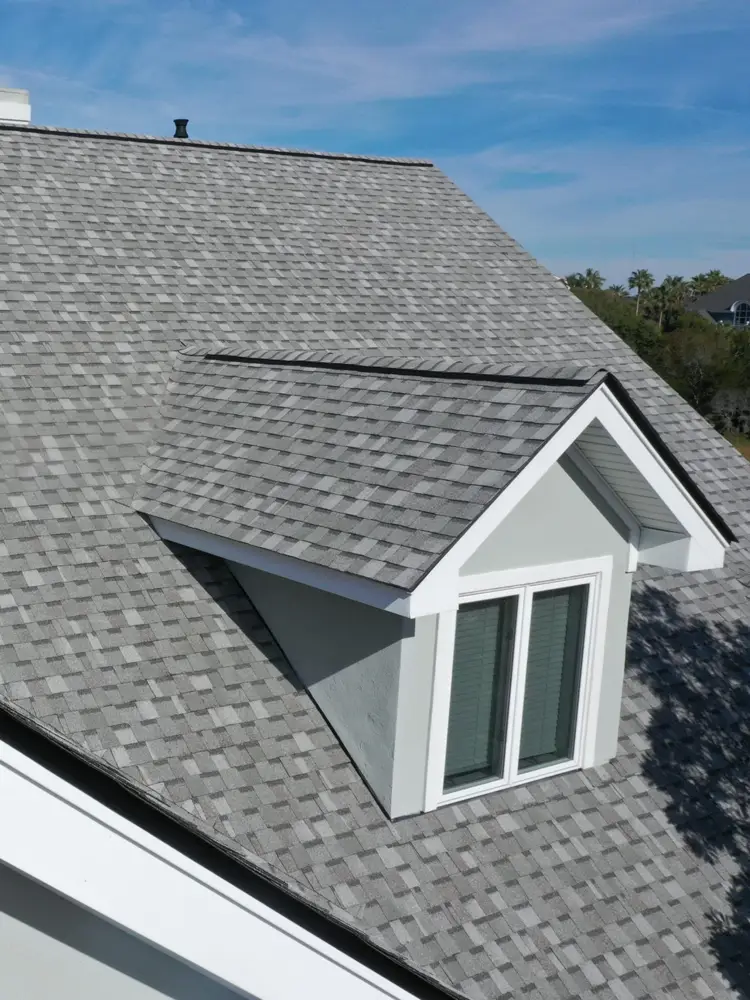
Identifying damage requires knowing what hail damage looks like on a roof. On standard composition shingles, you should look for “bruising”—dark spots where the granules have been knocked off, exposing the underlying asphalt. If the hail is large enough, it can actually fracture the fiberglass mat inside the shingle.
Key signs of structural issues include:
- Granule Loss: Finding “sand” or small rocks in your gutters or at the base of downspouts.
- Damaged Flashing: Dents in the metal around chimneys or vents.
- Punctures: Larger hail (2+ inches) can punch holes directly through the roof deck.
- Soft Spots: Areas that feel “spongy” when walked upon, indicating compromised decking.
If left unaddressed, these vulnerabilities lead to water intrusion, wood rot, and mold. We recommend following a storm damage roof inspection guide to ensure no hidden leaks are ignored. Even small hail can cause damage if the roof is older or the storm duration is long.
Vehicle and Window Impacts
Vehicles often bear the brunt of the visual damage. According to Carfax hail damage insights, unrepaired dents not only look bad but significantly reduce the resale value of the car and can eventually lead to rust.
Windows and skylights are also high-risk areas. Beyond shattered glass, hail can break the “thermal seal” in double-pane windows. If you notice fogging between the panes a few weeks after a storm, that is a sign of hail-induced seal failure. In the 2016 storms, skylights at major retail locations like H-E-B were completely shattered, illustrating the power of 3-inch stones.
High-Risk Areas and Recent Storm Activity
While a storm can hit any neighborhood, some areas in Bexar County have historically seen more reports than others. The zip code 78209 (Alamo Heights/Terrell Hills) currently holds the record for the highest number of damaging hail reports near the city center.
Neighborhoods with the Highest Report Volume
In recent 2024 and 2025 events, several specific neighborhoods were hit hard:
- Leon Valley: This area saw significant roof hail damage in April 2024, with some reports indicating stones up to 4 inches in diameter.
- Inspiration Hills: Golf ball-sized hail broke windows and dented hundreds of cars in this community.
- Helotes: Known for the 2016 record-setter, Helotes remains a high-risk corridor for supercells moving in from the west.
- Sea World & Lackland AFB: These landmarks are often in the direct path of storms moving east at 40-45 mph.
Homeowners can use interactive hail maps to see if their specific street was within a major storm swath.
Comparing Regional Risks
San Antonio’s risk is often tied to what happens just to our west. Storms frequently form over the Hill Country and intensify as they hit the city. In 2024, communities like Leakey, Comfort, and Brackettville reported softball and grapefruit-sized hail.
While the storms often weaken slightly before reaching the city, the “remnants” still produce 1.5-inch stones that cause widespread roof storm damage in San Antonio. According to KSAT Weather Authority reports, the “Brackettville radar” is sometimes down for maintenance, making it even more important for residents to stay tuned to local ground-truth reports.
Navigating the Recovery from San Antonio Hail Damage
Once the storm passes, the clock starts ticking on your insurance claim. Navigating hail damage roof repair in San Antonio can be overwhelming, but a structured approach makes it manageable.
Filing a Successful Insurance Claim
Texas law is generally protective of homeowners, but you must be proactive. Start by examining your policy to understand your deductible.
- Document Everything: Take photos of hail on the ground (next to a coin for scale) and any visible damage to your fence, gutters, or cars.
- File Promptly: Many policies have a one-year limit for filing storm claims.
- Use a Guide: Our hail damage roof claim complete guide provides a step-by-step checklist for dealing with adjusters.
- The Adjuster Meeting: It is highly beneficial to have your roofing contractor present when the insurance adjuster arrives. We can point out “bruising” and flashing damage that an adjuster might overlook.
Professional Assessment vs. DIY Inspection
We strongly advise against DIY roof inspections for two reasons: safety and accuracy. Walking on a hail-damaged roof can be dangerous, especially if the shingles are loose or the decking is soft.
Furthermore, many hail impacts are invisible to the untrained eye. A free storm damage roof inspection from a professional uses high-powered flashlights and tactile testing to find “soft spots” that indicate structural weakening. A post-storm roof inspection ensures that small issues don’t turn into major leaks six months down the road. For more details on the process, see our ultimate storm damage service guide.
Protecting Your Home Against Future San Antonio Hail Damage
You can’t stop the hail, but you can change how your home responds to it. If your roof was totaled in a recent storm, a storm damage roof replacement is the perfect time to upgrade your materials.
Preventative Maintenance and Upgrades
The best defense is a proactive one. We recommend the following:
- Class 4 Impact-Resistant Shingles: These are designed to withstand 2-inch hailstones without fracturing. Many insurance companies even offer premium discounts for installing them.
- Tree Trimming: High winds often accompany hail. Trimming branches away from your roof prevents secondary “impact damage” from falling limbs.
- Gutter Cleaning: Ensuring your gutters are clear allows heavy rain (which usually follows hail) to exit the roof quickly, preventing “back-up” leaks.
- Impact-Rated Skylights: If you live in a high-risk area like 78209, upgrading to polycarbonate or reinforced glass skylights can save you from a messy indoor cleanup.
For a deep dive into these strategies, check our storm damage roof repair complete guide. Working with a certified storm damage roofing company ensures these upgrades are installed according to local San Antonio building codes.
Staying Alert with Weather Technology
Preparation is half the battle. We recommend all San Antonio residents:
- Download the KSAT Weather Authority App for real-time local updates.
- Sign up for NWS Wireless Emergency Alerts (WEA) on your phone.
- Monitor Doppler Radar when “Isolated Thunderstorms” are in the forecast.
- Have a “Hail Plan”: Know how to quickly get your cars under cover or into the garage when a warning is issued.
Frequently Asked Questions about San Antonio Hail
When was the last major hail event in San Antonio?
The most recent notable hail event occurred on March 31, 2025, where stones measuring up to 1.50 inches (larger than a quarter) were reported near the city center. Prior to that, April 2024 saw significant activity in the Leon Valley and Helotes areas.
What is the largest hail ever recorded in San Antonio?
The largest hail recorded in the San Antonio area reached 4.50 inches in diameter (grapefruit-sized). This occurred most notably during the historic April 12, 2016, storm and again during severe weather events in 2021.
Does homeowners insurance always cover hail damage?
Most standard homeowners insurance policies in Texas cover hail damage, as it is considered an “Act of God.” however, coverage can vary based on your specific policy and deductible. It is essential to file claims promptly and provide professional documentation from a licensed roofer to ensure full coverage for necessary repairs.
Conclusion
San Antonio’s weather is unpredictable, but your home’s protection shouldn’t be. Addressing San Antonio hail damage immediately prevents long-term issues like mold, rot, and structural failure. Whether you are dealing with the aftermath of the March 2025 storms or are worried about an aging roof, we are here to help.
For certified, reliable service and transparent communication, trust Apex Roofing & General Contractors to restore your property. We specialize in navigating the complex insurance process and providing repairs that stand up to the next big Texas storm.
If you suspect your roof has been compromised, call us today at (726) 727-7663 for free estimates and to schedule your free inspection and professional storm damage roof repair. We provide expert roofing services across San Antonio, ensuring your home remains a safe haven for your family.