Why Recognizing Damaged Roofs Early Saves You Thousands
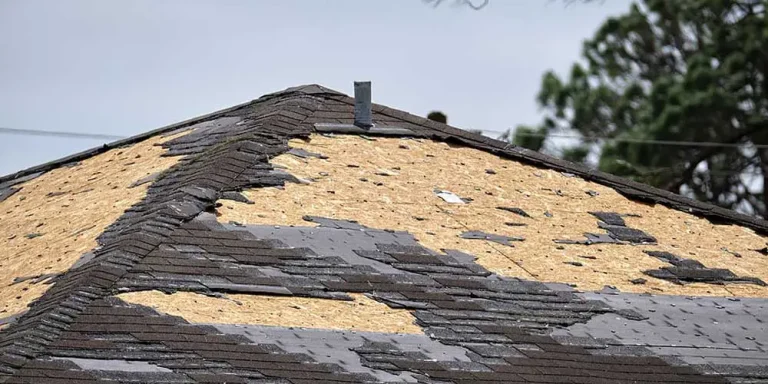
Damaged roofs are a serious threat to your home’s structural integrity, often leading to water intrusion, mold, and costly problems if ignored. Whether from a sudden storm or gradual wear, early detection is the key to protecting your property. For homeowners in Texas, where hailstorms are a frequent concern, knowing the warning signs is critical. Apex Roofing & General Contractors provides certified, reliable roofing services to protect your investment. When you spot trouble, prompt residential roof repair can prevent a minor issue from becoming a catastrophic failure, saving you thousands.
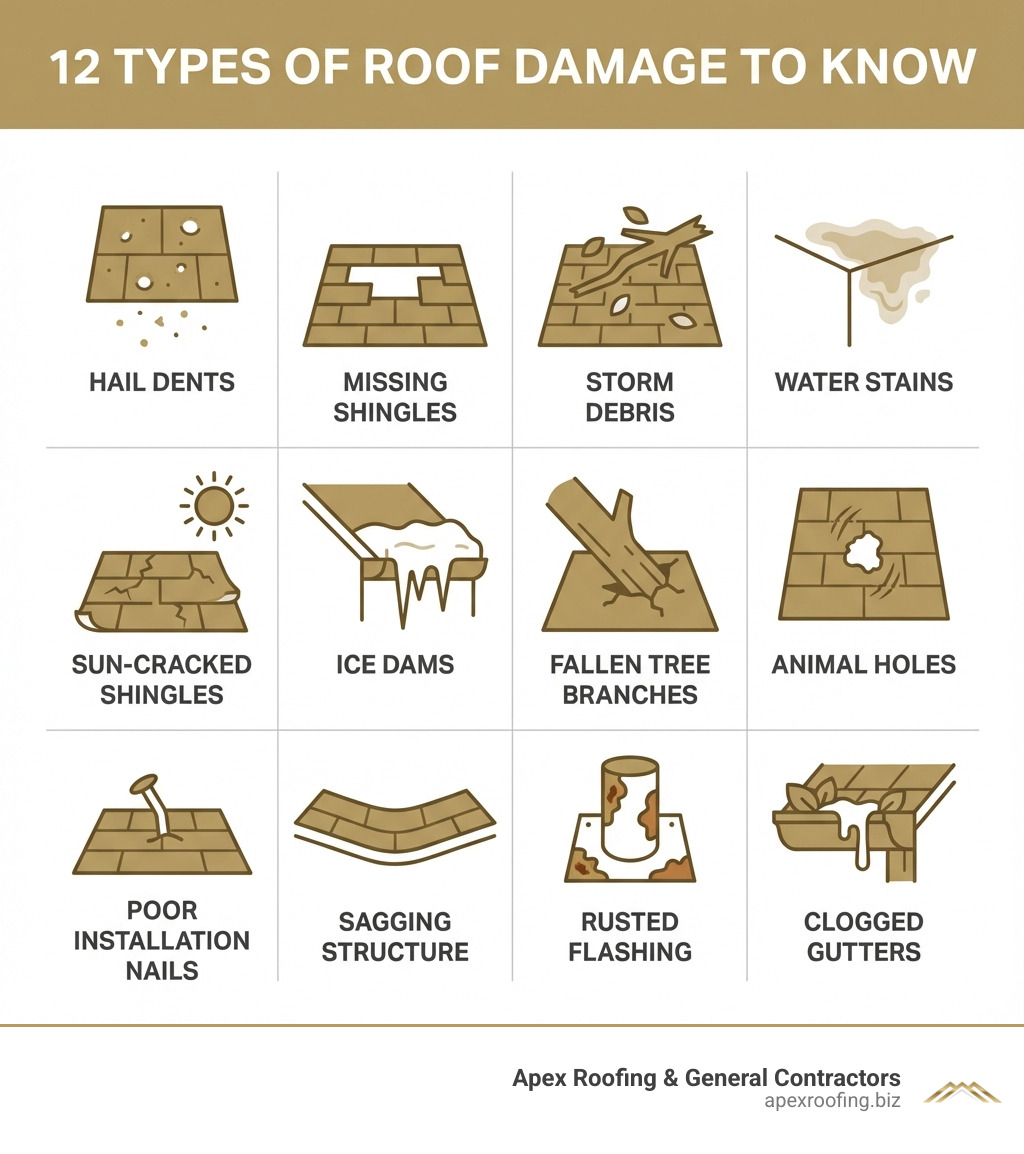
The 12 most common types of roof damage homeowners need to identify:
- Hail Damage – Dents and granule loss on shingles
- Wind Damage – Missing or lifted shingles
- Hurricane & Storm Damage – Widespread destruction and debris impact
- Water Damage & Leaks – Interior stains and rotting wood
- Sun & Heat Damage – Cracked, warped shingles
- Ice Dams – Water backup at roof edges
- Tree Damage – Punctures from falling branches
- Animal & Pest Damage – Chewed holes and nests
- Poor Installation – Improperly secured materials
- Structural Damage – Sagging roof deck or broken supports
- Flashing Damage – Rust and gaps around vents and chimneys
- Clogged Gutters – Water overflow and foundation issues
Understanding what to look for empowers you to take swift action. The difference between a simple patch and a full roof replacement often comes down to how quickly damage is identified and addressed by a professional roofer in San Antonio.
Damaged roofs terms at a glance:
Part 1: Weather-Related Onslaught (Types 1-4)
Your roof is the first line of defense against Mother Nature. Weather is a primary cause of damaged roofs, from sudden hailstorms to relentless winds.
1. Hail Damage
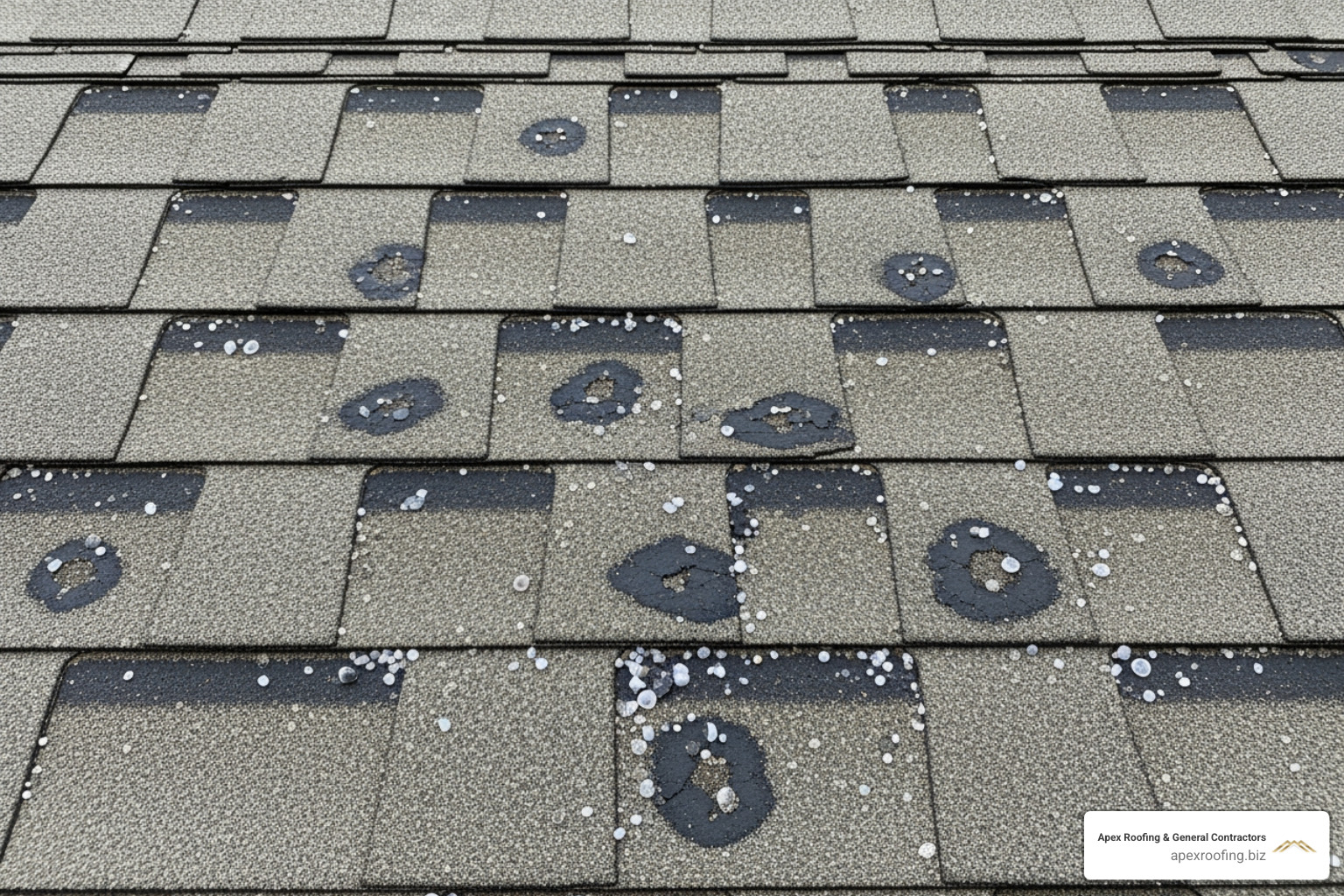
Hailstorms are a major threat in Texas, which accounted for nearly a quarter of all U.S. properties affected by hail in 2021. On asphalt shingles, hail damage appears as small, dark “bruises” where protective granules have been knocked loose. You may find these granules in your gutters. On other roof types, hail can cause cracks or dents. This damage compromises your roof’s water resistance and can lead to leaks if not addressed. If you suspect hail damage, learn more about What Hail Size Causes Roof Damage?.
2. Wind Damage
Strong winds can lift, curl, or tear off shingles, leaving the underlying roof deck exposed to water. This is known as “wind uplift.” Look for missing shingles on the ground or curled shingle edges on your roof. Wind can also damage flashing around chimneys and vents. Poor installation often makes a roof more vulnerable to wind damage. Promptly addressing these issues is essential, and you can find tips in our guide on How to Repair Blown Off Roof Shingles.
3. Hurricane & Storm Damage
Hurricanes combine high winds, heavy rain, and flying debris, causing catastrophic damage. Signs include widespread shingle loss, large punctures from debris, and even structural compromise. After a major storm, water infiltration is a serious risk, which can lead to mold and rot. Prioritize safety by checking for downed power lines before inspecting your property. For comprehensive recovery steps, see our Storm Damage Roof Repair Complete Guide. The Hurricane Safety Program also offers valuable information.

4. Water Damage & Leaks
Water is the ultimate enemy of a roof system. While weather causes the initial breach, water intrusion leads to the most costly problems. Inside your home, look for water stains on ceilings, peeling paint, or a musty odor in the attic. These signs indicate a leak that could be rotting your roof’s wooden structure. Finding the source can be difficult, as water often travels from its entry point. Our blog explains Why Is My Roof Leaking? and for urgent issues, we offer Emergency Leak Detection services.
Part 2: Environmental & Physical Damage (Types 5-8)
Beyond major weather events, your roof faces a constant, gradual assault from its environment, which can lead to damaged roofs over time.
5. Sun & Heat Damage
Intense sun and heat, especially in Texas, can bake roofing materials. UV rays cause asphalt shingles to become brittle, leading to cracks and warping. A key sign of sun damage is granule loss. These small mineral granules protect the shingle from UV rays; as they wear away, the shingle’s lifespan is significantly reduced. Proper attic ventilation is crucial to mitigate heat buildup and prevent this accelerated aging.
6. Ice Dams
Though less common in San Antonio, ice dams can occur during unusual freezes. They form when heat from your attic melts snow on the roof, which then refreezes at the colder eaves. This ridge of ice blocks proper drainage, causing water to back up under shingles and leak into your home. Ice dams are primarily caused by poor attic insulation and ventilation. For those in colder climates, the University of Minnesota Extension provides excellent advice on dealing and preventing ice dams.
7. Tree Damage
Trees can cause both sudden and gradual roof damage. Falling branches during a storm can puncture or scrape shingles. Overhanging limbs can rub against the roof surface, wearing away protective granules over time. They also drop leaves and debris that clog gutters and valleys, trapping moisture and promoting rot. Regular tree trimming is an effective preventive measure. If a branch does cause a puncture, learn How to Repair a Hole in a Shingle Roof.
8. Animal & Pest Damage
Small animals and pests can cause surprisingly extensive damage. Raccoons, squirrels, and birds may chew through shingles and wood to nest in your attic. Insects like termites and carpenter bees can compromise the roof’s wooden structure. Any entry point they create is a vulnerability for water intrusion. Sealing potential entry points and addressing infestations promptly is key to protecting your roof.
Part 3: Man-Made & Component Failure Damaged Roofs (Types 9-12)
Sometimes, the cause of damaged roofs is not nature, but human error or the simple failure of individual components.
9. Poor Installation & Faulty Repairs
Even the best roofing materials will fail if installed incorrectly. Common mistakes include improper nailing of shingles, incorrect flashing installation, and using mismatched materials. These errors can reduce a roof’s lifespan, cause premature leaks, and may even void manufacturer warranties. This highlights the importance of hiring reputable, Certified Roofing Contractors who adhere to the highest industry standards.
10. Structural Damage
A sagging roof is a red flag for serious structural damage. This can be caused by excessive weight, severe water damage to the sheathing, or foundation issues. Signs include a visible dip in the roofline or broken support rafters in the attic. If you notice any signs of a sagging roof, contact a professional immediately. This is a severe safety risk that indicates the roof’s framework is compromised and could potentially collapse.
11. Flashing Damage
Flashing consists of thin metal pieces that seal joints around chimneys, vents, and skylights to prevent water entry. When flashing is damaged, it creates a direct path for leaks. Look for rust, corrosion, gaps in the sealant, or lifted sections. Because these areas are highly vulnerable, compromised flashing is a common source of leaks. Addressing these issues is one of the most Common Roof Repairs homeowners face.
12. Clogged Gutters & Drainage Issues
Your gutter system is vital for protecting your roof and home. When gutters are clogged with debris, water overflows, damaging the fascia boards and roof edge. This overflow can also erode your home’s foundation. In winter, clogged gutters are a primary contributor to ice dam formation. Regular gutter cleaning is a simple but effective maintenance task that prevents water from pooling on the roof and causing premature deterioration.
Your Roof Inspection Checklist: Spotting Trouble Early
Regular inspections are your best defense against major roof problems. Proactive detection of damaged roofs can save you significant time, money, and stress.
Signs of Damaged Roofs from Inside
- Water stains: Brown spots or rings on ceilings or walls.
- Peeling paint: Bubbling or peeling paint near the ceiling line.
- Attic issues: Dark spots on the underside of the roof deck, visible mold, or musty odors.
- Visible light: Daylight seen through the roof boards from the attic.
- Sagging deck: A dip in the attic or interior ceilings.
Signs of Damaged Roofs from the Ground
- Shingle issues: Missing, cracked, broken, or curled shingles.
- Granules in downspouts: Indicates shingles are losing their protective layer.
- Flashing problems: Bent, rusted, or loose flashing around chimneys and vents.
- Sagging gutters: Gutters pulling away from the house.
- Uneven roofline: Any dips or sags could indicate structural issues.
For a safe ground inspection, use binoculars to get a closer look and a camera to document any suspicious areas.
How to Safely Inspect After a Storm
Safety must be your top priority after a storm.
- Check for hazards: Look for downed power lines or other dangers before going outside.
- Stay on the ground: Do not climb onto a wet or potentially damaged roof. It is extremely dangerous.
- Use binoculars: Assess the roof for damage from a safe distance.
- Document everything: Take photos and videos of any damage for your records and potential insurance claims. GAF offers a helpful resource on what to do after a storm damages your roof.
- Check inside: Inspect your attic and ceilings for any new signs of leaks.
For a professional and safe assessment, schedule a Residential Roof Inspection San Antonio TX with our certified team.
Found Damage? A Homeowner’s Action Plan
Finding roof damage can be stressful, but a clear action plan makes the process manageable.
Immediate Steps to Take
- Cover severe damage: If there’s a clear hole, safely cover the area with a tarp to prevent water from entering your home.
- Document everything: Take detailed photos and videos of all damage, both inside and out. This evidence is crucial for your insurance claim.
- Mitigate interior damage: Use buckets to catch drips and move valuables away from the affected area.
For urgent situations, our Emergency Roofing San Antonio services can help secure your home quickly.
Roof Repair vs. Roof Replacement
Deciding whether to repair or replace damaged roofs depends on the age of the roof and the extent of the damage.
| Feature | Roof Repair | Roof Replacement |
|---|---|---|
| Scope of Damage | Localized issues like a few missing shingles or a small leak. | Widespread damage (over 50% of the roof), extensive aging. |
| Roof Age | Best for younger roofs (less than 10-15 years old). | Necessary for older roofs nearing the end of their lifespan. |
| Cost | Lower initial cost. | Higher initial investment, better long-term value. |
| Longevity | Extends the life of the existing roof. | Provides a brand new roof with maximum lifespan. |
| Warranty | May be limited to the repaired area. | Comes with a new manufacturer and contractor warranty. |
A repair is often best for localized, minor damage on a younger roof. A full replacement is necessary for widespread damage or an old roof. Learn more about When Does Your Roof Need Replacement?.
Navigating Homeowners Insurance
Most policies cover damage from sudden events like wind and hail, but not from lack of maintenance.
- Contact your insurer promptly: Report the damage as soon as possible.
- Understand your policy: Know if you have Actual Cash Value (ACV), which pays a depreciated amount, or Replacement Cost Value (RCV), which covers the full replacement cost minus your deductible.
- Work with your roofer: A reputable contractor can provide a detailed estimate for your insurance adjuster.
- Keep receipts: Save records of temporary repairs, as they may be reimbursable.
For more details, see our guide on Roof Insurance Claims.
When to Call a Professional
- If you see extensive or structural damage (like a sagging roofline).
- If you are uncomfortable or unequipped to get on your roof safely.
- For a certified assessment for an insurance claim.
We offer Free Roof Inspection San Antonio services to help homeowners get an accurate, no-obligation assessment.
Frequently Asked Questions about Damaged Roofs
What are the most common signs of roof damage?
The most common signs include missing, cracked, or curling shingles; granules collecting in gutters; water stains on interior ceilings or walls; and visible sagging or unevenness of the roofline. These are often the first indicators that your roof needs attention.
How often should I have my roof inspected?
It is recommended to have your roof professionally inspected at least once a year. Additionally, always schedule an inspection after every major storm event, such as a hurricane, significant hailstorm, or strong winds, even if you don’t immediately see obvious damage. This helps catch subtle issues before they escalate.
Does homeowners insurance cover all types of roof damage?
Most homeowners insurance policies cover damage from sudden, accidental events like wind, hail, and falling trees. However, damage resulting from a lack of maintenance, general wear and tear due to age, or infestations by pests (like rodents or insects) is typically not covered. It’s crucial to review your specific policy to understand your coverage limits and exclusions.
Protect Your Investment: Don’t Ignore Roof Damage
A healthy roof is essential for a safe home. By learning to identify these 12 types of damage, you can take swift action to protect your property. Regular inspections and proactive maintenance are your best defense against the elements. If you’re in the San Antonio area, including Helotes, Leon Valley, or anywhere in Bexar County, and suspect you have a damaged roof, don’t wait for the problem to worsen. The certified professionals at Apex Roofing & General Contractors are ready to provide expert repairs and free estimates. Call us today at (726) 727-7663 to schedule your free inspection and protect your home.