What Is a Property Inspection in San Antonio — and Why Does It Matter?
Property inspection San Antonio is a professional evaluation of a home’s condition, covering everything from the foundation to the roof, before a real estate transaction is finalized. If you’re buying, selling, or maintaining a home in San Antonio, here’s what you need to know at a glance:
- What it covers: Structural systems, roof, electrical, plumbing, HVAC, insulation, and safety features
- How long it takes: Typically 2–4 hours depending on property size
- When to schedule it: During the option period, before closing on a purchase
- Why it matters: Protects your investment, reveals hidden problems, and gives you negotiating power
- Cost: Varies by square footage and services; additional inspections (termite, pool, mold) cost extra
San Antonio’s real estate market moves fast. Homes here face unique challenges — shifting clay soils, limestone terrain, heavy termite pressure, and intense heat — that can hide serious problems behind an otherwise attractive exterior. A thorough property inspection with expert San Antonio services is one of the smartest steps any buyer or homeowner can take to avoid costly surprises down the road.
Skipping an inspection — or hiring an underqualified inspector — can mean inheriting foundation issues, failing HVAC systems, or roof damage that costs tens of thousands of dollars to fix after closing.
I’m Carlos Yzaguirre, President of Apex Roofing & General Contractors, and through years of working on San Antonio roofs and structures, I’ve seen how a proper property inspection San Antonio can uncover hidden roofing and structural issues that protect homeowners from major financial loss. In this guide, I’ll walk you through everything you need to know before you buy.
Easy Property inspection San Antonio glossary:
The Critical Role of a Property Inspection in San Antonio
In the vibrant San Antonio real estate market, a property inspection is not just a formality; it is your primary shield against “buyer’s remorse.” Whether you are eyeing a historic bungalow in King William or a new build in Stone Oak, the local environment places specific stresses on a home that only a trained eye can catch.

A comprehensive property inspection San Antonio provides several layers of protection:
- Financial Protection: By identifying high-ticket repair items like a failing HVAC unit or a damaged roof, you avoid unexpected expenses immediately after moving in.
- Negotiation Leverage: If the inspection reveals significant defects, you can request that the seller makes repairs, lowers the sales price, or provides a credit at closing.
- Safety Assurance: Inspectors check for life-safety issues, such as faulty wiring, gas leaks, or the presence of carbon monoxide.
- Future Planning: The report serves as a roadmap for future maintenance, helping you budget for replacements that may be needed in the next few years.
To ensure public safety and fair trade, the Official City of San Antonio Building Inspection Guidelines provide a framework for how structures should be maintained and built, but a private home inspection goes much deeper into the specific condition of a resale property.
Understanding the Texas Real Estate Commission (TREC) Standards
In Texas, home inspectors must be licensed by the Texas Real Estate Commission (TREC). This is a vital distinction for consumers. TREC-licensed inspectors must follow a strict “Standards of Practice,” which dictates the minimum items that must be inspected. This ensures an unbiased, third-party evaluation. When you hire an inspector, you aren’t just getting an opinion; you are getting a report backed by state-mandated Professional Licensing requirements.
Why a Seller’s Pre-Listing Inspection Matters
While most inspections are ordered by buyers, savvy San Antonio sellers are increasingly opting for “pre-listing” inspections. By identifying issues before the house hits the market, you can:
- Improve Market Readiness: Fix small issues so the home shows better.
- Ensure Price Accuracy: Price the home realistically based on its actual condition.
- Create Transparency: Providing an inspection report to potential buyers builds trust and can lead to a much faster closing with fewer “surprises” during the option period.
What a Standard San Antonio Home Inspection Covers
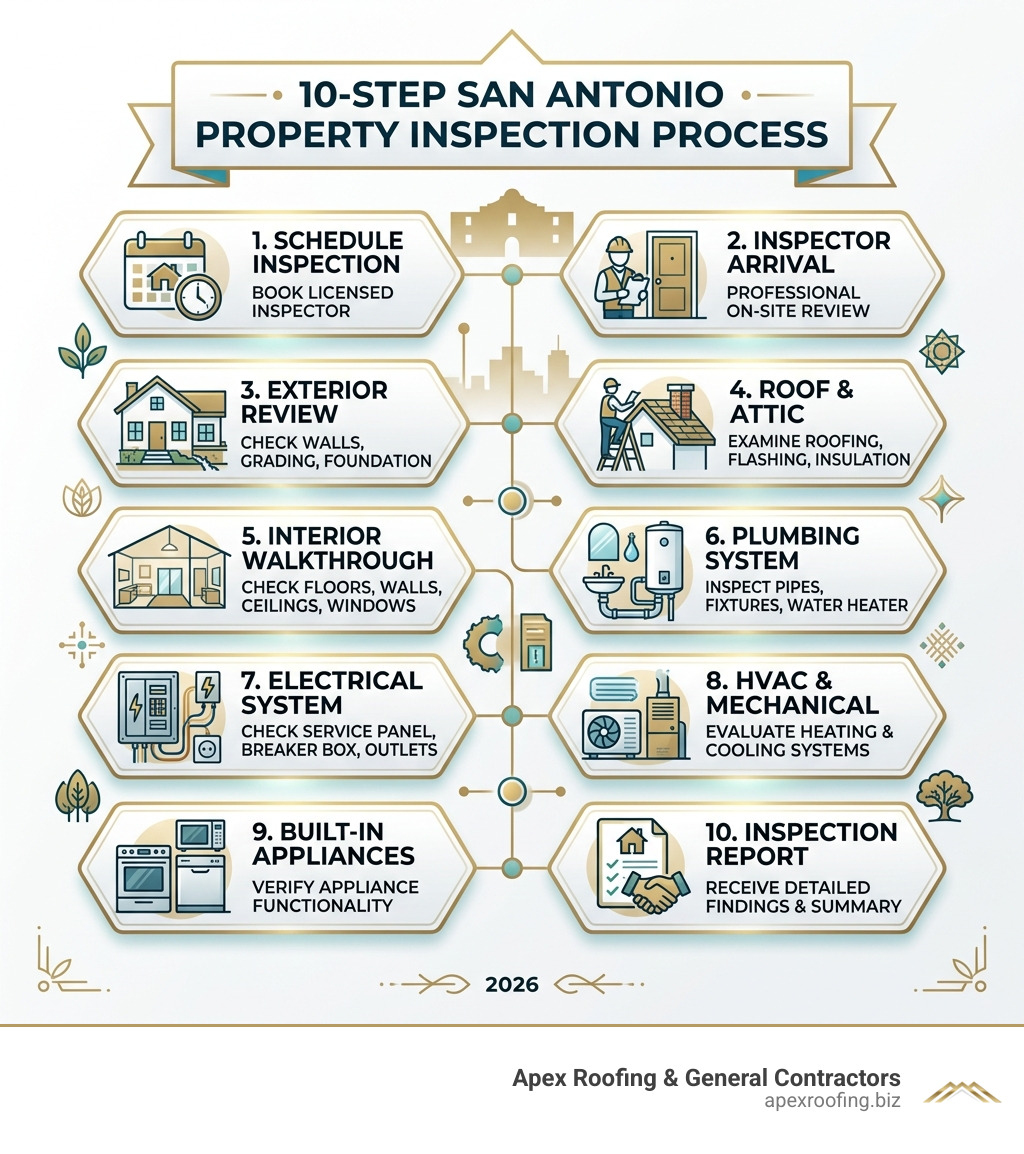
A standard property inspection San Antonio is a non-invasive, visual examination of the home’s accessible areas. Think of it as a physical for your house.
The core components typically include:
- Structural Systems: Foundations, grading, drainage, roof coverings, and attic structures.
- Electrical Systems: Service entrance, panels, branch circuits, and outlets.
- Heating, Ventilation, and Air Conditioning (HVAC): Testing both the heating and cooling functions (crucial in our 100-degree summers!).
- Plumbing Systems: Fixtures, water heating equipment, and drains.
- Appliances: Dishwashers, ranges, ovens, and microwaves.
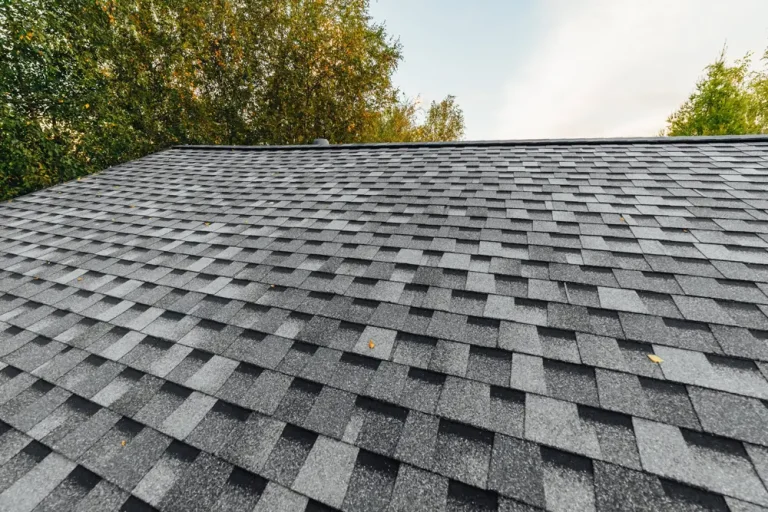
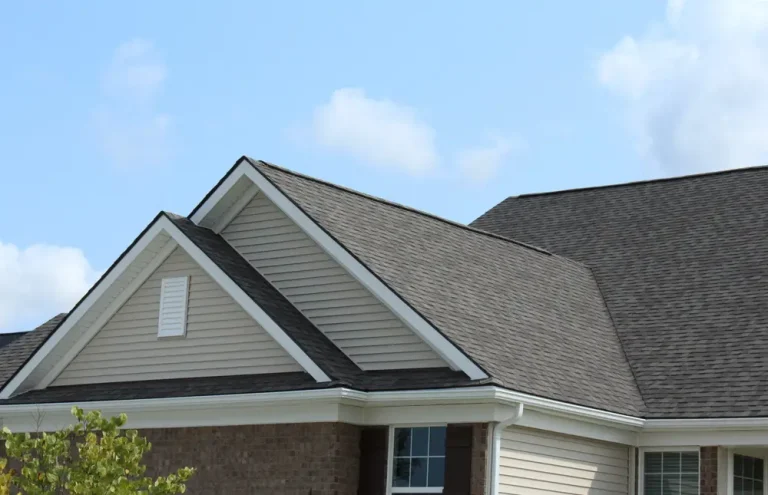
At Apex Roofing & General Contractors, we often work alongside home inspectors specifically to provide Professional Roof Inspections. While a general inspector looks at the roof from a distance or a ladder, a specialized roofing contractor can provide a more nuanced view of shingle health and storm damage.
Advanced Tools Used in a Property Inspection San Antonio
Modern technology has revolutionized how we look at homes. The best inspectors in Bexar County use advanced tools to see what the human eye cannot:
- Thermal Imaging (Infrared): Detects hidden water leaks, missing insulation, and overheating electrical components.
- Drone Flyovers: Essential for high or steep roofs that are unsafe to walk on.
- Moisture Meters: Confirms if a stain on the ceiling is an active leak or an old, dry spot.
- Zip Level Surveys: A high-precision altimeter used to measure foundation “settlement” or heaving across the floor plan.
Identifying Common Red Flags in South Texas Homes
San Antonio’s climate and geology create a specific set of “red flags.” We frequently see:
- Foundation Cracks: Often caused by our expansive clay soil.
- Outdated Wiring: Particularly aluminum wiring or ungrounded “two-prong” outlets in older neighborhoods.
- Wood Rot: Usually found around window sills and door frames due to high humidity and occasional heavy rain.
- Poor Grading: Soil that slopes toward the house instead of away, leading to water intrusion.
Unique Regional Challenges: Foundation, Termites, and Terrain
San Antonio is famous for its limestone-heavy terrain and its “black gumbo” clay soil. These two elements are the primary enemies of a stable home.
The High Risk of Termite Damage in Bexar County
In Texas, termites aren’t a matter of “if,” but “when.” Statistics show that termites make up more than 50% of all reported pest problems in our region. They are active from February through November, with peak swarming occurring between May and October.
Because termites can cause massive structural damage without being visible on the surface, a Wood Destroying Insect (WDI) report is highly recommended. For more local insights, you can check Research on Texas Wood Destroying Insects through community reviews and specialist listings.
| Feature | Subterranean Termites | Drywood Termites |
|---|---|---|
| Location | Live in the soil; enter via mud tubes | Live inside the wood they eat |
| Moisture Need | High; require soil contact | Low; can live in dry attic wood |
| Evidence | Mud tubes on foundation | “Frass” (tiny wood pellets) |
| Damage Speed | Very fast | Slower, but harder to detect |
Managing Foundation Stability on Limestone and Clay
The “San Antonio Shrill” is the sound of a door sticking in the frame during a dry summer. Our clay soil expands when wet and shrinks when dry, putting immense pressure on concrete slabs. A property inspection San Antonio will look for “stair-step” cracks in brickwork or interior drywall cracks, which are classic signs of foundation movement. Keeping the soil moisture consistent around your home is key to preventing these issues.
Specialized Inspections for San Antonio Homeowners
A standard inspection is a great start, but many San Antonio properties require “ancillary” or specialized services to get the full picture.
Consider these add-ons if they apply to your property:
- Pool and Spa: Checking pumps, heaters, and the integrity of the plaster/tile.
- Septic Systems: Common in the Hill Country areas like Bulverde or Boerne; these require a specialized dye test or camera scope.
- Water Well Testing: If you aren’t on city water, you need to verify both the flow rate and the bacterial safety of the water.
- Mold Assessment: If the inspector finds evidence of past water intrusion, a mold air-quality test can ensure the home is safe to breathe in.
If you are worried about the most expensive part of the home—the roof—we recommend a Free Roof Inspection San Antonio to complement your general home inspection.
Scheduling Your Property Inspection San Antonio
Timing is everything. In a standard Texas real estate contract, you usually have an “Option Period” (often 7 to 10 days). You must schedule and complete your inspection within this window to retain your right to walk away or negotiate repairs.
Most inspections take 2 to 4 hours. We recommend attending the last 30 minutes of the inspection so the professional can walk you through the findings in person. This “home instruction” is often more valuable than the written report alone.
New Construction and 11-Month Warranty Inspections
Don’t assume a new home is a perfect home. Even the best builders make mistakes. We recommend:
- Phase Inspections: Checking the home before the slab is poured and before the drywall goes up.
- 11-Month Warranty Inspection: Most builders provide a one-year warranty. Scheduling an inspection at the 11-month mark allows you to present a “punch list” of repairs to the builder before their legal obligation expires.
Frequently Asked Questions about San Antonio Inspections
How much does a home inspection cost in San Antonio?
On average, a property inspection San Antonio costs between $350 and $600 for a standard single-family home. Factors that affect pricing include:
- Square Footage: Larger homes take longer to inspect.
- Age of the Home: Older homes often have more complex systems (and more issues).
- Additional Services: Adding termite, pool, or septic inspections will increase the total.
How long does the inspection process take?
The physical inspection usually takes 3 to 4 hours. However, the best inspectors in San Antonio offer same-day or next-morning digital reports. These reports include high-resolution photos and clear descriptions of every finding.
Are there discounts for military or veterans?
Yes! San Antonio is “Military City USA.” Many local inspection companies, including veteran-owned businesses, offer “Hometown Hero” discounts for active-duty military, veterans, and first responders. Always ask for a discount code or mention your service when booking. You can verify an inspector’s credentials and Professional Licensing status through the TREC website.
Conclusion
A property inspection San Antonio is the most valuable tool in a homeowner’s belt. It transforms a stressful, high-stakes purchase into an informed investment. By understanding the unique challenges of our South Texas terrain—from shifting foundations to the relentless sun on our rooftops—you can protect your family and your finances.
At Apex Roofing & General Contractors, we pride ourselves on certified reliability and transparent communication. We understand the local building codes and the specific roofing needs of San Antonio residents. Whether you are in the middle of a home purchase or just want to ensure your current home is standing strong against the elements, we are here to help.
Schedule your comprehensive roof evaluation today to ensure your home’s first line of defense is in top shape.
Ready to protect your investment? Contact us today for free estimates and call (726) 727-7663 for a free inspection and an expert assessment you can trust.
Related Reading for San Antonio Homeowners: