- Roofing Services
- Residential Roofing
- Metal Roofing
Metal Roofing & Metal Roof Repair in San Antonio, TX


Metal Roofing Contractor in San Antonio

Apex Roofing & General Contractors installs and repairs standing seam and stone-coated steel metal roofs on San Antonio homes. Our office is at 8131 W Hausman Rd, Ste 103, in San Antonio’s 78249 ZIP code, and every metal roof starts with a free 37-point roof inspection and a written estimate.
Metal is the roof Bexar County homeowners choose when they are tired of replacing shingles after every hail season. A properly installed metal roof lasts 40 to 70 years, reflects summer heat instead of soaking it up, and can qualify for an impact-resistant roofing credit on Texas homeowners insurance. Apex Roofing was voted Best Roofing Company in the San Antonio Current’s Best of San Antonio 2025 readers’ poll.
Comparing materials for a roof replacement in San Antonio? Our metal roofing experts can walk you through how metal and asphalt shingles compare on cost and lifespan for your home. We install and repair metal roofs across San Antonio and nearby Helotes, Leon Valley and Boerne.
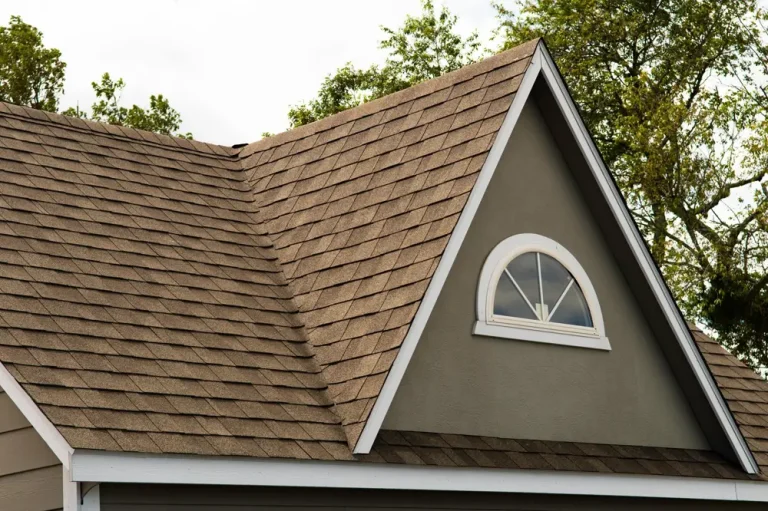

We specialize in residential roofing systems that provide long-term value, energy efficiency, and protection. Our team understands the diverse home styles across Texas—from traditional ranch homes to contemporary builds—and we tailor solutions that suit your roof’s slope, structure, and aesthetic.
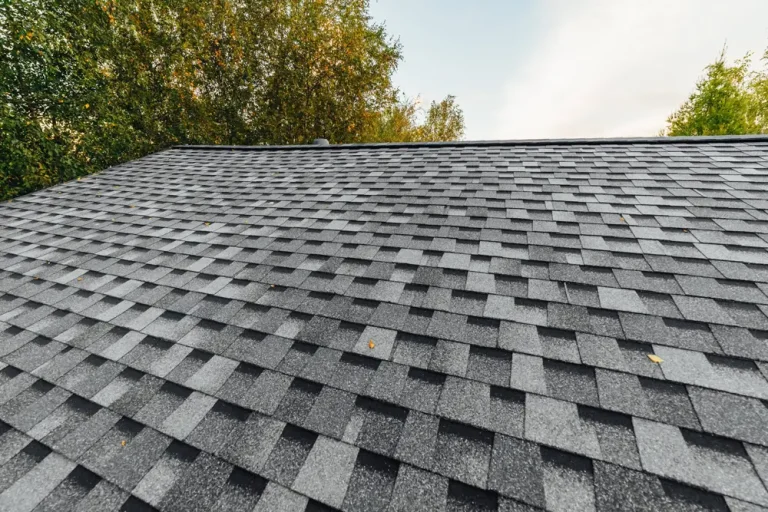

Asphalt shingles remain the most popular roofing choice for Texas homeowners due to their affordability, variety, and resilience. We install top-tier shingle systems that come in multiple textures and colors to match your home’s style. These shingles offer excellent waterproofing, UV resistance, and fire protection, making them a versatile and economical option.
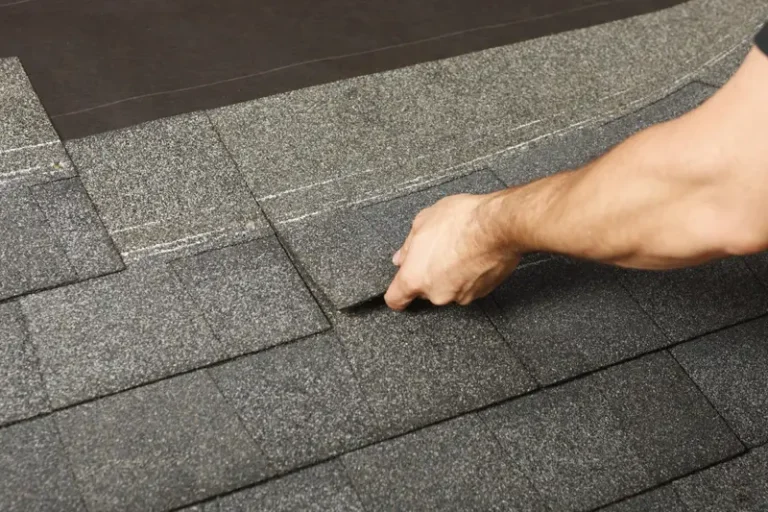

From planning to final inspection, we deliver new roof installations with an emphasis on structural integrity and ventilation. Whether you’re building a new home or expanding your existing property, our crew ensures proper decking, underlayment, flashing, and shingle alignment.


If your roof is showing signs of age or storm damage, our replacement service provides a full teardown and rebuild with superior materials and expert workmanship. We help you choose the right roofing type, manage debris removal, and handle permits when required.
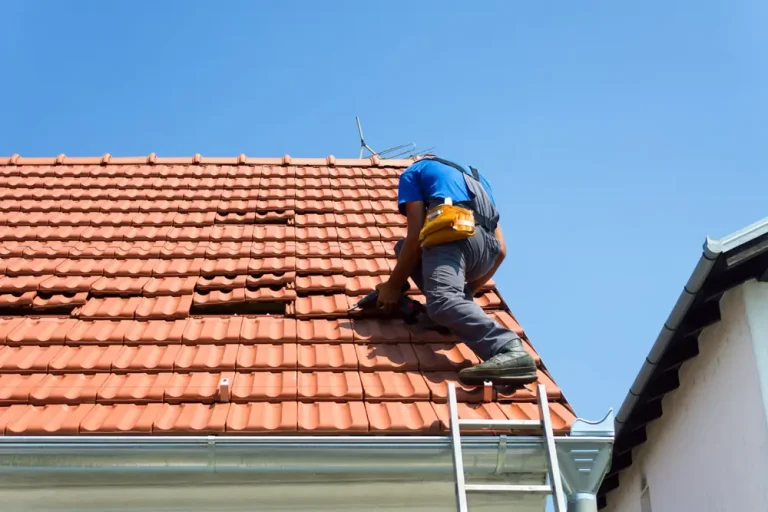

Leaks, lifted shingles, or interior water stains? Our roof repair service targets the root cause of the issue and resolves it fast. We assess for wind, hail, and moisture damage and recommend solutions that restore the health of your roof without unnecessary upselling. Timely repairs can extend the life of your roof by years.
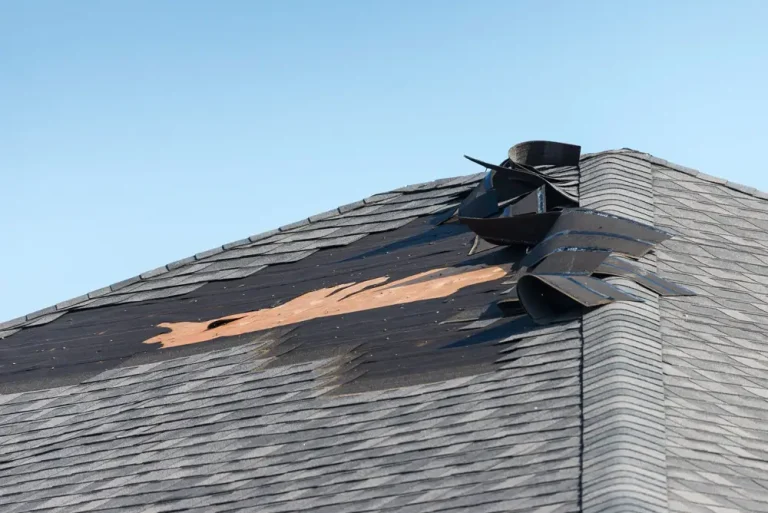

Swift, expert storm damage repair to restore your roof’s integrity after hail, wind, or debris. We prevent further issues with fast service and durable solutions built to last.
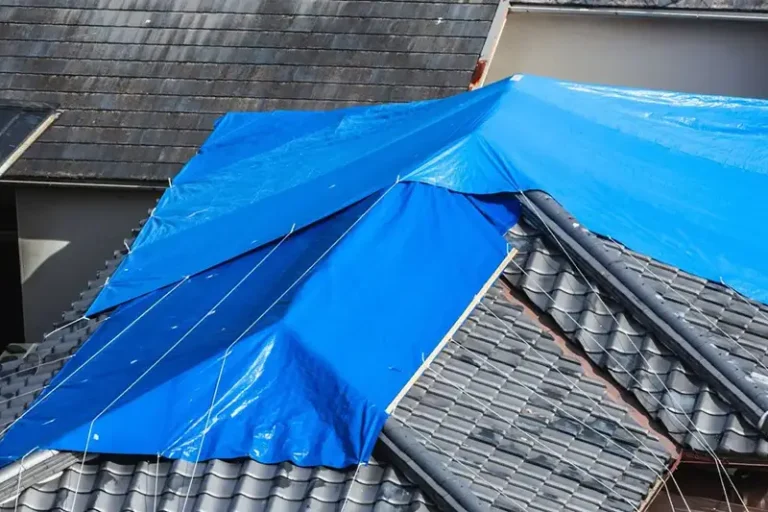
Emergency roofing addresses unexpected issues like storm damage, sudden leaks, or fallen debris. Our team responds quickly to assess, stabilize, and repair roofing problems before they escalate further.
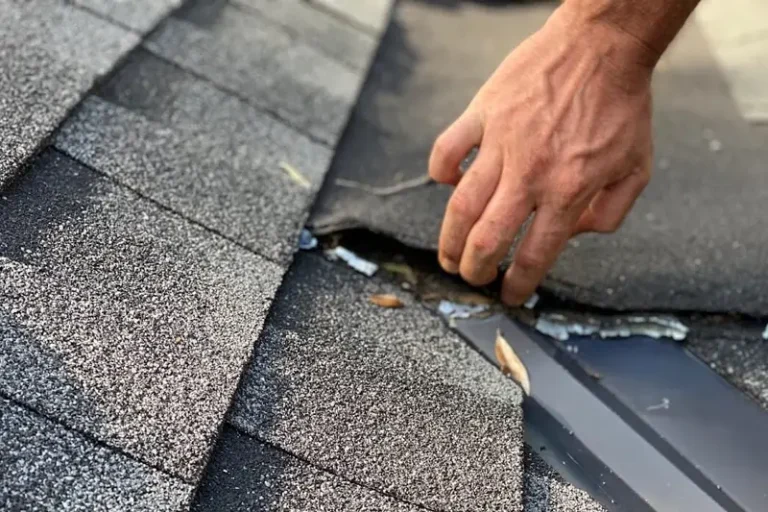
Regular roof inspections are key to detecting minor issues before they become major expenses. We provide professional evaluations of roofing systems for homeowners, buyers, and realtors. Our detailed reports include photos, recommendations, and an honest assessment of your roof’s condition.
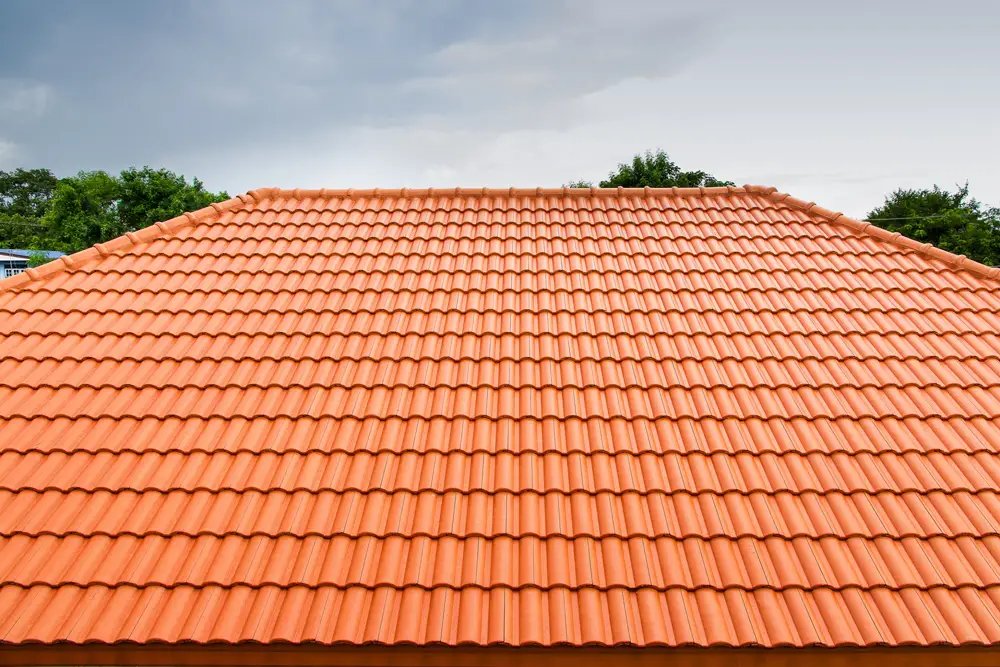
Metal roofing is a long-term investment for those seeking durability, energy savings, and modern aesthetics. Our metal roofing systems are installed with expert precision, and they reflect UV rays to reduce heat absorption. They’re fire-resistant, storm-rated, and last up to 50 years with minimal maintenance.
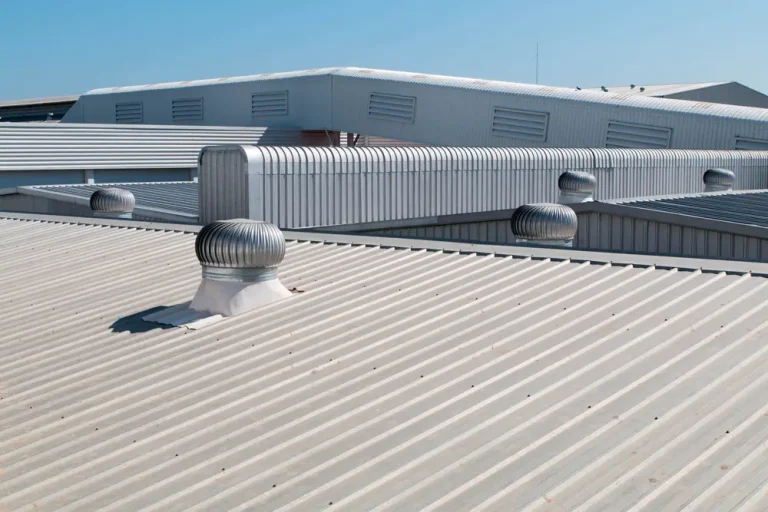
Our commercial roofing team handles everything from flat roof systems to sloped structures for multi-unit buildings, offices, and retail properties. We understand commercial compliance, drainage requirements, and impact resistance.
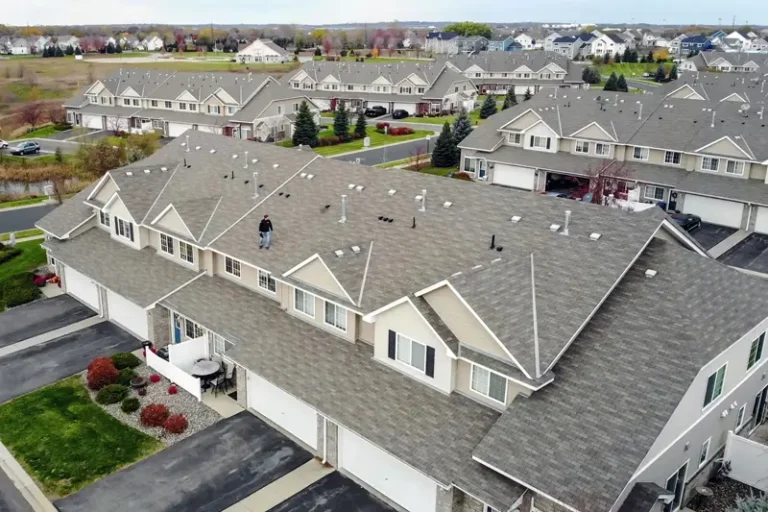
Roofing for apartment complexes and multi-family buildings requires coordination, durability, and tenant-friendly timelines. We manage complex logistics, communicate clearly with property managers, and adhere to HOA guidelines.
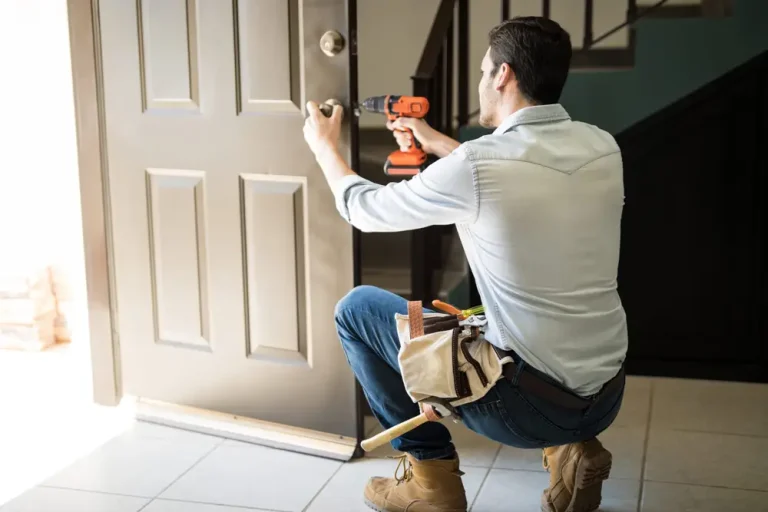
Beyond roofing, we offer expert handyman services for property upkeep and minor repairs. From fascia and soffit fixes to gutter maintenance and carpentry work, our skilled crew helps keep your home or business in top shape, inside and out.
Why Homeowners in San Antonio Are Switching to Metal Roofs
Metal roofs hold up to the two things that wear out San Antonio roofs fastest: hail and summer heat. The April 12, 2016 hailstorm across San Antonio and Bexar County caused about $1.4 billion in insured losses, the costliest hailstorm in Texas history according to the Insurance Council of Texas. Severe weather outlooks for our area come from the National Weather Service Austin/San Antonio office.
- Lifespan: 40 to 70 years depending on the panel system, compared with about 15 to 30 years for asphalt shingles.
- Hail: Panels rated Class 4 under UL 2218 resist punctures from large hail. They can still dent, so ask your agent how your policy treats cosmetic damage, and see how we handle roof insurance claims in San Antonio.
- Heat: The U.S. Department of Energy notes a reflective roof can stay more than 50°F cooler than a conventional roof on a sunny afternoon. Factory-painted metal in a light or cool-rated color is one of the simplest ways to get there.
- Fire: Metal roofing is noncombustible, and many metal roof systems carry a Class A fire rating.
- Maintenance: No granules to shed and no shingles to blow off. A yearly check of fasteners, sealant and flashing keeps it watertight.
Types of Metal Roofing We Install in San Antonio
Each system has a different look, price and hail performance. Our metal roofing specialists will tell you which one fits your roof pitch, your HOA’s rules and your budget. Switching from shingles? Read our guide to replacing asphalt shingles with a metal roof.
Standing Seam Metal Roofing
Long vertical panels joined at raised seams, with the fasteners hidden under the panel. No screws pass through the face of the roof, so there are no exposed fastener holes to reseal over the years. The flat pans also make solar mounting simple with clamp-on brackets that don’t pierce the panel.
- Concealed fasteners and fewer leak points
- Clean, modern lines
- Highest installed cost of the three systems
Stone-Coated Steel Roofing
Steel panels coated in stone granules and formed to look like tile, shake or shingle. It suits Spanish, Mediterranean and traditional homes where standing seam would look out of place, and several stone-coated steel products appear on the Texas Department of Insurance list of impact-resistant roof coverings.
- Tile, shake or shingle look
- Class 4 impact-rated options
- Mid-range installed cost
Exposed-Fastener Metal (Corrugated and R-Panel)
Ribbed panels screwed through the face into the deck or purlins. It is the lowest-cost metal roof and a good fit for barns, workshops, carports and outbuildings. The screws seal with rubber washers that age in the Texas sun, so these roofs need their fasteners checked and replaced over time.
- Lowest installed cost
- Best for outbuildings and utility structures
- Fasteners need periodic replacement
Metal Roof Installation in San Antonio: What to Expect
Here is how an Apex metal roof goes from estimate to final walkthrough.
- Free inspection and estimate: We check the deck, pitch, ventilation and any existing leaks during a free roof inspection, then give you a written price for each metal system that fits your home.
- Panel and color selection: You choose the profile, gauge and finish. Lighter and cool-rated colors keep the attic cooler through a San Antonio summer.
- Permit: We pull the residential roofing permit through the City of San Antonio Development Services Department, or through your own city if you live outside San Antonio.
- Tear-off and deck repair: We remove the old roof, replace any soft or rotted decking, and install new underlayment.
- Installation: Our insured crews install panels, trim, flashing and ridge to the manufacturer’s instructions, which is what keeps the manufacturer warranty valid.
- Final walkthrough: We walk the roof and yard with you, pick up screws and scrap, and answer your questions before we close out the job.
Apex Roofing carries general liability and workers’ compensation insurance. Texas does not issue a state roofing license, so ask any metal roofer for proof of insurance and a written warranty. Our licensing and certifications page lists what we carry, and our roof financing options let you spread out the cost.
Metal Roof Cost and Energy Savings in San Antonio
Installed metal roofing in San Antonio typically runs $7 to $12 per square foot, and standing seam can run higher. Exposed-fastener panels sit at the low end and stone-coated steel in the middle. Roof size, pitch, tear-off and decking repairs set the final price. Our guide to the cost to install a metal roof in San Antonio breaks it down by material.
Energy savings depend more on color and attic ventilation than on the metal itself. The U.S. Department of Energy notes that unpainted metal reflects sunlight well but sheds heat poorly, so a factory-painted cool color usually outperforms bare metal in our summers.
Metal Roof Repair and Maintenance in San Antonio
Yes, Apex repairs metal roofs in San Antonio. Most metal roof leaks come from a short list of causes:
- Backed-out or worn fasteners: Daily heat cycling loosens screws on exposed-fastener roofs and dries out their rubber washers.
- Failed sealant at seams and flashing: Pipe boots, skylights, chimneys and wall transitions are the usual leak points.
- Hail and wind damage: After a storm we check for dents, lifted trim and displaced panels and photograph everything for your insurer. See our storm damage repair service and storm damage roof repair in San Antonio.
- Rust and scratched coatings: Small spots can be cleaned and touched up before they spread.
We recommend a roof inspection once a year and after any hailstorm. For a single leak, our San Antonio roof repair team can usually fix the problem without replacing panels.
Frequently Asked Questions
How long does a metal roof last in San Antonio?
Most metal roofs in San Antonio last 40 to 70 years. Standing seam and stone-coated steel sit at the long end of that range. Exposed-fastener panels reach it only if their screws are checked and replaced over the years. Asphalt shingles here typically last 15 to 30 years.
Is metal roofing a good choice for the Texas heat?
Yes. According to the U.S. Department of Energy, a reflective roof can stay more than 50°F cooler than a conventional roof on a sunny afternoon. For the best result in San Antonio, choose a factory-painted panel in a light or cool-rated color and make sure the attic is properly ventilated.
Can a metal roof handle San Antonio hail?
Yes, a Class 4 metal roof handles San Antonio hail better than standard shingles, but no roof is hail-proof. Panels rated Class 4 under UL 2218 resist punctures, though large hail can still leave dents. The April 12, 2016 storm, the costliest hailstorm in Texas history, dropped hail up to 4.5 inches in parts of Bexar County, which is why we recommend Class 4 products for metal roofs here.
Do metal roofs attract lightning?
No. Metal roofs do not attract lightning. Lightning strikes the tallest object in an area, not a particular material. If a metal roof is struck, the metal is noncombustible and spreads the charge, so it is less likely to start a roof fire than some other roofing materials.
Are metal roofs noisy in the rain?
Not when they are installed over solid decking. Apex installs metal over a solid deck and underlayment, which dampen rain noise. Most homeowners find a metal roof about as quiet as shingles in a typical South Texas storm.
How much does a metal roof cost in San Antonio, Texas?
Installed metal roofing in San Antonio typically costs $7 to $12 per square foot, and standing seam can run higher. Exposed-fastener panels are the least expensive and stone-coated steel sits in the middle. Roof size, pitch, tear-off and decking repairs set the final price. Apex gives free written estimates, and our metal roof cost guide for San Antonio breaks the numbers down by material.
Does a metal roof lower homeowners insurance in Texas?
Often, yes. Many Texas insurers give a premium credit for roof coverings rated under UL 2218, and Class 4 earns the largest credit. After a Class 4 installation, the roofer completes Texas Department of Insurance Form PC068 for you to send to your insurer. Some policies add a cosmetic damage exclusion for metal roofs, which means dents that don’t cause leaks may not be covered. Ask your agent about both before you choose a product, and see how we handle roof insurance claims in San Antonio.
What is the biggest problem with metal roofs?
The biggest drawbacks are higher upfront cost and, on exposed-fastener roofs, screws that loosen and washers that dry out over time. Large hail can also dent panels, and flat panels can show a slight waviness called oil canning. Concealed-fastener standing seam, Class 4 panels and a heavier gauge solve most of these problems.
Standing seam or stone-coated steel: which is better for a San Antonio home?
Standing seam is better if you want the longest-lasting, lowest-maintenance metal roof and a modern look. Stone-coated steel is better if you want metal’s durability with the look of tile or shake, which suits many Mediterranean and traditional San Antonio homes. Both come in Class 4 impact-rated versions.
Do you repair metal roofs in San Antonio?
Yes. Apex repairs metal roofs across San Antonio. Common repairs are replacing backed-out fasteners, resealing seams and flashing, fixing storm damage and treating rust. Start with a free inspection or call our San Antonio roof repair team.
Testimonials
What they’re saying about us
| 4.8 | ★★★★★ Excellent Based on 219 reviews |
✦ What customers say
Customers most often say Apex Roofing shows up on time, inspects the roof thoroughly and gives an honest answer, including telling homeowners when their roof does not need work. Many reviewers describe help with the insurance claim, drone photos and text updates during the job, and full replacements finished in a single day with the yard cleaned up afterward. San Antonio homeowners also name owner Carlos and inspectors Marshall and Matt for clear communication and follow-up.
AI-generated summary of customer reviews, updated October 9, 2026.

Sep 2026 · Google
APEX Roofing always delivers. They are prompt and on time and have always been courtious and delivered with exceptional quality.…
Read more
…Their quote is what you pay (my experiene) and their prices are very competitive!

Aug 2026 · Google
I was incredibly impressed by the professionalism of the team at Apex Roofing and General Contractors. They made the entire…
Read more
…Residential Roofing experience smooth and stress free from start to finish. Karl Marshall conducted a thorough roof inspection, and then focused on the only repairs really needed (resecuring the soffit all around the roof line where storm pressure had blown it out. I believe others would have been tempted to proclaim full roofing replacement was required. I would highly recommend them to anyone looking for quality work.

Aug 2026 · Google
t Mike and Gavin came out and did a thorough check thru. They notified me that the problem was caused by an unconnected vent…
Read more
…pipe in attic not roof and that they connected it and to call a plumber to just seal it. Then they informed me about the roof that maybe I can get a discount on insurance because the house had premium roofing. Great company great guys didn’t charge anything but will definitely call them if I need roof repairs

Jul 2026 · Google
Gavin and Marshall were very efficient and punctual. They arrived on time, kept me informed throughout the project and completed…
Read more
…the chimney/roof repair with great professionalism and timeliness. Their communication was clear and friendly, making the whole process stress‑free. I highly recommend them for any residential roofing needs and I’m excited to use Apex again for future roof repair work.

Jul 2026 · Google
Had my roof inspected by Karl and Gavin, and I appreciate that they took the time to thoroughly inspect the roof to help find the…
Read more
…cause of our leak. I appreciate them sharing what they were seeing. I’ve had roof issues these past few months and I wish I had gone with APEX from the start as they were much more professional and transparent with the findings.

Jul 2026 · Google
Apex Roofing and General Contractors was incredibly punctual, efficient, and professional. They communicated clearly at every…
Read more
…step and finished the roof repair on schedule and went out of their way to make it perfect. Apex also went above and beyond to be considerate of my time as well as my neighbors when they started and completed the project. I especially appreciated how they showed up exactly on time and kept the work site clean. I highly recommend them for their incredible and reliable residential roofing surfaces.
Show more reviews

Jul 2026 · Google
Apex Roofing and General Contractors showed up right on schedule, explained every step clearly and stayed on task the whole time.…
Read more
…The crew worked efficiently, kept the site tidy and finished our roof replacement ahead of the promised date. Their professionalism and friendly communication made the whole experience stress free. Highly recommend this roofer near me.

Jun 2026 · Google
Marshall from apex roofing took seamlessly stream lined the roof replacement on my house and only took one day. They also beat competitors on cost and quality of roof!

Jun 2026 · Google
Marshall K. was great. Quick responses, helped me through the entire…
Read more
…process. Overall experience with the company was amazing, they did a great job and the roof looks good. It was cool to get drone shots of all the progress in real time.


Jun 2026 · Google
5/5 stars – each star for communication, punctuality, professionalism, efficiency, and timeliness. Gavin & Marshall from Apex…
Read more
…Roofing were great; checked the roof, took pics, showed me full & complete evaluation of the roof's condition & even removed all the leaves collecting on the roof for a year! I very impressed with how punctual & professional they were! I would definitely recommend them for any residential roofing needs.

Jun 2026 · Google
After seeing shingles in our yard, we were nervous about our roof but Apex Roofing & General Contractors made an inspection…
Read more
…process easy & free. Marshall and Gavin’s communication was clear from the first phone call to the final walk‑through. They provided honest feedback and guidance about the status of roof (e.g., the shingles were our neighbor’s and not ours), and answered all our questions. We appreciated their professionalism and straightforward, honest approach to an inspection. I feel confident we will use them again in the future and would recommend them to anyone looking for a reliable roofer nearby.

Jun 2026 · Google
Very professional. Highly recommended

Jun 2026 · Google
5/5 stars – excellent punctuality, efficiency, communication, professionalism and timeliness. Gavin and Marshall from Apex…
Read more
…Roofing arrived on schedule. They did inspection of my roof and advised me of the outcome. Very informative took their time to answer all my concerns.

Jun 2026 · Google
Great on time service for quote, and was very punctual and professional

May 2026 · Google
They always kept me informed and reasonably priced.

May 2026 · Google
So far I like what I see, they started with a thorough roof inspection. Took their time and check from the crawl space to the…
Read more
…roof.
Everything was explained to me so I could comprehend. Very professional !!!!

May 2026 · Google
Working with Michael was a 10/10 experience. He was quick to respond to my request, provided an honest, detailed, and reasonable…
Read more
…quote, and didn't try to upsell us on a full replacement we didn't need. Michael took the time to take pictures and explain what the issue was and provided multiple options. I was very impressed with their professionalism and will definitely use them again for any future roofing needs.

Apr 2026 · Google
Apex Roofing and General Contractors were fantastic. They showed up on time, worked efficiently, and were extremely professional.…
Read more
…Matt and Marshall completed our roof repair quickly and everything was done on schedule. Highly recommend!

Apr 2026 · Google
Great experience checking our roof . Honest people. Didn’t need work thank you for not just taking advantage of my ignorance of…
Read more
…roofing . Marshall I’ll definitely be calling yall back when in need .

Mar 2026 · Google
I loved the communication from Apex Roofing and General Contractors. They called and emailed me with clear updates throughout my…
Read more
…roof repair, answered every question right away, and made sure I knew what was happening at each stage. Their friendly, transparent approach made the whole experience stress free. I’m excited to call them again for any future roof replacement or roof installation.

Feb 2026 · Google
I was extremely impressed with the communication from Apex Roofing and General Contractors. From the first phone call to the…
Read more
…final walkthrough they kept me informed at every step, answering questions promptly and explaining the roof repair process clearly. The crew arrived on time, gave updates throughout the day, and made sure I understood what was happening before moving on. It made the whole project feel seamless and stress free. I would definitely recommend them for any residential roofing work.

Feb 2026 · Google
Very friendly, communicative and punctual.

Jan 2026 · Google
Marshall was great, gave a comprehensive list of products and options. Walked me through the whole process.

Jan 2026 · Google
We needed a roof inspection and called Apex Roofing. Marshall Karl came out and was right on time, even called ahead to let me…
Read more
…know he was on the way. He was super knowledgeable and made everything really easy to understand. I felt guided through the whole process and never confused or stressed. He did an amazing job highly recommend him 110%!
Thank you Marshal Karl

Dec 2025 · Google
Marshall Karl has been one of the greatest inspectors to provide a professional, compassionate, and expedient service in the time…
Read more
…I’ve been a homeowner. This fellow Marine Combat Veteran needs a promotion ASAP. Promote above peers & retain at all costs.

Dec 2025 · Google
Vannesa is very knowledgeable and professional. She helped me with my claim. The whole process was easy and stress free!

Nov 2025 · Google
Had Karl Marshall inspect my roof. Punctual, and professional. I have…
Read more
…experience in construction and I can tell he was very honest with what he was telling me and pricing. @memerios1020