When Storms Hit San Antonio, Every Minute Counts
San Antonio storm damage repair is something thousands of local homeowners face every year — and knowing what to do first can mean the difference between a quick fix and a costly disaster.
Here’s a fast overview of what to do after storm damage:
| Step | Action |
|---|---|
| 1. Stay safe | Avoid downed power lines and standing water |
| 2. Document everything | Take date-stamped photos before touching anything |
| 3. Prevent further damage | Cover exposed areas with tarps |
| 4. Call your insurer | Report the loss and request an adjuster |
| 5. Hire a local contractor | Get a professional inspection and repair estimate |
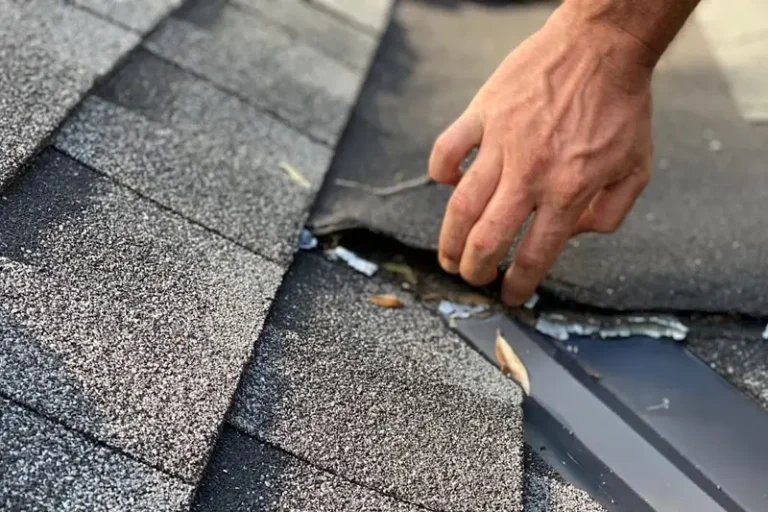
San Antonio sits in one of the most storm-prone regions in Texas. Hail, high winds, flash floods, and severe thunderstorms are a regular part of life here. One minute the sky is clear; the next, your roof is missing shingles and water is dripping through the ceiling. The damage is often worse than it looks from the ground — hail can bruise shingles without leaving obvious marks, and wind can lift flashing just enough to let moisture in over time.
That’s exactly why having a trusted storm damage repair specialist in your corner matters. If you’re in the San Antonio area and need help right now, the team at Apex Roofing & General Contractors is ready to help.
I’m Carlos Yzaguirre, President and Managing Partner of Apex Roofing & General Contractors, and I’ve led our San Antonio-based team through countless San Antonio storm damage repair projects since co-founding the company in 2022. In this guide, I’ll walk you through everything you need to know — from spotting hidden damage to filing your insurance claim the right way.

Explore more about San Antonio storm damage repair:
Identifying Common Types of San Antonio Storm Damage Repair Needs

When a South Texas supercell rolls through, it doesn’t just bring rain; it brings a cocktail of destructive forces. Identifying the specific type of damage is the first step in a successful San Antonio storm damage repair plan. At Apex Roofing & General Contractors, we often find that homeowners overlook the subtle signs that lead to major leaks months later.
Hail Damage: The Silent Shingle Killer
Hail is perhaps the most deceptive element of a San Antonio storm. While “soft” hail might just bounce off, dense, high-velocity stones cause significant trauma.
- Hail Bruising: This looks like a dark spot where granules have been knocked away, exposing the underlying felt. It feels soft to the touch, similar to a bruise on an apple.
- Granule Loss: If you see excessive “sand” in your downspouts after a storm, your shingles have lost their UV protection.
- Fractures: Large hail can actually crack the fiberglass mat of the shingle.
Understanding what hail size causes roof damage is helpful, but even small hail at high speeds can be problematic. If you aren’t sure what to look for, our guide on what hail damage looks like on a roof can help you spot the warning signs.
Wind Damage: Lift and Crease
San Antonio winds can easily reach speeds that peel back shingles like a banana skin.
- Wind Uplift: Strong gusts get under the edge of shingles, breaking the sealant bond.
- Shingle Creasing: Even if the shingle doesn’t fly off, the wind can fold it back, creating a permanent crease line where the shingle is now structurally weakened.
- Gutter Dents and Detachment: High winds can rattle gutters loose or send debris flying into them, causing functional failure.
For a deeper dive into these issues, check out our resources on Roof Storm Damage San Antonio and general Roofing Storm Damage.
Why Local Expertise Matters for San Antonio Storm Damage Repair
San Antonio isn’t just any city; it’s the gateway to the Hill Country. Our unique geography means we deal with specific weather patterns, such as rapid pressure changes and flash flood risks that can compromise home foundations and roofing systems simultaneously.
Working with a local storm damage expert ensures your repairs comply with San Antonio building codes and are designed to withstand the intense heat and humidity that follows a Texas storm. We understand how the local climate affects material longevity, ensuring your San Antonio storm damage repair lasts for the long haul.
Signs of Hidden Water Intrusion
Not all storm damage is visible from the curb. In fact, some of the most expensive repairs stem from “invisible” leaks.
- Attic Moisture: If you can safely access your attic, look for damp insulation or water tracks along the rafters.
- Ceiling Stains: Yellow or brown rings on your ceiling are a “smoking gun” for a roof leak.
- Musty Odors: If a room suddenly smells earthy or damp after a storm, water may be trapped behind the drywall.
- Compromised Underlayment: Sometimes shingles look fine, but the waterproof barrier beneath them has been breached.
A professional post-storm roof inspection is the only way to be 100% sure your home’s envelope is still sealed.
Immediate Steps to Take After a Severe Weather Event
Once the clouds part, your “emergency mode” should kick in. Your primary goal is to mitigate further loss, which is actually a requirement in most insurance policies.
- Safety First: Check for downed power lines or structural sagging before walking around the perimeter.
- Utility Check: If you suspect water has entered your electrical system, shut off the main breaker.
- Document Everything: Take wide shots of the house and close-ups of specific damage. Use a coin or ruler for scale when photographing hail dents. This date-stamped evidence is gold for your claim.
- Call for Professional Help: Contact a San Antonio storm damage repair specialist immediately. If you are in the Leon Valley area, we offer specialized emergency roof repair Leon Valley services to get your home secured fast.
When to Prioritize Emergency Roof Tarping
If you have water actively entering your home or large sections of shingles are missing, you need a tarp. This isn’t a permanent fix, but it stops the “secondary damage” (like mold and ruined drywall) that insurance companies sometimes balk at covering if you didn’t take action.
Our guide, Weathering the Storm: A Leon Valley Homeowner’s Guide to Damage Repair and Roof Tarping, explains exactly how and when this should be done. Generally, if there is a hole or a significant leak, tarping should happen within 24 hours.
Choosing the Right Contractor for San Antonio Storm Damage Repair
In the wake of a big storm, “storm chasers” often flood San Antonio neighborhoods. These are out-of-state contractors who disappear as soon as the check clears. To protect yourself, look for:
- Local Roots: A permanent office in San Antonio.
- Proper Credentials: Licensed, insured, and an A+ rating with the BBB.
- Certifications: Look for manufacturer-certified installers who can offer better warranties.
- Transparency: A reputable storm damage roofing company will provide a written estimate and explain the “why” behind every repair.
Navigating the Insurance Claim Process for Storm Damage
The insurance process can feel like learning a second language. Here in Texas, most homeowners have one of two types of policies:
- Replacement Cost Value (RCV): The gold standard. It pays to replace your roof at today’s prices, minus your deductible.
- Actual Cash Value (ACV): This pays out the depreciated value of your roof. If your roof is 15 years old, you’ll receive significantly less.
Understanding roof insurance claims is vital. You are responsible for your deductible — never trust a contractor who claims they can “waive” it, as this is often considered insurance fraud in Texas. For a comprehensive walkthrough, see our hail damage roof claim complete guide.
Documentation Tips for a Successful Claim
To get your San Antonio storm damage repair covered, you need a “paper trail.”
- Photo Logs: Organize your photos by date and location (e.g., “North Slope,” “Front Gutter”).
- Inspection Reports: A professional storm damage roof inspection guide will include things an adjuster might miss, like damaged flashing or pipe boots.
- Repair Estimates: Have your contractor’s estimate ready to compare with the adjuster’s “scope of loss.”
Understanding Insurance Supplements
It is very common for an initial insurance check to be lower than the actual cost of repairs. This is where “supplements” come in. If we start a project and find rotted decking that wasn’t visible during the initial inspection, or if local building codes require an upgrade (like drip edge) that wasn’t in the original estimate, we file a supplement.
Our storm damage roof repair complete guide covers how we work with adjusters to ensure every necessary penny is accounted for.
Professional Restoration Services and Repair Timelines
We know you want your life back to normal as quickly as possible. While every job is unique, here is what you can generally expect for a San Antonio storm damage repair timeline:
| Service | Estimated Time |
|---|---|
| Roof Inspection | 1 – 2 Hours |
| Emergency Tarping | 1 – 3 Hours |
| Insurance Approval | 5 – 10 Days |
| Full Roof Replacement | 1 Day (Standard Home) |
| Gutter Replacement | 1 Day |
| Siding Repair | 1 – 3 Days |
The 50% Rule for Roof Replacement
A common question we get is: “Do I need a repair or a full replacement?” A good rule of thumb is the 50% rule. If the cost of repairing the storm damage approaches or exceeds 50% of the cost of a new roof, or if the roof is near the end of its life expectancy, a storm damage roof replacement is usually the smarter financial move. We focus on storm damage repair done right, which means giving you an honest assessment of your roof’s remaining lifespan.
Long-Term Preventative Maintenance
The best way to handle the next storm is to prepare today.
- Impact-Resistant Materials: Consider Class 4 shingles, which can often net you a discount on your insurance premiums.
- Regular Inspections: We recommend a free storm damage roof inspection at least once a year or after any major weather event.
- Gutter Cleaning: Clear gutters prevent water from backing up under your shingles during heavy Texas downpours.
Frequently Asked Questions about San Antonio Storm Damage
How do I tell the difference between hail damage and normal wear and tear?
Hail damage typically presents as localized bruises, circular fractures, or distinct indentations in the shingle mat, often accompanied by a “starburst” pattern of granule loss. In contrast, normal wear and tear involves uniform granule loss across the entire roof, bald spots from age, and shingles that are curling or brittle at the edges. Adjusters look for “collateral damage” on metal vents or downspouts to confirm hail was present.
How long does a typical storm damage repair take in San Antonio?
Most asphalt shingle roof replacements are completed in a single day by our professional crews. Siding repairs or complex gutter systems may take several days depending on the property’s size and the availability of materials. However, the “total” timeline — including the initial inspection, insurance adjuster meeting, and claim approval — usually spans 5 to 14 days.
Does homeowners insurance cover all types of storm damage?
Most Texas policies cover wind and hail as “covered perils” under dwelling coverage. This includes damage to shingles, siding, and gutters. However, they typically exclude damage resulting from long-term neglect (like a 30-year-old roof that simply wore out), normal wear and tear, or rising groundwater (flooding). For flood protection, a separate policy through the National Flood Insurance Program (NFIP) is usually required.
Conclusion
Dealing with a storm is stressful, but the recovery process doesn’t have to be. At Apex Roofing & General Contractors, we pride ourselves on being the steady hand San Antonio homeowners need after the wind stops blowing. As a certified local expert, we don’t just fix roofs; we restore peace of mind through transparent communication, high-quality materials, and strict compliance with San Antonio building codes.
Don’t wait for a small leak to become a major structural headache. Whether you need a minor shingle fix or a full restoration, we are here to help you weather the storm. We offer free estimates to help you get started on your recovery.
Schedule your San Antonio storm damage repair today with a team that knows the Alamo City inside and out.
Need immediate help? Call us at (726) 727-7663 for a free inspection. Apex Roofing & General Contractors San Antonio, TX