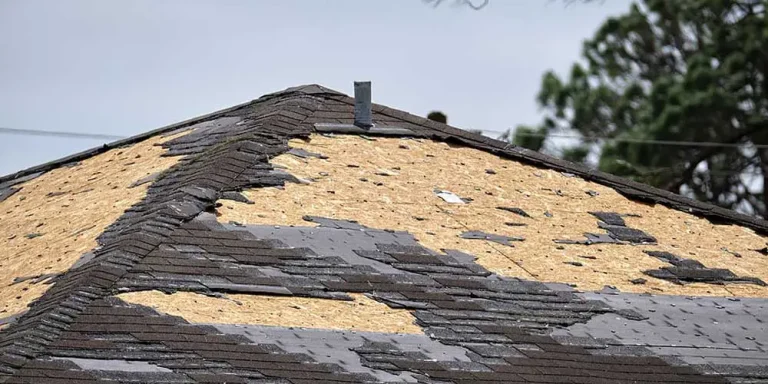
Why Your Insurance Adjuster Meeting Can Make or Break Your Claim
An insurance adjuster meeting is the single most important step in your entire insurance claim process—and how prepared you are going into it directly determines how much money you walk away with. Navigating the aftermath of a storm requires a strategic approach, starting with a consultation from a trusted San Antonio roofing company to assess the full extent of the damage. Whether you are dealing with hail impact or wind-driven rain, the first face-to-face interaction with your insurer’s representative often dictates the financial trajectory of your recovery. To ensure you aren’t left with a settlement that covers only a fraction of the actual repair costs, you must treat this meeting as a high-stakes negotiation. By partnering with certified roofers in San Antonio, you can level the playing field against corporate interests and secure the funding necessary to restore your home’s integrity.
| Step | What to Do |
|---|---|
| Before the meeting | Get a professional roof inspection, gather photos, and review your policy |
| At the meeting | Stay calm, guide the adjuster to all damage, take detailed notes |
| After the meeting | Send a follow-up email, review the report, and negotiate if needed |
| If underpaid | Invoke the appraisal clause or bring in a public adjuster |
| If denied | File a complaint with the Texas Department of Insurance or appeal |
Storm season in San Antonio hits hard. After hail or wind damage, your first instinct is to call your insurer and file a claim. But the moment that adjuster steps onto your property, you’re no longer just a policyholder — you’re in a negotiation. Insurance adjusters routinely handle 150 to 200 claims at once, which means inspections are often rushed and settlements come in 20 to 30 percent below what repairs actually cost.
That gap between what you’re offered and what you actually need is the difference between a fully restored home and one that slowly deteriorates from hidden damage. As a roofing contractor, we’ve seen this play out hundreds of times — and the homeowners who come out ahead are always the ones who showed up prepared.
I’m Carlos Yzaguirre, President of Apex Roofing & General Contractors, and through attending hundreds of insurance adjuster meetings alongside San Antonio homeowners, I’ve learned exactly what separates a fair settlement from a lowball offer. In this guide, I’ll walk you through everything you need to know to walk into your next insurance adjuster meeting with confidence.
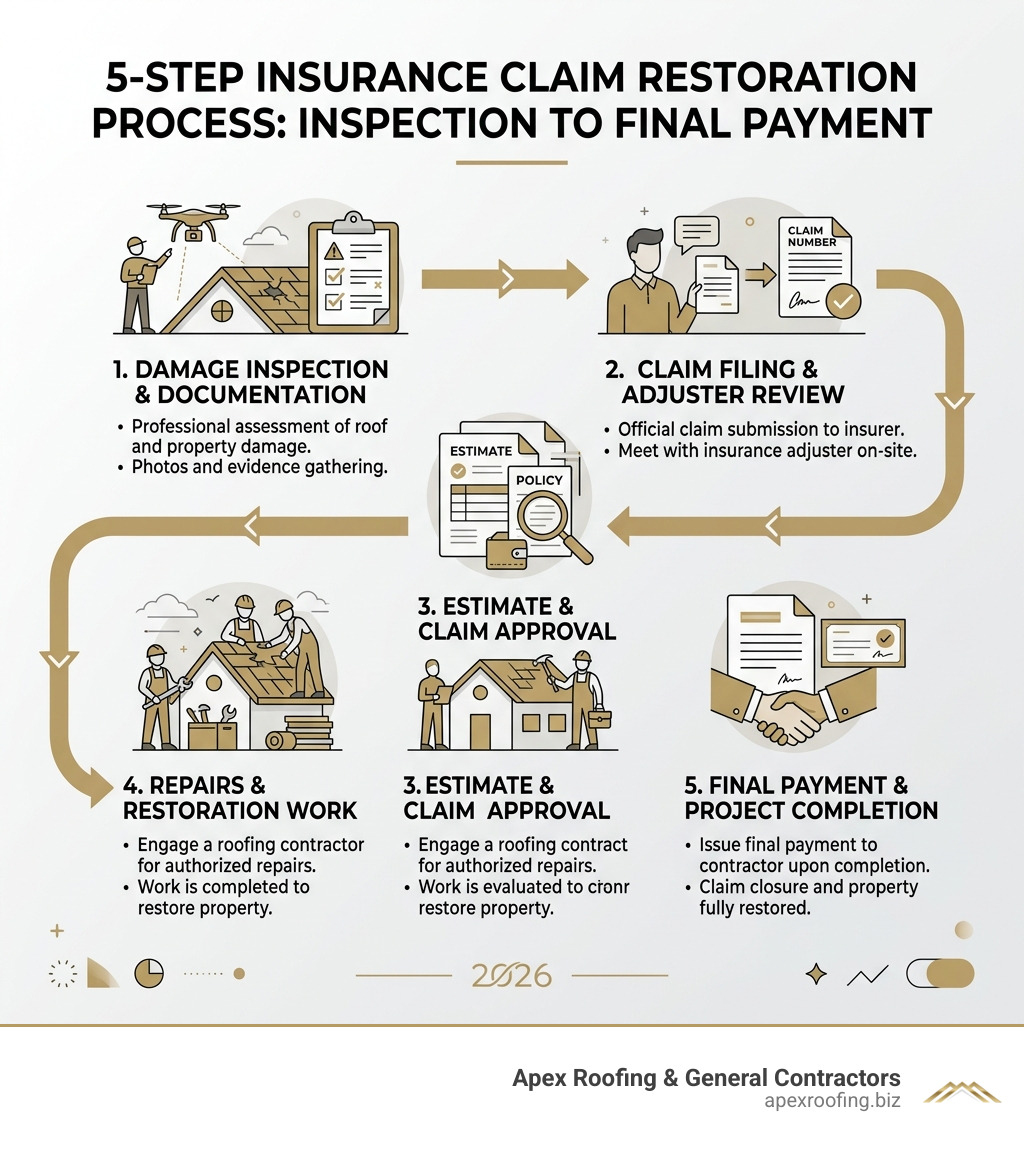
Relevant articles related to insurance adjuster meeting:
Essential Preparation for Your Insurance Adjuster Meeting
Navigating the aftermath of a storm in April 2026 requires a strategic approach. The U.S. claims adjusting industry is a $14.6 billion powerhouse, and with catastrophe-driven claims predicted to jump 30% by 2030, company adjusters are more overwhelmed than ever. When an adjuster is juggling nearly 200 files, your property becomes a checkbox on a long list. Rushed inspections are the primary reason settlements often fall 20-30% short of the actual recovery cost.
To protect your home, you must be the most prepared person on-site. Preparation begins with a deep dive into your policy documents. You need to verify whether you have Replacement Cost Value (RCV) or Actual Cash Value (ACV) coverage. This distinction is vital: RCV covers the cost to replace your roof at today’s prices, while ACV only pays the depreciated value based on the roof’s age. If you aren’t sure which one you have, check out our guide: Is Your Wind Policy Full Of Hot Air The Acv Guide.

What to Bring to Your Insurance Adjuster Meeting
A successful insurance adjuster meeting relies on a “paper trail” of evidence. You should have a comprehensive packet ready to hand over the moment the adjuster arrives. This packet should include:
- Photo Evidence: High-resolution photos of the damage taken immediately after the storm.
- Maintenance Records: Proof that you have maintained the roof, which helps counter “wear and tear” denials.
- Contractor Estimates: A detailed scope of work from a trusted professional.
- Proof of Value: Receipts for any temporary repairs (like tarping) you’ve already paid for.
Having these documents organized shows the adjuster that you are informed and serious about your claim. For more tips on organizing your paperwork, read How To File A Roofing Claim Without Losing Your Mind.
The Importance of a Pre-Meeting Professional Inspection
We cannot overstate this: Never let an insurance adjuster be the first person to step on your roof after a storm. Having a professional inspection performed by a roofing expert in San Antonio before the adjuster arrives is the single most effective way to ensure a fair outcome.
During a pre-inspection, we document “test squares” (10′ x 10′ areas) to count the number of hail hits or wind-damaged shingles. We also look for collateral damage — dents in gutters, window screens, or AC units — which serves as forensic proof of storm severity. When the insurance adjuster meeting occurs, you can hand them a report that already identifies these issues, making it much harder for them to overlook the damage. Learn more about this in our Hail Damage Roof Claim Complete Guide.
What to Expect During the Property Inspection
The physical inspection typically lasts between 20 and 60 minutes. The adjuster’s goal is to determine the insurer’s liability by assessing if the damage is “functional” or merely “cosmetic.” Functional damage is defined as anything that affects the water-shedding capability or the remaining lifespan of the roof.
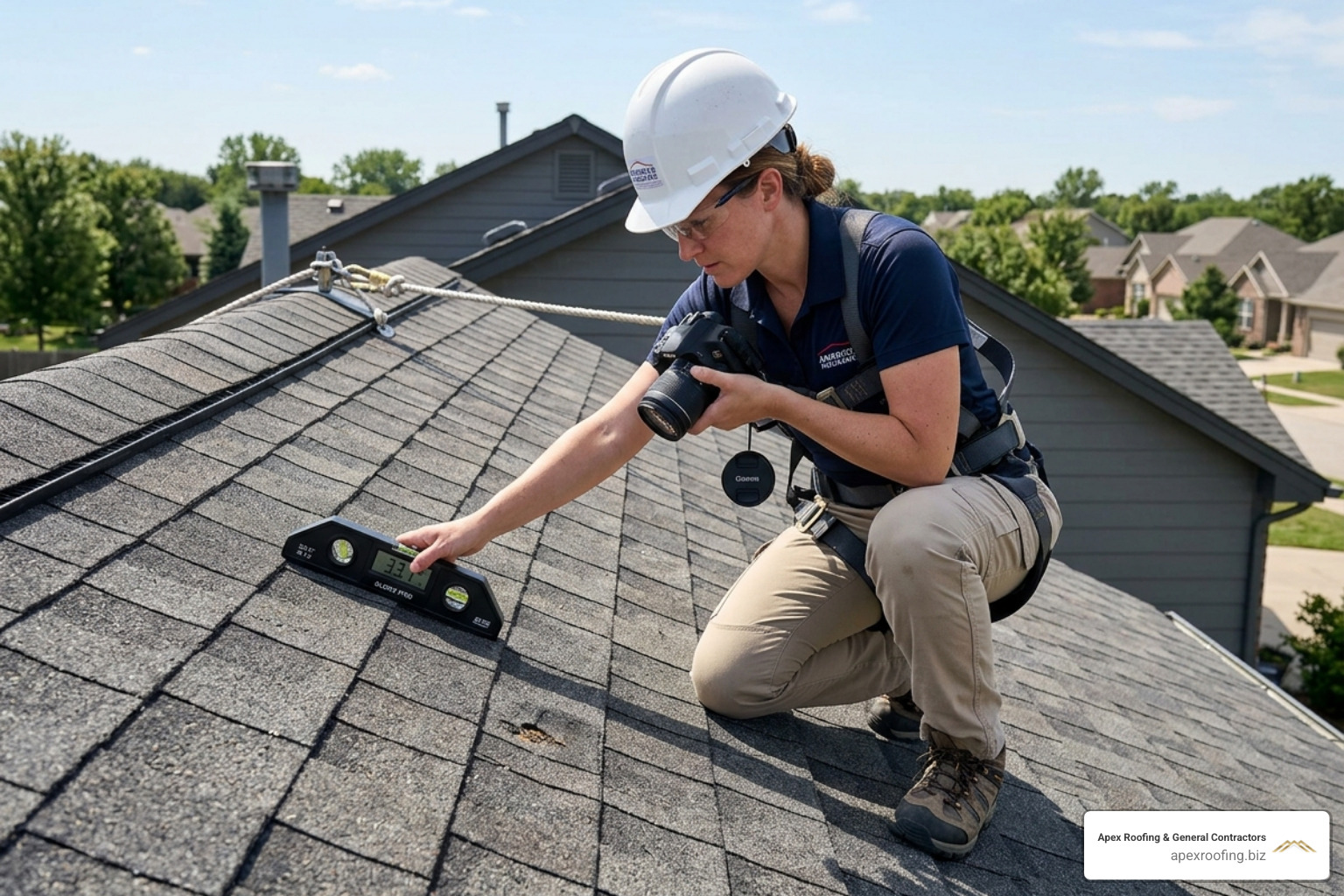
Adjusters specifically look for:
- Shingle Bruising: Dark spots where hail has impacted the fiberglass mat.
- Granule Loss: Areas where the protective granules have been knocked off, exposing the asphalt to UV rays.
- Wind Uplift: Shingles that have had their seal broken by high winds.
- Interior Leaks: They may request attic access to check for water stains on the decking or insulation.
According to LMR Public Insurance Adjusters, providing full attic access can actually streamline the inspection and improve your chances of approval, as it provides undeniable proof of a failing system.
Navigating the Insurance Adjuster Meeting On-Site
During the insurance adjuster meeting, the tone you set is critical. You want to be professional, helpful, and firm.
- Be Punctual: Show up early and have your ladder ready if your contractor isn’t there yet.
- Active Listening: Let the adjuster explain their process, but take detailed notes on everything they say.
- Ask Questions: Instead of telling the adjuster “there is damage here,” try asking, “What do you think of the granule loss on this slope?” This collaborative approach is often more effective than confrontation.
- Point Out Collateral: If the adjuster is focusing only on the shingles, remind them to look at the soft metal vents or the fence damage you documented earlier.
Professional support during these meetings, as noted by Forensic Damage Inspectors, enhances the documentation and presentation of your claim, ensuring no detail is missed.
Strategies to Counter “Delay, Deny, Underpay” Tactics
It is a hard truth of the industry: insurance companies are multi-billion dollar entities that often use a “Delay, Deny, Underpay” playbook to protect their profits. They may offer a settlement that covers only a partial repair or “spot replacement” when a full replacement is required by local San Antonio building codes.
Statistics show that public adjusters can boost recoveries by an average of 574% on disputed commercial claims. While residential claims may not always see a 7x increase, the principle remains the same: professional advocacy works. In one notable case, a family’s settlement jumped from $50,000 to $350,000 after an expert conducted a forensic investigation that revealed hidden structural damage the company adjuster ignored.
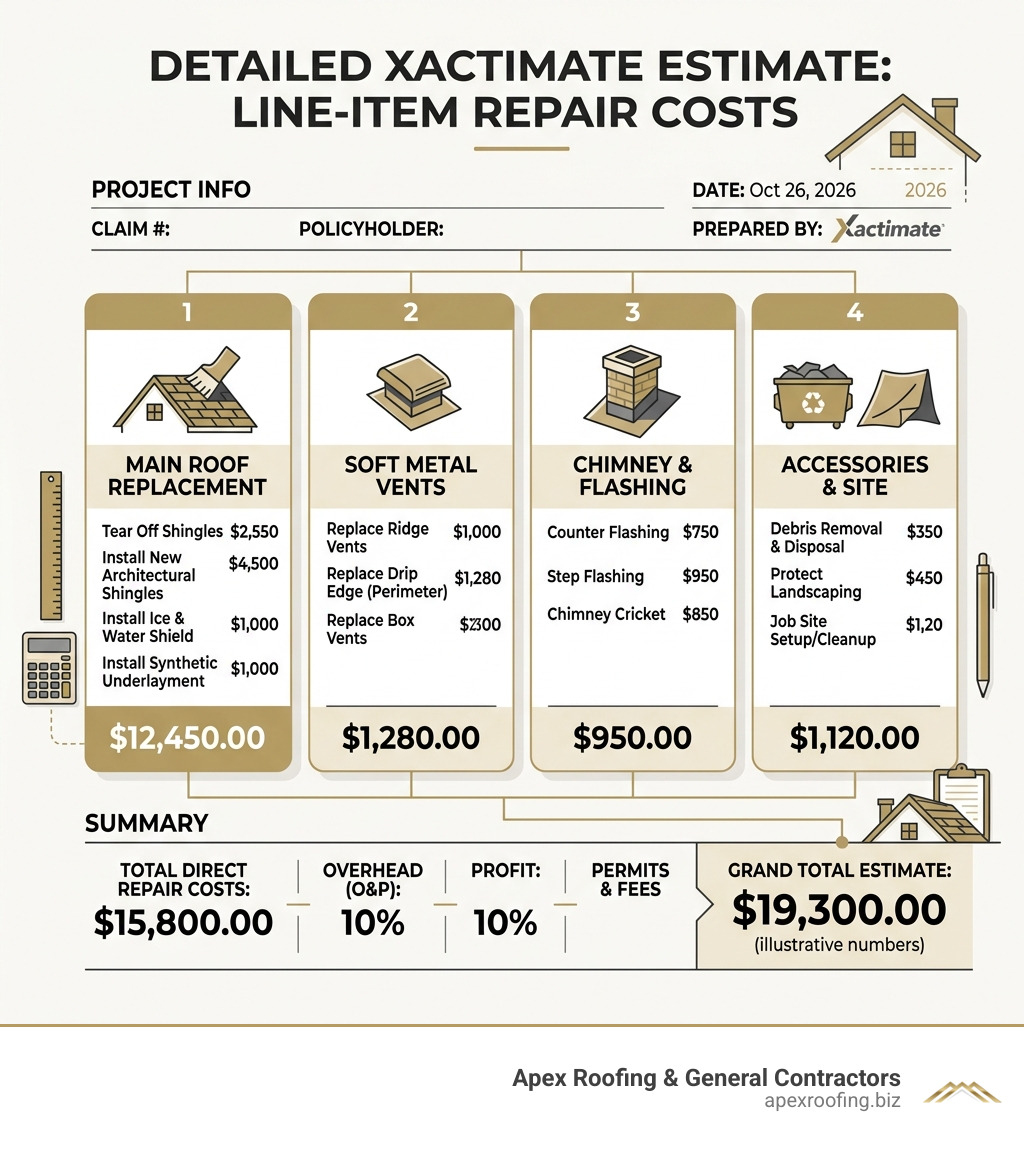
When to Hire a Public Adjuster or Roofing Professional
You should consider bringing in an expert advocate if:
- The adjuster denies the claim despite clear evidence of damage.
- The settlement offer is significantly lower than your roof replacement estimates.
- The claim involves complex structural issues or multiple “covered perils.”
A roofing professional is essential because we understand local building codes. In San Antonio, certain codes require a full roof replacement if more than a certain percentage of the roof is damaged. An adjuster might “overlook” these requirements to save the company money, but we ensure those code upgrades are included in your settlement.
Handling Denials and the Appraisal Clause
If you receive a denial letter after your insurance adjuster meeting, don’t panic. It is not the end of the road; it is often just the beginning of the negotiation.
First, review the denial letter carefully. Does it cite “wear and tear” or “lack of maintenance”? If you have your pre-inspection report and maintenance records, you can contest these findings. If negotiations stall, you have three main paths:
- The Appraisal Clause: Most Texas policies include an appraisal clause. This allows you and the insurance company to each hire an independent appraiser. These two appraisers then choose an “umpire.” This process is designed to resolve disputes over the value of the loss without going to court.
- DOI Complaint: You can file a formal complaint with the Texas Department of Insurance. While they cannot force a company to pay, they can investigate if the insurer is following state laws and policy language.
- Bad Faith Litigation: If an insurer is intentionally twisting policy language or delaying payments without cause, you may need to consult a lawyer.
For a deeper look at your rights, check out The Ultimate Playbook For Your Roof Insurance Claim.
Frequently Asked Questions about Adjuster Meetings
What should I do if the adjuster misses damage?
If you notice the adjuster skipped a section of the roof or ignored interior water stains, politely point it out during the meeting. If you realize it after they leave, immediately send a follow-up email. Include photos of the missed area and your contractor’s notes. This creates a written record that the damage was reported.
How long after the insurance adjuster meeting will I get a check?
In San Antonio, you can typically expect a summary report and an initial check within 7 to 14 days. However, if the claim is large or complex, it may take several weeks. The first check is often the “Actual Cash Value” (ACV). The remaining “depreciation” is usually released only after the work is completed and an invoice is submitted.
Can I have my contractor present during the meeting?
Yes, and you absolutely should. Having an expert from Apex Roofing & General Contractors present ensures the adjuster follows industry standards like NRCA (National Roofing Contractors Association) or Haag principles. We speak the same technical language as the adjuster, which helps prevent them from “lowballing” the scope of work.
Conclusion
Preparing for an insurance adjuster meeting is the most critical step in the restoration process. You aren’t just showing someone your roof; you are advocating for the financial protection of your biggest asset. By gathering your documentation, understanding your policy limits, and having a professional advocate by your side, you can ensure your home is restored to its pre-storm condition.
For homeowners in San Antonio, Apex Roofing & General Contractors provides the expert inspections and on-site support needed to navigate these meetings with confidence. We know the local codes, we know the storm patterns, and we know how to ensure your insurer treats you fairly. Don’t leave your home’s future to a rushed 20-minute inspection.
Need expert help with your storm damage claim? Contact us for free estimates and call (726) 727-7663 to schedule your free inspection today.