Climate Factors and Common Causes of Metal Roof Damage in Bexar County
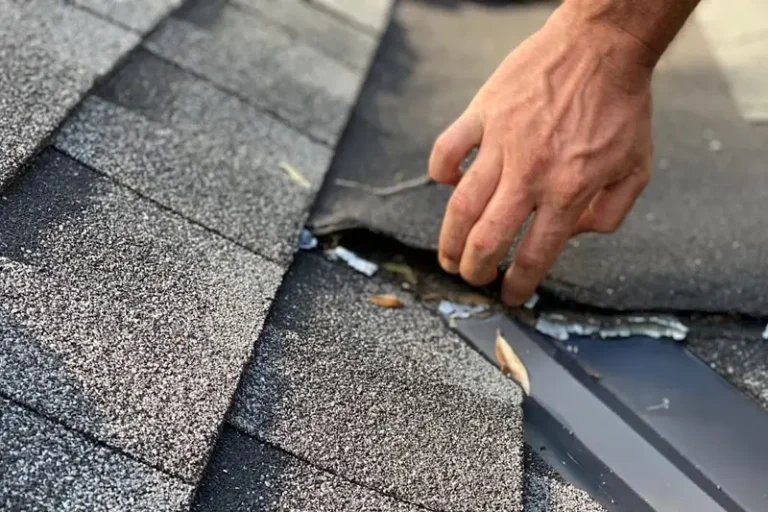
South Texas weather presents extreme challenges for residential and commercial roofing systems across Bexar County. While metal roofs are exceptionally durable, the climate in San Antonio, Boerne, New Braunfels, Bulverde, and Alamo Heights exposes panels to severe thermal stress, intense ultraviolet radiation, destructive spring storms, and fast temperature swings that reveal small vulnerabilities quickly. For homeowners and facility managers comparing long-term maintenance options, metal roof repair Bexar County concerns often begin with subtle signs such as staining near penetrations, loose fasteners, lifted flashing, or water marks after wind-driven rain. Early professional evaluation helps separate cosmetic storm marks from functional damage before leaks spread into decking or framing. Partnering with professional San Antonio roofing contractors ensures your property stays protected against local weather demands. Understanding these environmental drivers helps property owners address small vulnerabilities before they turn into major structural leaks.
In addition to atmospheric conditions, Bexar County’s expansive clay soils undergo dramatic swell-shrink cycles between severe droughts and heavy rains. This ground movement causes subtle foundation shifts and structural framing torque, which puts added stress on rigid metal panel seams, flashing transitions, and fastener attachments over time.
Hail and Wind Damage Concerns for Metal Roof Repair Bexar County
Hail damage in South Texas presents a dual threat: cosmetic denting and functional failure. Most quality residential metal roofs carry a Class 4 impact resistance rating under UL 2218 testing, meaning the metal panels resist cracking or puncturing under severe impact. However, massive hail events – such as the historic 2016 storm in Bexar County that generated over $1.4 billion in total property damage – can dent panels severely, compromising seam integrity, backed-out fasteners, or protective paint coatings.
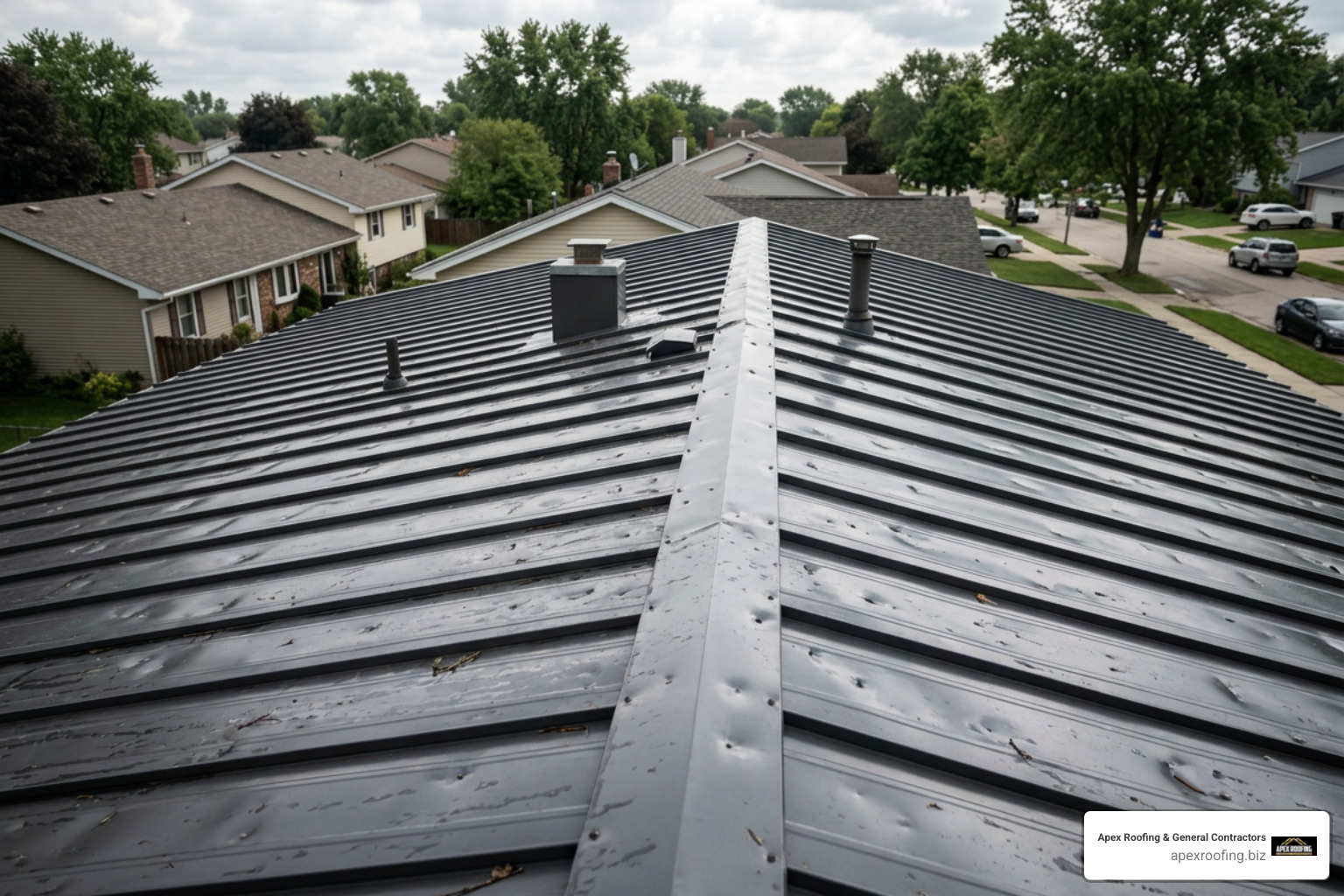
High winds during severe thunderstorms or coastal storm systems moving inland also strain metal panels. Severe gusts generate high uplift forces along roof edges, eaves, and ridges. If panel clip systems or exposed fasteners become loose over time, wind forces can tear seams open or lift panels completely. For details on how wind affects structural metal assemblies, review our guide on metal roof wind damage resilience.
Heat and Thermal Expansion Impacts on Metal Roofing
Summer surface temperatures on dark roofing materials in Bexar County regularly exceed 160°F. When ambient temperatures drop during summer night storms, metal roofs undergo rapid thermal contraction. This daily cycle of thermal expansion and contraction puts continuous physical stress on metal panels, flashing connections, and fastening systems.
Over time, this movement causes thermal stress and fastener fatigue:
- Fastener Back-Out: Screw holes widen, and rubber neoprene washers degrade, crack, or pull away, leaving open paths for rainwater.
- Seam Separation: Thermal movement pulls sealant out of standing seam joints or overlaps.
- Flashing Separation: Metal trim around chimneys, vent pipes, and wall transitions pulls away from masonry or siding.
Reflective light-colored panels help mitigate this heat transfer. A reflective standing seam system can keep attic spaces 20 to 30°F cooler compared to traditional dark asphalt shingles, lowering residential air conditioning demands by 10 to 25 percent during peak South Texas summers.
Metal Roof Repair vs. Replacement: Key Signs and Cost Comparison
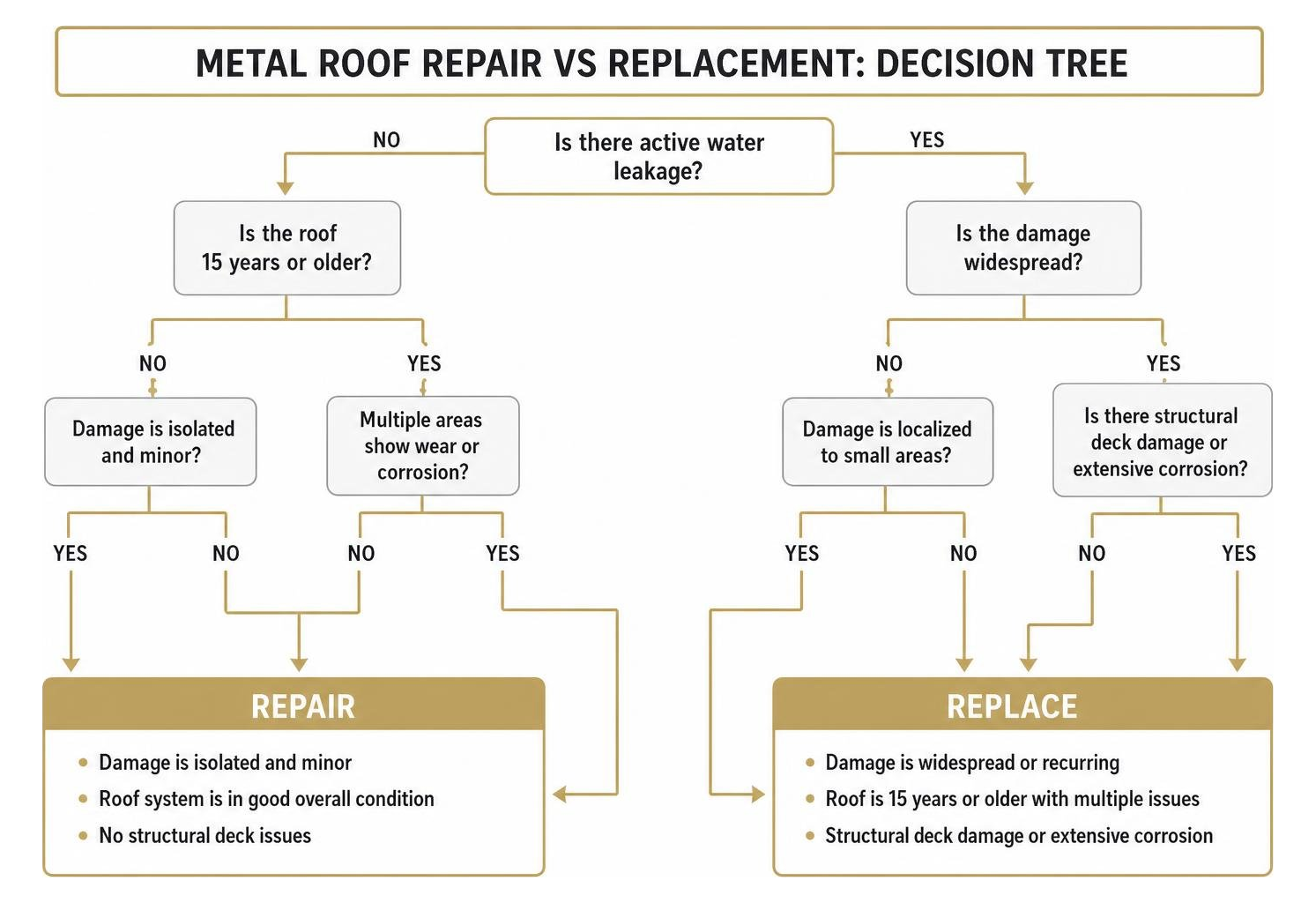
Choosing between isolated panel repair and complete roof replacement depends on structural deck integrity, overall system age, panel corrosion levels, and the total extent of water intrusion. Minor leaks around pipe boots or localized hail impact can often be resolved with targeted repairs. Conversely, widespread sub-framing rot or rusted corrugated sheets may dictate a complete structural overhaul.
| Factor | Metal Roof Repair | Asphalt Shingle Repair |
|---|---|---|
| Average Service Life | 40 to 70 years | 15 to 20 years |
| Typical Cost Range | $300 – $1,500 (localized) | $150 – $750 (localized) |
| Full System Replacement | $18,000 – $32,000 (2,000 sq ft) | $8,000 – $14,000 (2,000 sq ft) |
| Common Repair Points | Screws, rubber washers, flashing, open seams | Blistered, cracked, missing, or curled shingles |
| Labor Complexity | High (requires specialized sheet metal tools) | Moderate (standard roofing tools) |
| Insurance Impact Discount | Up to 15% – 35% for Class 4 rated systems | Minimal standard discounts |
Identifying When to Patch or Request Full Metal Roof Repair Bexar County
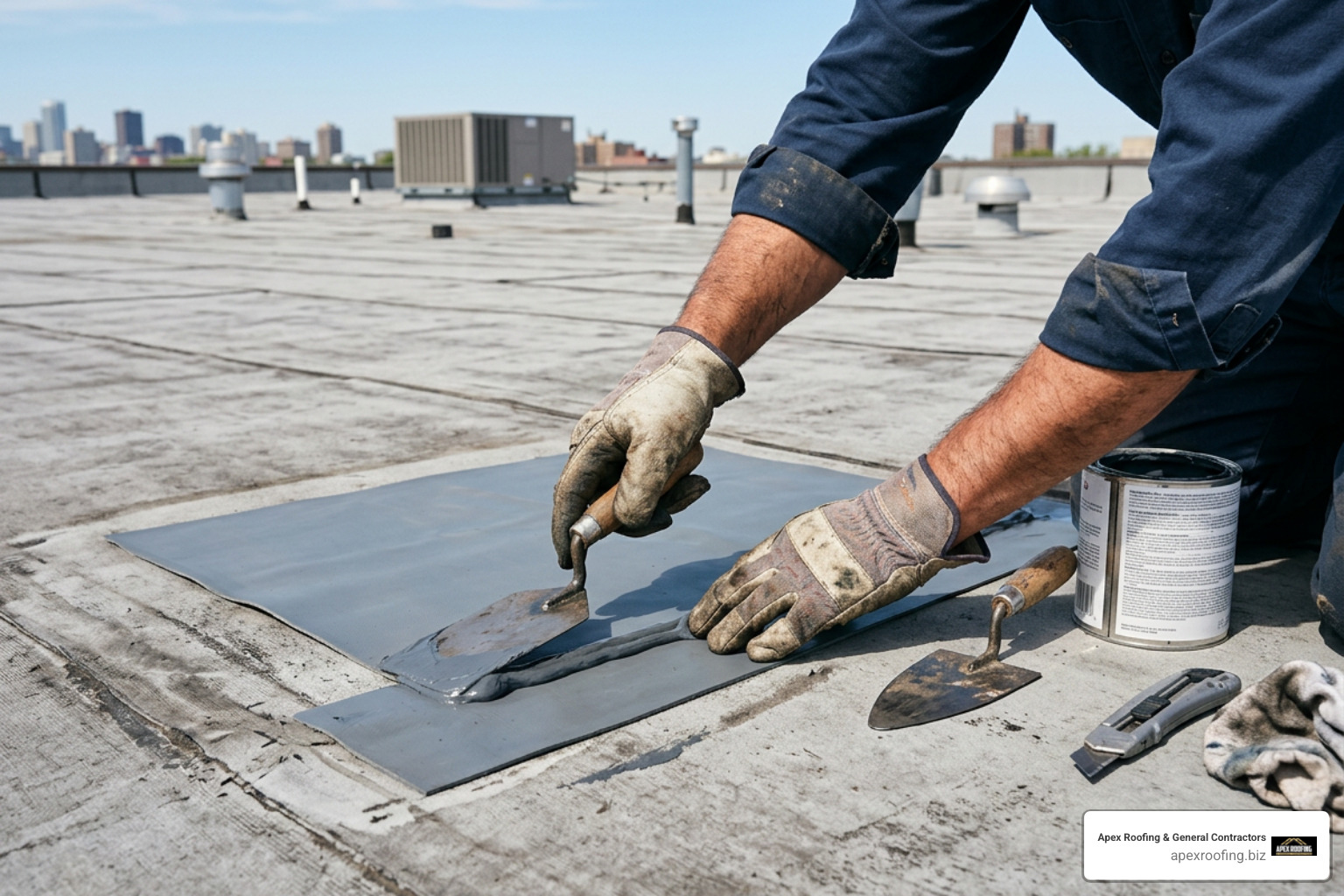
Determining the right scope of work starts with assessing visible failure points on your roof. When leaks are isolated to specific hardware components or small penetrations, targeted repairs restore complete weather-tightness without requiring structural tear-offs.
Common signs that your roof requires professional repair include:
- Dried out, cracked, or missing sealant along roof ridges, sidewalls, and valleys.
- Gaps forming along standing seam snap-locks or mechanically folded seams.
- Backed-out screws or missing neoprene sealing washers across corrugated panels.
- Water infiltration around vent pipes, skylights, or chimney flashing.
If you suspect minor localized panel damage, learn more about professional repair techniques by exploring our overview on how to repair metal roof leaks or reading our guide to adding a specialized metal roof patch.
Metal Roof Repair vs. Asphalt Shingle Repair Options
Metal roofing systems differ significantly from standard asphalt shingle assemblies. Shingles rely on overlapping asphalt granules that can be popped loose and replaced individually with simple hand tools. Metal systems rely either on interlocking standing seam panels with concealed clip fasteners or overlapping corrugated metal sheets held down by exposed structural screws.
Repairing standing seam metal roofs requires precise technical knowledge: panels interlock sequentially, meaning replacing a single damaged mid-roof panel often involves carefully disengaging entire seam sections without bending surrounding steel. Exposed fastener corrugated roofs are simpler to service, but they require systematic replacement of aging screws across the whole panel field as neoprene washers degrade under UV exposure. Homeowners interested in transitioning from asphalt materials to durable steel can read our guide on replacing asphalt shingles with a metal roof.
Navigating Insurance Claims, Grants, and Metal Roof Repair Bexar County
Filing an insurance claim for storm damage or applying for local municipal assistance requires a solid understanding of Texas insurance standards and city program guidelines.
Filing Storm Damage Claims with Texas Insurance Companies
Following severe spring hail or high-wind storm events in Bexar County, out-of-state “storm-chasing” door knockers often flood local neighborhoods. Homeowners should work with established, local roofing contractors who understand Texas insurance claim procedures and local municipal permitting requirements.
Steps for navigating a storm damage insurance claim:
- Request a Professional Inspection: Have an experienced local metal roofer perform a comprehensive roof inspection to document functional damage vs. cosmetic surface denting.
- Review Policy Details: Check whether your policy includes a cosmetic wave or dent exclusion clause for metal roofing. Functional damage (dents that crack seams, open punctures, or destroy protective galvanization) is typically covered, whereas minor surface denting may be excluded depending on your policy tier.
- File the Claim: Submit your contractor’s photo documentation and detailed scope of work directly to your Texas insurance provider.
- Coordinate with the Adjuster: Ensure your professional roofing representative is present during the insurance adjuster’s site visit to verify all structural panel stresses and hidden damage points.
San Antonio Under 1 Roof Program Guidelines and Eligibility
The City of San Antonio offers the Under 1 Roof program, managed by the Neighborhood & Housing Services Department. This municipal initiative assists income-eligible homeowners in high-heat urban neighborhoods by replacing damaged or failing roofs with energy-efficient “cool roofs.”
Key facts and guidelines for the Under 1 Roof program:
- Metal Roof Inclusion: Homes with existing metal roofs are eligible to apply for the program. However, the program does not repair or replace metal roofs with new metal panels. Instead, it funds a complete roof replacement using white 3-tab asphalt shingles (Shasta White) combined with reflective radiant barrier underlayments.
- Grant Limits: The program provides a one-time grant capped at $19,000 per household.
- Income Qualifications: Applicants must have a total household income at or below 80% of the Area Median Income (AMI).
- Property Requirements: Applicants must hold single-family home ownership, maintain a valid Homestead Exemption, be current on property taxes (or have an active tax deferral under $5,000), and possess a clear title.
- Exclusions: Roofs requiring major structural timber repair or homes needing full rehab do not qualify. A 5-year property residency agreement is required following installation.
- How to Apply: Interested Bexar County residents can verify neighborhood target zones and schedule an application appointment by calling 210-207-6459.
Hiring a Local Contractor and Exploring Local Financial Incentives
Selecting a qualified local roofing professional protects your property investment and ensures long-term warranty coverage.

Choosing a Qualified Contractor for Metal Roof Restoration
Metal roofing requires specialized craftsmanship, custom sheet metal fabrication, and precise installation protocols. Hiring a general handyman or out-of-town contractor who lacks specific metal roofing experience can lead to panel distortion, structural leaks, and voided manufacturer warranties.
When vetting local contractors, verify:
- Physical Local Presence: Ensure the contractor operates a permanent office within San Antonio, Boerne, New Braunfels, Bulverde, or Alamo Heights.
- Insurance and Licensing: Confirm active general liability coverage and complete workers’ compensation insurance.
- Certifications: Look for manufacturer-certified installers who can provide factory-backed material warranties alongside comprehensive labor guarantees.
- Local References: Review local project portfolios and check independent reviews on platforms like Yelp’s top roofing directory for the area.
For an exhaustive guide on contractor vetting, review our guide to finding the best metal roof company in San Antonio.
Tax Incentives and Energy Discounts for Bexar County Homeowners
Investing in metal roof repairs or cool-roof metal restorations yields continuous financial paybacks:
- Insurance Discounts: Most Texas insurance providers offer annual premium discounts between 15% and 35% for roofs rated Class 4 impact resistant.
- Energy Cost Reduction: Reflective factory coatings reflect solar radiation, cutting summer cooling expenses by 10% to 25%.
- Federal Tax Credits: Qualifying ENERGY STAR® rated metal roofing systems with pigmented reflective coatings may qualify for federal energy efficiency tax credits under current tax code provisions.
Frequently Asked Questions About Metal Roof Repair
How much does metal roof repair cost in San Antonio and Bexar County?
Minor metal roof repairs in Bexar County—such as resealing flashings, replacing isolated rubber washers, or patching a small penetration—typically range from $300 to $1,500. Major storm repairs involving extensive panel disengagement, custom trim fabrication, or structural decking repairs can run higher. Full system replacements for a standard 2,000-square-foot home generally fall between $18,000 and $32,000 depending on whether you choose corrugated galvalume or architectural standing seam panels.
Does the San Antonio Under 1 Roof program repair existing metal roofs?
No. While homeowners with existing metal roofs can apply for the Under 1 Roof program if they meet income (80% AMI or below) and location criteria, the program does not repair metal panels or install new metal roofs. Qualified grant recipients receive a fully funded replacement using high-reflectivity Shasta White 3-tab asphalt shingles.
Can a metal roof with hail dents be repaired without full panel replacement?
Yes. If hail causes cosmetic denting without splitting seams, cracking protective paint coatings, or puncturing the steel, the roof’s structural integrity remains sound. In cases where individual panels suffer isolated functional damage, skilled metal roofers can often replace specific panels or custom flashings without tearing off the entire roof assembly.
Conclusion and Expert Roof Assistance
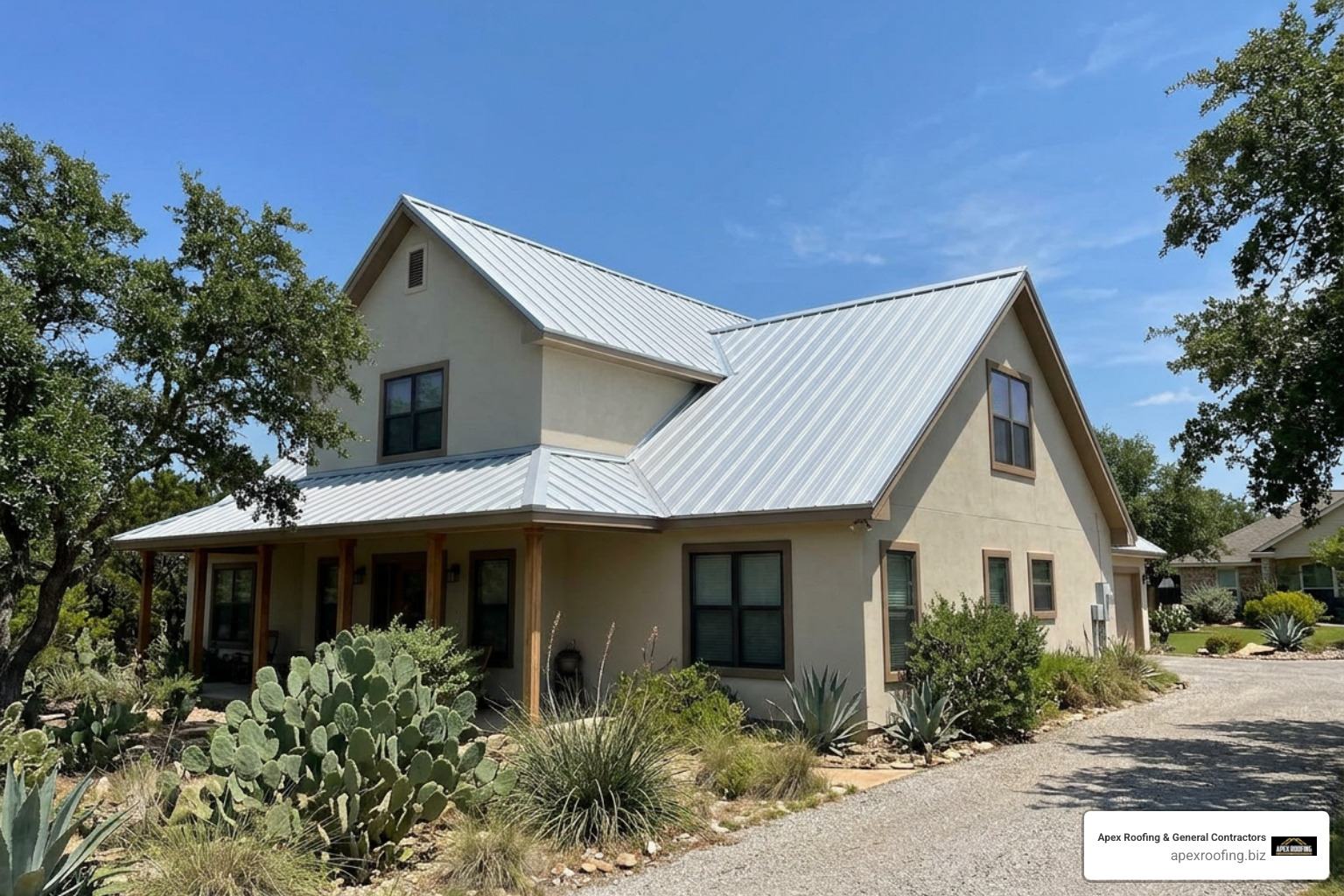
A metal roof is one of the most durable investments you can make for a home in Bexar County. However, extreme South Texas heat, heavy spring hail, and high winds mean even top-tier metal systems require periodic professional attention. Inspecting your roof regularly, securing loose fasteners, and resealing aged flashings early prevents costly structural water damage down the road.
When you need certified, reliable service backed by transparent communication and full compliance with local building codes, our team is ready to assist. Contact us today for free estimates or call (726) 727-7663 for a free inspection. Explore our professional roof repair solutions to protect your property today.