Average Roofing Maintenance Cost San Antonio Homeowners Pay
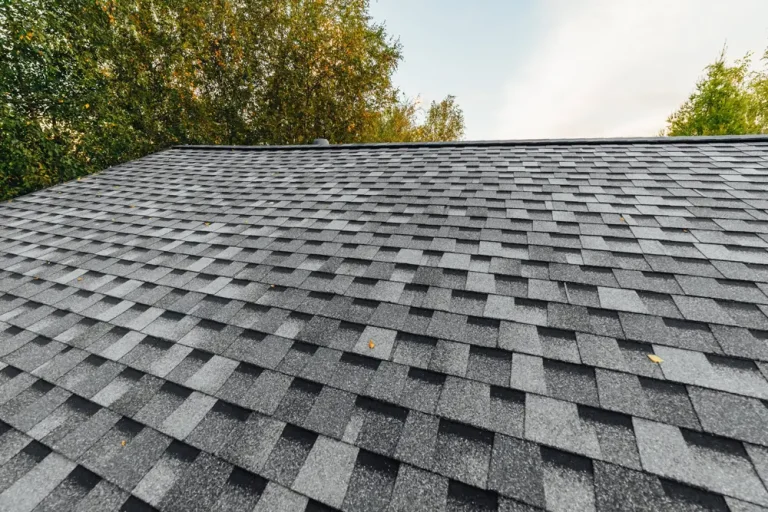
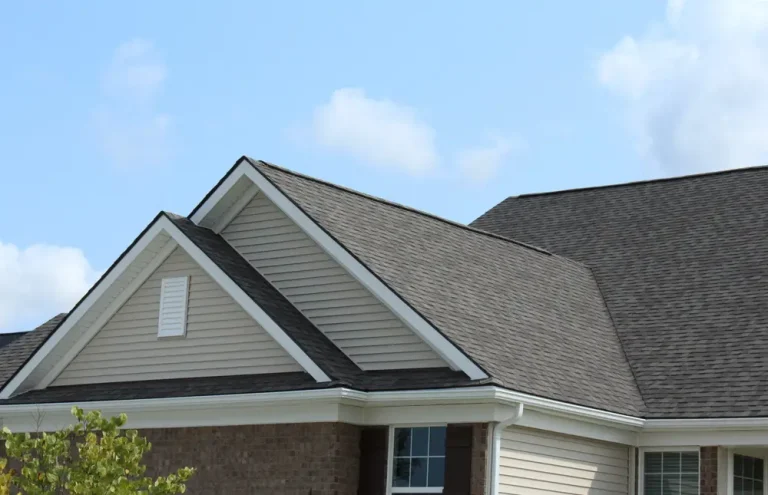
Most San Antonio homeowners pay $150 to $400 per year for routine roof upkeep, making the typical roofing maintenance cost San Antonio property owners should budget for far lower than the cost of emergency leak repairs or premature replacement. Working with trusted San Antonio roofing contractors helps ensure this service includes a thorough visual evaluation, debris removal from valleys, loose flashing repair, and high-grade elastomeric sealant around vulnerable points like pipe boots and chimney penetrations.
When you weigh routine maintenance against larger expenses, the financial advantage becomes clear. According to recent pricing data from CostWhale, the average cost of an isolated roof repair in San Antonio sits at $660, with complex repairs reaching up to $1,320. Meanwhile, a complete tear-off and replacement averages over $11,000 for a standard mid-size home.
| Service Type | Scope of Work | Average San Antonio Cost (2026) |
|---|---|---|
| Routine Annual Maintenance | Visual check, pipe boot resealing, minor debris clearing | $150 – $400 |
| Professional Inspection | Comprehensive physical/drone audit with photo report | $150 – $300 |
| Average Roof Repair | Isolated leak fix, shingle patch, flashing repair | $660 ($264 – $1,320 range) |
| Full Roof Replacement | Complete tear-off and installation (2,050 sq ft) | $11,048 – $14,947 |
Cost Breakdown: Preventative Maintenance vs. Repairs and Replacement
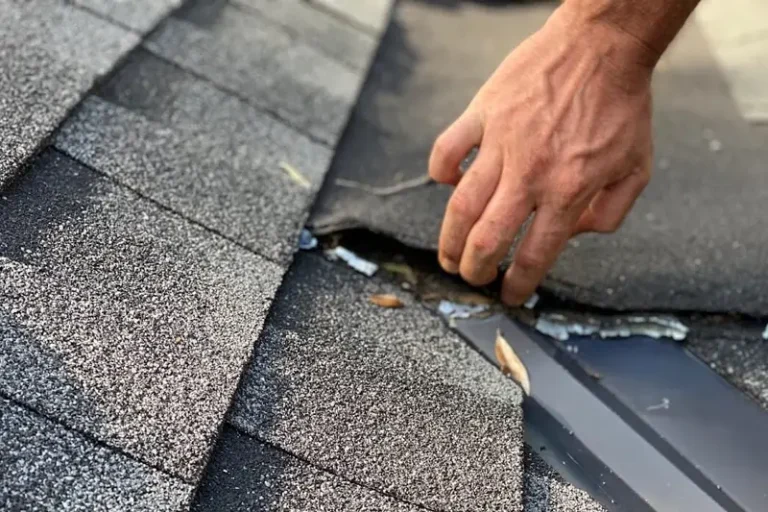
Skipping routine service allows minor issues—like degraded neoprene boot seals or hairline flashing gaps—to expand under Texas weather. A $150 tune-up replacing a deteriorated pipe boot prevents active ceiling leaks that cost upwards of $1,000 in dry-wall and structural repairs.
The financial pressure of delaying care has increased significantly in recent years. Roof repair prices in San Antonio have risen +17.6% over the last 5 years, jumping from $561 in 2022 to $660 in 2026. Because material costs and emergency call-out rates continue to rise, proactive maintenance provides a predictable, low-cost shield against inflation. Understanding the wider context of the average roof replacement cost makes investing a few hundred dollars annually in preventative care a clear financial win.
Primary Drivers of Roofing Maintenance Cost San Antonio Properties Face
Several key variables dictate where your property falls on the maintenance pricing spectrum:
- Roof Pitch and Height: Multi-story homes or steep-slope roofs require specialized safety rigging and harness gear, increasing labor time.
- Roofing Material Type: Standard 3-tab and architectural asphalt shingles cost less to maintain and seal than heavy concrete tile, slate, or standing seam metal systems.
- Local Labor Rates: Roofing labor in the San Antonio metro area averages around $62 per hour, aligning closely with national averages while keeping general maintenance accessible.
- Roof Age and Condition: Older roofs (12+ years) require more extensive touch-ups, fastener checks, and seal updates during routine visits.
- Architectural Complexity: Dormers, skylights, complex valleys, and high chimney counts increase the number of seal points requiring inspection.
Booking periodic professional roof inspections allows technicians to address these high-risk areas before major leaks develop.
San Antonio Climate Impact on Roof Maintenance and Material Expenses
San Antonio’s unique geographical position exposes residential roofing to aggressive environmental wear. With over 220 sunny days annually, roofs face intense thermal loads. High ambient temperatures cause roofing materials to expand during the afternoon and contract at night. This thermal cycling loosens fasteners and breaks sealant bonds around pipe penetrations long before asphalt shingles reach their manufactured lifespan limit.
Key Climate Factors Influencing Your Roofing Maintenance Cost San Antonio Budget
To maximize your roof’s lifespan, tune-ups must address specific climate pressures:
- UV Degradation: Ultraviolet radiation breaks down the asphalt binder in shingles, causing top granules to loosen. Standard shingles often degrade 15–20% faster in South Texas than in cooler climates unless cool roof or UV-rated materials are used.
- Temperature Thresholds for Repairs: Shingle adhesives fail to cure properly when applied in ambient temperatures exceeding 95°F. Consequently, major sealing and shingle work should be handled outside the intense summer heat.
- Microclimate Humidity: Neighborhoods on the south side near Brooks City Base experience higher ambient humidity, encouraging algae growth (Gloeocapsa magma). These homes benefit from periodic non-abrasive cleaning and algae-resistant granule checks, as discussed in our San Antonio roof maintenance tips.
Historic Homes vs. Modern Suburban Roof Maintenance Requirements
Roof maintenance varies significantly across San Antonio’s architectural landscape. Historic districts such as King William and Monte Vista feature strict preservation codes enforced by the Historic and Design Review Commission (HDRC).
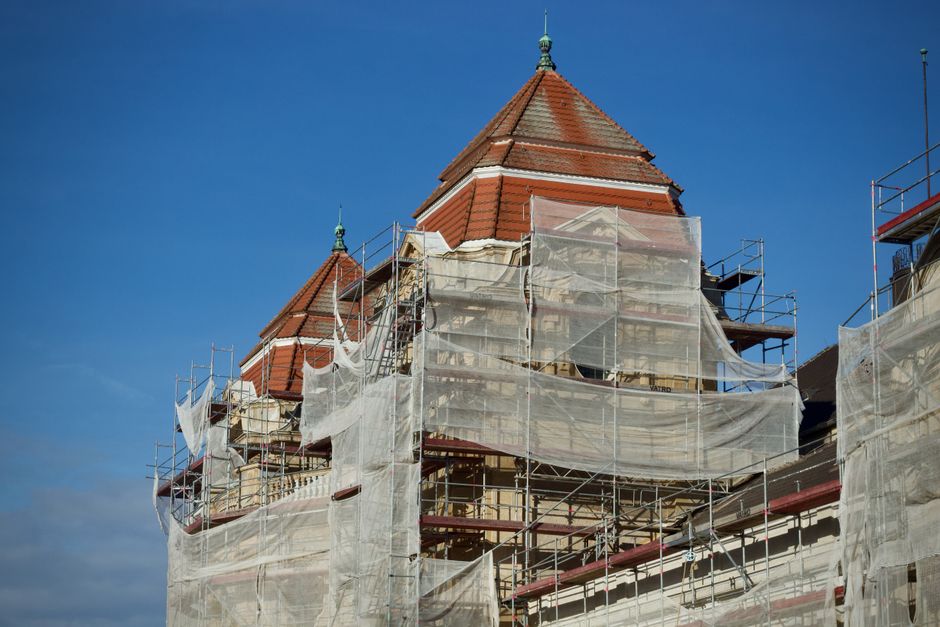
Maintaining a historic slate, clay tile, or standing seam metal roof requires specialized craftsmanship. Custom repairs or historically accurate material matching can double or triple routine upkeep expenses compared to a suburban master-planned community. Homeowners in established areas like Alamo Heights or Shavano Park frequently maintain custom architectural tile or high-grade metal, requiring contractors experienced in historic detailing and careful foot-traffic protocols.
Conversely, modern homes in suburban developments like Stone Oak or Helotes predominantly feature steep-slope architectural shingles. Maintenance on these homes focuses on high UV exposure, storm ridge checks, and attic ventilation performance.
Essential San Antonio Roof Maintenance Schedule and Best Practices
A solid preventative schedule balances seasonal timing with home systems upkeep. We recommend a bi-annual maintenance routine: one check in early spring to prepare for storm season, and one in late fall to evaluate heat impact and prepare for occasional winter freezes.

Essential routine tasks include:
- Clearing Debris: Removing leaves, oak catkins, and branches from valleys and gutter channels to prevent water back-up.
- Checking Pipe Boots and Penetrations: Replacing cracked rubber boots or applying fresh elastomeric flashing sealant.
- Evaluating Attic Ventilation: Upgrading or maintaining ridge vents ($400–$600 average addition) to drop attic temperatures by up to 30°F, protecting shingle decking from baking from underneath.
- Securing Loose Fasteners: Refastening loose trim, metal flashing, or exposed shingle nails.
Seasonal Timing and Optimal Months for Roof Maintenance
Timing your service correctly keeps costs manageable and yields better results. The ideal window for roof work in San Antonio spans from October through November and March through April.
Spring and fall offer moderate temperatures (below 95°F), allowing asphalt adhesives and silicone sealants to cure reliably. Contractor availability is also higher than during peak summer heat or directly following major spring hail storms. Homeowners can use a San Antonio Roof Replacement Cost Calculator to compare long-term replacement projections against annual preventative care budgets.
Local Rebates, Permits, and CPS Energy Casa Verde Programs
Homeowners looking to reduce maintenance expenses or plan long-term upgrades can take advantage of local energy programs:
- CPS Energy Casa Verde Program: Income-qualified homeowners in San Antonio can access energy efficiency improvements—including cool roof reflective barrier enhancements and insulation upgrades—valued up to $1,500.
- Cool Roof Savings: Energy Star-rated reflective cool roofs can reduce residential cooling energy consumption by 8% to 15% during hot San Antonio summers.
- Permitting Requirements: While minor preventative repairs and routine seal touches do not require city permits, substantial structural repairs or complete re-roofs require a Bexar County permit (typically around $165 to $450). Partnering with a professional team ensures full compliance with local building codes. Explore options through our affordable roofing guide to balance code compliance with long-term savings.
Warning Signs: When Roof Maintenance Is Not Enough
Preventative maintenance is effective for minor wear, but certain visual red flags indicate that a simple tune-up is no longer sufficient.
Watch for these warning signs:
- Widespread Granule Accumulation: Finding heavy layers of dark, sandy shingle granules in your gutters indicates the protective coating has worn off, exposing the underlying fiberglass mat.
- Active Interior Water Staining: Water marks on ceilings or attic rafters signal active water intrusion that requires localized repair or deck replacement.
- Sagging Deck Lines: Curves or dips along the roof ridge or valley lines indicate structural plywood rot from long-term, unaddressed leaks.
- Widespread Storm Damage: San Antonio experiences an average of 2.4 hail days per year. Multiple missing shingles or widespread hail punctures across several roof slopes call for structural restoration or replacement rather than basic sealing. Check our guide on metal roof installation costs if you are considering upgrading to a storm-resistant material.
Frequently Asked Questions About San Antonio Roof Maintenance
How often should I schedule roof maintenance in San Antonio?
We recommend scheduling professional maintenance once or twice a year (ideally in spring and fall). Additionally, schedule a quick visual inspection after severe thunderstorm or hail events to catch isolated impact damage before rain causes interior leaks.
How much does a professional roof inspection cost in Bexar County?
A professional residential roof inspection in Bexar County typically costs between $150 and $300. This covers a hands-on examination of all slopes, flashing, pipe boots, gutters, and attic space ventilation. Many contractors credit this inspection fee toward future repair work if issues are identified. Learn more in our roof inspection guide.
Can CPS Energy rebates help offset roof maintenance or cool roof upgrades?
Yes. Qualifying energy-efficient upgrades—such as installing reflective cool roofing materials or enhancing attic insulation—may qualify for incentives through CPS Energy’s Casa Verde initiative or related energy-efficiency programs, offering up to $1,500 in savings.
Conclusion
Understanding your annual roofing maintenance cost in San Antonio helps you protect both your property and your wallet. By investing $150 to $400 a year in basic preventative care, you protect your home against hot Texas sun, seasonal hailstorms, and sudden leaks—while avoiding premature replacements that cost upwards of $11,000.
At Apex Roofing & General Contractors, we believe in honest pricing, clear communication, and quality workmanship tailored to San Antonio’s unique climate and building codes. Whether you need a simple seasonal inspection, flashing repair, or a full system assessment, our certified team is ready to help.
Protect your investment before the next storm season arrives. Contact us today at (726) 727-7663 for a free inspection and free estimate, or visit our roof repair service page to schedule your professional roof evaluation today!