When Every Minute Counts: What to Do After Storm Damage
Emergency storm repair is the first priority after severe weather because every minute of exposure increases the risk of water intrusion, mold growth, and structural deterioration. As a trusted Texas storm damage roofing contractor, we know that when a roof is breached, water can begin saturating insulation, subflooring, and wall cavities within the first hour. Fast action protects your home’s structure, reduces repair costs, and strengthens your insurance claim. If your property was just hit by hail, wind, or falling debris, follow the steps below immediately to stabilize the damage and prevent secondary loss.
Quick Action Checklist:
- Stay safe – avoid downed power lines, standing water, and structurally compromised areas.
- Document everything – take photos and video of all visible damage before touching anything.
- Stop further water intrusion – place buckets, move valuables, and cover exposed areas if safe to do so.
- Call a licensed professional – Apex Roofing & General Contractors offers 24/7 emergency response in San Antonio and across Texas.
- Contact your insurance company – report the damage and start your claim as soon as possible.
Within 24 to 48 hours of a breach, mold can start growing and structural damage compounds, turning a manageable repair into a costly rebuild. This guide walks you through every step of the process, from the moment the storm clears to the final repair.
I’m Carlos Yzaguirre, President and Managing Partner of Apex Roofing & General Contractors, a San Antonio-based firm with an A+ BBB rating that I co-founded in 2022 with a focus on honest, high-quality emergency storm repair across Texas. I’ve guided hundreds of homeowners through the post-storm recovery process, and everything in this guide reflects what actually works in the field.
Emergency storm repair helpful reading:
Immediate Steps and Safety Precautions

Once the wind stops and the rain subsides, your first instinct might be to rush outside and start fixing things. Hold that thought. Your safety is more important than any shingle. Before you even step foot in your yard, ensure the environment is safe.
Safety First: The Golden Rules
Never enter a room where the ceiling is sagging or where standing water is in contact with electrical outlets. If you suspect structural damage or smell gas, evacuate immediately. We recommend reviewing the CDC’s Hurricane and Storm Preparedness Page for comprehensive safety protocols during weather disasters.
- Utility Shutoff: if you see sparks or smell burning, shut off the main electrical breaker. If there are plumbing leaks, turn off the main water valve.
- Essential Safety Gear: If you must move through the property, wear heavy-duty boots, leather gloves, and a hard hat if there is a risk of falling debris.
Documenting the Damage
Before any cleanup begins, you must create a visual record. This is the single most important step for your insurance claim. Take wide-angle shots of the entire property and close-ups of specific damage points. Use a ruler or a common object (like a coin) to show the scale of hail dents or cracks. Our guide on Post-Storm Roof Inspection provides a detailed walkthrough on how to spot issues without climbing a ladder yourself.
Temporary Stabilization
Your goal is mitigation—preventing a bad situation from getting worse. This might involve placing buckets under active leaks or moving electronics to a dry area. However, do not attempt to climb onto a wet, damaged roof to “tarp it” yourself. Professional emergency storm repair teams have the safety harnesses and specialized equipment to secure your home without risking a life-threatening fall.
Common Types of Storm Damage and Regional Risks
In San Antonio and across Texas, we deal with a unique cocktail of weather threats. Understanding what hit you helps determine the urgency of the repair.
Wind Uplift and Shingle Damage
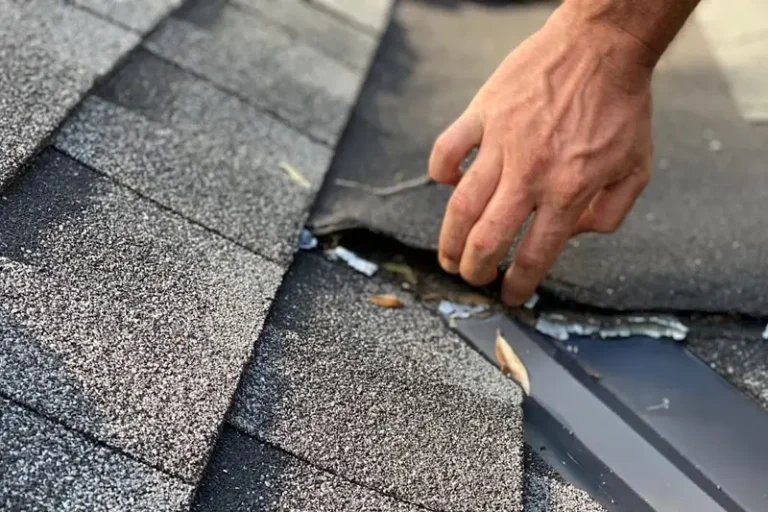
High winds don’t just blow things over; they create pressure differences that lift shingles. This “uplift” can break the sealant strips, leaving your roof vulnerable to the next rainstorm even if the shingles look flat from the ground. If you see shingles in your yard or “chatter” marks on the roof, you have a wind damage emergency.
Hail Impact: The Silent Killer
Hail damage is often invisible to the untrained eye. It knocks the protective granules off your shingles, exposing the asphalt mat to UV rays. Over time, this causes the shingle to become brittle and fail. Knowing what hail size causes roof damage is vital; even pea-sized hail can be destructive if the wind speed is high enough. For local homeowners, Hail Damage Roof Repair San Antonio is a frequent necessity due to our “Hail Alley” location.
Tree Falls and Debris
A fallen limb can puncture your roof deck, snap rafters, and destroy your gutter system. This often requires both a tree removal crew and a structural roofing team to coordinate.
Regional Comparison: Texas vs. The Rest
| Damage Type | Texas (Gulf/Central) | Midwest/North |
|---|---|---|
| Primary Risk | Hurricanes & High-Velocity Hail | Tornadoes & Ice Dams |
| Secondary Risk | Flash Flooding | Heavy Snow Loads |
| Material Concern | UV Degradation & Heat | Freeze-Thaw Cracking |
Why 24/7 Emergency Storm Repair is Critical
When it comes to emergency storm repair, delay is the enemy of your wallet. Most insurance policies actually require you to take immediate action to mitigate damage. If you wait three days to call a professional and the water damage gets worse, the insurance company might deny the additional costs.
The 24-48 Hour Window
This is the “Golden Window” for restoration. Within 48 hours, standing water and high humidity create the perfect breeding ground for mold growth. Once mold takes hold in your insulation or drywall, the cost of repair can triple.
Structural Warping and Infiltration
Water is heavy. When your attic insulation soaks up water, it adds thousands of pounds of weight to your ceiling joists. This can lead to structural warping or even a total ceiling collapse. Our Emergency Roofing San Antonio service focuses on rapid tarping and board-ups to stop this cycle of destruction before it starts.
Cost Escalation
A simple roof patch might cost a few hundred dollars. If you wait and that leak destroys your hardwood floors and requires mold remediation, you’re looking at tens of thousands. Rapid response isn’t just about convenience—it’s about financial survival.
The Professional Restoration and Recovery Process
When we arrive for an emergency storm repair call, we follow a rigorous, multi-step process to ensure your home is stabilized and eventually restored to better-than-new condition.
- Safety Assessment: We check for electrical hazards and structural stability before entering.
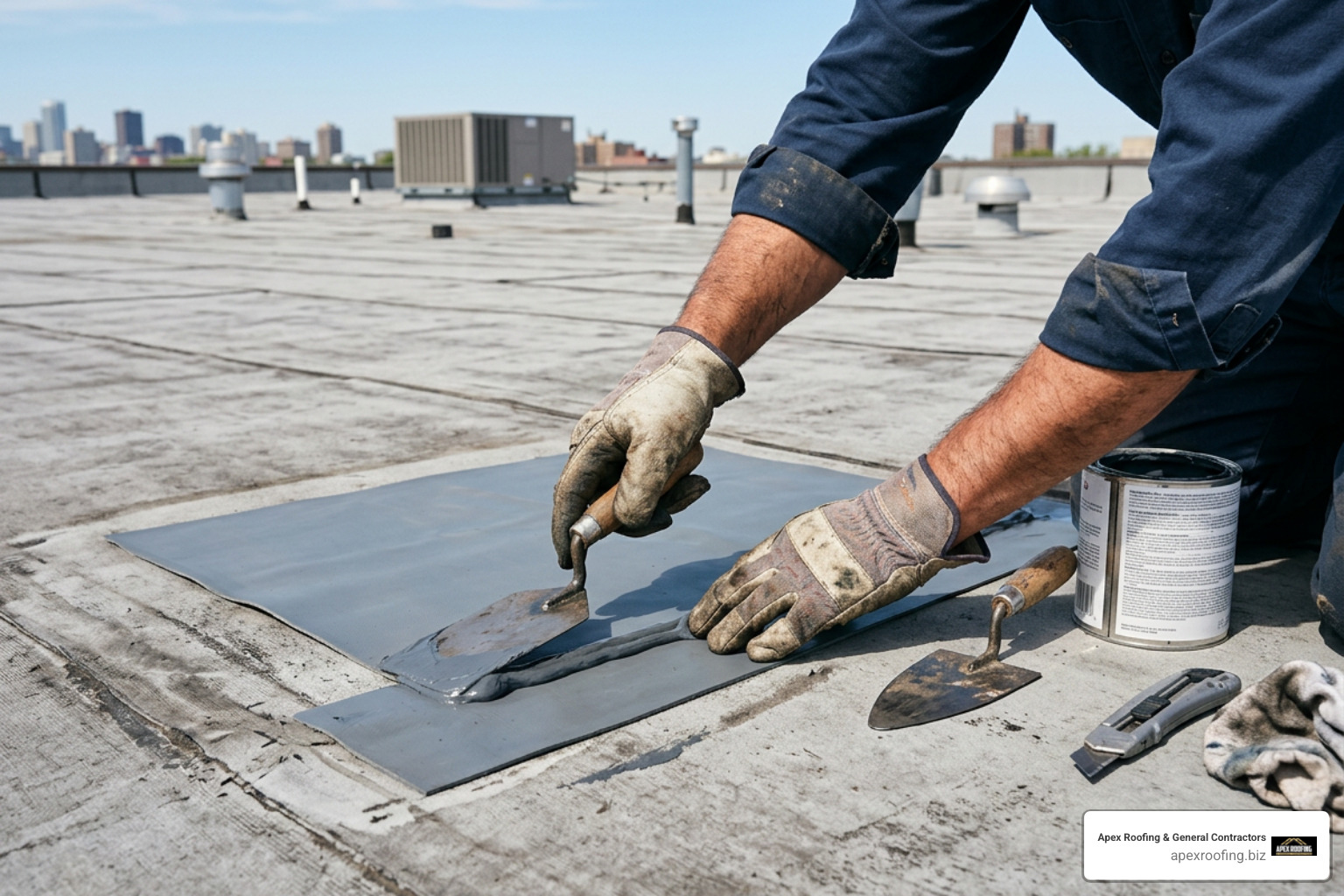
- Mitigation (Tarping/Board-up): We immediately cover any holes in the roof or broken windows to stop the weather from getting in.
- Water Extraction: If water has entered the home, we use industrial-grade pumps and vacuums to remove it.
- Structural Drying: We deploy high-velocity air movers and dehumidifiers to pull moisture out of the framing.
- Damage Assessment: Once dry, we perform a deep-dive inspection to find hidden issues like Emergency Roof Leak Fix needs.
Advanced Techniques in Storm Repair
We don’t just use our eyes; we use science.
- Thermal Imaging: We use thermal imaging technology to find moisture pockets hidden behind your walls that would otherwise be missed.
- HEPA Filtration: To protect your family’s health, we use HEPA filtration systems during the cleanup process to scrub the air of dust and potential mold spores.
- Emergency Leak Detection: Sometimes a leak isn’t where you think it is. Our Emergency Leak Detection process tracks water travel from the roof down to the foundation.
Navigating Insurance and Contractor Selection
The insurance process can be more stressful than the storm itself. Our job is to bridge that gap. A reputable contractor should act as your advocate, providing the documentation your adjuster needs to approve the claim.
Documentation Requirements
Insurance adjusters love data. We provide:
- High-resolution photo evidence of the damage.
- Detailed estimates using industry-standard software.
- Moisture readings and thermal maps.
- A Hail Damage Roof Claim Complete Guide to help you understand your policy’s fine print.
Choosing an Emergency Storm Repair Contractor
In the wake of a big storm, “storm chasers” often flood the area. These are out-of-state contractors who do quick, sub-par work and disappear before the warranty expires.
- Licensing: Always verify their Texas licensing and insurance.
- Local Expertise: Look for roofers near me in San Antonio who have a physical office and a long-standing local reputation.
- Certifications: Ensure they are IICRC Storm Damage Restoration certified, which means they follow the highest national standards for cleaning and restoration.
Red Flags to Avoid:
- Pressure Tactics: Anyone demanding a cash deposit on the spot.
- No Contract: Never allow work to begin without a signed, detailed scope of work.
- Unusually Low Bids: If it sounds too good to be true, they are likely cutting corners on materials or safety.
Frequently Asked Questions and Conclusion
At Apex Roofing & General Contractors, we believe that an informed homeowner is a protected homeowner. Emergency storm repair is about more than just fixing a roof; it’s about restoring your peace of mind and protecting your property’s structural integrity.
How quickly should I call for emergency storm repair?
You should call within the first 1 to 4 hours after the damage is discovered. Most professional crews can be on-site within 60 to 90 minutes to stabilize the structure. Every hour of delay increases the risk of secondary water damage and mold.
What is the average cost of emergency tree removal?
Costs vary based on the complexity of the situation. A simple fallen tree in a yard might cost $300 to $2,500. However, if a tree has crashed through a roof and requires a crane for safe removal, costs can range from $5,000 to $15,000. Most homeowner policies cover this if the tree hit a covered structure.
Does homeowners insurance cover all storm damage?
Generally, yes, provided the damage was “sudden and accidental” (like a windstorm or hail). However, insurance typically does not cover damage resulting from long-term neglect. You are responsible for your deductible, which is usually a percentage of your home’s insured value.
Final Thoughts
When the clouds turn gray and the sirens sound, you don’t have to face the aftermath alone. Whether you need a Storm Damage Roof Repair or a complete Storm Damage Roof Replacement, our team is ready to help you rebuild.
Don’t wait for the leaks to start. If you suspect your home has been damaged, get a professional Storm Damage Roof Inspection Guide or contact a qualified specialist immediately.
Need Help Now? Apex Roofing & General Contractors provides 24/7 emergency storm repair and Emergency Roofing services. We offer free estimates and are ready to help. Call (726) 727-7663 for a free inspection today.