How Much Does a New Roof Cost in 2026? Quick Estimates Before You Call Anyone
Using a new roof price calculator provides San Antonio homeowners with a transparent starting point before inviting a contractor for an on-site inspection. As the leading roofing experts in San Antonio, we believe that informed customers make the best decisions for their property’s longevity. Here are the 2026 benchmarks you need right now:
| Home Size | Asphalt Shingles | Metal Roofing | Tile Roofing |
|---|---|---|---|
| 1,500 sq ft | $7,000-$11,000 | $13,000-$28,000 | $18,000-$32,000 |
| 2,000 sq ft | $9,000-$18,000 | $17,000-$39,000 | $24,000-$44,000 |
| 3,000 sq ft | $13,500-$27,000 | $25,000-$58,000 | $36,000-$65,000 |
Estimates include labor, tear-off, materials, and permits. Actual costs vary by roof pitch, complexity, and local labor rates.
Replacing a roof is one of the biggest home expenses you’ll face. The national average in 2026 sits between $9,000 and $18,000 for a standard 2,000 sq ft home with architectural asphalt shingles — and that number can swing dramatically based on your materials, roof complexity, and where you live.
The problem? Most contractors won’t give you a number without a site visit — and some use that visit as a high-pressure sales opportunity. That’s exactly why understanding how a roof replacement estimate is built — from materials and labor to permits and tear-off — puts you in control of the conversation.
This guide walks you through every cost variable so you can use any new roof price calculator with confidence, spot a fair quote, and avoid paying more than you should.
I’m Carlos Yzaguirre, President of Apex Roofing & General Contractors in San Antonio — and having overseen hundreds of residential roof replacements across Texas, I’ve seen how a reliable new roof price calculator helps homeowners walk into contractor conversations prepared, not blindsided. Let’s break down exactly what drives your number.
How Much Does a New Roof Cost on Average in 2026?
As of April 2026, the average roof replacement cost for a typical American home falls within the $9,000 to $18,000 range. While some homeowners might spend as little as $7,500 for basic 3-tab shingles on a small cottage, others investing in premium materials like slate or designer metal can easily see invoices exceeding $45,000.
For a standard 2,000 square foot home, a $14,000 benchmark is a safe middle-ground estimate for high-quality architectural asphalt shingles. According to Modernize, national trends indicate that labor and material price increases have stabilized slightly in 2026, though regional variations remain significant.
2026 Cost Comparison Table by Home Size
| Home Square Footage | Low-End (Asphalt) | Mid-Range (Metal/Architectural) | High-End (Tile/Slate) |
|---|---|---|---|
| 1,500 sq ft | $6,700 | $12,500 | $25,000+ |
| 2,000 sq ft | $9,000 | $18,000 | $40,000+ |
| 3,000 sq ft | $14,000 | $28,000 | $60,000+ |
Using a New Roof Price Calculator for Accurate Sizing
One of the biggest mistakes homeowners make when using a new roof price calculator is using their home’s living space square footage as the roof size. Your roof is almost always larger than your “heated and cooled” square footage because of eaves, overhangs, and the slope of the roof.
In the industry, we measure roofs in “squares.” One roofing square equals 100 square feet of roof surface. For example, a 2,000 sq ft one-story home typically requires about 22 to 25 squares of material once you account for the pitch and overhangs.
We also have to factor in a waste factor. Even the best crews have to cut shingles to fit valleys and ridges. A standard waste factor is 10-15%, though complex roofs with many dormers can require up to 20% overage. When seeking free roofing estimates in San Antonio, ensure your contractor explains how many squares they are quoting and why.
Key Factors That Influence Your Total Replacement Estimate
If two neighbors have the exact same 2,000 sq ft floor plan, why might one pay $12,000 and the other $18,000? It usually comes down to complexity.
Roof Pitch and Slope Correction
The “pitch” is the steepness of your roof. In the US, this is measured by how many inches the roof rises for every 12 inches it runs horizontally. A 7/12 pitch means the roof rises 7 inches for every foot of width.
Steeper roofs (anything above a 6/12 or 7/12) cost more for two reasons:
- Surface Area: A steep roof has more physical surface area than a flat one covering the same footprint.
- Labor Safety: Crews cannot walk easily on steep roofs. They require specialized safety harness systems and scaffolding, which increases the labor time. A very steep 12/12 pitch can add 40% or more to the total area compared to a flat roof.
Roof Complexity
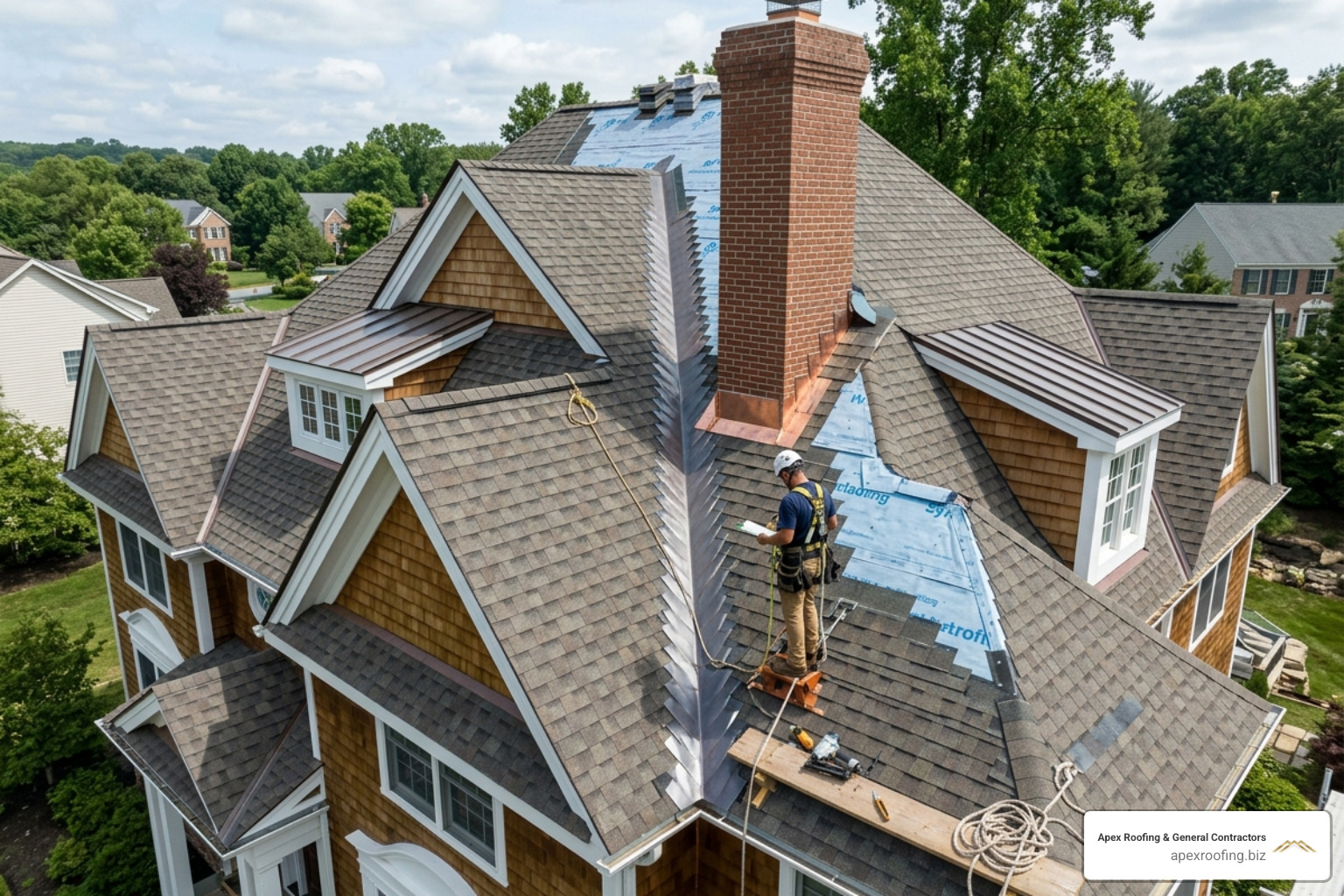
A simple “up and over” gable roof is the cheapest to install. However, if your roof has multiple valleys, dormers, chimneys, or skylights, the price goes up. Each of these features requires custom “flashing” — the metal bits that prevent leaks in corners — and more intricate labor. According to RoofingCalculator.com, these complex features are the most common reason for “hidden” costs in a quote.
Local Permitting and Your New Roof Price Calculator Estimate
In San Antonio, we don’t just “wing it.” Local building codes are strict to ensure your home can withstand Texas heat and occasional severe storms. San Antonio permit fees generally range from $50 to $500 depending on the project value.
Furthermore, regional requirements in South Texas often dictate the use of specific underlayments or hurricane-rated shingles that can handle high wind speeds. These local nuances are why a generic national new roof price calculator might be off by a few thousand dollars compared to a local San Antonio roofers near me quote.
Comparing Roofing Materials: Price vs. Lifespan
The material you choose is the single largest lever you can pull to change your price.
- Asphalt Shingles: These remain the most popular choice in San Antonio due to their balance of cost and performance. They typically cost $3.40–$5.95 per sq ft installed. Architectural shingles are the “gold standard” here, offering a 25-50 year lifespan and better wind resistance than old-school 3-tab shingles. Check our asphalt roof cost San Antonio guide for deeper pricing tiers.
- Metal Roofing: Gaining massive popularity for its energy efficiency, metal roofs cost $6.00–$24.50 per sq ft. While the upfront cost is higher, they can last 50-70 years and significantly lower your cooling bills in the Texas sun. See our breakdown on the cost to install a metal roof in San Antonio.
- Clay Tile: A staple of Mediterranean and Spanish-style architecture in San Antonio, tile is durable but heavy. Costs range from $12–$18 per sq ft. Your home’s structure may need reinforcement to handle the weight.
- Slate Roofing: The “forever roof.” Slate costs $23+ per sq ft and can last over 100 years. It is a premium investment that requires highly specialized installers.
Labor, Tear-Off, and Hidden Installation Costs
When you look at your total bill, labor accounts for 50–60% of the cost. In 2026, roofing labor rates average between $2.50 and $6.00 per sq ft. This covers the expertise of the crew, their insurance, and the physical risk they take working on your home.
The Breakdown of “The Extras”
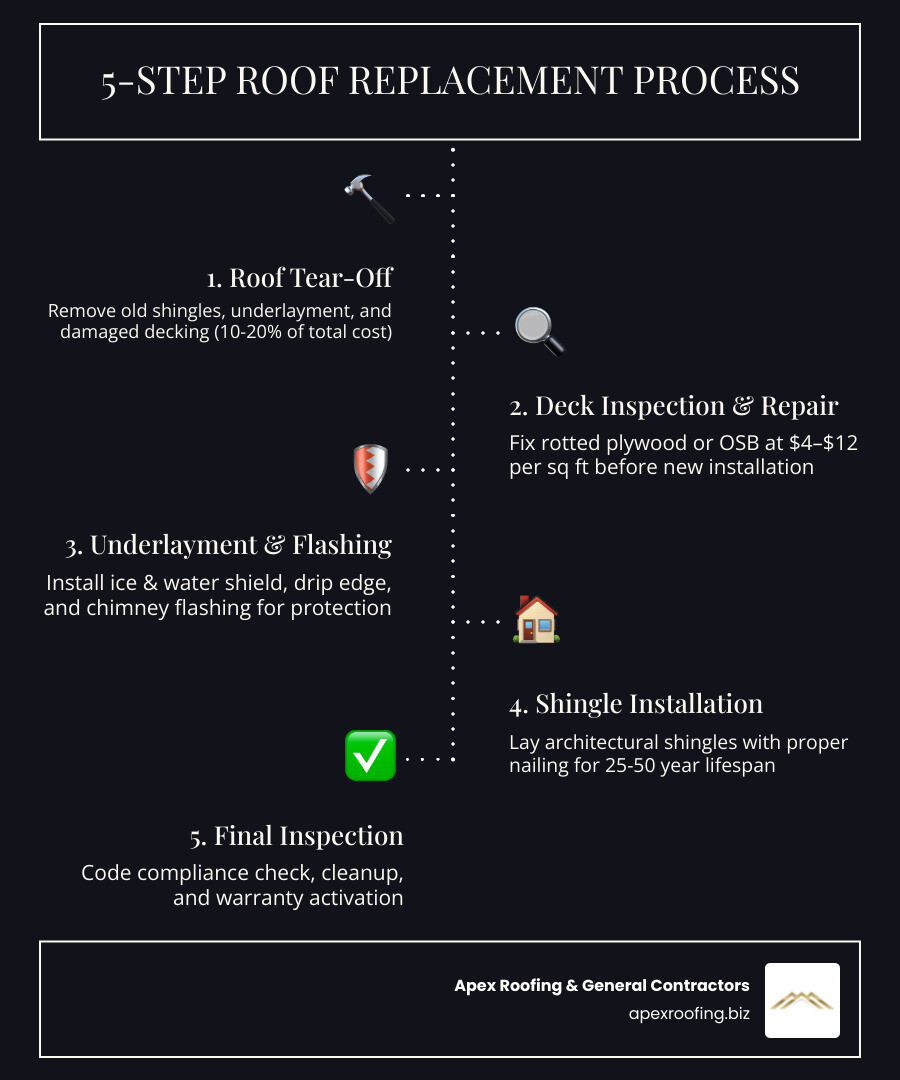
- Tear-Off and Disposal: Removing your old roof and hauling it to a landfill usually costs between $1,000 and $3,000. If you have multiple layers of old shingles, this price increases because of the extra weight and labor.
- Decking Repairs: Once the old shingles are off, we might find “soft spots” or rotted wood in the plywood decking. Replacing these sheets typically costs $4 to $12 per sq ft (or roughly $90 to $120 per sheet of plywood).
- Components: Don’t forget the underlayment (the water-resistant barrier), ice and water shields for valleys, drip edges to keep water away from your fascia, and ridge vents for attic circulation.
We always recommend a free roof inspection in San Antonio before finalizing your budget, as an inspector can often spot decking issues from the attic before the project begins.
Money-Saving Strategies and Repair vs. Replace Decisions
A new roof is a major investment, but there are ways to keep the new roof price calculator numbers on the lower end without cutting corners on quality.
- Off-Season Scheduling: In San Antonio, the busiest times are after spring hail storms and during the moderate fall. If you can schedule your replacement during the “slower” months of January through March, some contractors offer a 10-15% discount to keep their crews busy.
- Insurance Claims: If your roof was damaged by wind or hail, your homeowners’ insurance might cover the replacement. We specialize in helping homeowners navigate this process fairly.
- Tax Credits: Check for federal or state tax credits for “cool roofs” or energy-efficient metal roofing. These can sometimes offset the higher cost of premium materials.
Should You Repair or Replace?
Sometimes, a full replacement isn’t necessary. If your roof is less than 15 years old and the damage is localized (like a small leak over a garage), a repair might be the smarter move. Our roof leak repair estimate guide can help you price out smaller fixes.
However, if you see these signs, it’s likely time for a full replacement:
- Age: Your asphalt roof is over 20 years old.
- Curling Shingles: Shingles are “cupping” or “clawing” at the edges.
- Granular Loss: You find piles of sand-like granules in your gutters.
- Sagging: This indicates structural damage to the decking.
Frequently Asked Questions about New Roof Price Calculators
How accurate are online roofing calculators?
Online calculators provide excellent baseline estimates, but they cannot see your specific home. They often miss site-specific variables like restricted access for delivery trucks, hidden rot in the decking, or the exact condition of your flashing. Treat calculator results as a “ballpark” and use a professional inspection to get a “locked-in” price.
Should I choose a full tear-off or an overlay?
An overlay (nailing new shingles over old ones) is cheaper upfront because you save on tear-off and disposal fees. However, most building codes limit roofs to two layers maximum. We generally advise against overlays because they trap heat (shortening shingle life), void many manufacturer warranties, and prevent us from inspecting the decking for rot. A full tear-off offers much better long-term value.
How long does a typical roof replacement take?
For a standard 2,000 sq ft home, the actual installation usually takes one to two days. However, the entire process — including permitting, material delivery, and final inspection — can take one to two weeks. Weather is the biggest variable; we won’t open your roof if there is a high chance of rain.
Conclusion
Navigating roofing costs doesn’t have to be overwhelming. By using a new roof price calculator and understanding the factors of pitch, materials, and labor, you are already ahead of 90% of homeowners.
At Apex Roofing & General Contractors, we pride ourselves on being the certified San Antonio experts you can trust. We believe in transparent communication, local code compliance, and providing roofs that stand up to the Texas sun for decades to come.
Don’t wait until a small leak becomes a major structural problem. Whether you need a minor repair or a full roof replacement, we are here to provide an honest, detailed assessment.
Ready for a quote that’s more than just a ballpark? Contact Apex Roofing & General Contractors today for free estimates and call us at (726) 727-7663 for a free inspection.