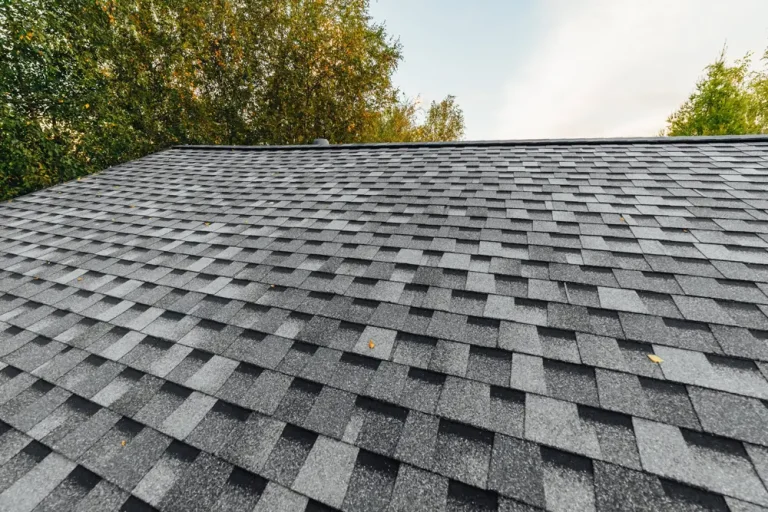
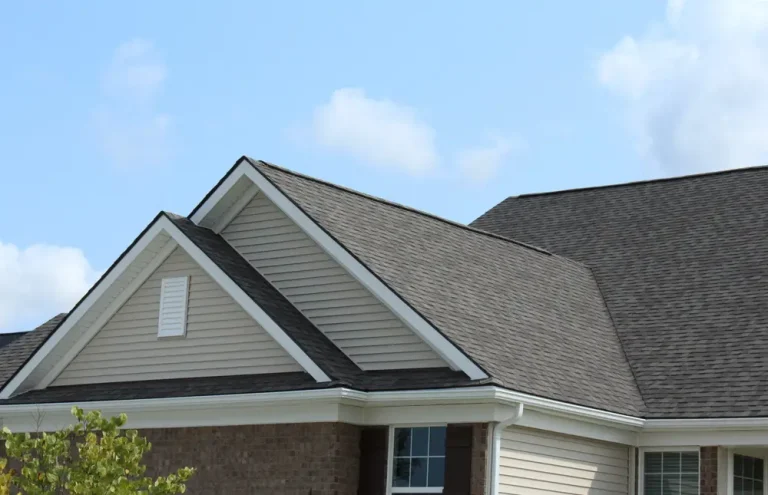
Why Finding the Right Ceiling Water Leakage Solution Matters Now
Finding a brown stain or a steady drip from your drywall is a homeowner’s nightmare. Whether it is a sudden burst pipe or slow seepage after a Texas thunderstorm, finding an effective ceiling water leakage solution is critical to protecting your property’s structural integrity. As the premier Apex Roofing & General Contractors in San Antonio, we know that acting within the first 24 to 48 hours is essential, as this is the window when mold and mildew begin to flourish. Every year, roughly 1 in 60 insured homes file a claim for water damage, and nearly a quarter of all homeowners’ insurance claims involve water-related issues.
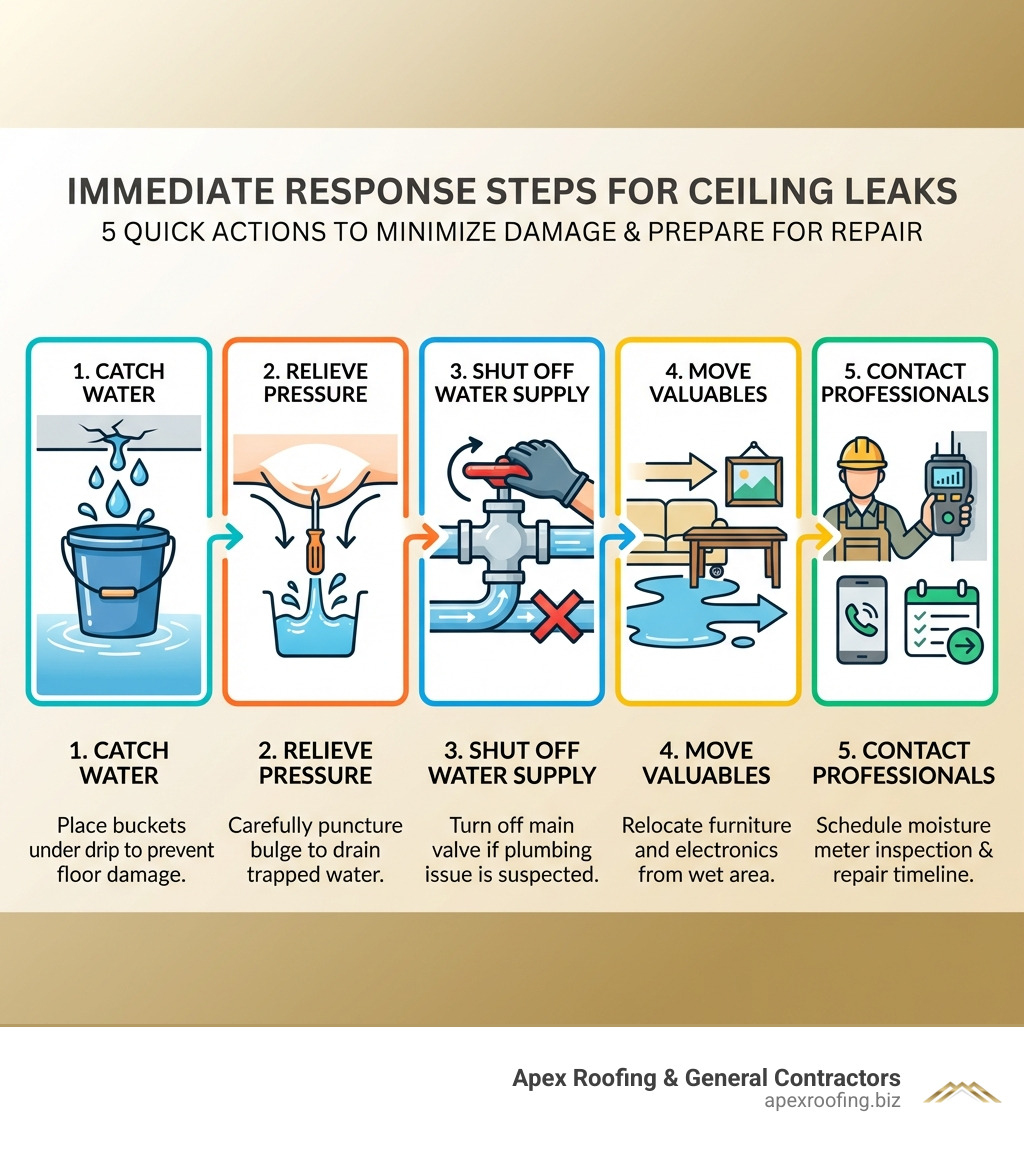
Immediate Steps When You Find a Ceiling Leak:
- Catch the water – Place buckets or containers under the drip to prevent floor damage
- Relieve pressure – If the ceiling is bulging, carefully puncture a small hole to drain trapped water
- Shut off water supply – Turn off the main valve if you suspect a plumbing issue
- Document the damage – Take photos for insurance purposes
- Call a professional – Contact professional roofing services to diagnose and repair the source
Finding the source is the next critical step. Is water entering through your roof after a Texas thunderstorm? Or is a faulty wax ring around an upstairs toilet seeping down? Different sources require different experts—roofers for external leaks, plumbers for internal pipe failures, and handymen for the final restoration work.
Ignoring a ceiling leak invites disaster. Water damage weakens structural timber, corrodes electrical wiring, and creates the perfect breeding ground for toxic mold. The longer you wait, the more expensive and dangerous the problem becomes.
I’m Carlos Yzaguirre, President and Managing Partner of Apex Roofing & General Contractors, and I’ve spent years helping San Antonio homeowners implement effective ceiling water leakage solution strategies that address both immediate damage and long-term prevention. Our team combines advanced diagnostics with proven repair methods to ensure your home stays dry and structurally sound.
Ceiling water leakage solution further reading:
Immediate Response: What to Do When You Spot a Leak
Finding a ceiling leak can be startling, but your immediate actions can significantly reduce damage and repair costs. Nearly a quarter of all homeowners’ insurance claims involve water-related issues, so acting swiftly is key.
Containing the Drip
The first order of business is to manage the active leak. Don’t let gravity have its way with your home and belongings.
- Grab Buckets and Towels: Place buckets or large, leak-proof containers directly under the drip. If the leak is spreading, use towels to absorb excess water and protect floors or furniture.
- Protect Your Belongings: Move furniture, electronics, and other valuables away from the affected area. If items can’t be moved, cover them with plastic sheeting to shield them from dripping water.
- Consider Drip Diverters: For a more advanced temporary solution, especially in larger or commercial spaces, specialized ceiling drip diverters can be incredibly effective. These are tarps with a funnel and hose attachment that can channel water into a container or drain, preventing widespread damage. They range from $50 to $150 and come in various sizes, like 5’x5′ or 10’x10′. For exposed pipes, funnel-shaped pipe diverters can be used.
Relieving Water Pressure
Sometimes, water can pool above your ceiling, causing it to bulge. This indicates significant water accumulation and a potential for ceiling collapse.
- Controlled Drainage: If you notice your ceiling bulging with water, it’s crucial to relieve that pressure safely. Carefully puncture a small hole in the center of the bulge using a screwdriver or similar tool. Place a bucket directly underneath. This controlled drainage prevents a larger, uncontrolled collapse, which can cause more extensive damage and create a hazardous mess.
- Shut Off the Water: If the leak appears to be plumbing-related (e.g., from an upstairs bathroom or a pipe in the attic), locate your home’s main water shut-off valve and turn it off immediately. This will stop the flow of water and prevent further saturation while you investigate the source.
- Document Everything: Take photos and videos of the leak, the water damage, and your immediate actions. This documentation will be invaluable when filing an insurance claim.
Identifying the Source: Is it Plumbing or the Roof?
Pinpointing the exact origin of a ceiling leak is often the trickiest part of finding a permanent ceiling water leakage solution. Water can travel horizontally along beams and rafters, making the drip appear far from its actual source.
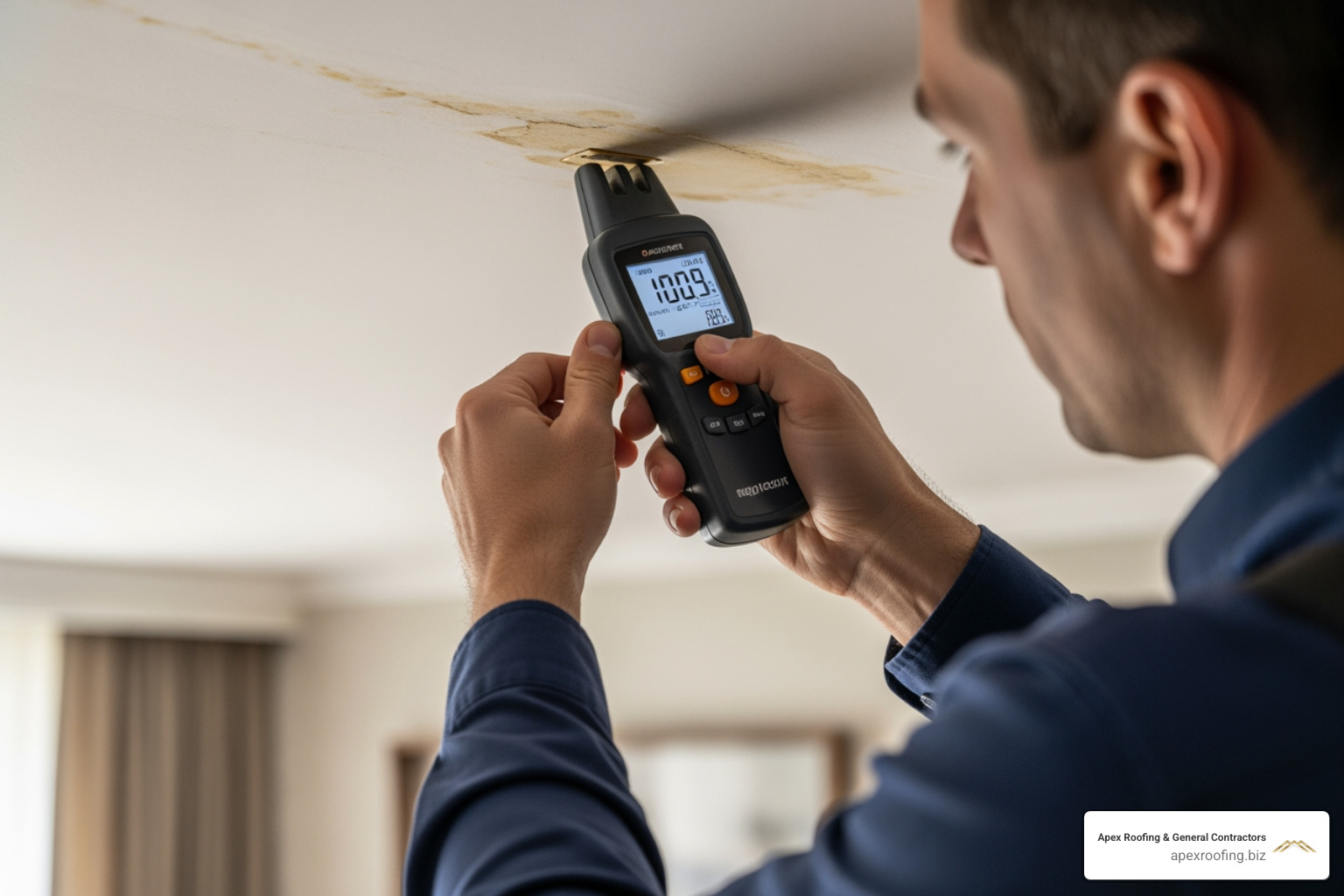
When we approach a leak, our San Antonio team starts by carefully tracing the water’s path. We look for the highest, smallest stain on vaulted ceilings, as this is often closest to the ingress point. Moisture meters are indispensable tools for detecting hidden water saturation within walls and ceilings, even when no visible drip is present.
Here’s a quick comparison to help differentiate between common leak sources:
| Characteristic | Plumbing Leak | Roof Leak |
|---|---|---|
| When it occurs | Anytime, often consistent flow | During or after rain/snow, sometimes intermittent |
| Location | Often below bathrooms, kitchens, laundry rooms | Often near exterior walls, chimneys, vents, skylights |
| Water appearance | Clear, unless pipe is rusty | Can be dirty, brown, or contain debris |
| Sound | Continuous dripping or running | Can be intermittent, related to weather |
| Smell | No distinct smell, unless sewer line involved | Musty, earthy smell (mold/mildew) |
Finding a Ceiling Water Leakage Solution for Roof Issues
Roof leaks are a common culprit for ceiling water damage, especially in areas like San Antonio that experience heavy storms. Water doesn’t just drip straight down; it can travel along the roof deck, down rafters, and through insulation before finally appearing on your ceiling.
Common roof-related causes include:
- Damaged Shingles: Missing, cracked, or curled shingles can create pathways for water to penetrate the underlayment. We recommend inspecting your roof at least twice a year, especially after severe weather, to catch these issues early.
- Flashing Failure: Flashing, the metal or plastic strips around chimneys, vents, skylights, and valleys, is designed to create a watertight seal. Over time, flashing can corrode, bend, crack, or become improperly sealed, allowing water to seep in.
- Clogged Gutters: When gutters are full of leaves and debris, they can’t effectively channel rainwater away from your home. This causes water to overflow, pool on the roof, or run down the fascia, potentially seeping under the roof’s edge or behind siding. This is a significant factor in many roof leaks.
- Poor Attic Ventilation: Inadequate ventilation can lead to condensation buildup in your attic, especially during temperature fluctuations. This moisture can saturate insulation and eventually drip onto your ceiling, mimicking a leak.
- Roof Deck Damage: Holes, soft spots, or rot in the roof deck itself can allow water to pass through. This often stems from prolonged exposure to moisture or impact damage.
For more in-depth information on diagnosing these issues, check out our guide on Why is my roof leaking?.
Diagnosing Internal Plumbing Failures
If the leak isn’t external, chances are it’s an internal plumbing problem. These often originate from upstairs bathrooms or other areas with water lines.
- Wax Rings (Toilets): A faulty or worn wax ring between your toilet and the floor is a common source of leaks. Each flush can send water seeping into the subfloor and down to the ceiling below. Signs include water on the floor around the toilet’s base and an unpleasant sewer gas odor.
- Shower Pans and Enclosures: Leaks in showers can be tricky. If water appears only when the shower is running, it might be due to damaged tiles, deteriorated grout, faulty caulking around the shower pan, or an issue with the shower faucet behind the wall. If it continues after the shower is off, a water supply pipe inside the wall or subfloor could be the culprit.
- Supply Lines and Drains (Sinks & Fixtures): Worn gaskets, washers, or O-rings in sink faucets or drain assemblies can cause slow, persistent leaks. Loose connections in the P-trap or drainpipes under the sink are also frequent offenders. Even pinhole leaks in copper supply lines within walls can cause significant water damage over time.
- HVAC Condensation: Your heating, ventilation, and air conditioning (HVAC) system, especially units located in the attic, can be a major source of ceiling leaks. Clogged condensate drain lines, a cracked drip pan, or a malfunctioning condensation pump can cause water to overflow and seep through your ceiling. Regular HVAC maintenance is crucial to prevent these issues.
The Dangers of Delay: Why You Can’t Ignore Water Damage
Ignoring a ceiling leak is like ignoring a ticking time bomb. What starts as a small stain can rapidly escalate into a costly and dangerous problem. Water damage can lead to structural weakening and mold growth around the leak site.
Health Risks and Air Quality
One of the most immediate and insidious dangers of a ceiling leak is the proliferation of mold and mildew.
- 24-Hour Window: Mold spores can begin to grow and spread within 24 to 48 hours of water exposure. This means that even a minor, seemingly dried-out leak can be a breeding ground for harmful fungi.
- Respiratory Issues: Mold releases spores into the air, which can trigger allergic reactions, asthma attacks, and other respiratory problems in susceptible individuals. A persistent musty odor is a strong indicator of hidden mold growth. The U.S. Environmental Protection Agency provides a brief guide to mold, moisture and your home, emphasizing the importance of addressing moisture problems promptly.
- Systemic Spread: Mold doesn’t stay confined to the leak area. It can spread behind drywall, inside insulation, and across ceilings, compromising your home’s indoor air quality and creating a pervasive health hazard.
Structural and Electrical Integrity
Beyond health concerns, water actively degrades the physical structure of your home and poses significant electrical risks.
- Structural Rot: Prolonged water exposure can lead to wood rot in ceiling joists, rafters, and other structural timbers. This weakens the integrity of your home, potentially leading to sagging ceilings or, in severe cases, a complete ceiling collapse. Signs of imminent collapse include cracking sounds, visible sagging, or pieces of plaster or drywall beginning to fall away.
- Electrical Hazards: Water and electricity are a dangerous combination. As water leaks through your ceiling, it can come into contact with electrical wiring, light fixtures, and junction boxes. This poses a serious risk of short circuits, electrical fires, and electrocution. Always turn off power to the affected area if you suspect water has reached electrical components.
- Higher Repair Costs: The longer a leak goes unaddressed, the more extensive the damage becomes. What might have been a simple pipe repair could turn into a full ceiling replacement, mold remediation, and structural reinforcement—all significantly increasing the financial burden.
Professional Ceiling Water Leakage Solution: Who to Call and When
While some minor issues might be DIY-friendly, most ceiling leaks require professional expertise to ensure a lasting ceiling water leakage solution. Knowing which professional to call is crucial for an efficient and effective repair.
When to Call a Licensed Roofer
If you suspect your leak is coming from above, a licensed roofing contractor is your go-to expert. We specialize in identifying and repairing external points of water entry.
- External Ingress: Any leak related to rain, snow, or exterior elements points directly to the roof. This includes issues with shingles, flashing, gutters, vents, and skylights.
- Storm Damage: After a severe storm, hail, or strong winds, it’s common for roofs to sustain damage that leads to leaks. Our team in San Antonio is well-versed in assessing and repairing storm-related roof damage.
- Flashing Repair & Replacement: Damaged or improperly installed flashing around chimneys, dormers, and valleys is a frequent source of leaks. Roofers have the specialized knowledge and tools to correctly repair or replace these critical components.
- Sagging Roofline or Missing Shingles: Visible signs of roof distress, such as a sagging roofline, numerous missing shingles, or soft spots on the roof deck, are clear indicators that a professional roofer needs to investigate.
For any external leak, contact our experts at Residential Roof Repair. We offer free roof evaluations and can often schedule inspections quickly to address the issue before it worsens.
When to Call a Plumbing Expert
If the leak is internal and not weather-dependent, a plumbing professional is usually the right choice.
- Pipe Bursts & Leaks: Leaks from corroded pipes, loose connections, or accidental punctures within walls or ceilings require a plumber. They can accurately locate the source using specialized equipment and perform the necessary pipe repairs.
- Fixture Leaks: Leaks originating from toilets (wax rings), showers (pans, drains, faucets), bathtubs, or sinks are typically plumbing issues. Plumbers can diagnose problems with seals, gaskets, and connections that allow water to escape.
- Constant Pressure Leaks: If the leak is continuous, even when water isn’t actively being used, it often points to a pressurized water line issue, which a plumber is best equipped to handle.
- HVAC Condensate Issues: While an HVAC technician can address the unit itself, if the overflow has caused significant water damage to the ceiling or if the drain line is integrated into the home’s plumbing system, a plumber might be needed to ensure proper drainage.
For the subsequent repair of water-damaged ceilings after the source has been fixed, a skilled handyman can often replace drywall, repaint, and restore the aesthetics of your ceiling. However, for the initial diagnosis and repair of the leak source, always defer to the specialist—a roofer for the roof, and a plumber for the pipes.
Step-by-Step Repair and Prevention Strategies
Once the immediate crisis is averted and the source of the leak is identified and stopped, the next phase involves repairing the damage and implementing preventative measures to avoid future issues.
Implementing a Long-Term Ceiling Water Leakage Solution
A truly effective ceiling water leakage solution isn’t just about fixing the current problem, but about preventing the next one.
- Gutter Cleaning and Maintenance: Clogged gutters are a leading cause of roof-related leaks. We can’t stress this enough: regularly clean your gutters and downspouts, especially before rainy seasons. Ensure they are free of debris and properly sloped (at least 1/4-inch vertical drop per 10 horizontal feet) to direct water away from your home’s foundation and roofline. Consider installing gutter guards to reduce maintenance.
- Annual Roof Inspections: Proactive inspections are your best defense against leaks. A professional roofer can identify potential vulnerabilities like damaged shingles, compromised flashing, or weak spots before they turn into full-blown leaks. In San Antonio, our team can provide comprehensive roof inspections to ensure your roof is ready for whatever weather comes our way.
- Pipe Insulation: In colder months, exposed pipes in attics or crawl spaces can freeze and burst, leading to sudden and catastrophic leaks. Insulating these pipes is a simple yet highly effective preventative measure.
- Regular HVAC Servicing: Ensure your HVAC system, particularly the condensate drain line, is regularly inspected and cleaned. This prevents clogs that can cause water to back up and overflow into your ceiling.
- Attic Ventilation: Ensure your attic is properly ventilated to prevent condensation buildup, which can mimic leaks. Good ventilation helps regulate temperature and humidity, protecting your roof structure and insulation.
Waterproofing and Ventilation
Waterproofing and proper ventilation are critical components of a comprehensive ceiling water leakage solution, especially in areas prone to humidity or direct water exposure.
- Waterproofing Methods:
- Waterproofing Membranes: For areas like bathrooms or flat roofs, applying a waterproofing membrane provides an excellent barrier against water penetration. These can be liquid-applied or sheet-based.
- Crack Sealants: Small hairline cracks in concrete ceilings can be sealed with specialized crack sealants to prevent water seepage.
- Elastomeric Coatings: These flexible, durable coatings can be applied to various surfaces, offering a waterproof and protective layer. They are particularly useful for concrete ceilings or exterior surfaces.
- Bathroom-Specific Solutions: In bathrooms, ensure all grout and caulk are in good condition around showers, bathtubs, and sinks. Reseal grout annually to maintain its protective barrier. For false ceilings in bathrooms, consider waterproof boards or anti-fungal coatings, and ensure exhaust fans vent outside, not just into the attic.
- Ventilation Management:
- Exhaust Fans: In high-humidity areas like bathrooms and kitchens, install and regularly use exhaust fans that vent to the exterior. Running an exhaust fan for 15-20 minutes after showering or cooking significantly reduces moisture buildup, preventing condensation-related ceiling issues.
- Dehumidifiers: For persistently humid indoor environments, a dehumidifier can help maintain indoor humidity levels between 30% to 50%, which is ideal for preventing mold growth and condensation.
- Attic Fans: Powered attic fans or proper ridge and soffit vents can dramatically improve attic ventilation, reducing temperature and moisture buildup that leads to condensation and potential leaks.
Frequently Asked Questions about Ceiling Leaks
Why is my ceiling leaking only when it rains?
This typically indicates a roofing failure, such as damaged shingles, compromised flashing around vents or chimneys, or clogged gutters causing water to back up under the roofline. Water enters through these points during precipitation and travels along your roof’s structure before becoming visible on your ceiling. Our San Antonio roofers can inspect your roof for these specific issues.
Can a leaking ceiling cause a fire?
Yes. Water traveling through the ceiling can come into contact with electrical wiring, junction boxes, or light fixtures, leading to short circuits, sparks, and potential electrical fires. If you suspect water has reached electrical components, immediately turn off power to the affected area at your breaker box and call a qualified electrician.
How much does it cost to fix a water-damaged ceiling?
The cost of repairing a water leak can range significantly based on the source and extent of the damage. Minor repairs, such as patching a small drywall section and repainting after a simple leak fix, may cost a few hundred dollars. However, if the damage involves structural timber, extensive mold remediation, or requires a full roof replacement to address the source, costs can range into the thousands of dollars. A full roof replacement in San Antonio can vary widely depending on materials, roof pitch, and square footage.
Conclusion
Finding a lasting ceiling water leakage solution is paramount to protecting your home and family. From the initial drip to the final repair, a proactive and informed approach can save you from costly damage, health hazards, and structural compromise. Ignoring a leak only allows the problem to fester, turning a minor issue into a major headache.
At Apex Roofing & General Contractors, we pride ourselves on providing certified, reliable service with transparent communication and full compliance with local building codes in San Antonio, Texas. We understand the unique challenges homeowners face and are dedicated to delivering permanent, high-quality solutions.
For a permanent ceiling water leakage solution, free estimates, and expert restoration, visit our Roof Repair Service Page or call us at (726) 727-7663 to schedule your free inspection today. Let us help you keep your home dry, safe, and sound.