- Locations
- San Antonio
- Roof Inspections
Free 37-Point Roof Inspection in San Antonio, TX – Licensed Roof Inspectors
Summary
Apex Roofing & General Contractors offers a free 37-point roof inspection in San Antonio, TX for homes and businesses from its office on W Hausman Rd. A licensed roofer inspects shingles, flashing, decking, attic ventilation, and gutters using drone imaging and moisture meters, and delivers a written photo report the same day. Inspections support storm damage assessments, insurance claims, and pre-purchase evaluations. Paid independent inspections in San Antonio average $276 to $395; ours is free with no obligation, and about a third end with no work needed.
Key Takeaways
- Free 37-point roof inspections in San Antonio, TX and Bexar County for residential and commercial properties; no obligation, no pressure.
- Inspections cover shingles, flashing, gutters, attic ventilation, and decking – the six-area scope is listed below.
- Drone imaging and moisture meters find hail damage and hidden wear not visible from the ground.
- Recommended frequency: every one to two years, and within one to two weeks after a hailstorm or windstorm (the NWS Austin/San Antonio office issues Bexar County’s warnings).
- Reports are written for insurance claims: dated photos, damage type, and a repair-or-replace recommendation an adjuster can act on.
- Commercial and multi-family inspections focus on low-slope roofing, membrane wear, and drainage.
- If damage is found, a small repair starts around $250 and most repairs run $300–$1,500; a written estimate is included. Most inspections are scheduled within the week.

Roof Inspections

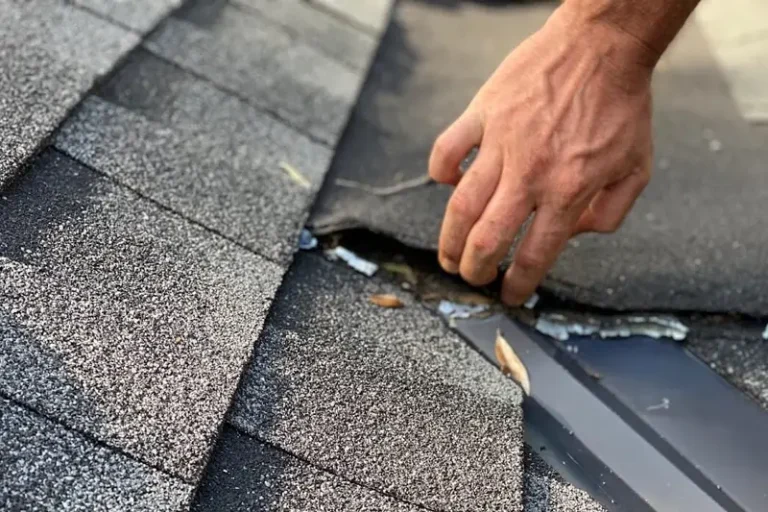
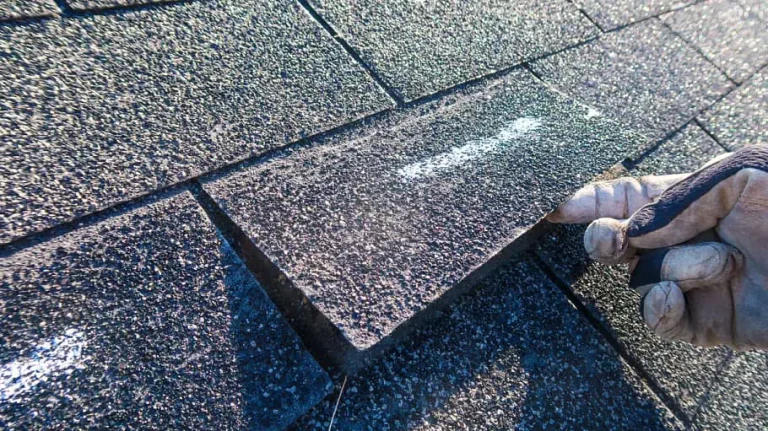
Yes, roof inspections in San Antonio are free from Apex Roofing & General Contractors, and the person on your roof is a licensed roofer working through a 37-point checklist, not a salesperson. Most roof problems don’t start big. A lifted shingle, a small crack in the flashing, or early granule loss can go unnoticed for months until it turns into a leak or a much larger repair bill. A thorough roof inspection in San Antonio is the easiest way to catch these issues early, whether you’re checking an aging roof, following up after a storm, documenting damage for an insurance claim, or want peace of mind before buying or selling a home.
As a licensed San Antonio roofing contractor, our roof inspectors check every part of the roof – shingles, flashing, decking, and ventilation – and give you a clear, written report with photos the same day. No pressure to replace a roof that doesn’t need it, and no overlooked damage that comes back to bite you later; about a third of our inspections end with “your roof is fine.” If the inspection finds a small problem, our handyman roof repair service fixes most of them for $250 to $1,200; if it finds a big one, you’ll get a written repair or replacement estimate to take to your insurer or keep for later. Call (726) 727-7663 or book online; most San Antonio inspections are scheduled within the week.
Why San Antonio Homes and Businesses Need Regular Roof Inspections
San Antonio’s roofs deal with a demanding mix of intense summer heat, sudden hailstorms, and high wind events that can each wear down a roofing system in different ways, whether it’s a residential shingle roof or a commercial low-slope system. Heat cycles cause shingles to expand and contract repeatedly, speeding up granule loss and cracking, while commercial flat and low-slope roofs face UV degradation, membrane shrinkage, and ponding water that can go unnoticed without regular checks. Hail and wind events can cause damage that isn’t visible from the ground, and small issues like a lifted shingle edge or a cracked seal around a vent pipe tend to get worse every time it rains. The National Weather Service Austin/San Antonio office issues Bexar County’s severe thunderstorm and hail warnings, and the one-to-two-week window after a warned storm is when an inspection is most valuable – damage is fresh, documentable, and inside most insurers’ filing windows.
The National Roofing Contractors Association recommends regular inspections as a standard part of roof maintenance, since catching small issues early is almost always less expensive than repairing the water damage they eventually cause. This is especially important for commercial and multi-family properties, where a larger roof surface means small issues can turn into significant repair costs if left unchecked. A professional inspection also gives you a documented record of your roof’s condition, which is useful for maintenance planning, home or property sales, and insurance claims if a storm does cause damage later.
What Our San Antonio Roof Inspection Covers
A thorough inspection looks at far more than what is visible from the driveway, and each area tells us something different about the roof’s overall condition. Here is what our inspectors check during every visit.
Inspection Area | What We Check | Why It Matters |
Shingles and roofing surface | Cracking, curling, granule loss, missing or lifted shingles | Surface damage is often the first sign of age or storm impact |
Flashing and penetrations | Seals around chimneys, vents, skylights, and pipe boots | A failed seal is one of the most common sources of hidden leaks |
Gutters and downspouts | Granule buildup, sagging, clogs, and proper water flow away from the home | Poor drainage leads to water pooling against the roofline and fascia |
Attic and ventilation | Signs of moisture, insulation condition, and airflow through vents | Poor ventilation shortens shingle life and can lead to mold |
Decking and structure | Soft spots, sagging, and signs of rot beneath the roofing material | Decking issues affect the entire roof’s ability to support new materials |
Storm and hail damage | Bruised shingles, dented flashing, and impact marks across all slopes | Early documentation supports a stronger insurance claim if needed |
If any of these areas show a problem, we will walk you through whether it calls for a simple roof repair or a larger San Antonio roof replacement, including options like asphalt shingle and metal roofing systems.
How Often You Should Schedule a Roof Inspection in San Antonio, TX
The right inspection frequency depends on your roof’s age, recent weather, and whether anything has already changed since your last check. The table below covers the situations we see most often and when to schedule your next visit.
Situation | Recommended Inspection Timing | Why |
Routine maintenance, no recent storm | Every one to two years | Catches gradual wear before it turns into a leak |
After a hailstorm or high wind event | Within one to two weeks | Documents storm damage early and supports insurance claim timing |
Before buying or selling a home | Before closing | Identifies pre-existing issues that may affect negotiation |
Roof is 15 to 20 years old (asphalt shingle) | Once a year | Aging materials fail faster and benefit from closer monitoring |
After any major repair or leak | Right after the repair is completed | Confirms the repair held and no related issues were missed |
Not sure which category fits your home? A quick call to our team can help you figure out if it is time for a visit.
Signs You Need a Roof Inspection in San Antonio TX
Some roofing issues are easy to miss until they’ve already caused damage. Here are the key signs it’s time to schedule a professional inspection for your home or commercial property.
- It has been more than a year or two since your last inspection, even if nothing seems obviously wrong.
- A recent hailstorm or windstorm passed through your neighborhood, whether or not you can see damage from the ground.
- You noticed water stains on a ceiling or wall, which usually means water has already made it past the roof.
- Your roof is nearing or past 15 to 20 years old, when asphalt shingles start failing more often.
- You are buying or selling a home and want a clear picture of the roof’s real condition.
- A previous repair was completed and you want confirmation that it fully resolved the issue.
Storm Damage Roof Inspections and Insurance Claims
After a hailstorm or high wind event, a professional roof inspection is often the first step toward filing a successful insurance claim. Insurance adjusters look for clear, documented evidence of damage, and many homeowners don’t realize the extent of storm damage until a trained inspector points it out. Our San Antonio storm damage roof repair team inspects every slope, vent, and flashing point, using drone imaging to catch damage that isn’t visible from the ground.
Apex Roofing & General Contractors provides detailed photo documentation and written reports that support your San Antonio roof insurance claim from start to finish. According to the Insurance Information Institute, hail alone causes billions of dollars in insured losses across the U.S. each year, with Texas consistently ranking among the states hit hardest, which is why a thorough inspection matters so much before filing a San Antonio storm damage claim. Whether the inspection reveals a minor repair or damage extensive enough to warrant a full replacement, we make sure your documentation reflects exactly what the roof needs.
Residential and Commercial Roof Inspections in San Antonio, TX
Roof inspections aren’t one-size-fits-all, and the details our team looks for depend heavily on the type of property being inspected. We provide thorough residential and commercial roof inspections across San Antonio, tailored to the specific roofing system and how it’s built to perform.
For residential properties, we inspect shingle condition, flashing, decking, attic ventilation, and gutters to catch wear from heat cycles, storms, or age before it turns into a leak. For commercial and multi-family properties, our inspections focus on low-slope and flat roofing systems, checking for membrane wear, ponding water, seam separation, and drainage issues that can quietly shorten a roof’s lifespan if left unaddressed. Whether it’s a single-family home or a multi-unit commercial building, our team provides a clear, documented report so you know exactly where your roof stands.
DIY Roof Checks vs. Professional Inspection in San Antonio, TX
A quick visual check from the ground can be a helpful habit, but it only tells part of the story. Knowing what a DIY check can and can’t catch helps you understand why a professional inspection matters, especially in a climate as demanding as San Antonio’s.
What a DIY Check Can Catch
From the ground or a ladder, homeowners can often spot obvious issues like missing shingles, visible sagging, damaged gutters, or debris buildup on the roof. Checking the attic for daylight coming through the roof deck or noticeable water stains on the ceiling can also flag a problem worth investigating further.
What a DIY Check Usually Misses
Hail bruising, granule loss, cracked flashing seals, and early decking damage are difficult to spot without close, hands-on inspection or specialized tools. Many of these issues don’t show visible signs until they’ve already caused a leak, which is exactly when repair costs start climbing. Commercial and multi-story roofs are even harder to assess safely and accurately from the ground.
Why a Professional Inspection Matters
Our team uses drone imaging, moisture meters, and hands-on evaluation to catch issues that aren’t visible during a casual walk-around or ground-level check. We also document everything with photos and a written report, which is valuable for maintenance records, home sales, and insurance claims if storm damage is involved. Most importantly, a professional inspection separates cosmetic wear from real structural risk, so you know exactly what your roof needs and what can wait.
A DIY check is a good habit between inspections, but it isn’t a substitute for a professional evaluation, especially after a storm or when a roof is approaching the end of its expected lifespan.
Roof Inspection for Insurance Claims in San Antonio
An insurance roof inspection is a documented inspection done before you file a hail or wind claim, so the claim is based on evidence rather than a guess. Our 37-point inspection produces what an adjuster needs: dated photos of every slope, drone images of impact patterns, test-square counts on hail-hit areas, close-ups of damaged flashing and vents, and a written scope that separates storm damage from ordinary wear. In Texas, the adjuster works for the carrier; the inspection report is the homeowner’s side of the record.
The order matters. Inspect first, then decide whether to file. A claim that pays little or nothing can still count against you at renewal, and most Texas policies carry a 1% or 2% wind/hail deductible, so the Hail Damage Claim Checker is worth 30 seconds before you call your carrier. If the numbers say file, we meet the adjuster on site with the report – see roof insurance claim assistance in San Antonio. The Texas Department of Insurance publishes consumer guidance on storm claims and deductibles at tdi.texas.gov.
We do not act as a public adjuster and do not interpret your policy; we document the roof and do the work. That distinction protects you – Texas law treats contractors who negotiate claims as unlicensed adjusting.
Why Choose Apex Roofing & General Contractors in San Antonio
- Licensed and Insured: Fully licensed, bonded, and insured for residential and commercial inspection work across San Antonio.
- Thorough, Hands-On Inspections: Our team physically inspects shingles, flashing, decking, and ventilation, not just a quick visual check from the ground.
- Drone Inspection Technology: We use drone imaging to catch damage on steep slopes, multi-story homes, and commercial roofs that’s difficult or unsafe to assess otherwise.
- Honest, No-Pressure Recommendations: We tell you exactly what your roof needs, whether that’s nothing at all, a minor repair, or a full replacement.
- Detailed Documentation: Every inspection comes with a written report and photos, useful for maintenance records, home sales, or insurance purposes.
- Storm and Insurance Experience: Our team knows what adjusters look for and documents findings accordingly to support your insurance claim.
- Residential and Commercial Capability: From single-family homes to apartment and commercial properties, we inspect roofing systems of every size and type.
- Recognized Craftsmanship: Our work has earned industry recognition and awards for quality and customer satisfaction across San Antonio.
What Happens After a Roof Inspection in San Antonio, TX
Once your inspection is complete, we walk you through exactly what we found and what your options are, with no pressure and no guesswork.
- Detailed Findings Review: We go over every issue identified during the inspection, including photos, so you can see exactly what our team found and where.
- Written Inspection Report: You receive a documented report outlining your roof’s current condition, useful for maintenance records, home sales, or insurance claims.
- Honest Recommendation: We explain whether the findings call for no action, a targeted San Antonio roof repair, or a full roof replacement, based on the actual condition of your roof.
- Transparent Estimate: If repair or replacement work is needed, we provide a clear, itemized estimate before any work begins.
- Insurance Coordination (if applicable): For storm-related damage, we help document findings to support your insurance claim process with your adjuster.
- No-Obligation Decision: You decide how to move forward. There’s no pressure to schedule repairs or replacement on the spot, our job is to give you the information you need.
Whether your roof needs immediate attention or simply a note for next year’s checkup, you’ll leave the inspection with a clear picture of where things stand.
What Does a Roof Inspection Cost in San Antonio, TX
Roof inspection costs vary depending on the type of inspection and the reason behind it. Apex Roofing & General Contractors offers free roof inspections for most standard situations, including general condition checks, storm damage assessments, and inspections tied to a repair or replacement estimate.
Specialized inspections, such as those required for a real estate transaction or a detailed pre-purchase report, may involve a fee depending on the scope and documentation needed. Insurance-related inspections following storm damage are also typically provided at no cost, since the goal is to help you document damage accurately for your insurance claim. For an exact cost, or to confirm whether your inspection qualifies as free, contact our team directly with details about your property and the reason for the inspection.
Proudly Serving San Antonio TX and the Surrounding Communities With Expert Roof Inspection Services
Apex Roofing & General Contractors proudly provides free roof inspections to homeowners and businesses throughout San Antonio, Bexar County, and the surrounding Hill Country communities. Wherever you’re located, our team brings the same thorough, honest evaluation to every roof, whether it’s a routine checkup or a post-storm assessment.
Our roof inspection services extend to San Antonio, Helotes, Leon Valley, Alamo Heights, Shavano Park, Terrell Hills, Boerne, Bulverde, Fair Oaks Ranch, New Braunfels, Seguin, and San Marcos. For a full view of our coverage, visit our service area page.
Schedule Your Free 37-Point Roof Inspection in San Antonio, TX Today
Waiting to check your roof’s condition can turn a minor issue into an expensive repair. Apex Roofing & General Contractors offers free, thorough inspections so you know exactly where your roof stands, with no pressure and no guesswork. Whether it’s routine maintenance, storm follow-up, or a pre-sale checkup, our team gives you honest answers you can act on.
Call (726) 727-7663 to schedule your free roof inspection, or request online and our team will get back to you the same business day.
Our Company Office & Hours
San Antonio, TX
Apex Roofing & General Contractors
8131 W Hausman Rd Ste 103, San Antonio, TX 78249
Monday: 8AM – 8PM
Tuesday: 8AM – 8PM
Wednesday: 8AM – 8PM
Thursday: 8AM – 8PM
Friday: 8AM – 8PM
Saturday: 8AM – 8PM
Sunday: Closed
Read Our Reviews on Google

Frequently Asked Questions
How often should I get my roof inspected in San Antonio?
Most roofing experts recommend an inspection at least once a year, and additionally after any major hail or wind event. San Antonio’s climate makes annual checkups especially valuable for catching heat and storm-related wear early.
Is a roof inspection really free, or are there hidden costs?
Apex Roofing & General Contractors offers free inspections for most standard situations, including general condition checks and storm damage assessments. Specialized inspections, such as detailed pre-purchase reports, may involve a fee depending on scope.
How long does a professional roof inspection take in San Antonio?
Most residential roof inspections take between 30 minutes and an hour, depending on the size and complexity of the roof. Larger commercial properties may take longer to fully assess.
What's included in a written roof inspection report?
A typical report includes photos of the roof’s condition, notes on any damage or wear found, and a summary recommendation, whether that’s no action needed, a repair, or a replacement.
Should I get a roof inspection before selling my home?
Yes. A pre-listing roof inspection gives you a clear picture of your roof’s condition, helps avoid surprises during a buyer’s inspection, and can be a useful selling point if the roof is in good shape.
Do commercial properties need a different type of roof inspection than homes?
Yes. Commercial and low-slope roofs are inspected differently than residential shingle roofs, with a focus on membrane condition, seams, and drainage rather than shingle wear.
Should I get an inspection after every hailstorm, even a small one?
It is worth a quick inspection after any hailstorm, since hail damage is often invisible from the ground and can worsen with each rainfall if it goes unnoticed.
What happens if the inspection finds damage?
We walk you through your options in plain language, whether that means a simple roof repair, a full roof replacement, or help starting an insurance claim if the damage is storm related.
How much does a roof inspection cost in Texas?
A paid roof inspection from an independent inspector in San Antonio typically costs $100 to $400 – Homeyou puts the local average at $276 to $395, with a range of about $96 to $769 depending on roof size, pitch, and whether thermal imaging is included. Roofing contractors, including Apex Roofing & General Contractors, generally inspect for free because the inspection is how repair and replacement work is scoped. Our free 37-point inspection includes the same drone imaging, moisture check, and written photo report; the difference is that a paid independent inspector does not do the repair.
Do roofers offer free roof inspections, and is there a catch?
Most reputable San Antonio roofers do, and there is no catch as long as the company is licensed and insured and puts the findings in writing. The inspection is free because it is how a roofer earns the repair or replacement; the risk is a company that “finds” damage that isn’t there. Apex documents everything with dated photos so you can get a second opinion, and about a third of our inspections end with “your roof is fine – call us after the next hailstorm.”
Testimonials
What they’re saying about us
| 4.8 | ★★★★★ Excellent Based on 219 reviews |
✦ What customers say
Customers most often say Apex Roofing shows up on time, inspects the roof thoroughly and gives an honest answer, including telling homeowners when their roof does not need work. Many reviewers describe help with the insurance claim, drone photos and text updates during the job, and full replacements finished in a single day with the yard cleaned up afterward. San Antonio homeowners also name owner Carlos and inspectors Marshall and Matt for clear communication and follow-up.
AI-generated summary of customer reviews, updated October 9, 2026.

Sep 2026 · Google
APEX Roofing always delivers. They are prompt and on time and have always been courtious and delivered with exceptional quality.…
Read more
…Their quote is what you pay (my experiene) and their prices are very competitive!

Aug 2026 · Google
I was incredibly impressed by the professionalism of the team at Apex Roofing and General Contractors. They made the entire…
Read more
…Residential Roofing experience smooth and stress free from start to finish. Karl Marshall conducted a thorough roof inspection, and then focused on the only repairs really needed (resecuring the soffit all around the roof line where storm pressure had blown it out. I believe others would have been tempted to proclaim full roofing replacement was required. I would highly recommend them to anyone looking for quality work.

Aug 2026 · Google
t Mike and Gavin came out and did a thorough check thru. They notified me that the problem was caused by an unconnected vent…
Read more
…pipe in attic not roof and that they connected it and to call a plumber to just seal it. Then they informed me about the roof that maybe I can get a discount on insurance because the house had premium roofing. Great company great guys didn’t charge anything but will definitely call them if I need roof repairs

Jul 2026 · Google
Gavin and Marshall were very efficient and punctual. They arrived on time, kept me informed throughout the project and completed…
Read more
…the chimney/roof repair with great professionalism and timeliness. Their communication was clear and friendly, making the whole process stress‑free. I highly recommend them for any residential roofing needs and I’m excited to use Apex again for future roof repair work.

Jul 2026 · Google
Had my roof inspected by Karl and Gavin, and I appreciate that they took the time to thoroughly inspect the roof to help find the…
Read more
…cause of our leak. I appreciate them sharing what they were seeing. I’ve had roof issues these past few months and I wish I had gone with APEX from the start as they were much more professional and transparent with the findings.

Jul 2026 · Google
Apex Roofing and General Contractors was incredibly punctual, efficient, and professional. They communicated clearly at every…
Read more
…step and finished the roof repair on schedule and went out of their way to make it perfect. Apex also went above and beyond to be considerate of my time as well as my neighbors when they started and completed the project. I especially appreciated how they showed up exactly on time and kept the work site clean. I highly recommend them for their incredible and reliable residential roofing surfaces.
Show more reviews

Jul 2026 · Google
Apex Roofing and General Contractors showed up right on schedule, explained every step clearly and stayed on task the whole time.…
Read more
…The crew worked efficiently, kept the site tidy and finished our roof replacement ahead of the promised date. Their professionalism and friendly communication made the whole experience stress free. Highly recommend this roofer near me.

Jun 2026 · Google
Marshall from apex roofing took seamlessly stream lined the roof replacement on my house and only took one day. They also beat competitors on cost and quality of roof!

Jun 2026 · Google
Marshall K. was great. Quick responses, helped me through the entire…
Read more
…process. Overall experience with the company was amazing, they did a great job and the roof looks good. It was cool to get drone shots of all the progress in real time.


Jun 2026 · Google
5/5 stars – each star for communication, punctuality, professionalism, efficiency, and timeliness. Gavin & Marshall from Apex…
Read more
…Roofing were great; checked the roof, took pics, showed me full & complete evaluation of the roof's condition & even removed all the leaves collecting on the roof for a year! I very impressed with how punctual & professional they were! I would definitely recommend them for any residential roofing needs.

Jun 2026 · Google
After seeing shingles in our yard, we were nervous about our roof but Apex Roofing & General Contractors made an inspection…
Read more
…process easy & free. Marshall and Gavin’s communication was clear from the first phone call to the final walk‑through. They provided honest feedback and guidance about the status of roof (e.g., the shingles were our neighbor’s and not ours), and answered all our questions. We appreciated their professionalism and straightforward, honest approach to an inspection. I feel confident we will use them again in the future and would recommend them to anyone looking for a reliable roofer nearby.

Jun 2026 · Google
Very professional. Highly recommended

Jun 2026 · Google
5/5 stars – excellent punctuality, efficiency, communication, professionalism and timeliness. Gavin and Marshall from Apex…
Read more
…Roofing arrived on schedule. They did inspection of my roof and advised me of the outcome. Very informative took their time to answer all my concerns.

Jun 2026 · Google
Great on time service for quote, and was very punctual and professional

May 2026 · Google
They always kept me informed and reasonably priced.

May 2026 · Google
So far I like what I see, they started with a thorough roof inspection. Took their time and check from the crawl space to the…
Read more
…roof.
Everything was explained to me so I could comprehend. Very professional !!!!

May 2026 · Google
Working with Michael was a 10/10 experience. He was quick to respond to my request, provided an honest, detailed, and reasonable…
Read more
…quote, and didn't try to upsell us on a full replacement we didn't need. Michael took the time to take pictures and explain what the issue was and provided multiple options. I was very impressed with their professionalism and will definitely use them again for any future roofing needs.

Apr 2026 · Google
Apex Roofing and General Contractors were fantastic. They showed up on time, worked efficiently, and were extremely professional.…
Read more
…Matt and Marshall completed our roof repair quickly and everything was done on schedule. Highly recommend!

Apr 2026 · Google
Great experience checking our roof . Honest people. Didn’t need work thank you for not just taking advantage of my ignorance of…
Read more
…roofing . Marshall I’ll definitely be calling yall back when in need .

Mar 2026 · Google
I loved the communication from Apex Roofing and General Contractors. They called and emailed me with clear updates throughout my…
Read more
…roof repair, answered every question right away, and made sure I knew what was happening at each stage. Their friendly, transparent approach made the whole experience stress free. I’m excited to call them again for any future roof replacement or roof installation.

Feb 2026 · Google
I was extremely impressed with the communication from Apex Roofing and General Contractors. From the first phone call to the…
Read more
…final walkthrough they kept me informed at every step, answering questions promptly and explaining the roof repair process clearly. The crew arrived on time, gave updates throughout the day, and made sure I understood what was happening before moving on. It made the whole project feel seamless and stress free. I would definitely recommend them for any residential roofing work.

Feb 2026 · Google
Very friendly, communicative and punctual.

Jan 2026 · Google
Marshall was great, gave a comprehensive list of products and options. Walked me through the whole process.

Jan 2026 · Google
We needed a roof inspection and called Apex Roofing. Marshall Karl came out and was right on time, even called ahead to let me…
Read more
…know he was on the way. He was super knowledgeable and made everything really easy to understand. I felt guided through the whole process and never confused or stressed. He did an amazing job highly recommend him 110%!
Thank you Marshal Karl

Dec 2025 · Google
Marshall Karl has been one of the greatest inspectors to provide a professional, compassionate, and expedient service in the time…
Read more
…I’ve been a homeowner. This fellow Marine Combat Veteran needs a promotion ASAP. Promote above peers & retain at all costs.

Dec 2025 · Google
Vannesa is very knowledgeable and professional. She helped me with my claim. The whole process was easy and stress free!

Nov 2025 · Google
Had Karl Marshall inspect my roof. Punctual, and professional. I have…
Read more
…experience in construction and I can tell he was very honest with what he was telling me and pricing. @memerios1020