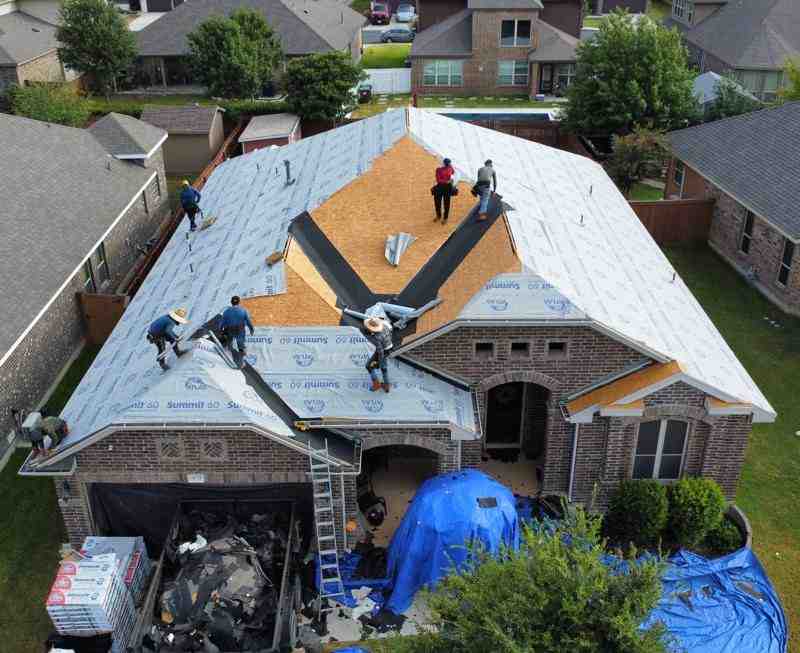
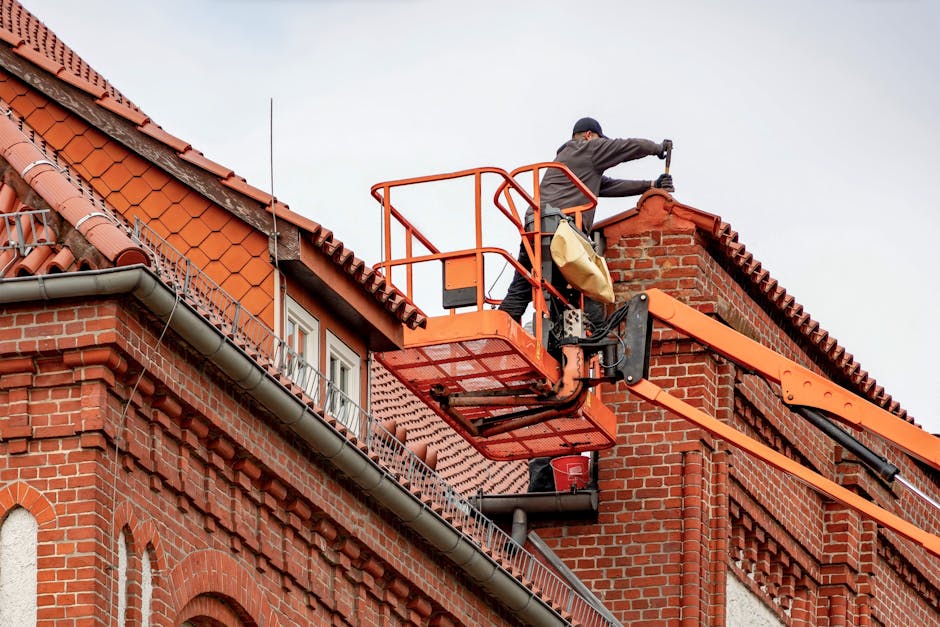
Why the Best Roof Inspection Is Your Home’s Most Important Checkup
A best roof inspection is a systematic, professional evaluation of your roof’s condition — covering structure, materials, interior, and drainage — to catch problems before they become expensive emergencies. When you hire Apex Roofing & General Contractors for your property maintenance, you ensure that every component of your roofing system is scrutinized by experts who understand the unique challenges of the South Texas climate.
What makes a roof inspection the best? Here’s a quick summary:
| Factor | What to Look For |
|---|---|
| Inspector credentials | NRCIA or Haag Certified |
| Inspection scope | Exterior + interior + attic |
| Technology used | Physical, drone, or infrared |
| Documentation | Detailed photo report |
| Objectivity | No pressure to upsell repairs |
| Cost range | $75–$600 depending on method |
Over 85% of properties sold have some form of roof damage or leak — yet most homeowners have no idea until it’s too late. And with 30% of all insurance claims tied directly to water penetration, the stakes are high.
Your roof is your home’s first — and last — line of defense. When it fails, everything inside is at risk: insulation, framing, drywall, and your family’s health. A quick glance from the driveway won’t tell you what’s hiding under loose flashing, in your attic, or behind a cracked shingle.
That’s why understanding what separates a thorough, professional inspection from a rushed once-over is so important — especially for San Antonio homeowners dealing with hail, high winds, and intense heat cycles year-round. If you’re looking for trusted roof inspection services in San Antonio, knowing what “best” actually means gives you the power to ask the right questions and protect your investment.
I’m Carlos Yzaguirre, President of Apex Roofing & General Contractors, and over the years I’ve seen how a truly thorough roof inspection — the kind that goes beyond a surface glance — saves San Antonio homeowners thousands in avoidable repairs. My goal in this guide is to break down exactly what the best roof inspection looks like, so you know what to expect and what to demand.
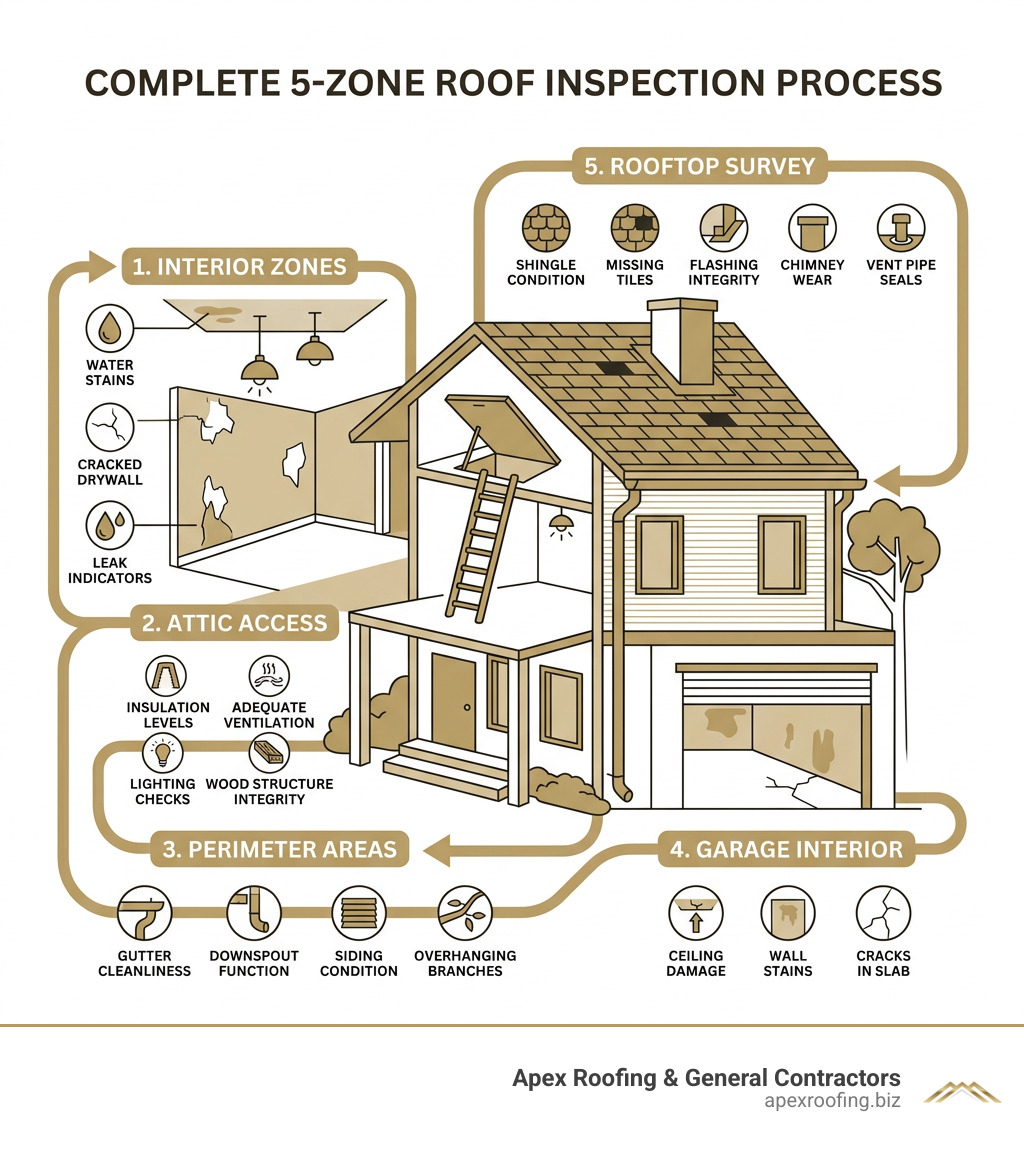
Best roof inspection terms at a glance:
Defining the Best Roof Inspection: More Than a Visual Check
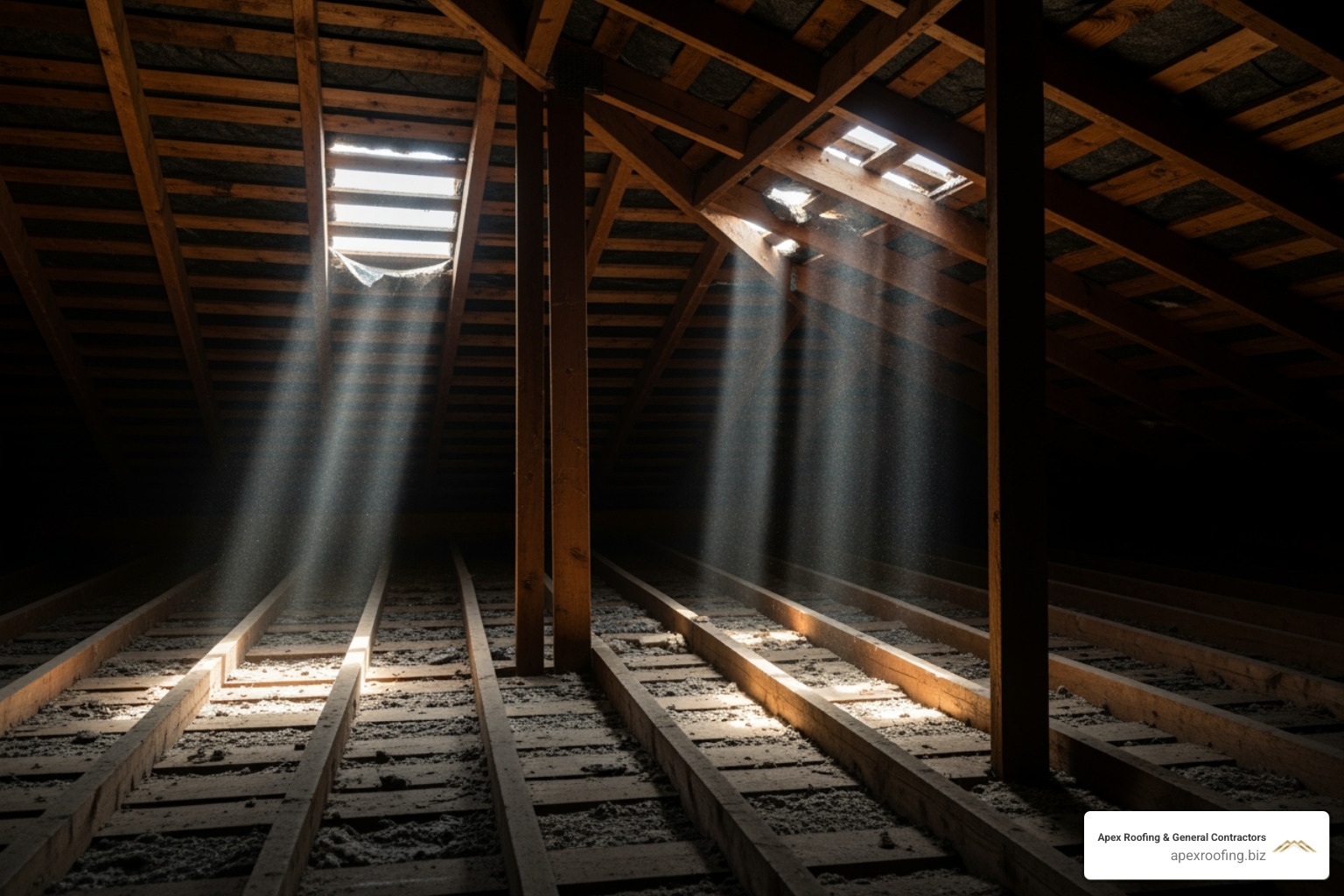
A common misconception among homeowners is that if a roof looks “fine” from the curb, it must be healthy. In reality, the best roof inspection is a deep dive into the anatomy of your home. It isn’t just about shingles; it is about the entire system that keeps you dry.
When we perform a comprehensive roof assessment, we look at several critical zones:
- Structural Integrity: We check for sagging ridgelines or uneven planes in the roof surface. This can indicate broken rafters or failing roof decking.
- Material Health: This involves checking for missing, cracked, or curled shingles, as well as granule loss. For metal or tile roofs, we look for corrosion or cracked underlayment.
- Interior Assessment: One of the most vital parts of a Licensed Roof Inspection happens inside. We look for water stains, mold, or rotting wood on the ceilings and walls.
- Attic Ventilation: Without proper airflow, heat and moisture build up, “cooking” your shingles from the inside out and leading to premature failure.
- Flashing Condition: Flashing is the metal material used to redirect water away from critical areas like chimneys, dormers, and valleys. If this is rusted or pulling away, a leak is inevitable.
- Gutter Functionality: We ensure gutters are securely attached and free of debris. Clogged gutters can back up water under the roof’s edge, causing rot.
Following The Complete Professional Roof Inspection Guide, we ensure that every square inch is accounted for. Using Licensed Roof Inspectors ensures that you aren’t just getting an opinion, but a certified evaluation backed by industry standards.
Why Professional Expertise Matters
You might wonder why you can’t just climb a ladder and look yourself. Beyond the obvious safety risks, a professional brings forensic engineering knowledge to the table. We understand how different materials react to San Antonio’s specific climate.
A pro can distinguish between “cosmetic” hail damage and “functional” damage that will lead to a leak in six months. We also ensure Residential Roof Inspection San Antonio TX compliance with local building codes, which is essential if you ever plan to sell your home or file an insurance claim.
The Role of the Best Roof Inspection Software
Modern inspections are no longer recorded on a crumpled piece of paper. The best roof inspection utilizes specialized software to provide transparency. This technology allows us to provide:
- Digital Documentation: High-resolution photos of every issue found.
- GPS Tagging: Proving exactly where on your roof the photo was taken.
- Real-Time Reporting: Many reports can be generated and emailed to you before we even leave your driveway.
- Cloud Storage: Ensuring your roof’s history is saved for future insurance or real estate needs.
Advanced Technology in Modern Roof Assessments
The roofing industry has moved far beyond just a hammer and a ladder. Today, we use a variety of methods to get the most accurate picture possible of your roof’s health.
| Inspection Type | Average Cost | Best For |
|---|---|---|
| Physical (Manual) | $75 – $200 | Standard shingles, identifying loose flashing, and attic checks. |
| Drone Survey | $150 – $400 | Steep roofs, large commercial properties, and hard-to-reach areas. |
| Infrared / Thermal | $400 – $600 | Detecting hidden moisture, insulation gaps, and energy loss. |
Benefits of Thermal Imaging
Infrared technology is a game-changer for the best roof inspection. Thermal cameras detect heat signatures. Because water holds heat differently than dry building materials, these cameras can “see” moisture trapped under your shingles or inside your insulation that is completely invisible to the naked eye. This non-destructive testing allows us to find leaks before they ever drip through your ceiling.
Using the Best Roof Inspection Tools for Accuracy
We also employ high-tech hardware like:
- Telescopic Poles: For high-resolution photography of gutters and eaves without needing a ladder for every small detail.
- Moisture Meters: To confirm if a “stain” in the attic is an active leak or an old, dry spot.
- 3D Modeling: Drones can create a complete 3D map of your roof, providing exact measurements for repairs or replacements.
When and How Often to Schedule Your Inspection
Timing is everything. Waiting for a leak to appear is the most expensive way to manage a roof. Instead, a proactive approach is required.
- Annual Maintenance: You should schedule a professional roof inspection at least once a year. In San Antonio, early fall or spring are the best times, as this prepares your roof for the upcoming storm or heat seasons.
- Post-Storm Recovery: After a major hail event or high-wind storm, you need a Storm Damage Roof Inspection Guide assessment. Even if you don’t see shingles on the lawn, hail can “bruise” the matting of your shingles, leading to failure months later.
- Real Estate Escrow: If you are buying or selling, a standard home inspection is rarely enough. Most home inspectors are generalists; you need a specialist to verify the roof’s remaining life.
- Warranty Compliance: Many shingle manufacturers require regular inspections to keep your long-term warranty valid.
Identifying the Best Roof Inspection Warning Signs
If you notice any of the following, do not wait for your annual checkup. Call us immediately:
- Ceiling Stains: Yellow, brown, or grey rings on your ceiling or walls.
- Missing Granules: If your gutters look like they are filled with “sand,” your shingles are losing their protective coating.
- Curled or Cracked Shingles: A sign that the material has reached the end of its lifespan.
- Sagging: Any dip in the roofline is a structural emergency.
- Pest Intrusion: If squirrels or raccoons are getting in, there is a hole in your roof system.
Consulting What the Pros Look For: The Complete Roof Inspection Checklist can help you perform your own ground-level visual check between professional visits.
Seasonal Timing for Optimal Results
In Texas, we deal with “thermal shock”—the rapid expansion and contraction of roofing materials as temperatures swing from 100 degrees in the afternoon to 70 at night. This stress causes shingles to crack and sealant to fail. Scheduling your inspection during the spring transition allows us to fix winter damage before the summer heat arrives.
Understanding Costs and Choosing a Qualified Inspector
Nationally, homeowners pay between $125 and $571 for a professional roof inspection, with a national average of $331. In San Antonio, prices usually fall within the $200 to $400 range for a standard residential property.
Factors Influencing Inspection Price
Several variables can change the quote you receive:
- Roof Pitch: Steep roofs require specialized safety equipment and more time to navigate.
- Square Footage: Larger homes simply have more “ground” to cover.
- Material Type: Inspecting a complex tile or slate roof takes more expertise than a standard asphalt shingle roof.
- Technology: If you request drone or infrared services, the price will reflect the use of that advanced equipment.
Avoiding Free Inspection Scams
You will often see “Free Roof Inspection” signs after a storm. While many legitimate companies (including us!) offer free initial assessments to help homeowners, you must be careful.
A “scam” inspection often involves a “storm chaser” who claims you have damage that doesn’t exist just to get an insurance payout. To find the best roof inspection, look for Haag Certified Inspectors. This certification means the inspector has been trained by forensic engineers to identify real damage. Always check for a local address, BBB accreditation, and Roof Inspection Services Near Me Compare Choose and Conquer reviews.
Frequently Asked Questions about Roof Inspections
How much does a professional roof inspection cost?
While some initial assessments are free, a certified, written report for real estate or insurance purposes typically costs between $200 and $600. The national average sits around $331. Physical inspections are the most affordable, while infrared moisture detection is the most expensive due to the equipment required.
How does a roof inspection differ from a home inspection?
A home inspector is a “jack of all trades.” They check the HVAC, plumbing, and electrical systems, but they often only look at the roof from the ground or a ladder. A certified roof inspector has specialized training to find subtle defects, attic ventilation issues, and structural fatigue that a generalist will likely miss. In fact, 98% of homes sold have a home inspection, yet 85% are still found to have roof issues later.
Is a drone inspection as good as a physical inspection?
Drones are excellent for getting high-resolution photos of steep or dangerous areas and providing a total overview of the roof. However, a drone cannot “feel” if a shingle is brittle or look inside your attic for leaks. The best roof inspection usually combines drone technology for the “big picture” and a physical walk-through (where safe) for the details.
Conclusion: Protecting Your Home with Expert Oversight
Finding the best roof inspection in San Antonio doesn’t have to be a chore. It is an investment in your home’s future. By choosing a team that understands the local climate, utilizes modern technology, and holds the highest industry certifications, you can rest easy knowing your “unsung hero”—your roof—is ready for whatever the Texas sky throws at it.
At Apex Roofing & General Contractors, we pride ourselves on transparent communication and reliable service that complies with all San Antonio building codes. We don’t just look at your shingles; we look at your home’s safety.
Whether you need a Certified Roof Inspector in San Antonio or a Free Storm Damage Roof Inspection, we are here to help you conquer your roofing challenges. Reach out to the top-rated roofers in San Antonio today to schedule your professional roof inspection! Contact us now for free estimates and call (726) 727-7663 to schedule your free inspection.