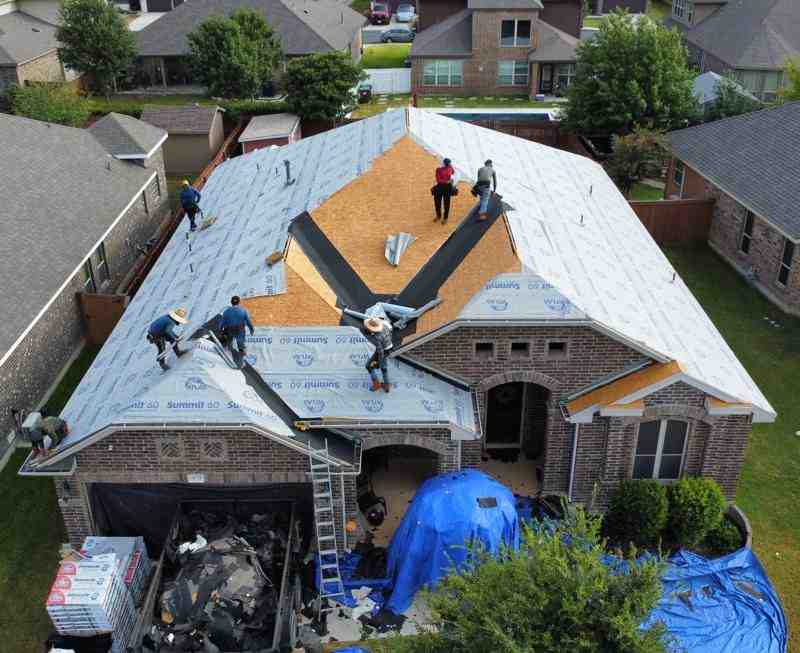
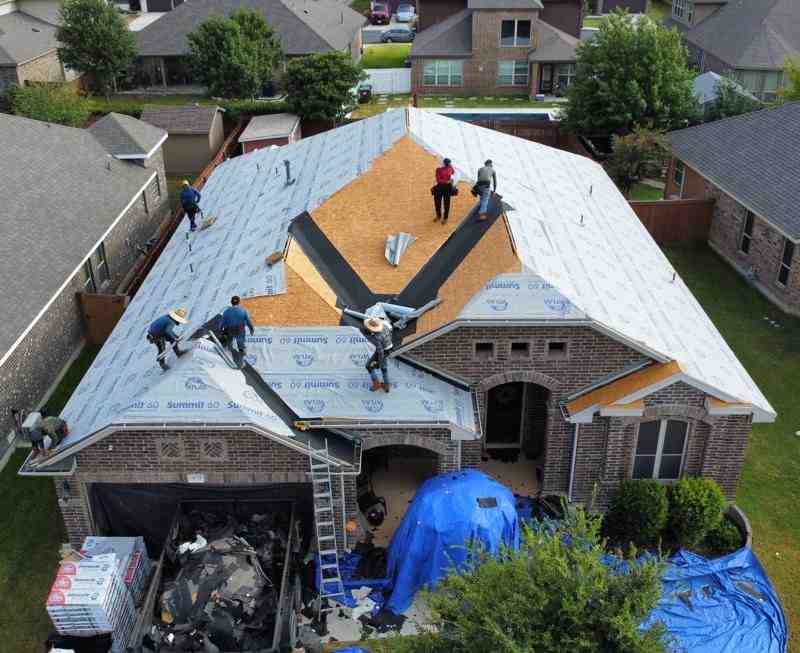
Understanding Storm Damage in Leon Valley: What Every Homeowner Needs to Know
Storm damage Leon Valley homeowners face includes wind damage from severe thunderstorms, hail impacts, and flash flooding that can compromise your roof and property structure. Here’s what you need to know immediately:
- Wind Damage: Severe storms can produce gusts of 60-80 mph, causing missing shingles, lifted materials, and debris impacts
- Hail Damage: Leon Valley has experienced 59 Doppler-detected hail events, with sizes ranging from quarter-sized to golf ball-sized
- Water Intrusion: Flash floods and heavy rainfall can overwhelm drainage systems, leading to roof leaks and structural damage
- Power Outages: Hundreds of residents have experienced extended outages requiring emergency response
Severe weather is a reality for Texas homeowners, and when a storm hits, the aftermath can be overwhelming. Leon Valley has been under severe weather warnings 16 times in the past 12 months, with residents reporting downed trees, flooded roadways, and significant property damage. For those in need of immediate and certified roofing services, understanding the scope of the damage is the first step. One resident described watching a storm “rip the porch off a neighbor’s house, with trees down everywhere and a lot of debris.” The uncertainty doesn’t end when the winds die down—determining whether you’ve experienced tornado damage, straight-line winds, or severe hail often requires professional assessment.
The good news is that taking swift, informed action can protect your property from further harm and streamline your recovery process. Whether you’re dealing with a missing shingle or major structural concerns, understanding the repair process and available resources makes all the difference. For homeowners seeking reliable assistance, understanding your options for professional storm damage repair is the first step toward restoration.
As Carlos Yzaguirre, President of Apex Roofing & General Contractors, I’ve helped countless homeowners steer storm damage Leon Valley recovery with comprehensive roofing solutions across the San Antonio area. My team specializes in emergency response, insurance claims assistance, and quality repairs that protect your home for the long term.
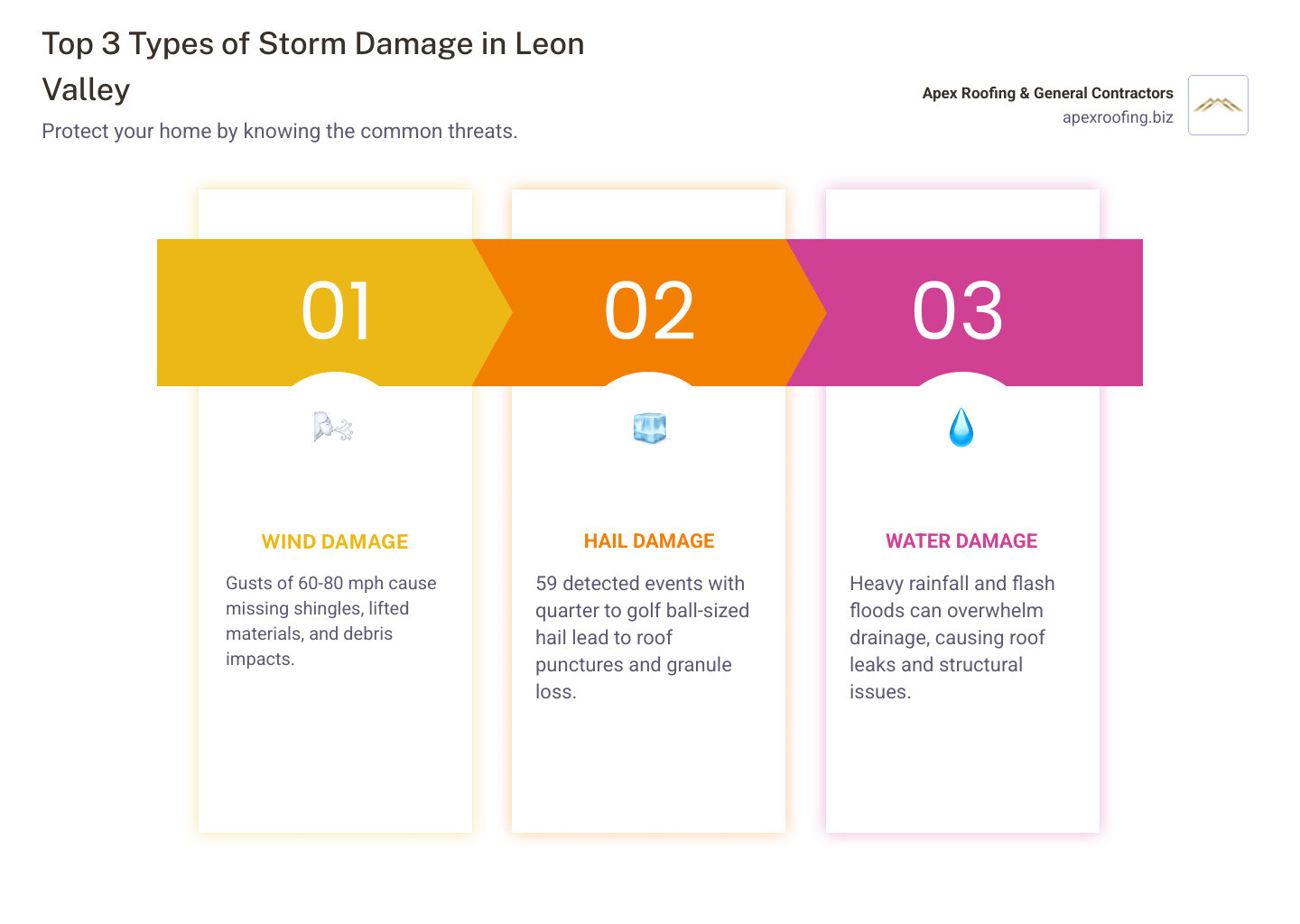
Important storm damage Leon Valley terms:
Immediate Steps After a Storm: Safety and Tarping
When a severe storm leaves its mark on Leon Valley, our first priority is always safety. Before even thinking about repairs, it’s crucial to ensure that your property is safe for you and your family. Once the immediate dangers are addressed, protecting your home from further damage, particularly water intrusion, becomes paramount. This is where emergency roof tarping plays a critical role, offering a temporary shield until permanent repairs can begin. When faced with significant damage, knowing An overview of emergency roof repair in Leon Valley can provide immediate next steps.
Prioritizing Safety for Your Family
The moments immediately following a severe storm can be chaotic and dangerous. Our experience shows that downed power lines, gas leaks, and compromised structural integrity pose serious threats. We strongly advise residents to:
- Stay Clear of Downed Power Lines: Always assume a downed line is live. Keep a safe distance and report it immediately to CPS Energy at (210) 353-5952.
- Check for Gas Leaks: If you smell gas, evacuate your home immediately and call 911 from a safe location. Do not use electrical devices or light matches.
- Assess Structural Stability: Look for significant cracks in walls, sagging ceilings, or shifted foundations. If you suspect structural damage, do not enter the building until it has been deemed safe by a professional.
- Avoid Flooded Areas: Leon Valley has a history of flash flooding, especially around Leon Creek and areas like Raymond Rimkus Park. As the City of Leon Valley advises, “Turn Around, Don’t Drown!” Flash floods can happen with little to no warning, making roads impassable in less than 30 seconds.
- Know Your Evacuation Routes: Be aware of designated routes and emergency shelters. The City of Leon Valley’s “Prepare for Floods” initiative provides valuable resources, including how to sign up for emergency text alerts regarding rising floodwaters.
- Contact Emergency Services: For immediate dangers or injuries, always call 911.
Your safety and the safety of your loved ones come first. No property damage is worth risking a life.
How to Secure Your Property with an Emergency Roof Tarp
Once the immediate safety concerns are addressed, preventing secondary damage, especially from water, is crucial. A damaged roof can quickly lead to extensive interior water damage, mold growth, and further structural issues. Emergency roof tarping is a vital temporary solution.
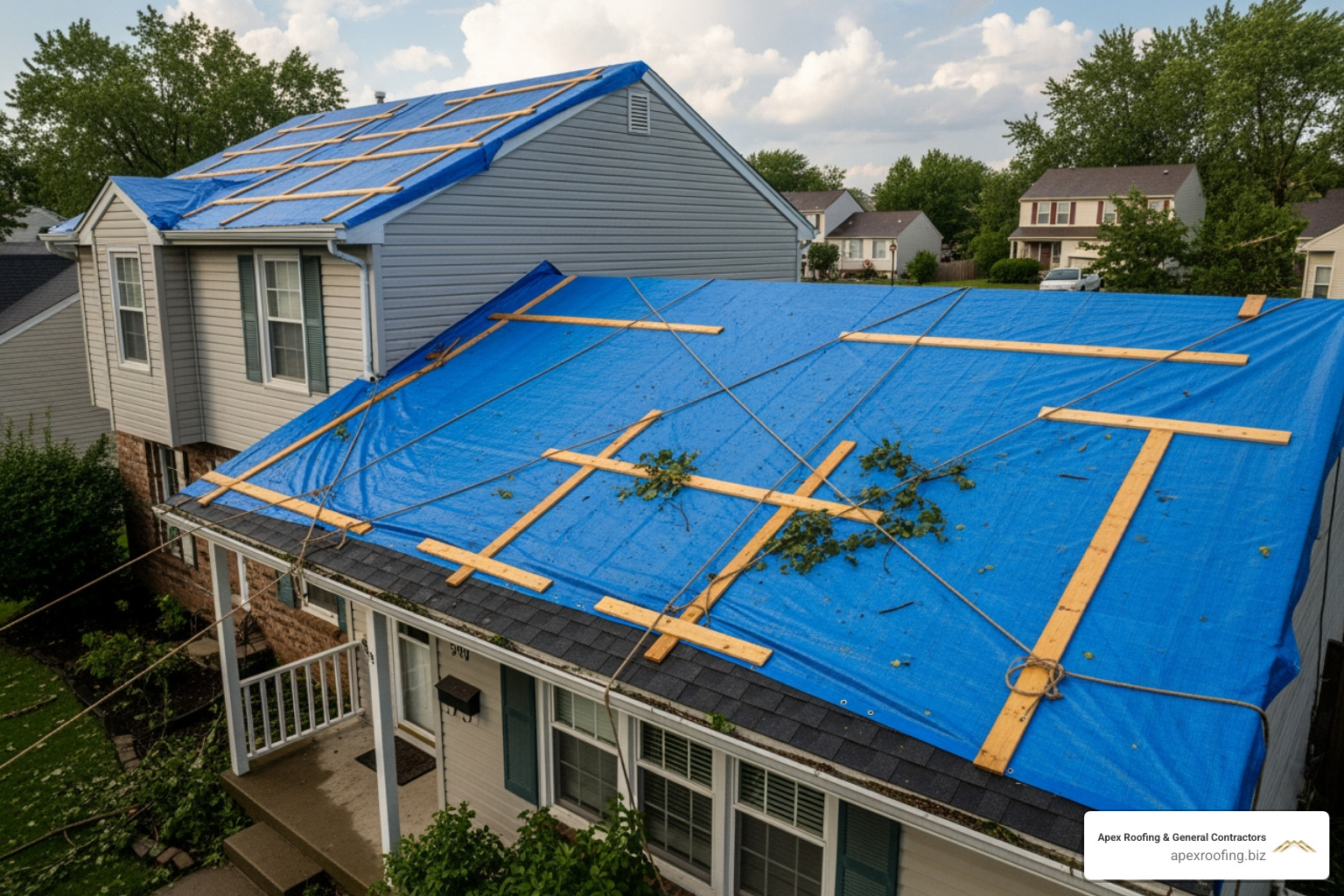
While some homeowners might attempt DIY tarping, we often recommend professional assistance for safety and effectiveness. Climbing onto a damaged roof can be extremely hazardous, particularly after a storm when surfaces might be slippery or unstable. Our certified professionals are equipped with the right tools and expertise to safely and effectively install a temporary roof tarp.
Essential supplies for temporary roof tarping include:
- Heavy-duty tarps: Choose tarps made of durable, waterproof material, ideally reinforced.
- Wood planks (2x4s): Used to secure the tarp edges.
- Roofing nails or screws: Long enough to penetrate the roof sheathing without causing further damage.
- Hammer or drill: For securing the planks.
- Utility knife or scissors: For cutting the tarp if needed.
- Ladder: Ensure it’s stable and placed on solid, level ground.
- Safety gear: Gloves, non-slip footwear, and a safety harness are strongly recommended.
When installing, ensure the tarp extends several feet beyond the damaged area on all sides, directing water away from the compromised section. Secure the edges by rolling the tarp ends around 2x4s and nailing them firmly into the roof, especially along the eave. This creates a tight seal that can withstand further wind and rain. However, the best practice is to call us for expert emergency roof repair Leon Valley to ensure the job is done safely and correctly, preventing further complications.
Navigating Storm Damage Leon Valley: A Step-by-Step Assessment Guide
After the storm passes, the real work of assessing the damage begins. This phase is critical not only for planning repairs but also for insurance claims. Our team at Apex Roofing & General Contractors provides comprehensive damage assessments, but here’s what you can look for initially.
Understanding Common Types of Storm Damage in Leon Valley
Leon Valley, situated in the heart of Texas, experiences a variety of severe weather phenomena. We see everything from powerful winds that rip through neighborhoods to hailstorms that pelt roofs and flash floods that inundate streets. Understanding these common types of damage is key to a thorough assessment.

- Wind Damage: Strong winds, often reaching 60-80 mph during severe thunderstorms, are a frequent culprit. These high winds can cause:
- Missing Shingles: The most obvious sign, where entire shingles or sections are blown off, leaving the underlayment exposed.
- Lifted Shingles: Even if not completely detached, wind can lift shingles, breaking the sealant and creating vulnerable points for water intrusion.
- Debris Impact: Falling tree branches or other airborne debris can puncture or tear roofing materials.
- Hail Damage: Leon Valley has a notable history of hail events. Doppler radar has detected hail at or near Leon Valley on 59 occasions, including two times in the past year. While trained spotters have not reported on-the-ground hail, the radar’s detection confirms that hail is a recurring threat to local properties. Hail damage often manifests as:
- Dents and Bruising: Hailstones, which can range from quarter-sized to golf ball-sized, leave circular indentations on shingles, especially asphalt.
- Granule Loss: The protective granules on asphalt shingles can be dislodged by hail impact, exposing the asphalt layer to harmful UV rays and accelerating deterioration.
- Cracks and Punctures: Larger or irregularly shaped hailstones can crack or even puncture shingles, creating direct entry points for water. For more detailed information, check out our guide on What hail damage looks like on a roof.
- Water Damage: Heavy rainfall and flash floods are another significant concern. Leon Creek, for instance, has been known to flood roads, parks, and trails after heavy rain. This can lead to:
- Ceiling Stains: Water seeping through a damaged roof often leaves discolored spots or rings on interior ceilings.
- Wall Discoloration: Similar to ceilings, water can wick down walls, causing paint to peel or wallpaper to bubble.
- Mold Growth: Persistent moisture from leaks creates an ideal environment for mold and mildew, which can pose health risks and further damage your home’s structure.
Documenting Damage for Insurance Claims
Thorough documentation is your best friend when filing an insurance claim. Without clear evidence, your claim might be delayed or even denied. We always advise homeowners to:
- Take Photos and Videos: Capture every angle of the damage, both exterior (roof, siding, windows, fences, landscape) and interior (ceilings, walls, personal belongings). Use a drone for inspection if possible, or hire a professional who can. The more visual evidence, the better.
- Detailed Notes: Keep a log of the storm’s date and time, what you observed, and when you finded the damage. Note specific measurements or descriptions of damaged items.
- Keep Receipts for Temporary Repairs: If you had to install a tarp or make any emergency repairs to prevent further damage, save all receipts. Your insurance policy may cover these expenses.
- Organize Documentation: Create a dedicated folder (digital and/or physical) for all photos, videos, notes, and receipts related to the storm damage.
- The Importance of a Detailed Damage Report: This is where our expertise truly shines. We can provide a professional, detailed damage report that clearly outlines the extent of the storm’s impact, complete with photos and estimated repair costs. This comprehensive report significantly strengthens your insurance claim.
Understanding Leon Valley’s Weather & Local Resources
Leon Valley’s unique climate and geography make it particularly susceptible to severe weather events. Understanding these patterns and knowing where to find local support is crucial for effective storm preparedness and recovery.
Local Weather Patterns: Hail, Wind, and Flooding
Living in Leon Valley means being prepared for dynamic weather. Our region is known for its intense thunderstorms, which frequently bring hail, strong winds, and heavy rainfall.
- Hail Frequency: While Leon Valley, TX has had 0 reports of on-the-ground hail by trained spotters, Doppler radar has detected hail at or near Leon Valley, TX on 59 occasions, including 2 occasions during the past year. This discrepancy highlights that while large hail may not always accumulate on the ground or be reported by spotters, it is still a frequent occurrence that can impact roofs and property. You can explore the history of hail events in detail on the Interactive Hail Map for Leon Valley, TX.
- Wind Gust Speeds: Severe thunderstorms often produce wind gusts of 60 mph or higher, with some events seeing gusts up to 80 mph. These straight-line winds can cause significant damage to roofs, siding, and trees. The National Weather Service actively analyzes data to determine if an event was caused by straight-line winds, heavy winds, or, in rarer cases, a tornado. Residents often describe the intense force, with one homeowner noting it took nearly three hours to clear fallen trees that blocked access to their property.
- Tornado Potential vs. Straight-Line Winds: While many residents might suspect a tornado, official classifications are made by the National Weather Service after careful analysis. Straight-line winds can cause damage just as severe as a weaker tornado, characterized by debris scattered in a linear direction rather than a rotational pattern.
- Flood Monitoring Systems: Recognizing the risk of flash floods, the City of Leon Valley has proactively implemented a robust flood monitoring system. This system includes three monitoring stations for flood forecasting and early detection of flood conditions. These stations are solar-powered and designed to operate even during extreme weather events, ensuring continuous data collection. The system is also capable of expanding to include hardware for high water detection to warn drivers. For residents in or near a Special Flood Hazard Area, the city offers automatic text alerts to cell phones in response to rising flood waters, a vital tool for timely evacuation. You can sign up for these alerts by contacting Assistant Fire Chief Eric Burnside.
City of Leon Valley: Permits and Resident Support
Navigating the aftermath of a storm isn’t just about physical repairs; it’s also about understanding local regulations and available resources. The City of Leon Valley provides essential guidance for residents during recovery.
- Permit Requirements for Structural Repairs: When undertaking significant repairs, it’s crucial to comply with city regulations. A City of Leon Valley permit and inspection is required for projects that affect the structure of a building or its electrical, mechanical, or plumbing systems. This ensures that repairs are performed safely and meet established building codes. We, at Apex Roofing & General Contractors, ensure all our work is compliant with local codes, providing you peace of mind.
- When a Permit is Not Needed: For minor cosmetic work, such as drywall repairs or carpet replacements, a permit is generally not required. However, if your repair involves any structural elements or critical systems, always check with the Planning & Zoning Department.
- Official Guidance on Rebuilding and Restoring: The city offers detailed advice on property recovery. Their Official guidance on rebuilding and restoring your property page is an invaluable resource, providing information on flood-repair permits and general restoration advice.
- Finding Registered Contractors: For work requiring a city permit, contractors must be registered with the City of Leon Valley. The city’s website often provides a ‘Contractor Business Registry’ to help residents find qualified professionals. Choosing a local, registered contractor like us ensures adherence to local standards and accountability.
- Public Works Department Role: The Public Works department is instrumental in post-storm recovery efforts, especially regarding public infrastructure. They are responsible for streets, sidewalks, curbs, drains, and right-of-ways. After a storm, they lead debris cleanup efforts, clear flooded roadways, and work to restore essential services. Information regarding street maintenance and debris removal can often be found on the Streets department page.
The Professional Repair and Restoration Process
After a storm, the journey from damage to full recovery can seem daunting. But with the right approach and a trusted partner, it becomes a clear, manageable process. We at Apex Roofing & General Contractors are here to guide you through every step, ensuring your home is restored to its pre-storm condition, or even better.
The Repair Process for Storm Damage in Leon Valley
Our comprehensive repair process is designed to be as seamless and stress-free as possible for Leon Valley homeowners. We understand the urgency and the need for clear communication.
- Initial Inspection and Estimate: The process begins with a thorough, no-obligation inspection of your property. Our certified experts will carefully assess all visible and hidden storm damage, from the roof to siding and other exterior components. We’ll use advanced techniques, including drone inspections, to ensure no detail is missed. Following the inspection, we provide a detailed, transparent estimate outlining the scope of work and associated costs.
- Filing an Insurance Claim: Dealing with insurance companies can be complex. We act as your advocate, assisting you in navigating the insurance claims process. We help you understand your policy, prepare the necessary documentation, and communicate with adjusters to ensure all damage is properly accounted for and covered.
- Choosing Materials: We believe in offering the best. Our team will present you with a range of high-quality, durable roofing materials and options that suit Leon Valley’s climate, your home’s aesthetics, and your budget. We guide you through the selection, explaining the benefits of each choice.
- Scheduling the Repair Work: Once the scope and materials are approved, we schedule the repair work at your convenience. We pride ourselves on efficient project management and transparent communication, keeping you informed of timelines and progress. Our goal is to complete the repairs promptly and to the highest standards.
- Project Completion and Final Walkthrough: Upon completion of the repairs, we conduct a final walkthrough with you to ensure your complete satisfaction. We address any questions or concerns and provide all necessary documentation, including warranties. We also offer flexible Information on financing for roofing projects to ease the financial burden.
Choosing a Reputable Roofing Contractor
The choice of a roofing contractor can significantly impact the quality and longevity of your storm damage repairs. Unfortunately, severe weather often brings “storm chasers” who offer quick fixes but disappear when problems arise. We advise Leon Valley residents to choose a reputable local roofer who is invested in the community.
| Qualities of a Reputable Local Roofer | Qualities of a “Storm Chaser” |
|---|---|
| Licensed and Insured | Often unlicensed/underinsured |
| Strong Local Reputation | No local presence or track record |
| Physical Local Address | Operates out of vehicles or temporary offices |
| Transparent Communication | High-pressure sales tactics |
| Written Warranties | Vague or non-existent warranties |
| Understands Local Codes | May disregard local building codes |
| Offers Financing Options | Demands full payment upfront |
| Assists with Insurance Claims | Minimal or no insurance claim support |
Here’s what to look for:
- Licensed and Insured: Always verify that your contractor holds the necessary licenses and comprehensive insurance. This protects you from liability in case of accidents or faulty workmanship.
- Local Reputation: A contractor with a strong local presence and positive reviews in Leon Valley and the wider San Antonio area demonstrates a commitment to quality and customer satisfaction. Ask for local references.
- Industry Certifications: Look for certifications from leading manufacturers. These indicate that the contractor has met rigorous standards for quality and expertise.
- Written Warranties: A reputable contractor will provide clear, written warranties on both materials and workmanship, giving you long-term peace of mind.
- Transparent Communication: We pride ourselves on open and honest communication throughout the entire process, from initial inspection to project completion.
- Understanding of Local Building Codes: Our team is well-versed in Leon Valley’s specific building codes and permit requirements, ensuring all repairs are compliant and structurally sound. This is particularly important as a City of Leon Valley permit and inspection is required for projects that affect the structure of a building or its electrical, mechanical, or plumbing systems.
Frequently Asked Questions about Storm Damage
We often hear similar questions from homeowners struggling with storm damage. Here are some of the most common inquiries and our expert answers.
What size hail causes roof damage in Texas?
Hail as small as one inch in diameter (quarter-sized) can cause significant granule loss on asphalt shingles, which compromises the roof’s integrity. These seemingly minor impacts can expose the underlying asphalt to UV radiation, leading to accelerated aging and weakening of the shingle. Larger hail, such as half-dollar, golf ball, or even two-inch diameters, can create more obvious damage, including dents, cracks, and punctures in shingles, gutters, and even siding. While 0 on-the-ground hail reports by trained spotters were noted for Leon Valley, Doppler radar detected hail on 59 occasions, indicating that even small, unobserved hail can contribute to cumulative damage over time. It’s crucial to get a professional assessment after any hail event, as damage isn’t always immediately visible. For a deeper dive into identifying these issues, refer to our comprehensive guide on roof storm damage.
How long do I have to file an insurance claim after a storm?
Most Texas insurance policies require homeowners to file a claim within one year of the storm event. This one-year window typically applies to the date the damage occurred. However, it is crucial to report the damage as soon as possible to prevent further issues and ensure a smoother claims process. Delays can lead to complications, such as the insurance company arguing that new damage has occurred since the storm, or that the delay exacerbated the original damage. Early reporting also allows for prompt temporary repairs, preventing costlier secondary damage that might not be fully covered if neglected.
Is a city permit required for all storm damage repairs in Leon Valley?
No, a permit is not required for all storm damage repairs in Leon Valley. Minor cosmetic work, such as drywall repairs or carpet replacements, typically does not require a permit. However, a City of Leon Valley permit and inspection are mandatory for any project that affects a building’s structure or its electrical, mechanical, or plumbing systems. This includes most significant roof repairs, especially those involving replacement of sheathing, structural components, or a full roof replacement. Failure to obtain necessary permits can lead to fines, delays, and issues with future property sales. It’s always best to consult with the Leon Valley Planning & Zoning Department or a knowledgeable contractor like us to determine specific permit requirements for your repairs. The city’s Rebuild and Restore page provides detailed guidance on these regulations.
Conclusion: Restoring Your Peace of Mind
Dealing with storm damage Leon Valley can be a challenging experience for any homeowner. From the initial shock of a damaged property to navigating insurance claims and coordinating repairs, the process requires patience and informed decision-making. We’ve seen how Leon Valley homeowners face significant weather challenges, from intense winds and hail to flash flooding, often leading to downed trees, power outages, and structural concerns.
The key to a successful recovery lies in taking swift action, prioritizing safety, thoroughly documenting damage, and choosing a reputable, local contractor. Emergency roof tarping is a vital first step to prevent further water intrusion, and a detailed professional assessment is crucial for both effective repairs and a smooth insurance claim.
At Apex Roofing & General Contractors, we understand the unique weather patterns and local regulations that impact Leon Valley. Our commitment to certified, reliable service, transparent communication, and compliance with local building codes ensures that your home is not just repaired but restored with lasting quality. We’re here to be your trusted partner throughout the entire process, helping you steer the complexities of storm damage and bringing you back to a state of peace of mind.
For a comprehensive inspection, reliable repairs, and a free estimate from a trusted team of roofers in Leon Valley, call us today at (726) 727-7663 to schedule your free inspection. Let us help you weather the storm and rebuild stronger.