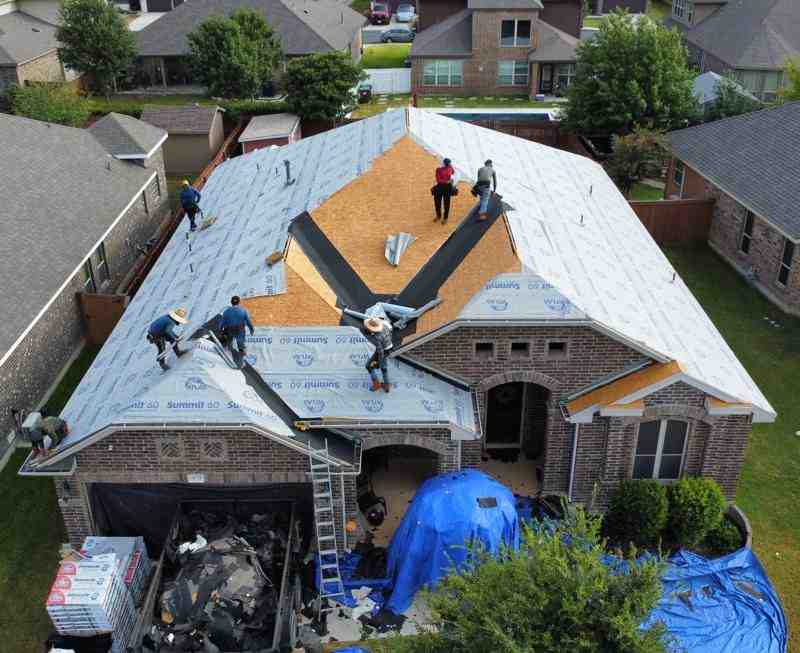
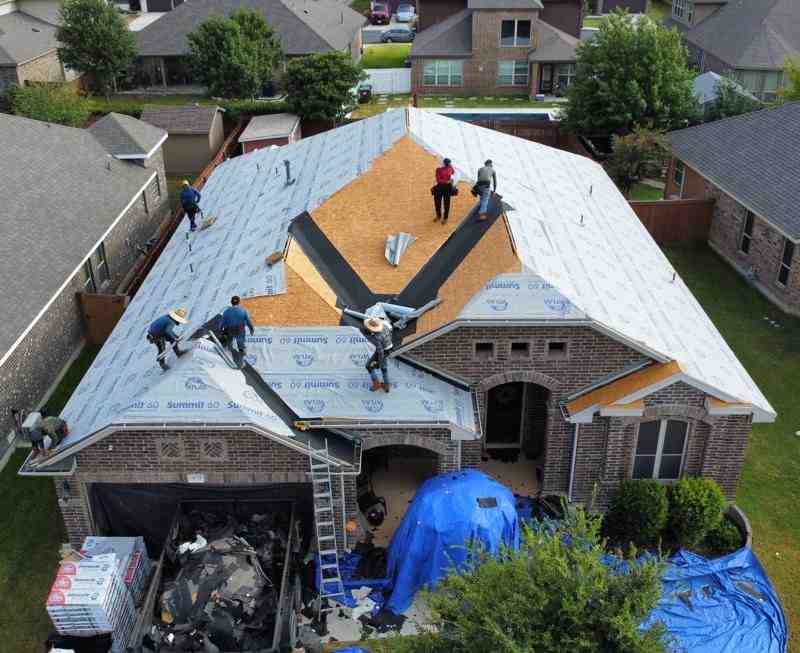
Why Timely Shingle Roof Repair Protects Your Home
Shingle roof repair is one of the most critical maintenance tasks homeowners face, yet many wait too long to address minor issues that can escalate into costly replacements. Whether you’re dealing with a few missing shingles after a storm or noticing granules accumulating in your gutters, understanding when and how to repair your roof can save you thousands of dollars. For homeowners in San Antonio and surrounding areas seeking comprehensive roofing services with transparent pricing and reliable workmanship, acting quickly on shingle damage prevents minor issues from becoming major structural problems.
Quick Answer: When to Repair Shingle Roofs
- Minor damage (1-5 shingles): Typically costs $800-$1,200 to repair
- Leak detection and repair: Usually ranges from $1,000-$1,600
- Average repair cost: $950 nationwide (most repairs fall between $360-$1,830)
- Best time to repair: Immediately upon noticing damage to prevent water infiltration
- Consider replacement if: Your roof is over 20 years old or more than 25% of shingles are damaged
Common signs your roof needs immediate attention:
- Curled, cracked, or missing shingles
- Granules collecting in gutters and downspouts
- Water stains on ceilings or walls
- Visible light coming through the roof deck
- Blistering or bubbling shingles
- Sagging sections of the roof
- Moss or algae growth
- Damaged flashing around chimneys and vents
I’m Carlos Yzaguirre, President and Managing Partner of Apex Roofing & General Contractors, and since co-founding the company in 2022, I’ve helped hundreds of San Antonio homeowners steer shingle roof repair decisions with honest advice and quality craftsmanship. Throughout this guide, I’ll share the essential knowledge you need to identify damage early, understand your repair options, and make informed decisions about protecting your home.
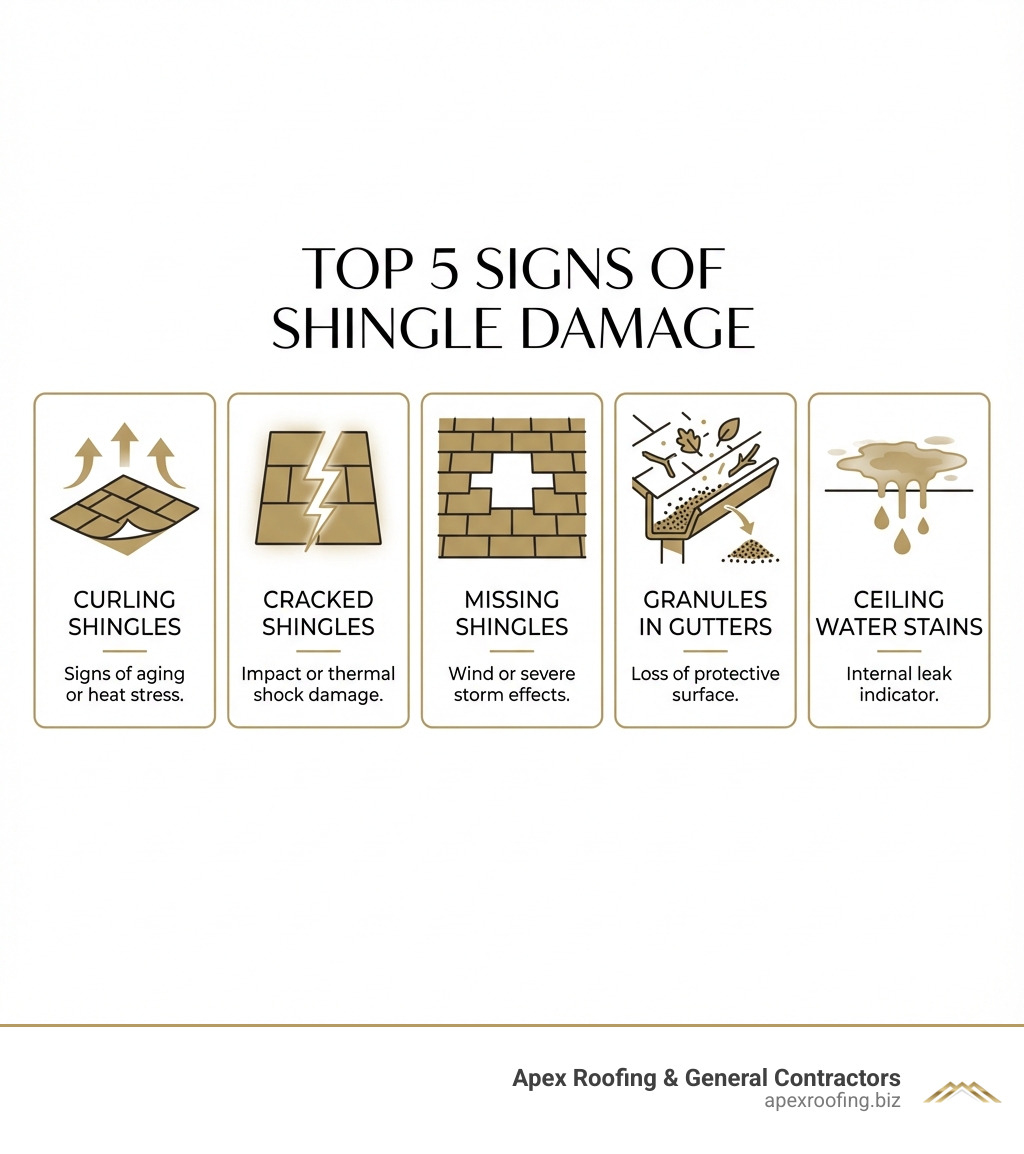
Identifying Shingle Damage: Signs and Causes
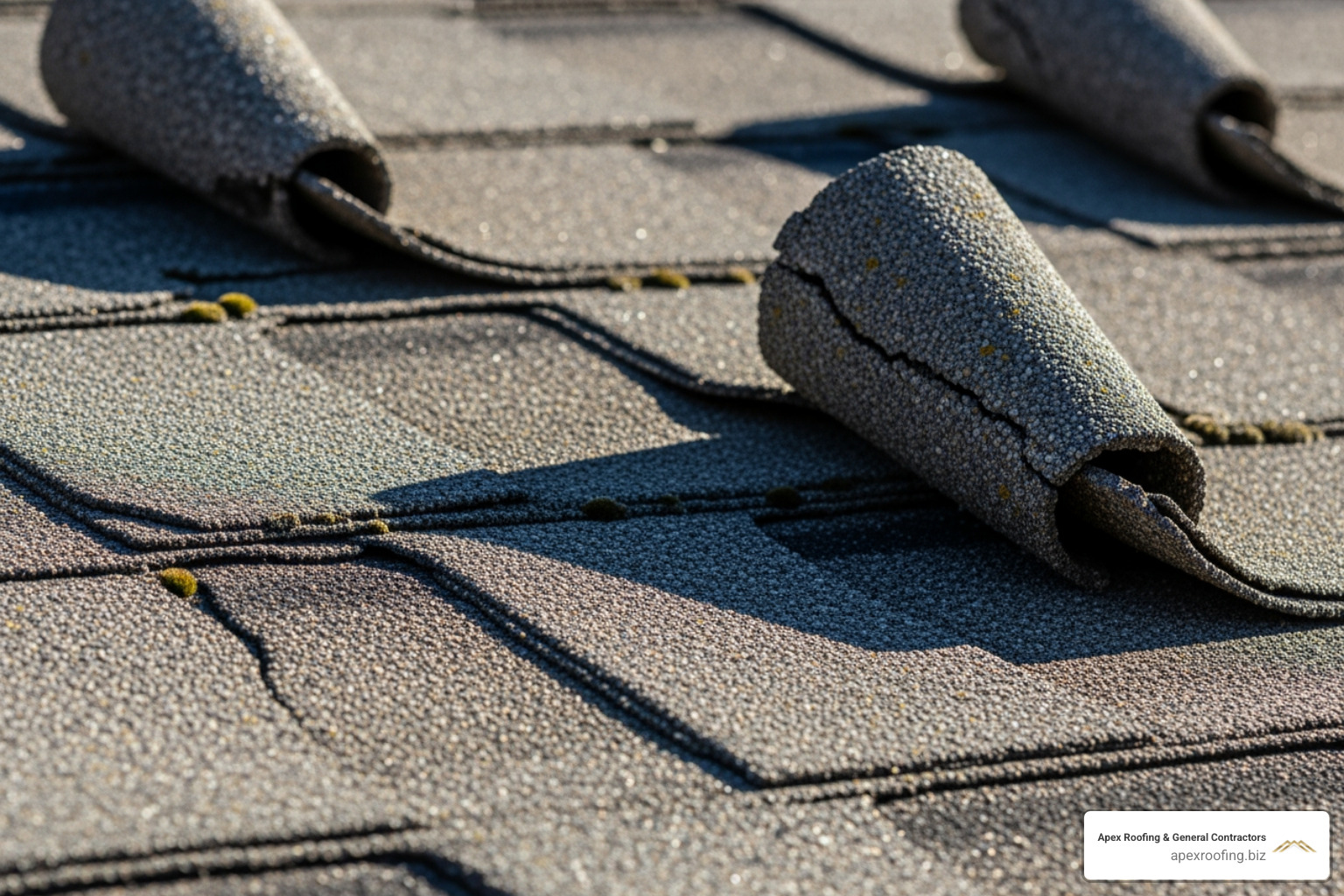
A properly maintained roof is your home’s first line of defense against the elements. However, even the most durable roofs can suffer damage over time. This section will help homeowners spot the early warnings that their roof needs attention, allowing us to address issues before they escalate.
Common Signs Your Shingles Need Repair
Recognizing the signs of shingle damage early is crucial for effective shingle roof repair. Here’s what to look for:
- Cracked or Split Shingles: These are often a result of aging, UV exposure, or wind damage. Cracks compromise the shingle’s ability to shed water, leading to potential leaks.
- Curling or Clawing Shingle Edges: Shingles can curl upwards (cupping) or downwards (clawing) due to age, heat exposure, or improper installation. This exposes the underlying layers to moisture and wind.
- Missing Shingles After a Storm: High winds are a common culprit for dislodging or tearing off shingles. Even one missing shingle can expose the roof deck to severe weather.
- Bald Spots with Granule Loss: The granular surface of asphalt shingles protects them from UV rays. When these granules wear off, exposing the asphalt, the shingle’s lifespan is drastically reduced, and it becomes more vulnerable to damage. You might notice these granules accumulating in your gutters.
- Algae or Moss Growth: While often aesthetic, extensive algae or moss can trap moisture against the shingles, leading to premature deterioration and even rot.
- Water Stains on Interior Ceilings or Walls: This is a clear indicator of a roof leak. Water stains often appear as discoloration or peeling paint and can lead to mold if not addressed promptly.
- Sagging Roof Deck: A sagging roof is a serious structural issue, often indicating water damage to the underlying decking or framing. This requires immediate professional assessment.
- Blistering Shingles: Small raised areas on the shingle surface can form due to trapped moisture or poor ventilation, eventually leading to cracks.
- Shingles Lifting During Strong Winds: This indicates a weakened seal or improper fastening, leaving your roof vulnerable to further damage during future storms.
What Causes Shingle Roof Damage?
Understanding the root causes of shingle damage can help us prevent future issues and choose the right repair strategy.
- Weather Exposure: Our San Antonio climate, with its intense sun, occasional hail, high winds, and heavy rain, is a primary factor. Hail can create impact marks, high winds can lift or tear off shingles, and prolonged rain can exploit any weakness.
- UV Radiation from the Sun: Over time, the sun’s ultraviolet rays break down the asphalt in shingles, making them brittle and causing granules to shed, leading to premature aging.
- Age and Material Degradation: Shingles have a finite lifespan, typically 15-30 years depending on the type. As they age, they naturally become less flexible and more prone to cracking, curling, and granule loss.
- Poor Attic Ventilation: Inadequate ventilation traps heat and moisture in the attic, which can bake the shingles from below, accelerating their deterioration and leading to issues like curling and blistering.
- Ice Dams in Colder Climates: While less common in San Antonio, ice dams can force water under shingles, leading to leaks and damage. Learn how to prevent ice dams in regions where they are a concern.
- Impact from Falling Debris: Tree limbs, hail, or other debris can directly damage shingles, creating cracks, holes, or even dislodging entire sections.
- Poor Installation: Incorrect shingle placement, improper nailing, or inadequate sealing during installation can lead to premature failure and repair needs.
The Complete Shingle Roof Repair Process
When your roof signals distress, prompt action is key. This section details the necessary steps, whether you’re tackling a small patch yourself or preparing for a professional visit.
Tools and Materials for a DIY Fix
For minor shingle roof repair, a homeowner with some experience can often handle the job. However, safety is paramount. Always prioritize your well-being over a quick fix. Here are the essential tools and materials we recommend for a basic patch or single shingle replacement:
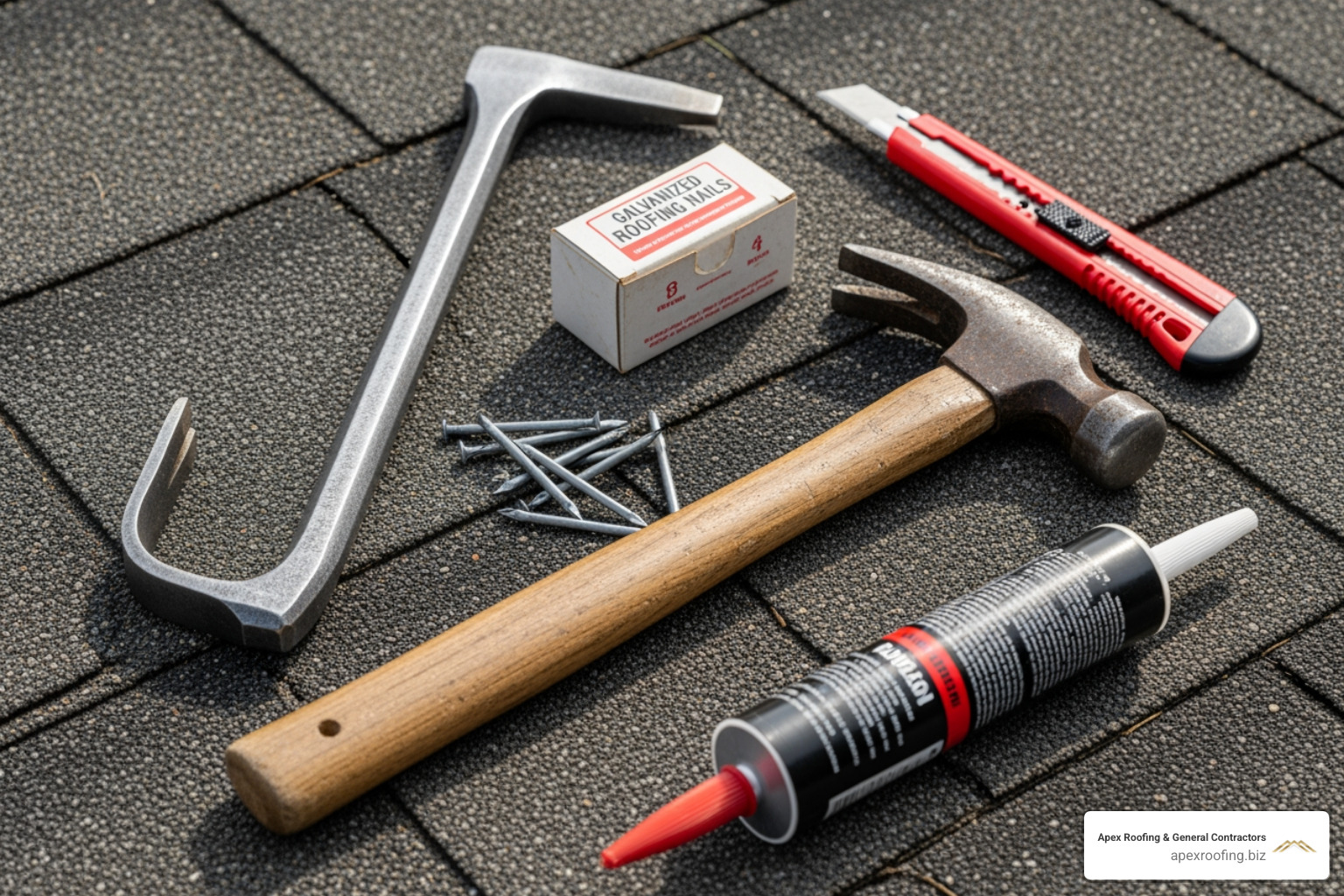
- Safety Gear: This is non-negotiable. Always wear heavy-duty gloves, protective eyewear, and slip-resistant shoes. For any work on a sloped roof, a safety harness tied to a secure anchor point is crucial.
- Ladder: A sturdy, properly placed ladder that extends at least three feet above the eave is essential for safe roof access.
- Replacement Shingles: It’s best to have a bundle of matching shingles on hand. Even if you only need one, buying a bundle ensures a color match and spares for future repairs.
- Roofing Cement/Sealant: This is used to seal edges and provide a watertight bond. A caulking gun will be needed for application.
- Pry Bar (Flat or Catspaw): Essential for gently lifting shingles and removing old nails without damaging surrounding areas.
- Hammer: For driving new roofing nails.
- Utility Knife: For cutting replacement shingles to size or trimming damaged sections.
- 1 ¼-inch Roofing Nails: These short, wide-headed nails are designed to hold shingles securely.
Step-by-Step Guide to Replacing a Damaged Shingle
Replacing a single damaged shingle is one of the most common shingle roof repair tasks. Here’s our step-by-step process:
- Loosen the Sealant: Use a flat pry bar to gently lift the bottom edge of the shingle directly above the damaged one, as well as any adjacent shingles that overlap the damaged area. This breaks the sealant bond, allowing access. Working on a cooler day can make this easier, as the sealant is less tenacious.
- Gently Pry Up and Remove the Nails: Once the overlying shingles are lifted, you’ll expose the nails holding the damaged shingle in place. Use your pry bar to carefully remove these nails. There are typically 4-6 nails per shingle.
- Slide Out the Old, Damaged Shingle: With the nails removed and sealant broken, you can now carefully slide the damaged shingle out from under the overlying course.
- Slide the New Shingle into Place: Take your new replacement shingle and carefully slide it into the gap, ensuring it aligns perfectly with the adjacent shingles and the course below.
- Secure with Four Nails in the Correct Placement: Lift the shingle directly above your new one again. Drive new roofing nails through the top edge of the replacement shingle, approximately 1 inch up from the bottom edge and evenly spaced. Ensure the nail heads are flush, not overdriven.
- Apply Roofing Sealant: Once the new shingle is nailed, apply three small spots of roofing cement or sealant under the tabs of the new shingle to help it bond with the shingle below. Also, press down any surrounding shingles whose sealant bonds were broken. The sun’s warmth will help these seal naturally, but manual sealing ensures immediate wind resistance.
For more detailed instructions and visual aids, you can refer to A detailed guide on replacing shingles.
Safety First: Essential Precautions
Working on a roof can be dangerous. Your safety, and the safety of anyone assisting you, should always be the top priority.
- Always use a sturdy, properly placed ladder: Ensure the ladder is on solid, level ground and extends at least three feet above the eave. Have someone hold the ladder for added stability.
- Wear slip-resistant shoes: Roofing surfaces can be slippery, especially with granules or debris.
- Use a safety harness on steep roofs: For any roof with a significant pitch, a fall protection system is non-negotiable.
- Never work on a wet or windy roof: Moisture makes surfaces extremely slick, and strong winds can cause you to lose your balance or even dislodge materials.
- Be aware of power lines: Always survey your surroundings for electrical hazards before setting up a ladder or beginning work.
- Avoid working alone: Having another person present ensures help is available in case of an accident.
Repair vs. Replacement: Making the Right Decision
Knowing when a simple repair is enough versus when a full replacement is necessary is key to managing your roofing budget effectively and ensuring your home remains protected. This decision often comes down to the extent of the damage, the age of your roof, and the overall cost-effectiveness.
When to Opt for a Shingle Roof Repair
A targeted shingle roof repair is often the most economical and efficient solution when:
- Damage is isolated to a small area: If less than 25-30% of your roof’s shingles are affected, spot repairs are usually sufficient.
- The roof is less than 15-20 years old: For a relatively young roof, repairing localized damage makes sense to maximize its remaining lifespan.
- Only a few shingles are missing or damaged: Replacing a handful of shingles after a storm, for example, is a straightforward repair.
- The underlying roof deck is in good condition: If our inspection reveals no signs of rot or structural compromise beneath the damaged shingles, a repair can proceed confidently.
For more information on when to consider a full roof replacement versus repair, you can refer to our blog post: More info about roof shingle replacement.
Signs You Need a Full Roof Replacement
Sometimes, a repair is just a band-aid on a larger problem. Here are the signs that indicate a full roof replacement might be the more prudent long-term investment:
- Widespread shingle damage: If a large percentage of your shingles are cracked, curling, blistering, or have significant granule loss, the entire roof system is likely compromised.
- The roof is over 20 years old: Most asphalt shingle roofs have a lifespan of 20-30 years. If your roof is nearing or exceeding this age, frequent repairs can become more expensive than a replacement.
- Evidence of a sagging roof deck: A visibly sagging roof is a critical sign of structural failure due to water damage or improper installation. This is beyond a simple repair and requires immediate attention.
- Frequent and recurring leaks in multiple locations: If you’re constantly patching leaks in different areas, it suggests a systemic failure of the roofing system.
- The cost of repairs approaches 50% of a new roof’s cost: At this point, investing in a new roof provides better value, a fresh warranty, and peace of mind.
Here’s a helpful comparison to guide your decision:
| Feature | Shingle Roof Repair | Full Roof Replacement |
|---|---|---|
| Cost | Lower upfront ($130 – $9,000) | Higher upfront ($5,860 – $13,130 average) |
| Age of Roof | Typically under 15-20 years | Typically over 20 years |
| Damage Extent | Isolated, less than 25-30% of roof affected | Widespread, significant portion of roof compromised |
| Long-Term Value | Extends life of a relatively new roof | Provides new warranty, increased home value, peace of mind |
| Time to Complete | Hours to a few days | 1-3 days for most residential roofs |
| Insurance | May cover sudden damage; less likely for wear and tear | Often covered for major storm damage; higher deductible |
| Underlying Deck | Must be in good condition | Allows for inspection and repair of entire deck |
Understanding the Costs of Shingle Roof Repair
Budgeting for a roof repair can be daunting, but understanding the factors that influence price will help you get a fair estimate. We believe in transparent communication about costs, so you can make informed decisions.
Average Repair Costs and Influencing Factors
The cost of shingle roof repair can vary significantly based on several factors. On average, roof shingle repair costs about $950, with a typical range between $360 and $1,830. Minimal repairs might be as low as $130, while extensive repairs could run up to $9,000.
Here’s a breakdown of what influences these costs:
- Extent and Type of Damage:
- Replacing 3-5 missing shingles typically costs between $800 – $1,200.
- Leak detection and repair can range from $1,000 – $1,600, as locating the source can be complex.
- Flashing or ridge cap repair often falls between $950 – $1,450.
- Emergency tarp installation (a temporary fix) can cost $850 – $1,600.
- Roof Pitch and Accessibility: Steep roofs or those difficult to access (e.g., high stories, complex architectural designs) require more specialized equipment and safety measures, increasing labor costs.
- Shingle Type: The material and style of your existing shingles play a significant role. Matching specialized or older shingle types can be more expensive.
- Labor Costs: For most roof repairs, labor typically ranges between $45 and $75 per hour. Emergency services can add an extra $100 to $300 to the total.
- Permits: Depending on the scope of the repair, a building permit might be required, usually costing between $250 and $500. We handle all necessary permits for our projects in San Antonio and surrounding areas.
- Underlying Damage: If water has penetrated the roof deck, insulation, or interior, additional repairs will be necessary, adding to the overall cost.
How Shingle Material Affects the Cost of a Shingle Roof Repair
The type of shingle material not only dictates your roof’s appearance and durability but also impacts the cost of shingle roof repair.
- Asphalt Shingles: These are the most common and generally the most affordable to repair, ranging from $130–$1,830. This includes both 3-tab and architectural (laminated) asphalt shingles. Architectural shingles, due to their thickness and more complex design, may cost slightly more to match and repair than standard 3-tab shingles.
- Wooden or Composite Shingles: Repairs for these materials typically cost between $130–$2,000. While wood shakes offer a distinct look, they can be more labor-intensive to replace.
- Tile or Slate Shingles: These premium materials are durable but more fragile and specialized to work with, leading to higher repair costs, usually from $300–$2,400.
- Metal Shingles: Metal roofs are known for their longevity, but repairs can be complex and require specialized skills, with costs ranging from $300–$2,500.
For more insights into roofing material costs, you can review relevant industry data on shingle costs. Our team at Apex Roofing & General Contractors can provide detailed estimates custom to your specific shingle type and damage.
Preventative Maintenance and Professional Help
Proactive care can significantly extend your roof’s lifespan and help you avoid the need for major repairs. We always encourage homeowners to take an active role in maintaining their roofs.
DIY Maintenance Tips to Extend Roof Life
- Conduct Visual Inspections Twice a Year: We recommend checking your roof from the ground (with binoculars, if needed) at least twice a year – once in the spring to assess winter damage and again in the fall to prepare for colder months. Look for missing, cracked, or curling shingles, as well as debris accumulation.
- Keep Gutters and Downspouts Clean: Clogged gutters can cause water to back up and seep under shingles, leading to water damage and rot. Regularly clear leaves, twigs, and other debris.
- Trim Overhanging Tree Branches: Branches rubbing against your roof can abrade shingles over time. More importantly, heavy limbs can fall during storms, causing significant damage. Keep them trimmed back from the roofline.
- Ensure Proper Attic Ventilation: Good attic ventilation helps regulate temperature and moisture, preventing heat buildup that can prematurely age shingles and moisture accumulation that can lead to mold and rot.
- Prevent Ice Dams: While less frequent in San Antonio, in areas prone to freezing, ensuring proper attic insulation and ventilation can prevent ice dams from forming, which can force water under shingles. For more information, read about how to prevent ice dams.
When to Call a Professional for Shingle Roof Repair
While some minor repairs can be handled by a handy homeowner, there are definitive times when calling a professional for shingle roof repair is not just recommended, but essential.
- The Damage Is Extensive or Widespread: If you have numerous missing shingles, large sections of granule loss, or widespread cracking, a professional assessment is needed to determine the overall health of your roof.
- You Notice Signs of Structural Damage Like Sagging: A sagging roof indicates a serious problem with the underlying structure. This requires immediate expert intervention to prevent collapse or further compromise.
- The Roof Is Steep or You’re Not Comfortable with Heights: Safety is paramount. If your roof has a high pitch or you simply don’t feel secure working at heights, a professional roofer has the necessary training, equipment, and insurance to perform the work safely.
- You Suspect a Leak but Can’t Find the Source: Water leaks can be elusive, traveling along rafters and appearing far from their entry point. Our experienced roofers can quickly and accurately diagnose the source of leaks.
- You Need Warrantied Work: DIY repairs typically come with no warranty. Professional roofers offer labor and sometimes material warranties, providing peace of mind.
- You need a professional roof repair in San Antonio: For comprehensive assessments, adherence to local building codes, and expert execution, a certified roofer is your best bet. Our team at Apex Roofing & General Contractors serves San Antonio, Helotes, Leon Valley, Alamo Heights, Fair Oaks Ranch, Shavano Park, Terrell Hills, and throughout Bexar County.
Frequently Asked Questions about Shingle Roof Repair
We often hear common questions from homeowners regarding their shingle roof repair needs. Here are our answers to some of the most frequent inquiries:
Can I repair just a few damaged shingles?
Yes, absolutely. If the damage is isolated to a small number of shingles and the rest of your roof is in good condition and not nearing the end of its lifespan, replacing just a few shingles is a common and cost-effective solution. The key is to ensure the underlying roof deck is sound and dry. It’s also crucial to match the new shingles to your existing ones for a seamless look and proper seal, which can sometimes be challenging if your current shingles have faded over time.
How long does a typical shingle repair take?
The duration of a shingle roof repair depends on the extent and complexity of the damage. A minor repair, such as replacing a few missing or damaged shingles, can often be completed by a professional in as little as 1 to 3 hours. More complex repairs, like locating and fixing a persistent leak, repairing damaged flashing around chimneys or vents, or addressing a larger section of compromised shingles, may take 2 to 4 hours or even longer, depending on the severity of the issue and accessibility of the area. We always aim for efficient yet thorough repairs to minimize disruption to your home.
Will my homeowner’s insurance cover shingle roof repair?
Whether your homeowner’s insurance will cover shingle roof repair largely depends on your specific policy and the cause of the damage. Generally:
- Covered Causes: Damage resulting from sudden, unforeseen events like severe storms, hail, high winds, or falling trees is often covered by insurance.
- Not Covered Causes: Damage due to normal wear and tear, neglect, lack of maintenance, or simply an aging roof is typically not covered. Policies usually require you to maintain your home to prevent damage.
If you suspect your roof damage is due to a covered event, document the damage with photos and videos immediately. Then, contact your insurance provider to review your policy and understand your coverage options. We can help you steer the insurance claim process and provide the necessary documentation for your adjusters.
Your Partner for Reliable Roof Protection
Taking swift action on shingle roof repair is the best way to protect your home’s structural integrity and prevent small issues from becoming major disasters. By regularly inspecting your roof, performing preventative maintenance, and knowing when to call for help, you can ensure your roof remains in top condition for years to come.
We understand the unique roofing challenges faced by homeowners in San Antonio, Helotes, Leon Valley, Alamo Heights, Fair Oaks Ranch, Shavano Park, Terrell Hills, and across Bexar County. Our commitment is to provide certified, reliable service with transparent communication and full compliance with local building codes.
For expert assessment and professional service you can trust, contact the certified team at Apex Roofing & General Contractors. Call us today at (726) 727-7663 for a free inspection and estimate, and let us handle your residential roof repair needs with the quality and transparency you deserve.