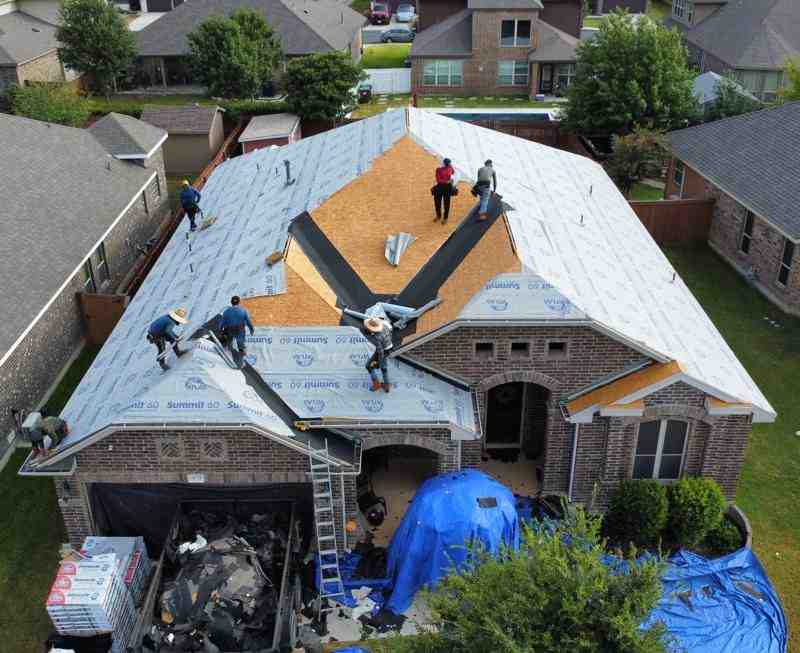
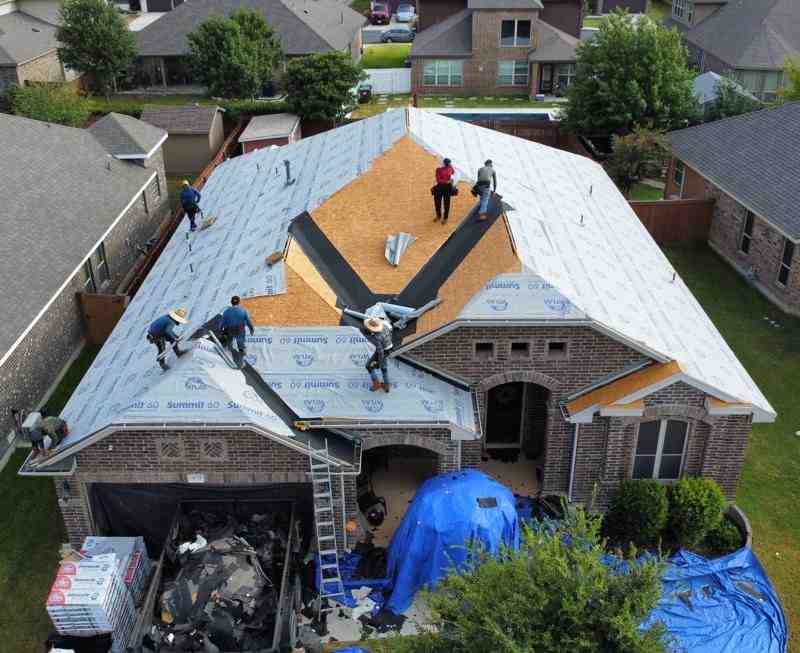
Why Addressing Roofing Storm Damage Quickly Protects Your Home
Roofing storm damage can cost homeowners thousands of dollars if left unaddressed. Severe weather strikes San Antonio with little warning, and your roof bears the brunt of Mother Nature’s fury. As a leading San Antonio roofing company, we know that the impact isn’t always visible from the ground, but even minor issues can escalate into major structural problems, mold growth, and costly interior damage if ignored.
Quick Answer: Common Types of Roofing Storm Damage
- Wind Damage: Missing, lifted, or creased shingles; damaged flashing.
- Hail Damage: Dents, cracks, or bruises on shingles; granule loss.
- Water Damage: Leaks, standing water, and overwhelmed drainage systems.
- Debris Impact: Fallen branches, punctures, and structural damage.
According to FEMA, homeowners should conduct a basic damage assessment after every major weather event to catch issues early. This guide will walk you through identifying damage, taking immediate action, and working with professionals to restore your roof’s integrity after you’ve experienced roofing storm damage.
How to Identify Storm Damage on Your Roof
After a storm, your first priority is to assess your roof for damage. The Federal Emergency Management Agency (FEMA) recommends homeowners conduct a basic damage assessment to create a clear record for potential insurance claims. Most roofing storm damage can be identified from the ground or by checking inside your home.
Visible Signs of Damage on the Exterior
Start with a careful ground-level inspection, using binoculars if necessary. Never climb onto a potentially compromised roof—that’s a job for professionals.
- Wind Damage: Look for missing, lifted, or creased shingles. Even moderate winds can compromise their seal. Also, check flashing—the metal strips around chimneys and vents—for any signs it has been bent or detached.
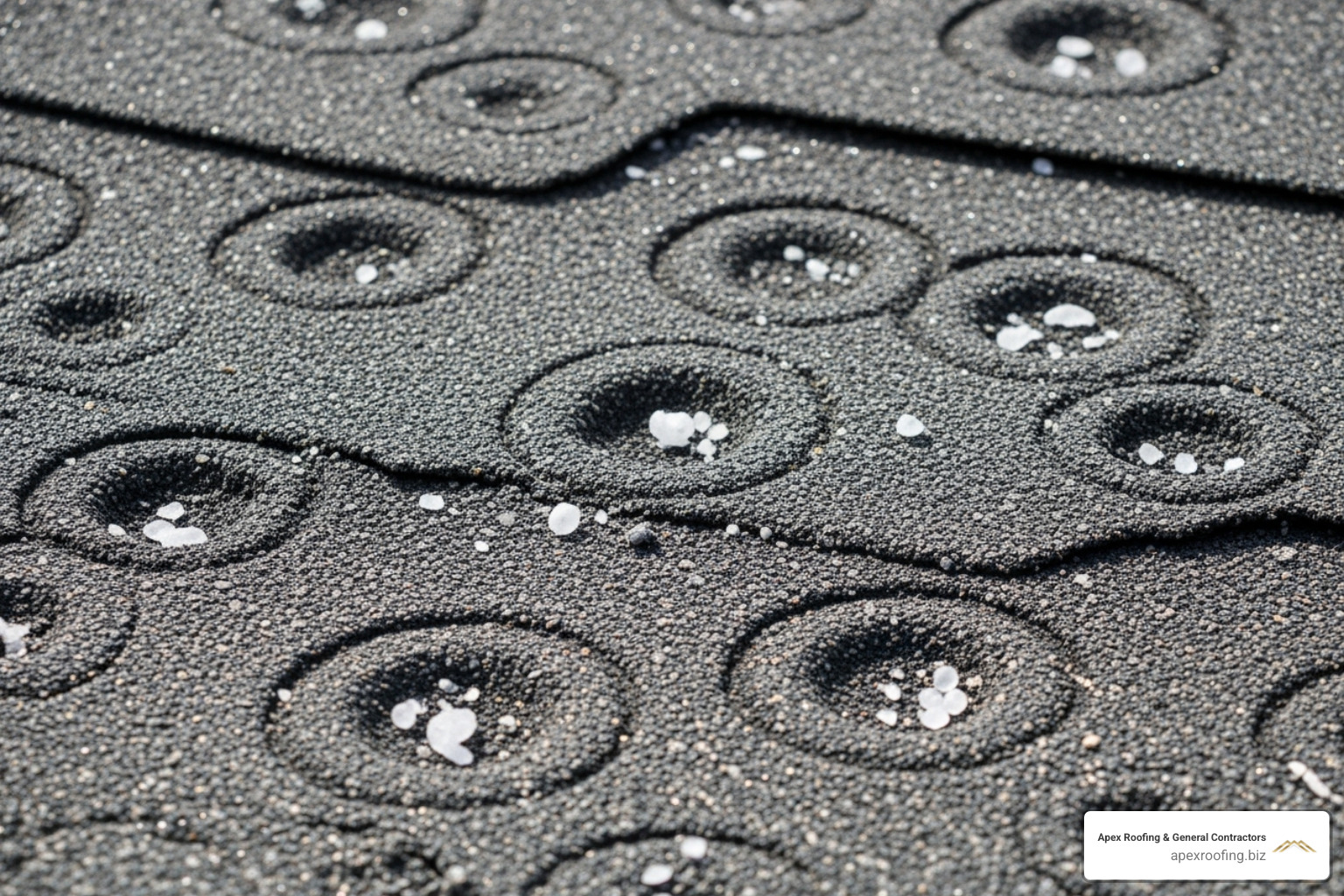
Hail Damage: Hail creates circular impact marks or bruises on shingles where protective granules have been knocked off. A key indicator is granule loss—check your gutters and downspouts for an accumulation of these tiny, gravel-like particles. If metal vents or gutters are dented, your shingles are almost certainly damaged too. For a visual guide, see our post on What Does Hail Damage Look Like on a Roof?
Debris Damage: Fallen branches can cause obvious punctures or scrapes. Also, look for debris accumulation in roof valleys or gutters that blocks proper drainage.
Signs of Damage from Inside Your Home
Sometimes the first clue of roofing storm damage appears inside your home.
- Water Stains: Discoloration on ceilings or walls is a classic warning sign. Water can travel along rafters before appearing, so the stain may be far from the actual leak.
- Peeling Paint: Moisture behind walls or on ceilings can cause paint or wallpaper to peel.
- Attic Issues: In your attic, look for damp insulation, a musty odor (signaling mold), or visible daylight coming through the roof boards.
- Active Drips: If you see dripping water, place a bucket underneath and call for an emergency roof leak fix immediately.

The Role of Gutters in Damage Assessment
Your gutters are early warning detectors. After a storm, check them for shingle granules, which indicate your shingles have been compromised by hail or wind. Dents on gutters or downspouts are direct evidence of hail. Finally, clogged or sagging gutters can cause water to back up under shingles, leading to further damage.
Immediate Steps to Take After Finding Damage
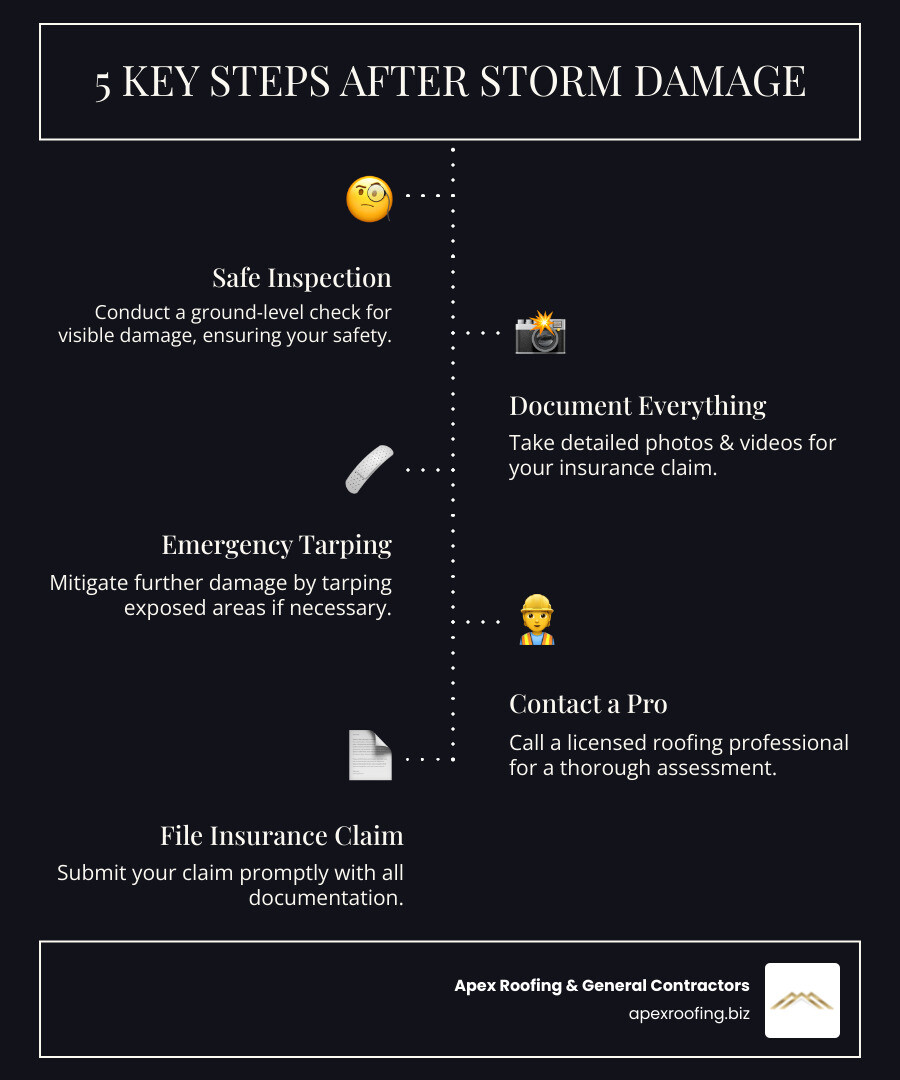
When you find roofing storm damage, acting quickly can prevent a manageable problem from turning into a catastrophe. Prioritize safety, then focus on stopping additional damage and starting the repair process.
1. Document Everything for Insurance
Thorough documentation is your strongest ally when filing an insurance claim. Use your smartphone to gather evidence before any repairs are made.
- Take Photos and Videos: Capture wide shots to show the overall scope and close-ups of specific issues like missing shingles, dents, and granule loss in gutters.
- Log the Details: Record the date and time of your inspection and the storm event. A written log helps establish a clear timeline for your claim.
- Document Collateral Damage: Photos of dented cars, broken fences, or fallen trees help illustrate the storm’s severity.
- Keep Receipts: Save all receipts for temporary repairs, like tarps or plywood. These costs are often reimbursable.
For more guidance, the Institute for Business & Home Safety (IBHS) offers detailed tips on documenting property damage.
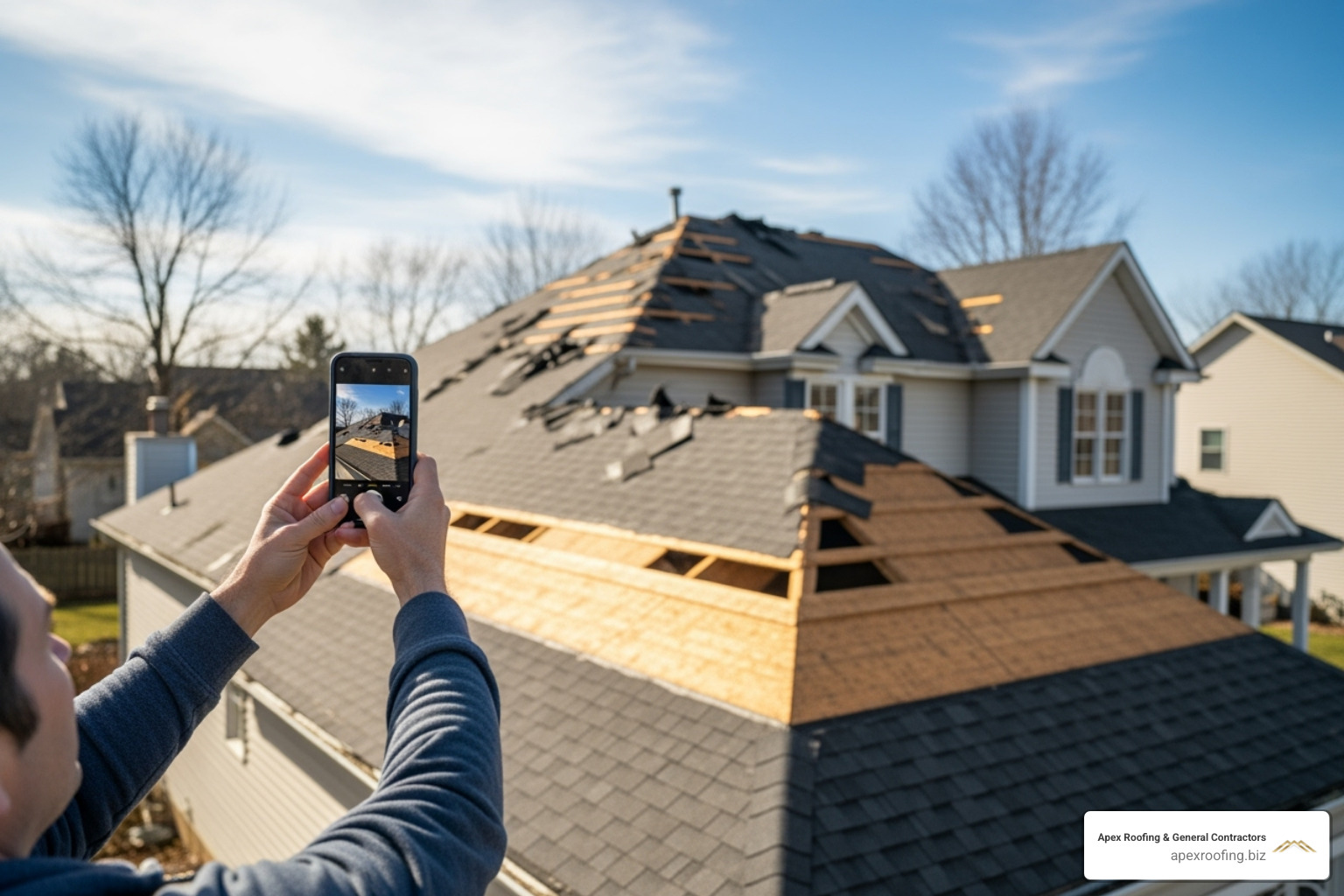
2. Perform Emergency Mitigation
Emergency mitigation involves temporary measures to prevent further damage until professional repairs can be made.
- Tarp Exposed Areas: If you have missing shingles or holes, cover them with a heavy-duty tarp to keep water out. If you’re not comfortable on a roof, call for an Emergency Roof Leak Fix.
- Board Up Broken Windows: Protect your home’s interior from weather and debris.
- Contain Leaks Inside: Place buckets under drips and use fans or a shop vacuum to dry wet areas quickly to prevent mold growth.
3. Call a Professional for an Inspection
While a ground-level assessment is a good start, hidden damage can lurk where you can’t see. A professional inspection is essential for a complete and accurate assessment.
- Safety First: Professionals have the training and safety equipment to inspect a potentially compromised roof without causing further damage or injury.
- Expert Detection: Certified inspectors are trained to spot subtle issues like shingle bruising or compromised flashing that can lead to major problems later.
- Accurate Estimates & Insurance Help: A professional provides a detailed report and accurate cost estimate, which is crucial for your insurance claim. They can also help steer the claims process and meet with the adjuster to ensure all damage is documented.
Don’t gamble with your home’s integrity. Schedule a Free Roof Inspection in San Antonio for a clear, honest assessment.
Navigating Roofing Storm Damage Repairs and Insurance
After a storm, you’ll face a process of insurance claims, estimates, and decisions about your home. Understanding how to steer roofing storm damage repairs and insurance can make the process manageable and ensure a high-quality restoration.
Repair vs. Replacement: Making the Right Choice
Not all damage requires a full replacement, but a simple patch isn’t always enough. The right choice depends on cost, the extent of the damage, and your roof’s age.
- Cost: Repairs are cheaper upfront, but replacing an old, battered roof can save you money in the long run.
- Extent of Damage: A few missing shingles can be repaired. Widespread hail bruising or structural issues often make replacement the smarter, and sometimes required, choice. Many building codes mandate replacement if over 25-30% of the roof is damaged.
- Roof Age: Repairing a newer roof (under 10-15 years) makes sense. Investing in major repairs on a roof nearing the end of its lifespan (20+ years) is often not cost-effective.
| Factor | Roof Repair | Roof Replacement |
|---|---|---|
| Cost | Lower upfront cost | Higher upfront cost |
| Timeline | Quicker completion | Longer process |
| Best For | Isolated, minor damage | Widespread or structural damage |
| Roof Age | Newer roofs (<15 years) | Older roofs (>20 years) |
| Long-term Value | Extends life of existing roof | Increases home value, new warranty |
Sometimes, the inability to match older, discontinued shingles makes replacement the only option for a cohesive look. Our team provides honest recommendations custom to your situation. Learn more in our guide on When Does Your Roof Need Replacement?
How to Handle Your Homeowner’s Insurance Claim
Navigating an insurance claim can be straightforward with the right approach.
- Review Your Policy: Understand your coverage for wind and hail, your deductible, and any time limits for filing.
- File Promptly: Contact your insurance company as soon as possible with your documentation ready.
- Meet the Adjuster: We highly recommend having a roofing professional present during the adjuster’s inspection. We can point out subtle damage that might otherwise be missed, ensuring a comprehensive and fair assessment.
- Compare Estimates: We provide a detailed, written estimate. If it differs from the insurance assessment, we can help clarify discrepancies and advocate for the coverage you need.
We specialize in storm damage repair and work with insurance companies to ensure you get the quality repairs your home deserves.
Choosing a Qualified Roofing Contractor
After a storm, beware of “storm chasers” who offer quick, cheap fixes and then disappear. Choosing a reputable local contractor is critical for protecting your home.
- Local Reputation: A local company is accountable to its community. Check reviews and verify how long they’ve served your area.
- Licensing and Insurance: Always verify the contractor has proper Texas licensing, liability insurance, and workers’ compensation. Ask to see the certificates.
- Storm Damage Expertise: Ensure the contractor has specific experience with storm restoration and insurance claims, not just general roofing.
- Written Contracts: Never rely on a verbal agreement. Get a detailed written contract outlining the scope of work, materials, timeline, and total cost.
- Strong Warranties: A quality contractor offers warranties on both materials and workmanship. This demonstrates confidence in their work.
For an independent assessment, consider a Certified Roof Inspector in San Antonio. Our A+ BBB rating reflects the trust homeowners place in us.
Proactive Measures to Minimize Future Damage
The best way to handle roofing storm damage is to prevent it. Just as you’d perform regular maintenance on your car, your roof needs attention to stay storm-ready. A little preparation can save you thousands of dollars and significant stress.
Fortifying Your Roof Before the Storm
Regular maintenance is your roof’s best defense against severe weather.
- Schedule Regular Inspections: An annual professional inspection can catch small issues like loose shingles or worn flashing before they become major vulnerabilities in a storm.
- Trim Overhanging Trees: Keep branches at least six feet from your roof’s surface to prevent scraping, debris accumulation, or punctures from falling limbs.
- Clean Gutters and Downspouts: Clean gutters at least twice a year to ensure water drains properly and doesn’t back up under shingles, causing rot and leaks.
- Secure Flashing and Seals: Check that the metal flashing around chimneys, vents, and skylights is tightly sealed. The sealant around these penetrations can crack over time and should be inspected and maintained.
Choosing Storm-Resistant Roofing Materials
If you’re replacing your roof, selecting the right materials can make a huge difference in its ability to withstand severe weather.
- Impact-Resistant Shingles: Class 4 rated shingles are the gold standard for hail protection. They are tested to withstand impacts that would destroy standard shingles, and installing them may earn you a discount on your homeowner’s insurance.
- Metal Roofing: Highly resistant to wind, hail, and fire, metal roofs offer exceptional durability and can last 50 years or more.
- Slate and Tile: These premium materials are extremely durable and resistant to wind and impact, with a potential lifespan of over a century.
Even the best materials require proper installation techniques to perform correctly. A qualified contractor will follow manufacturer specifications and local building codes, using correct nailing patterns and underlayment to maximize storm resistance. Investing in storm-resistant materials is an investment in your home’s future and your peace of mind.
Frequently Asked Questions about Roofing Storm Damage
What are the long-term consequences of unaddressed storm damage?
Unaddressed roofing storm damage, even if minor, leads to escalating problems. A small leak can cause structural rot in the roof deck and rafters, promote widespread mold growth that poses health risks, and saturate insulation, increasing energy bills. Over time, these issues dramatically increase repair costs and decrease your home’s value.
What are common misconceptions about roofing storm damage?
A primary misconception is that “no visible leak means no damage.” Hail and wind can cause granule loss or bruising on shingles that compromises their integrity and shortens their lifespan long before a leak appears. Another is that all storm damage is obvious. Subtle damage to flashing or underlayment often requires a professional inspection to detect.
What size hail causes roof damage?
Hail as small as 1 inch in diameter (the size of a quarter) can cause significant damage to asphalt shingles, including granule loss and bruising that may void manufacturer warranties. While larger hail causes more obvious destruction, even small hailstones, especially when driven by high winds, can compromise your roof’s protective layers. Learn more by reading our guide on What Hail Size Causes Roof Damage?.
Secure Your Home with Expert Storm Damage Repair
After a storm, uncertainty about your roof’s condition can be stressful. By identifying roofing storm damage, taking immediate action, and navigating the repair process with a clear plan, you can protect your home and family. The key is not to wait—a small issue today can quickly become a major, costly problem.
If you suspect your home has sustained storm damage in the San Antonio area, it’s time to bring in professionals. At Apex Roofing & General Contractors, we help homeowners steer the aftermath of severe weather. Our certified team combines advanced technology with transparent communication to restore not just your roof, but your peace of mind.
We proudly serve homeowners throughout the greater San Antonio region, including Helotes, Leon Valley, Alamo Heights, and all of Bexar County. Whether you need a comprehensive inspection or immediate storm damage repair, our experienced team is ready to help.
Don’t let storm damage compromise your home’s safety. Minor issues can lead to water intrusion, structural rot, and thousands in damages if left unaddressed. Our team is standing by to provide a thorough, professional assessment of your roof’s condition and work with your insurance company to ensure you receive fair coverage.
Protect your investment and your family today. For a free estimate on your roofing storm damage repairs, call (726) 727-7663 for a free inspection. You can also contact us online. We’re here to restore your roof with the quality craftsmanship you deserve.