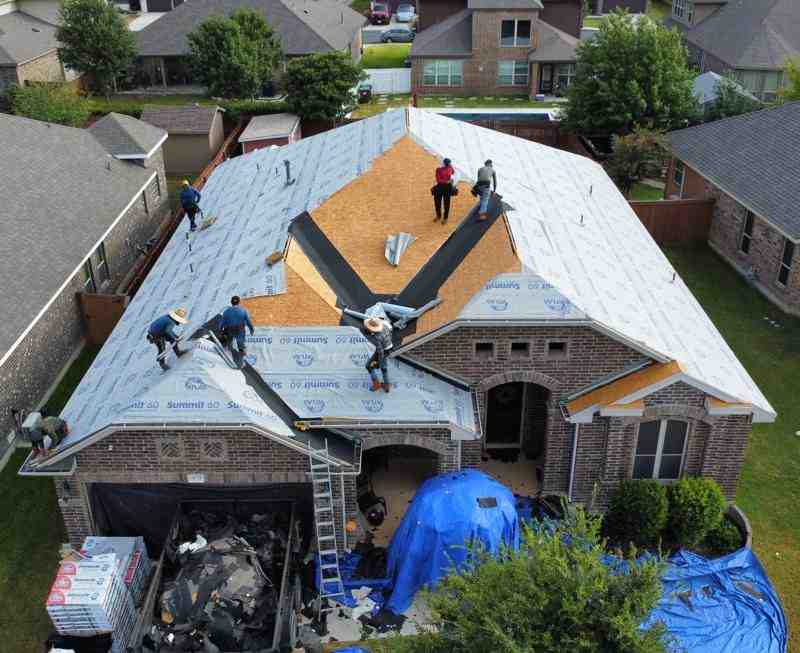
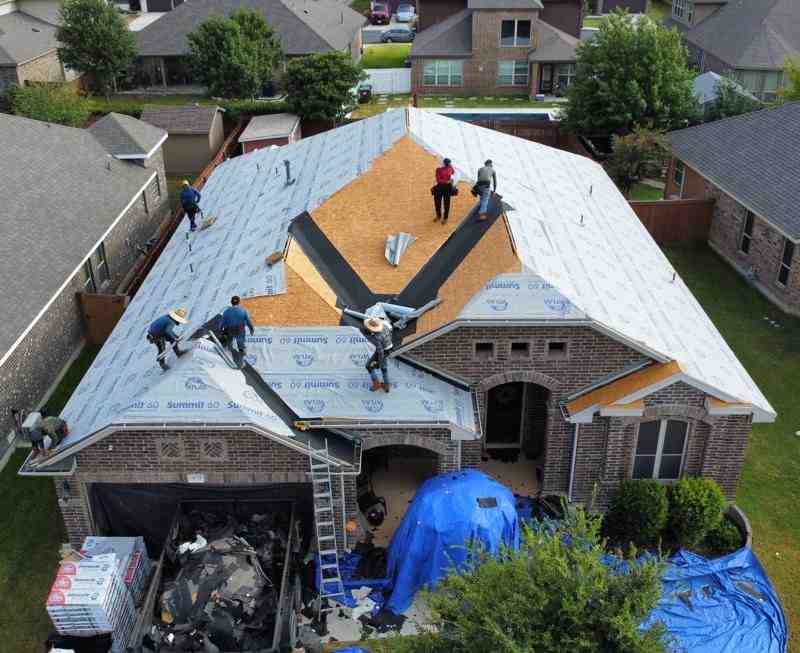
Why Roof Leak Repair Demands Your Immediate Attention
Roof leak repair is one of the most urgent home maintenance tasks you’ll ever face. A small drip today can become a structural nightmare tomorrow, costing you thousands in avoidable damage. For homeowners seeking certified roofing services, understanding the urgency is the first step.
Quick Answer: What You Need to Know About Roof Leak Repair
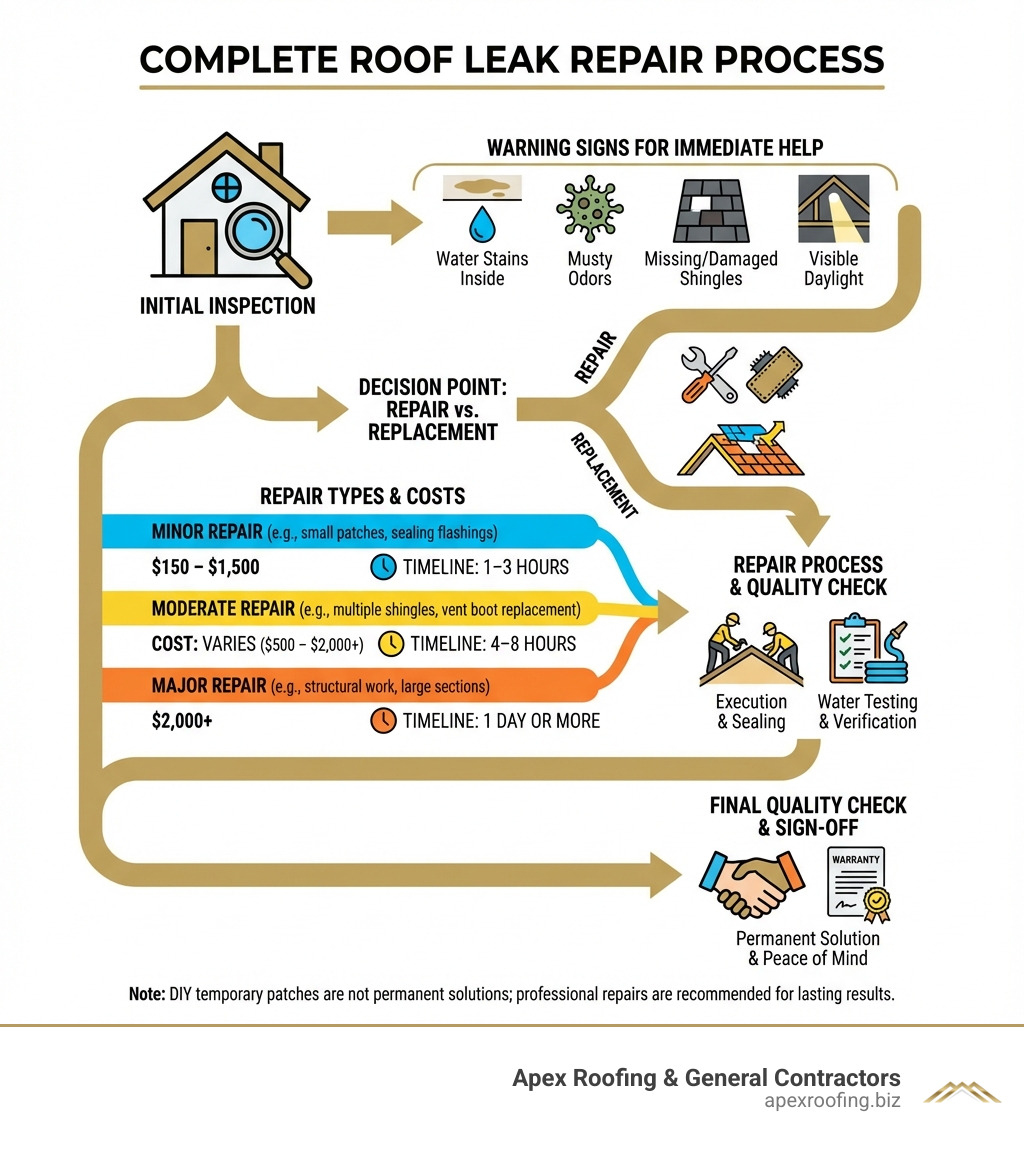
- Average Cost: $150–$1,500 for minor repairs; $2,000+ for major structural work
- Timeline: 1–3 hours for simple fixes; full day or more for extensive damage
- DIY vs. Professional: Temporary patches (tarps, sealant) buy you time, but only professional repairs deliver lasting solutions
- When to Act: Water stains, musty odors, missing shingles, or visible daylight through your attic all demand immediate attention
- San Antonio Climate Factor: Intense sun, heavy rain, and hail accelerate roof deterioration in our region
The research is clear: neglecting roof issues leads to severe water damage that impacts your home’s foundation, walls, and energy efficiency. Water infiltration from a leaky roof causes mold, blackened plywood, and compacted insulation in the attic—problems that compound quickly if left unaddressed.
The good news? Most roof leaks stem from a handful of common, fixable issues. Missing or damaged shingles, failed flashing around chimneys and vents, cracked vent boots, and clogged gutters account for the majority of residential roof leaks. Identifying these problems early is the difference between a $300 repair and a $5,000 emergency.
For homeowners in the San Antonio area, our climate presents unique challenges. The relentless Texas sun accelerates shingle aging, while sudden storms can rip away vulnerable materials in minutes. If you’re dealing with storm damage or an urgent situation, our roof repair services provide fast, reliable response when you need it most.
I’m Carlos Yzaguirre, President of Apex Roofing & General Contractors, and I’ve spent years helping San Antonio homeowners steer roof leak repair challenges with honest advice and quality workmanship. My team and I are committed to delivering permanent solutions—not just quick patches—so you can protect your home and your investment.
Spotting the Enemy: Early Signs of a Roof Leak
The most obvious sign of a leak is a puddle on your floor, but the earliest warnings are often more subtle. Catching them early can save you thousands in repairs. A roof leak is a definitive sign that your home’s primary defense against the elements has been breached, which can lead to severe water damage, mold, and a decrease in your home’s energy efficiency.
Interior Signs
The most common signs of a roof leak repair need inside a house are often visible on your ceilings and walls. These include unsightly stains, often yellowish or brownish, that expand over time. You might also notice peeling paint or bubbling wallpaper, indicating moisture has seeped behind the surface. In more severe cases, you could have damaged ceilings or wet floors directly beneath the leak. Beyond what you can see, a persistent musty odor is a strong indicator of mold or mildew growth, which thrives in damp, dark environments caused by water infiltration. This smell often precedes visible signs.
Exterior Signs
Sometimes, your roof will give you clues from the outside before the water makes its way into your living space. From the ground, keep an eye out for missing, cracked, or curling asphalt shingles. These compromised shingles expose the underlying roof deck to the elements. You might also spot damaged flashing around chimneys, vents, or skylights—these are critical seals that can fail over time. An excessive amount of shingle granules accumulating in your gutters is another red flag, as it suggests your shingles are deteriorating rapidly. Finally, sagging or discolored soffits and fascias, or soft, spongy areas on the roof itself, are clear indications of water damage that needs immediate attention.
Attic Signs
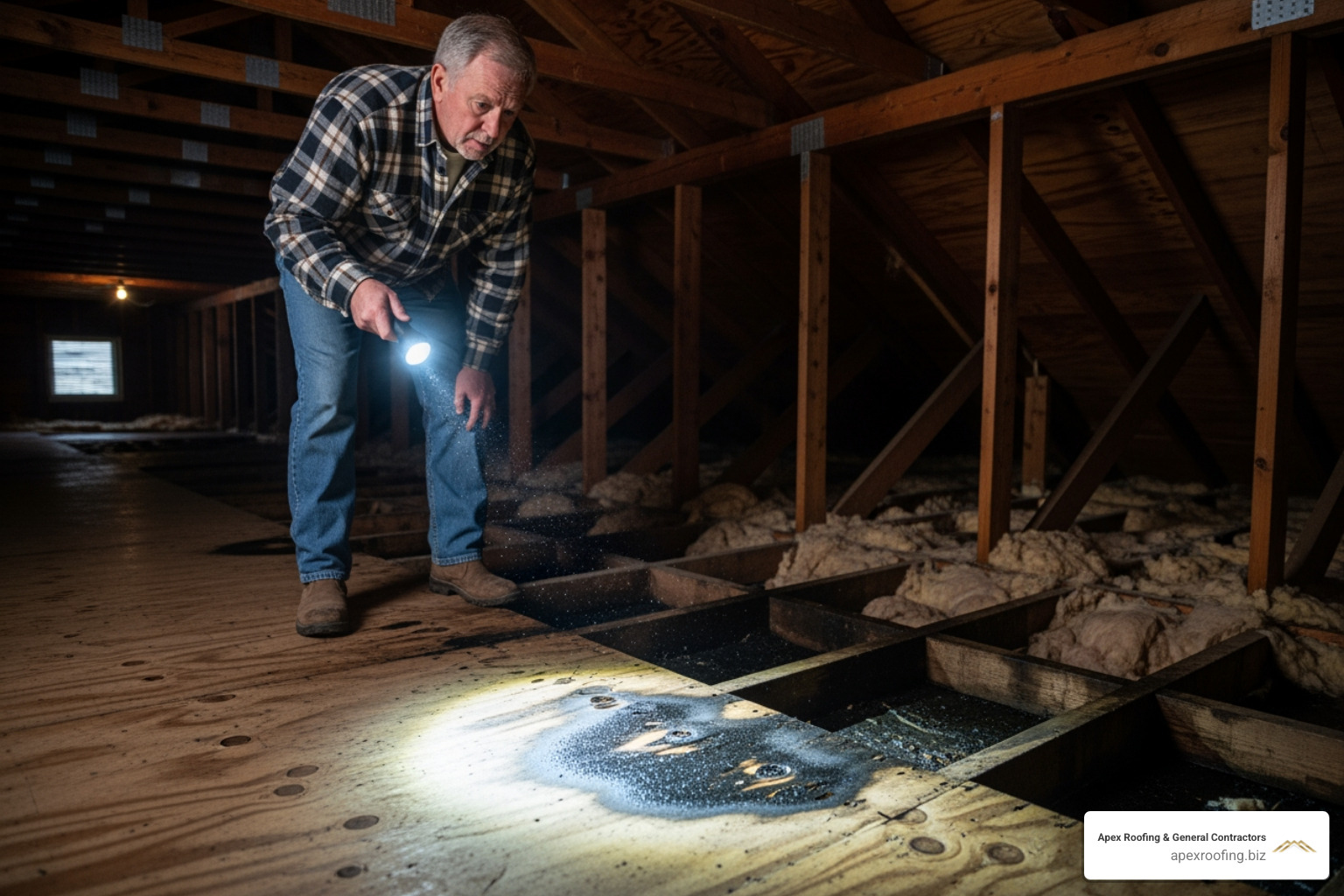
If you can safely access your attic, it’s often the first place to find definitive proof of a leak. Look for signs of water infiltration from the attic, such as blackened or damp plywood on the underside of your roof deck. You might see black streaks on joists, which are pathways for water. Check your insulation: if it’s compacted, tarnished, or wet, it’s a clear sign of water penetration and also means it’s lost its insulating properties. In severe cases, you might even see visible daylight through the roof boards, indicating a significant breach in your roofing material. These early attic signs are critical because they allow us to address the leak before it spreads to your home’s interior.
The Usual Suspects: Uncovering the Common Causes of Roof Leaks
Roof leaks don’t happen without a reason. Most are caused by a handful of common culprits, from simple aging to specific points of failure. Understanding these causes is the first step toward a permanent fix.
Aged & Damaged Shingles
Our roofs bear the brunt of Mother Nature’s fury day in and day out. Over time, shingles naturally wear out, crack, and lose their protective granules due to exposure to intense sunlight, high winds, and heavy rains. This deterioration leaves the underlying roof deck vulnerable to water intrusion. In the San Antonio area, the relentless sun can accelerate this aging process, making shingles brittle and susceptible to cracking. High winds common during thunderstorms can lift and tear shingles, creating entry points for water. Replacing a few missing asphalt shingles, for instance, can cost between $200 and $500, but neglecting this can lead to much larger problems.
Failed Flashing
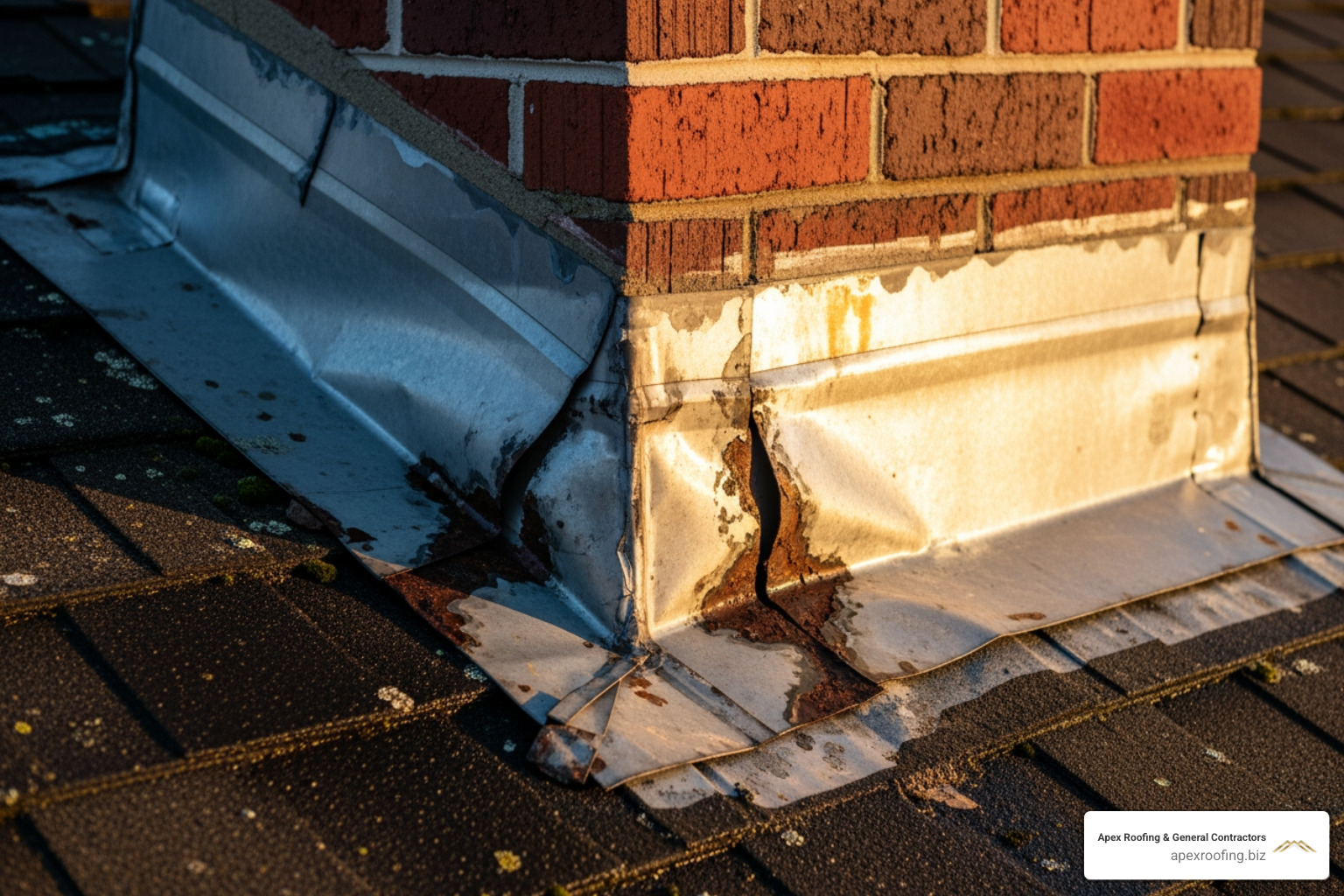
Flashing refers to the thin pieces of metal (often aluminum, copper, or galvanized steel) installed around roof penetrations and junctions, such as chimneys, vents, skylights, and roof-to-wall intersections. Its purpose is to create a watertight seal and direct water away from vulnerable areas. However, flashing is a common failure point. It can become cracked, corroded, or dislodged due to age, improper installation, or harsh weather. Repairing flashing around a chimney, a frequent leak source, can start at $500. For more details on this crucial component and how to address issues, you can see this guide on how to fix a leaky roof.
Cracked Vent Boots
Plumbing vent boots and roof vents are essential for your home’s plumbing and attic ventilation, but they can also be significant sources of leaks. These boots, often made of rubber or neoprene, are designed to seal around the pipes or vents where they protrude through the roof. Over time, UV exposure from the sun can cause the rubber to dry out, crack, or tear, creating an open invitation for water. Repairing a leak from a failed pipe boot typically costs between $250 and $550, a small price to pay to prevent extensive water damage.
Clogged Gutters
While not directly on the roof, clogged gutters are a major contributor to roof leaks. When gutters are full of leaves, twigs, and other debris, they can’t effectively channel rainwater away from your home. This causes water to back up, overflow, and often pool along the edge of your roof. This standing water can then seep under the bottom edge of your shingles, behind the fascia, and eventually into your attic or walls. Regularly cleaning your gutters is a simple, yet highly effective, preventative measure against many roof leak issues.
San Antonio Climate
Our local San Antonio climate presents specific challenges that make roof leaks a persistent concern. The intense, year-round Texas sun can significantly accelerate the aging and deterioration of roofing materials, making shingles brittle and sealants less effective. High winds, common during our strong thunderstorms, can easily lift and damage shingles or loosen flashing. Hail, even small stones, can create impact damage that compromises the integrity of your roof. These environmental factors emphasize the importance of regular roof inspections and timely roof leak repair to ensure your home remains protected.
A Homeowner’s Guide to Roof Leak Repair
When you find a leak, your first decision is whether to attempt a temporary fix or call a professional immediately. While some minor issues can be addressed by a handy homeowner, a lasting roof leak repair almost always requires professional expertise.
Safety First
We cannot stress this enough: safety is paramount when dealing with any roof work. Never get on a wet, icy, steep, or high roof. A slip or fall can lead to serious injury. Always use a sturdy, properly placed ladder, ensuring it extends at least three feet above the roofline. Have a spotter on the ground to steady the ladder and assist if needed. If you must go on the roof, wear soft-soled boots for better grip and consider using a Personal Fall Arrest System (PFAS) or Fall Restraint System, especially on steep pitches. Your safety is worth more than any DIY repair.
Temporary DIY Fixes
For a small, manageable leak during an active storm, your priority is to minimize interior damage. You can place a tarp on the exterior roof section directly above the leak, securing it with 2x4s or weights. From the interior, placing buckets or plastic sheeting can catch dripping water. For very small, non-structural leaks, applying a thick bead of roofing cement or an emergency sealant tape (like those found on Amazon) to the suspected area can offer a temporary reprieve. However, these are temporary solutions designed to buy you time until professional roof leak repair can be performed. They are not permanent fixes and may even void warranties if not done correctly.
| Repair Type | Cost (Estimate) | Lifespan (Estimate) | Best For |
|---|---|---|---|
| DIY Temporary Fixes | $10 – $120 (materials) | Hours to Weeks | Urgent leak mitigation during a storm; very minor, easily accessible issues; buying time before professional repair. |
| Professional Permanent Repairs | $150 – $1,500 (minor) | Years to Decades | All types of leaks; ensuring structural integrity; long-term protection; preserving roof warranty; complex or high-risk repairs. |
| $2,000+ (major) |
The Process for a Minor Roof Leak Repair
A minor roof leak repair, such as sealing a popped nail or a single cracked shingle, can often be addressed with careful, precise work. The process typically involves thoroughly cleaning the affected area to ensure good adhesion. For a popped nail, we’d gently tap it back down and cover it with a dab of high-quality roofing sealant. For a single cracked shingle, the shingle might be lifted, sealant applied underneath, and then pressed back down, possibly with some loose granules spread over the sealant to blend it in. This type of repair aims to restore the immediate waterproof barrier. While it can be a good stop-gap, minor repairs often indicate underlying wear and might be a sign that more extensive work or a professional assessment is needed soon.
When to Call a Professional for Roof Leak Repair
Knowing when to call in the cavalry is crucial for effective and safe roof leak repair. You should always contact a professional roofing contractor if:
- The leak is extensive, causing significant water damage indoors.
- You see signs of a sagging or spongy roof deck, which indicates structural damage.
- The roof is visibly near the end of its lifespan (e.g., over 20 years old for asphalt shingles).
- You are not comfortable working at heights or performing the repair yourself.
- The leak source is difficult to locate or involves complex areas like valleys, skylights, or intricate flashing.
- You suspect the leak is due to improper installation or manufacturing defects.
- If more than 10% of the old roof needs repair, a new roof is often recommended.
A professional can ensure the repair is done safely, correctly, and in compliance with local building codes. They have the expertise to diagnose the true source of the leak, which might be far from where the water is appearing, and can provide a lasting solution. If you’re unsure about the extent of the damage or the complexity of the repair, it’s always best to err on the side of caution and consult with experts like us. For a clear understanding of what a professional assessment entails, you can refer to our insights on a roof leak repair estimate.
The Bottom Line: Understanding Roof Repair Costs and Choices
The cost of a roof leak repair can vary significantly, reflecting the complexity, materials, and labor involved. The average cost for a minor repair, addressing issues like a few missing shingles or a small sealant fix, typically ranges from $150 to $1,500. However, major issues involving structural damage, extensive flashing replacement, or widespread material degradation can quickly escalate to $2,000 or more.
Factors Influencing Cost
Several key factors influence the final price tag for your roof leak repair:
- Extent and Size of the Damage: A small, isolated leak is naturally less expensive to fix than widespread water damage affecting multiple layers of the roof, insulation, and interior structures. Minor repairs, such as patching small holes, might be $150-$350. Replacing a few missing asphalt shingles can cost between $200 and $500.
- Type of Roofing Material: Asphalt shingles are generally the easiest and most affordable to repair. More specialized materials like metal, slate, or tile roofs require specific tools, expertise, and more expensive materials, pushing repair costs higher. For instance, repairing a leak from a failed pipe boot typically costs between $250 and $550, while repairing a leak caused by improperly driven nails can range from $325 to $1,500 depending on the number of nails.
- Complexity and Pitch of Your Roof: A steep roof or one with multiple facets, dormers, and valleys presents greater safety challenges and requires more specialized equipment and labor, increasing costs. Easy-to-access, low-slope roofs are generally less expensive to work on. For flat roofs, addressing issues like a flat roof leaking at edge can involve specific membrane repair techniques.
- Local Labor Costs: Prices for roofing services can vary. In the San Antonio area, our team provides competitive and transparent pricing for quality workmanship. Repairing flashing around a chimney, for example, can start at around $500.
Timely roof leak repair is crucial to safeguard your property and extend your roof’s lifespan, preventing small issues from becoming costly disasters. Neglecting these issues can lead to severe water damage impacting your home’s foundation and walls, and can significantly increase your overall repair expenses.
Repair vs. Replacement: Making the Smart Call
One of the most critical decisions you’ll face when dealing with a persistent roof leak is whether a simple repair is sufficient or if a full roof replacement is the more cost-effective, long-term option. If your roof is over 20 years old, shows widespread damage (e.g., significant shingle deterioration across large sections), or has had multiple previous repairs that haven’t truly solved the underlying problem, investing in a new roof is often the smarter long-term choice.
As we often say, “Once you need a new roof, repairs are just throwing money at problems that won’t go away until replacing it.” A well-timed replacement can save you from continuous, costly repairs and give you peace of mind. We recommend exploring our guide to see if you need a full roof replacement to help you make an informed decision based on your roof’s condition and age.
Frequently Asked Questions about Roof Leaks
How long does a roof leak repair take?
The duration of a roof leak repair largely depends on the severity and complexity of the problem. A minor repair, such as sealing a small vent leak, patching a single shingle, or reapplying sealant around a pipe boot, can often be completed by a professional in as little as 1 to 3 hours. These are quick fixes that address localized issues. However, more extensive repairs that involve locating a hidden leak, replacing sections of damaged roof decking (sheathing), repairing or replacing flashing around a chimney or skylight, or addressing damage to underlayment may take a full day or even longer. Factors like weather conditions and roof accessibility can also influence the timeline.
Can I claim a roof leak on my homeowner’s insurance?
Whether you can claim a roof leak repair on your homeowner’s insurance policy depends entirely on the cause of the leak. Generally, if the leak was caused by a sudden, accidental, and unforeseen event, such as a fallen tree, a severe hail storm, or wind damage that ripped off shingles, it is often covered. However, leaks resulting from a lack of regular maintenance, gradual wear and tear, or an old, worn-out roof that has simply reached the end of its lifespan are typically not covered by insurance. It’s crucial to consult with your insurance agent immediately after finding a leak to understand your specific coverage. That insurance companies often require repairs to be performed by a licensed professional to be eligible for coverage.
How does a damaged roof affect my energy bills?
A damaged roof directly impacts your home’s energy efficiency, leading to higher utility bills. When water infiltrates your attic due to a leak, it saturates the insulation. Wet or compacted insulation loses its R-value, meaning it can no longer effectively resist heat transfer. This leads to significant heat loss in the winter, as your warm indoor air escapes into the attic and out through the compromised roof. Conversely, in the summer, the intense San Antonio heat easily penetrates your home, causing cooling inefficiencies. Your HVAC system has to work harder and run longer to maintain comfortable indoor temperatures, directly driving up your energy bills. Timely roof leak repair helps maintain your insulation’s effectiveness, keeping your home comfortable and your energy costs down.
Conclusion: Achieve Peace of Mind with a Permanently Dry Roof
A leaking roof is a serious problem that demands immediate attention. By recognizing the signs early, understanding the common causes, and knowing when to call for help, you can protect your home from significant damage. While temporary fixes can provide a short-term patch, a professional repair is the only way to ensure a lasting solution.
The certified team at Apex Roofing & General Contractors provides reliable, transparent service to ensure your roof is repaired correctly and in compliance with all local codes. Don’t let a small drip turn into a disaster. Call us today at (726) 727-7663 for a free inspection and receive a free estimate for a lasting roof leak repair solution.