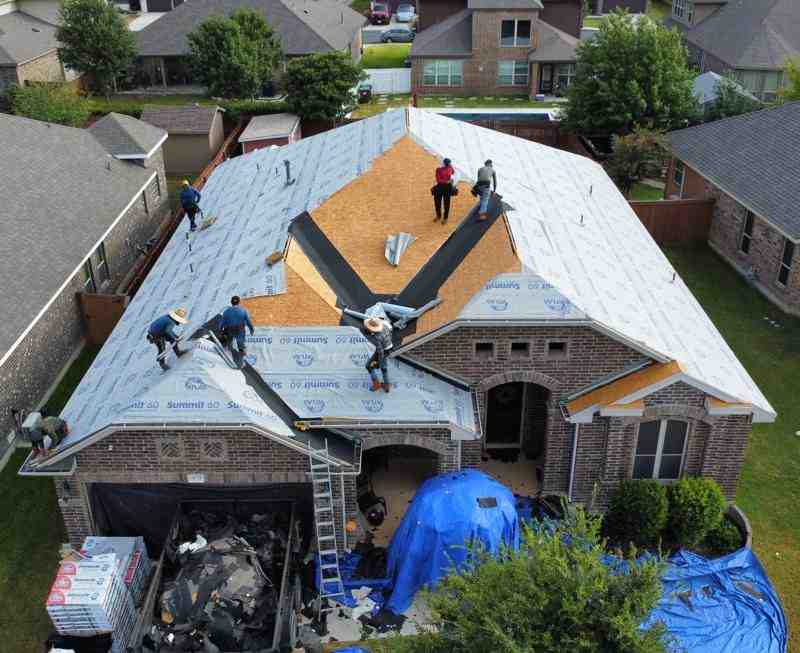
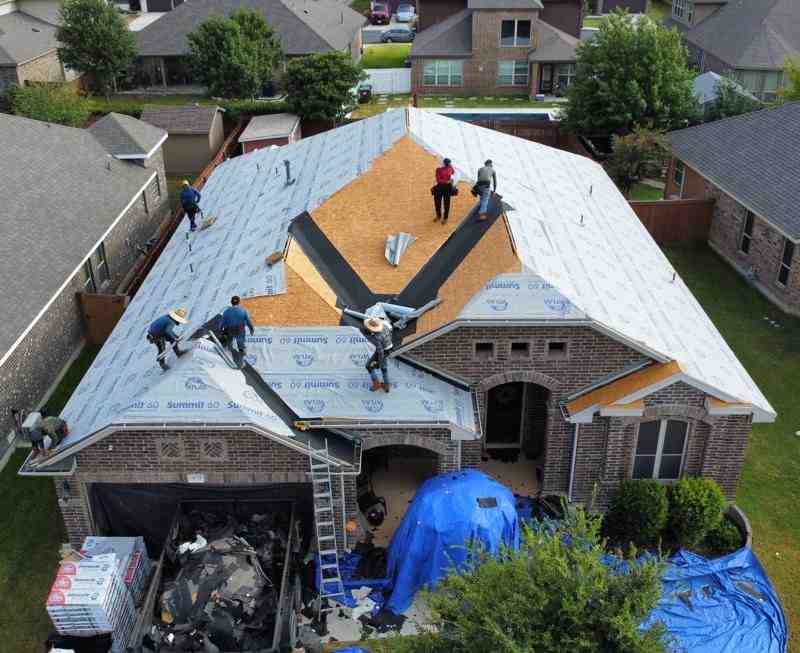
Why Choosing the Right Commercial Roofing Contractor Matters
Commercial roofing contractors are specialized professionals who install, repair, and maintain the roofing systems that protect your business. Finding the right contractor can save you thousands of dollars and prevent costly operational disruptions caused by leaks, weather damage, or premature roof failure.
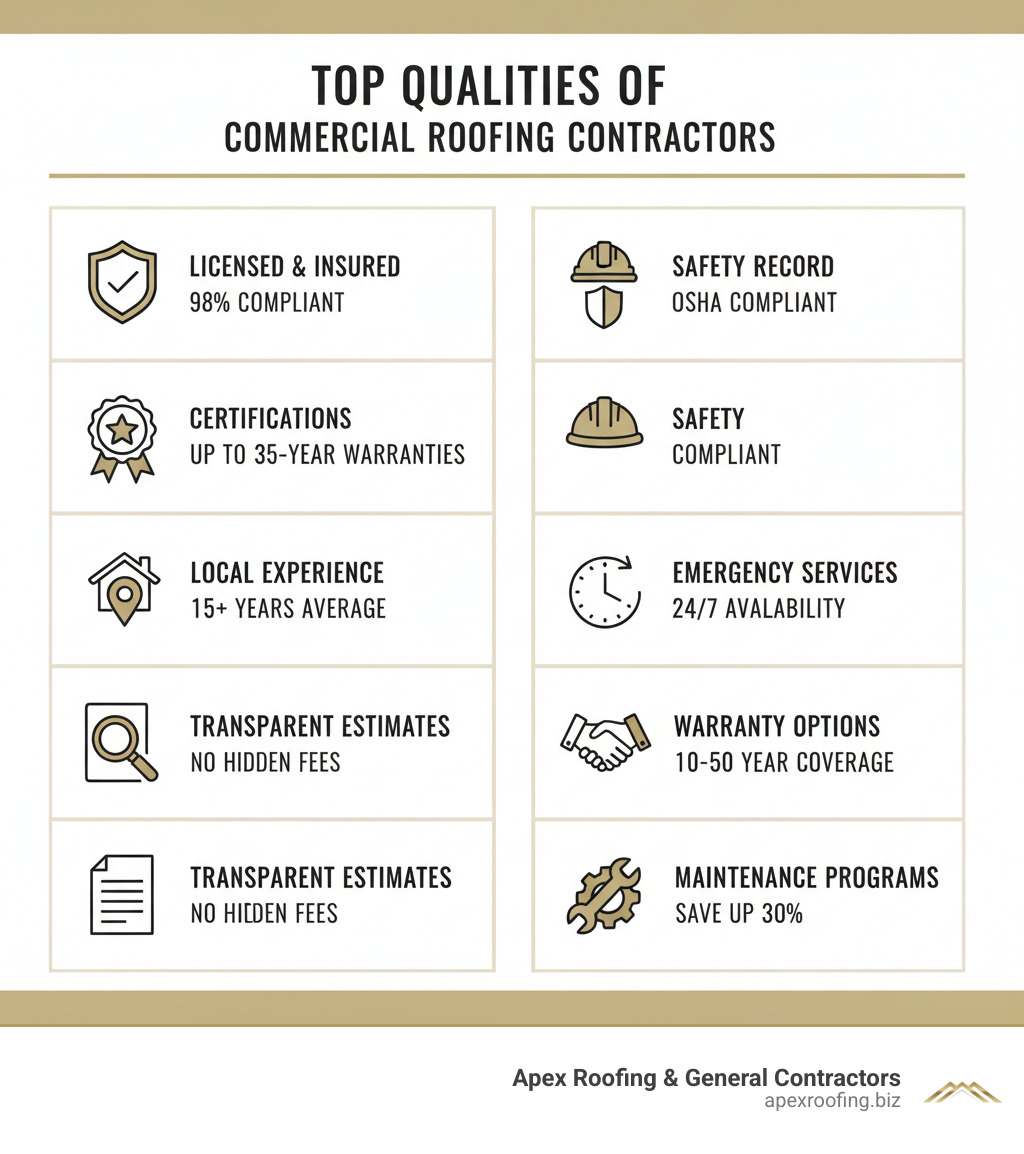
Top Qualities of Reliable Commercial Roofing Contractors
When hiring a commercial roofing contractor, look for these essential qualifications:
- Licensed and Insured – Protects you from liability and ensures legal compliance.
- Manufacturer Certifications – Grants access to extended warranties (like GAF’s 35-year guarantees).
- Proven Local Experience – Ensures familiarity with regional weather and building codes.
- Transparent Estimates – Provides detailed breakdowns of all project costs and timelines.
- Strong Safety Record – Follows OSHA standards to protect the crew and your property.
- 24/7 Emergency Services – Offers availability when storms or unexpected failures occur.
Minor roof damage can stay hidden until it becomes a major leak, causing havoc to your business operations and putting assets at risk. That’s why selecting a qualified partner who provides professional commercial roofing services is critical for long-term building protection.
The commercial roofing market is projected to grow to $17.8 billion by 2030, reflecting increased demand for quality contractors. While the industry offers many choices, not all deliver the same level of expertise, transparency, or customer care.
I’m Carlos Yzaguirre, President and Managing Partner of Apex Roofing & General Contractors. Since co-founding our firm, I’ve worked with property managers and business owners across Texas to deliver integrity-driven, high-quality commercial roofing solutions. I understand what separates exceptional commercial roofing contractors from the rest.
Understanding Commercial Roofing Systems and Materials
Your commercial roof is a major investment affecting your energy bills, insurance, and daily operations. The right system can last for decades, while the wrong one can lead to costly lessons. As commercial roofing contractors serving the San Antonio area, we know there’s no one-size-fits-all solution. Your building’s needs, local climate, and budget determine the best material.
Let’s review the most common commercial roofing systems.
Single-ply membranes are flexible sheets of synthetic polymer rolled across a roof surface. They are popular for being lightweight and relatively easy to install.
TPO (Thermoplastic Polyolefin) is one of the fastest-growing commercial roofing materials. This reflective membrane keeps buildings cooler, lowering energy bills, especially in hot climates like Texas. TPO is known for its resistance to UV rays, chemicals, and punctures.
PVC (Polyvinyl Chloride) roofing offers improved durability. Its heat-welded seams create incredibly strong bonds. PVC excels at resisting chemicals and grease, making it a top choice for restaurants. While it costs more upfront than TPO, its long service life of 20 to 35 years makes it a worthwhile investment for many.
EPDM (Ethylene Propylene Diene Monomer), or “rubber roofing,” is a durable and affordable workhorse for low-slope systems. Typically black, it absorbs heat, but white coatings can be applied to improve energy efficiency. It has a proven track record of over 50 years.
Metal roofing offers exceptional longevity—often 40 to 70 years or more. Available in materials like steel, aluminum, or copper, metal roofs are fire-resistant, highly durable, and can be coated for energy efficiency. The upfront cost is higher, but the decades of reliable service often justify it.
Built-Up Roofing (BUR) is the traditional flat roof system, featuring multiple layers of asphalt and reinforcing fabric topped with gravel. This creates a thick, robust, and waterproof membrane, though the installation process is heavy and produces strong odors.
Modified Bitumen is an evolution of BUR, with added polymers for improved flexibility. These systems offer excellent waterproofing for low-slope roofs. The torch-down installation method requires certified commercial roofing contractors to ensure safety.
Spray Polyurethane Foam (SPF) is a versatile option for irregular roof shapes. Applied as a liquid that expands into a seamless, insulated foam layer, it offers outstanding insulation. SPF requires skilled application and regular recoating every 15-20 years to protect against UV damage, but it can be renewed indefinitely.
Key Factors in Choosing Your Roofing System
When choosing a system, we help property owners consider several key factors:
- Lifespan: A metal roof may last 40-70 years, while a membrane system might last 15-30. The best choice depends on your ownership timeline and budget.
- Durability: Your local weather, such as hail or high winds in Texas, dictates the necessary durability.
- Weather Resistance: In hot climates, reflective materials lower cooling costs. In areas with temperature swings, flexible materials prevent cracking.
- Building Slope: Low-slope or flat roofs require materials designed to handle standing water.
- Budget: Look at the total cost of ownership, not just the upfront price. A cheaper roof may lead to higher long-term repair costs. Commercial roofing generally costs $5 to $12 per square foot.
- Energy Efficiency: A reflective or well-insulated roof can reduce HVAC costs by 20-30%.
- Maintenance Needs: Understand the ongoing maintenance requirements to plan for future operational costs.
This table provides a quick comparison of common commercial roofing systems:
| Material | Average Lifespan (Years) | Estimated Cost/sq ft (Installation) | Key Advantages | Considerations |
|---|---|---|---|---|
| TPO | 15-30 | $6 – $10 | Energy-efficient (reflective), durable, resistant to UV and chemicals, lightweight. | Seams can be a weak point if not installed perfectly, quality varies by manufacturer. |
| PVC | 20-35 | $7 – $12 | Excellent chemical and grease resistance, strong seams, durable, energy-efficient, recyclable. | Higher upfront cost than TPO, can become brittle in extremely cold temperatures over time. |
| EPDM | 22-35 | $5 – $9 | Cost-effective, long lifespan, durable, flexible, easy to repair. | Dark color absorbs heat (can be coated white), susceptible to punctures from sharp objects, aesthetics. |
| Metal | 40-70+ | $8 – $20 | Exceptional durability, fire resistance, energy-efficient coatings available, recyclable, aesthetic appeal. | Higher upfront cost, noise during heavy rain/hail, potential for denting, requires specialized installers. |
| Built-Up Roofing (BUR) | 20-30 | $4 – $8 | Time-tested, robust, excellent waterproofing, good fire resistance. | Heavy, strong odors during installation, longer installation time, less flexible in extreme temperatures. |
| Modified Bitumen | 15-25 | $5 – $9 | Good flexibility, strong waterproofing, improved durability over BUR, easier to repair than BUR. | Can be heavy, less energy-efficient than single-ply unless coated, typically requires torch-down application (fire hazard if not done by certified commercial roofing contractors). |
| SPF (Spray Polyurethane Foam) | 15-20 (renewable with coatings) | $6 – $12 | Excellent insulation, seamless, lightweight, easy to repair, fills irregular surfaces. | Requires skilled application, susceptible to UV degradation if not properly coated, can be damaged by foot traffic. |
The Rise of Sustainable and Energy-Efficient Roofing
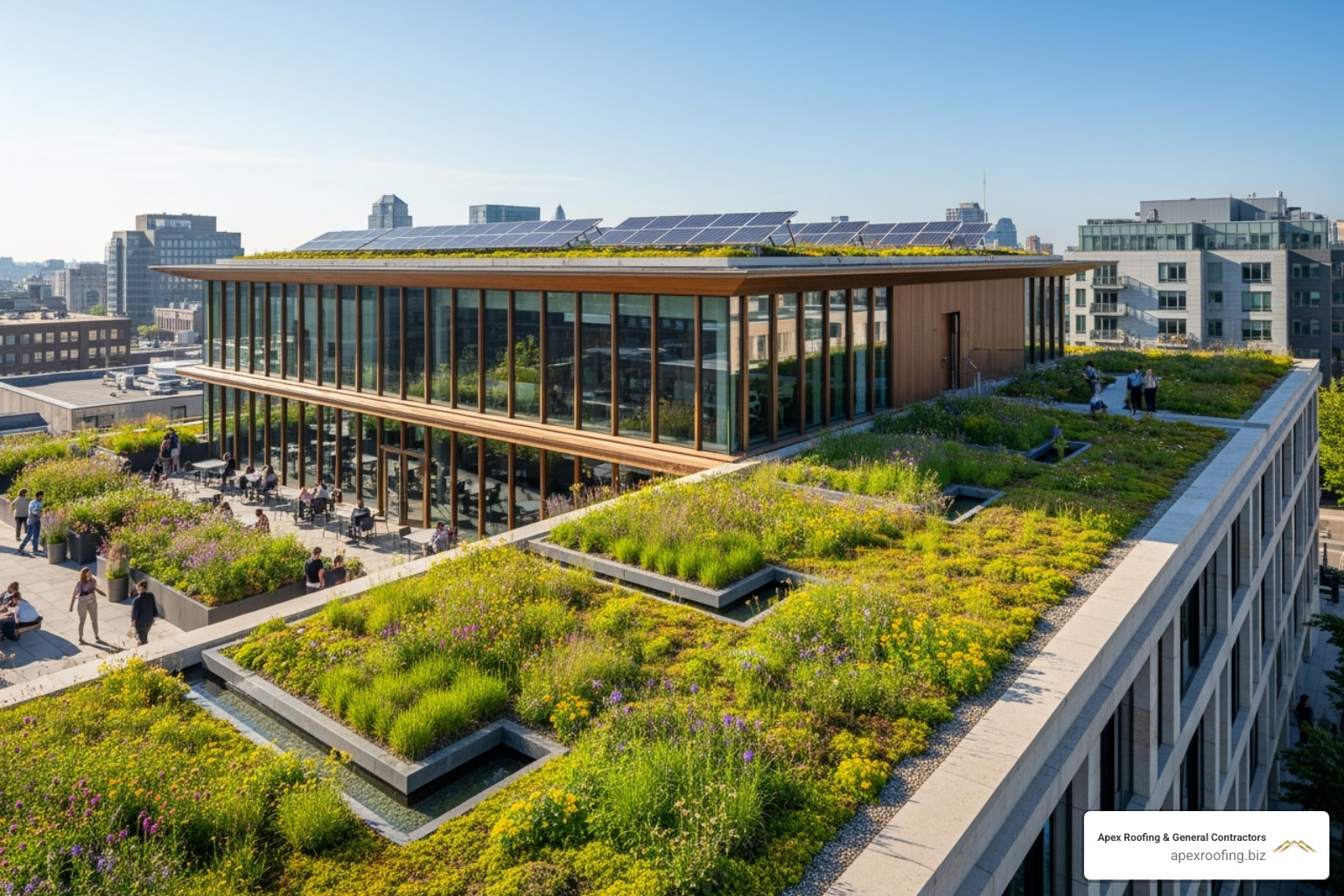
Sustainable roofing options deliver long-term cost savings and environmental benefits. These forward-thinking solutions are becoming a smart investment for modern businesses.
- Green Roofs: Also called living roofs, these systems feature vegetation that manages stormwater, improves air quality, and reduces the urban heat island effect. Government grants are often available to make them more accessible.
- Cool Roofs: These roofs use reflective materials, like white PVC or coated TPO, to absorb less heat. They can lower cooling costs by 10-30%, a significant advantage in hot climates, and may qualify for utility rebates.
- Solar-Ready Roofs: These are structurally prepared for future solar panel installation, saving significant costs later. Integrating solar panels can generate clean electricity and reduce operating expenses.
Sustainable roofing can also contribute to LEED certification, improving a building’s market value and demonstrating environmental stewardship. The National Roofing Contractors Association offers extensive resources on these innovative and cost-effective technologies.
The Process: From Inspection to Long-Term Maintenance
Properly managing your commercial roof’s lifecycle protects your investment. Understanding the process, from initial assessment to ongoing care, empowers you to make smarter decisions for your business.
It all begins with a comprehensive initial assessment. We conduct a thorough inspection of your roof’s condition, identifying damage, weak spots, and overall performance. We document our findings with detailed photos, so you see exactly what we see and understand our recommendations.
An important decision is repair vs. replacement. A targeted repair can extend your roof’s life if the damage is localized. However, if the roof is near the end of its lifespan or has widespread issues, replacement is often the more financially sound choice. We help you weigh the pros and cons based on your roof’s age, damage, and your long-term plans.
Proactive maintenance programs are the most effective way to maximize your roof’s lifespan and prevent premature failure. Small, unnoticed issues like a tiny crack or minor ponding water can escalate into destructive and expensive problems. Regular maintenance catches these defects when they are easy and inexpensive to fix.
Even with great care, emergencies can happen. Access to emergency services is crucial when severe storms or unexpected failures occur. A quick response can mean the difference between a contained repair and extensive damage to your inventory and interior. Reliable commercial roofing contractors offer 24/7 availability to protect your property when you need it most.
Signs Your Commercial Roof Needs Professional Attention
Knowing the warning signs of roof failure can save you from major headaches. If you spot any of these issues, it’s time to call a professional.
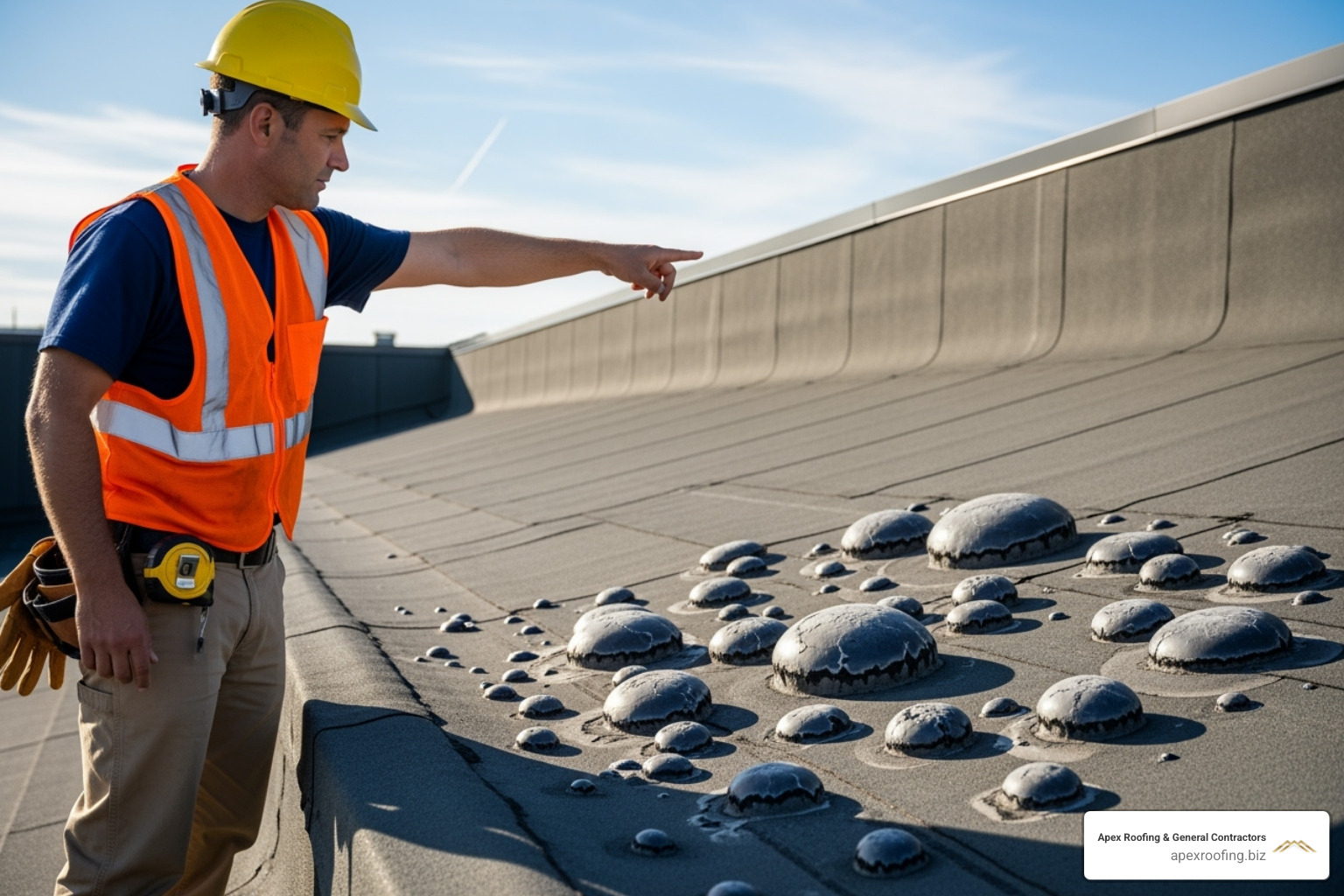
- Leaks and Water Stains: Discoloration on ceilings or walls is a clear sign of a leak. Even small drips can lead to mold, structural damage, and ruined inventory if not addressed immediately.
- Ponding Water: If water remains on your flat roof for more than 48 hours after rain, it indicates a drainage problem. This standing water accelerates material breakdown and increases the risk of leaks.
- Damaged Flashing: Flashing seals joints around vents, skylights, and walls. If it’s cracked or pulling away, it creates a direct path for water to enter.
- Visible Cracks, Tears, or Blisters: Any visible breach in the roof membrane compromises its protective barrier. Blisters indicate trapped moisture that can lead to larger failures.
- Increased Energy Bills: A sudden spike in heating or cooling costs can signal failing insulation in your roofing system, forcing your HVAC system to work harder.
If you spot these issues, it’s time to seek professional commercial roofing services. Quick action can prevent minor repairs from becoming costly emergencies.
The Importance of Proactive Maintenance and Emergency Services for commercial roofing contractors
Think of roof maintenance like car maintenance—it’s an investment that prevents costly breakdowns. A proactive approach extends your roof’s life and ensures uninterrupted business operations.
A comprehensive maintenance program includes scheduled inspections (typically biannually), debris and gutter cleaning to ensure proper drainage, and on-the-spot correction of minor defects. This preventative strategy is where maintenance delivers its greatest value, catching small issues before they escalate into thousands of dollars in damage.
Despite excellent maintenance, severe weather or accidents can cause unexpected damage. This is where emergency commercial roofing services are invaluable. Having access to 24/7 availability means that when disaster strikes, a rapid response team can minimize damage, protect your assets, and help your business return to normal as quickly as possible. For businesses in San Antonio and surrounding areas, knowing help is just a phone call away provides true peace of mind.
How to Hire the Best Commercial Roofing Contractors
Finding the right commercial roofing contractors is a critical decision that affects your building’s long-term health and your budget. A methodical vetting process is essential to protect your investment.
At Apex Roofing & General Contractors, we believe trust is earned through transparency, expertise, and a commitment to quality. The best contractors distinguish themselves with verifiable credentials and a proven track record, especially in a challenging climate like San Antonio’s, where intense sun and sudden storms test every roof.
What to Look for in a Qualified Commercial Roofing Contractor
- Licensing and Insurance: This is non-negotiable for your financial protection. A licensed contractor meets state standards, while full liability and workers’ compensation insurance shield you from responsibility for accidents. Always verify current coverage.
- Manufacturer Certifications: Certifications from leading manufacturers like GAF demonstrate a commitment to excellence and proper installation techniques. This often grants you access to superior, long-term warranties.
- Safety Record and OSHA Compliance: A contractor with a strong safety record protects their crew, minimizes your liability, and delivers higher-quality work by avoiding shortcuts. Ask about their safety programs and incident rates.
- Online Reputation and References: Check reviews on Google, Yelp, and the Better Business Bureau. For a list of accredited professionals, you can check the BBB. Request and call references from past commercial projects similar to yours.
- Local Experience: It’s crucial to hire experienced commercial roofers in San Antonio who understand local building codes, permitting, and climate challenges. This knowledge is invaluable for a successful project.
Decoding Your Commercial Roofing Estimate and Warranty
A detailed estimate is a roadmap that prevents surprises. A vague, one-page quote is a major red flag. Your estimate should clearly outline the following:
- Scope of Work: An itemized list of every task, from tear-off and preparation to installation and cleanup.
- Material List: Specifics on the manufacturer, product name, and quantity of all materials being used.
- Labor Costs: A clear breakdown of the costs associated with the workforce.
- Project Timeline: Realistic start and completion dates, with allowances for potential weather delays.
- Payment Schedule: A fair schedule tied to project milestones, not heavily front-loaded.
Warranties are your long-term protection. There are two main types:
- Workmanship Warranty: Provided by the contractor, this covers installation errors and typically lasts one to ten years, though some exceptional contractors offer longer terms. Its value depends on the stability of the company offering it.
- Manufacturer Warranty: This covers defects in the roofing materials themselves and can range from ten years to over three decades, especially when installed by a certified contractor.
The gold standard is a No Dollar Limit (NDL) guarantee, which covers the full repair or replacement cost without depreciation. Top-tier certified contractors can offer NDL warranties for up to 35 years, providing the ultimate protection for your investment. Always read warranty documents carefully to understand coverage, exclusions, and your maintenance obligations. You can learn more about contractor standards from the NRCA to ensure your partner follows industry best practices.
Frequently Asked Questions about Commercial Roofing
Navigating commercial roofing can be complex. Here are answers to some of the most common questions property owners ask.
What is the main difference between commercial and residential roofing?
The primary difference is the roof’s slope. Commercial buildings typically have low-slope or flat roofs, which require specialized materials like single-ply membranes (TPO, PVC, EPDM) or built-up systems designed to handle standing water. Residential roofs are steeply sloped, using materials like shingles or tiles that shed water via gravity. Commercial roofs also must support heavy equipment like HVAC units, requiring robust structural design and careful waterproofing around penetrations.
How long does a typical commercial roof last?
The lifespan of a commercial roof depends heavily on the material, installation quality, climate, and maintenance. General estimates are:
- TPO: 15 to 30 years.
- PVC: 20 to 35 years.
- EPDM: 22 to 35 years.
- Modified Bitumen: 15 to 25 years.
- Built-Up Roofing (BUR): 20 to 30 years.
- Spray Polyurethane Foam (SPF): 20+ years with regular recoating.
- Metal Roofs: 40 to 70+ years, making them one of the longest-lasting options.
Proactive maintenance is the key to achieving or exceeding these lifespans.
How much does a new commercial roof cost?
Commercial roofing costs generally range from $5 to $12 per square foot. The final price is influenced by several factors:
- Material Choice: High-performance materials like PVC or metal have higher upfront costs than options like EPDM.
- Roof Complexity: A roof with many vents, skylights, or difficult access points will increase labor costs.
- Size and Condition: Larger roofs cost more, and if the existing structure requires a complete tear-off, the price will increase.
- Geographic Location: Labor and material costs vary by region.
- Additional Features: Upgrades like new insulation, drainage systems, or specialized coatings will add to the total cost.
Always get multiple, itemized quotes from reputable commercial roofing contractors to compare.
Protect Your Investment with an Expert Partner
Choosing the right commercial roofing contractor is an investment in your property’s future. By understanding the different systems, knowing the signs of failure, and properly vetting potential partners, you can ensure your building is protected by a durable, efficient, and long-lasting roof. A qualified contractor provides not only expert installation but also peace of mind through transparent communication, adherence to safety standards, and robust warranty support.
At Apex Roofing & General Contractors, we are committed to delivering certified, reliable service with transparent communication and compliance with local building codes. We understand the unique challenges faced by commercial property owners in San Antonio, Helotes, Leon Valley, Alamo Heights, Fair Oaks Ranch, Shavano Park, Terrell Hills, and across Bexar County.
Ready to secure your property with a roofing solution that stands the test of time? We offer free estimates to help you make an informed decision. Call us at (726) 727-7663 for a free inspection, and let us help you protect your most valuable assets.