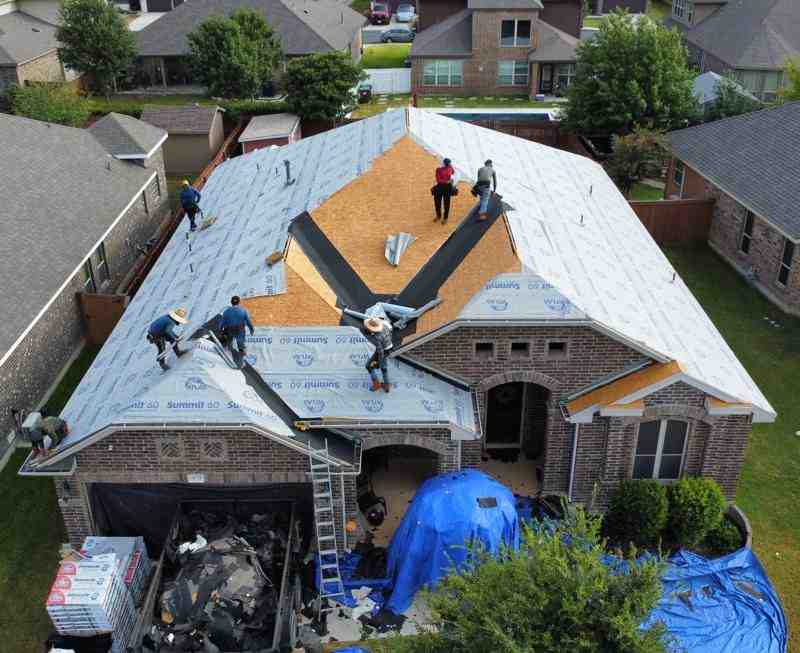
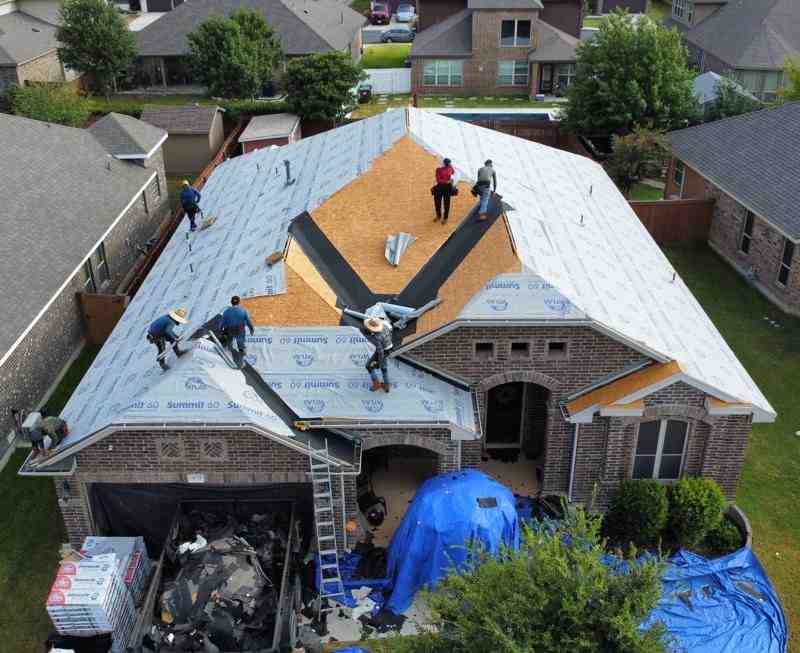
Why Finding the Right Commercial Roof Repair Service Matters
Commercial roof repair directly protects your revenue, your people, and your building’s structure. A compromised roof can halt business operations, damage inventory, and create unsafe conditions for employees. That’s why prompt and professional service is not just a fix—it’s a critical investment in your business’s continuity. When you notice signs of trouble, from minor leaks to visible damage, partnering with a team that provides reliable commercial roofing solutions can mean the difference between a simple repair and a catastrophic, costly failure.
If you’re searching for commercial roof repair services, here’s what you need to know:
- Average repair costs: $500 to $5,000, depending on damage extent and materials
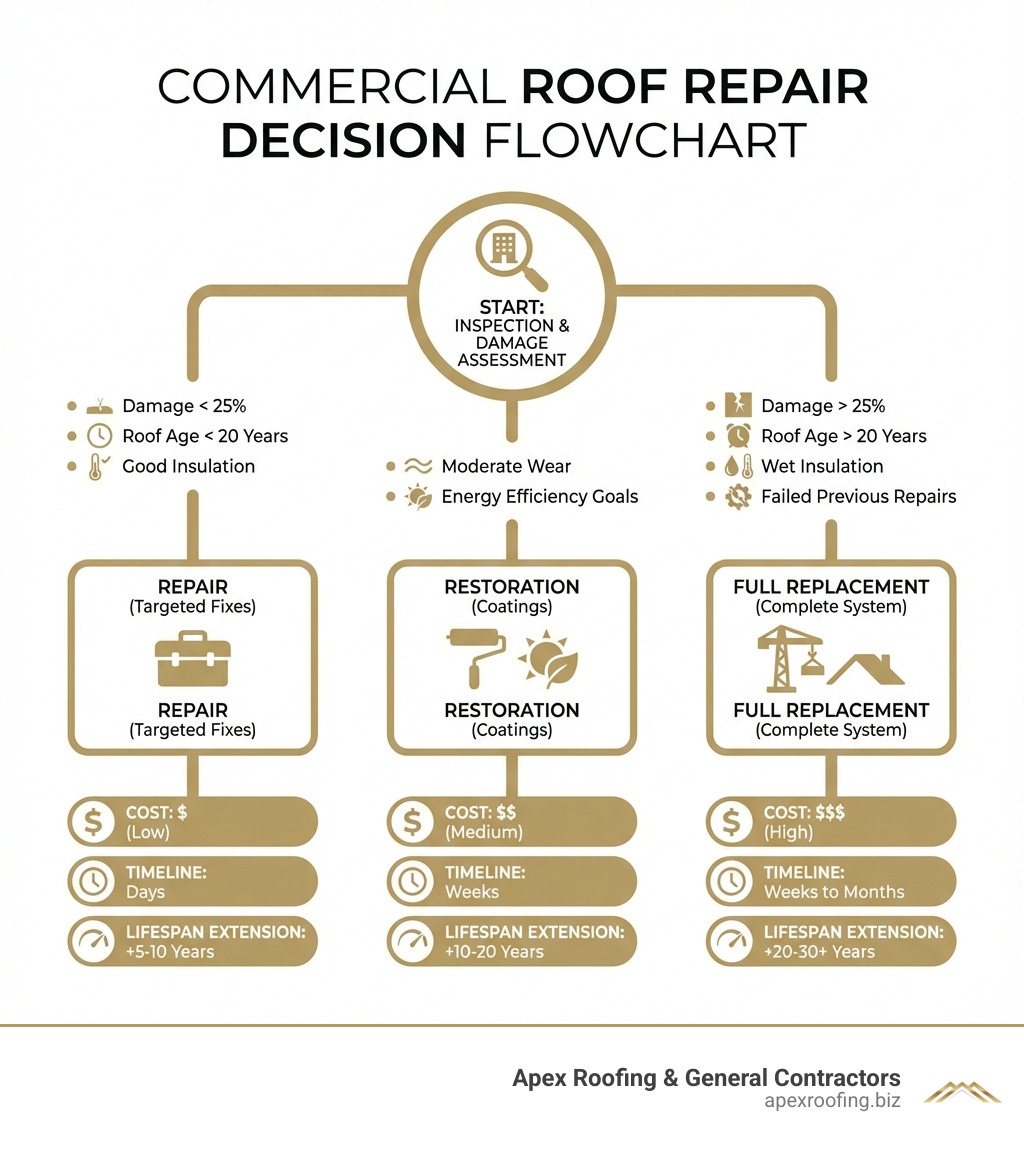
- When to repair vs. replace: Repair if less than 25% is damaged; replace if damage exceeds 25%, insulation is wet, or the roof is 20-30 years old
- Inspection frequency: At least twice yearly (spring and fall), plus after severe weather
- Repair timeline: Minor repairs take a few hours; extensive damage may require several days
- Key contractor credentials: State licensing, liability insurance, workers’ compensation, and manufacturer certifications
The commercial roofing market is projected to reach $187.9 billion by 2030, reflecting the critical importance of proper roof maintenance across all industries. Yet many property owners delay repairs due to uncertainty about costs, contractors, or whether a repair is even possible. This hesitation can lead to exponential damage—ponding water alone can accelerate roof membrane deterioration by up to 50%, and water intrusion can cause structural issues, mold growth, and thousands of dollars in interior damage.
Whether you need emergency leak repair, routine maintenance, or a comprehensive assessment of your flat or low-slope roof, understanding the repair process empowers you to make informed decisions. From identifying early warning signs like water stains and blistering to selecting a vetted commercial roofing contractor, this guide walks you through every critical step.
I’m Carlos Yzaguirre, President and Managing Partner of Apex Roofing & General Contractors, and since 2022, I’ve led our team in delivering reliable commercial roof repair solutions across San Antonio, Austin, and the greater Texas region. Our A+ BBB rating reflects our commitment to transparent communication, quality craftsmanship, and getting your roof fixed right the first time—so you can focus on running your business, not worrying about leaks.
Common Causes and Telltale Signs of Roof Damage
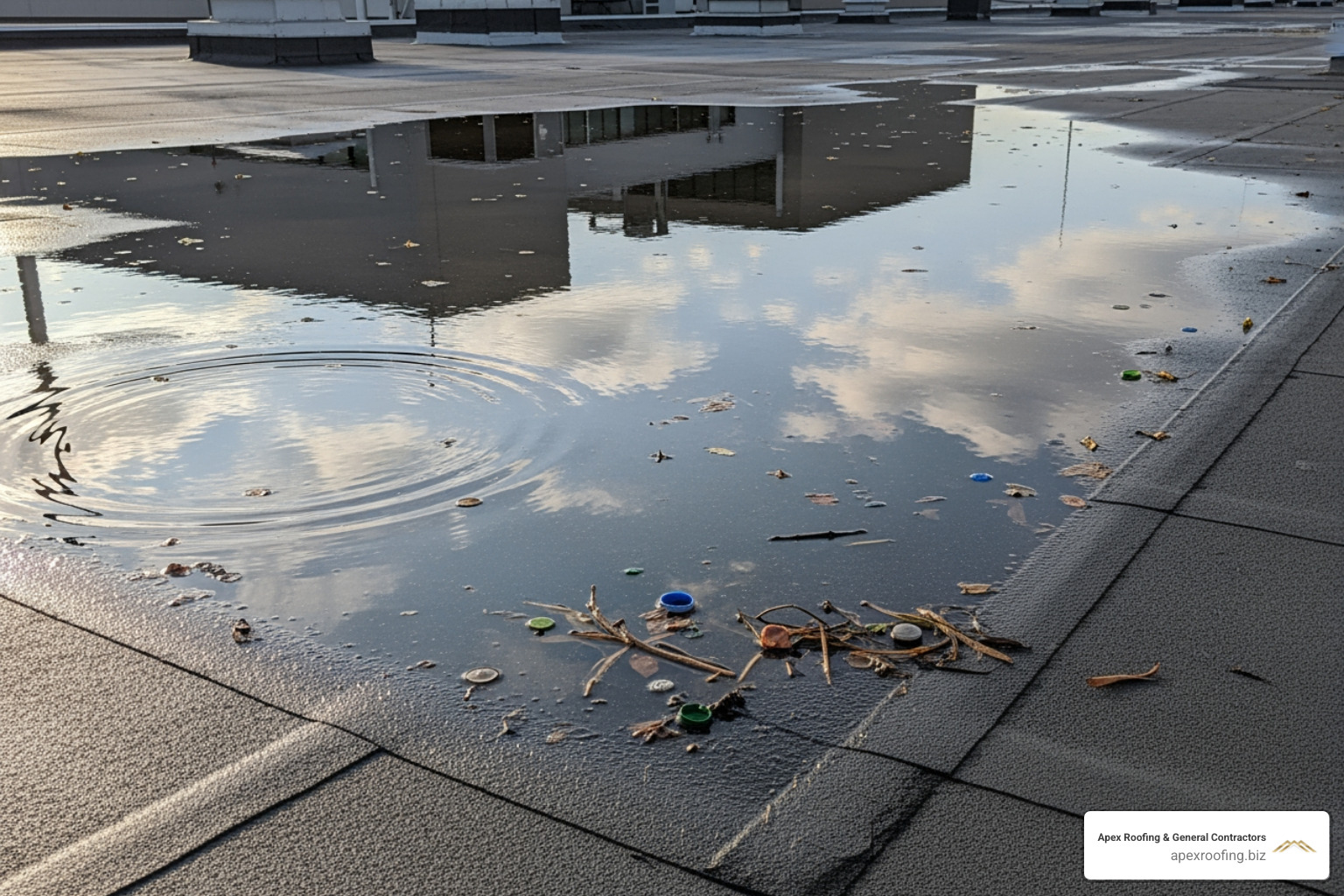
Your commercial roof is a vital shield, protecting your business from the elements. However, it’s constantly exposed to harsh conditions, and over time, even the most robust systems will show signs of wear. Understanding the common causes of damage and recognizing the early warning signs is crucial for timely commercial roof repair. Ignoring these indicators can lead to significant structural issues, mold growth, and damage to interior finishes, with repair costs potentially reaching thousands of dollars.
Here in San Antonio, our commercial roofs face unique challenges from intense UV exposure, occasional severe storms, and fluctuating temperatures. These conditions can accelerate wear and tear, making proactive monitoring essential.
Causes of Commercial Roof Damage
- Weather Extremes: San Antonio experiences strong sun exposure and occasional heavy rains and hail, which can degrade roofing materials. High winds can lift membranes or peel back flashing, while temperature fluctuations cause materials to expand and contract, leading to cracks and stress.
- Poor Maintenance: Neglecting regular inspections and routine cleaning allows minor issues to escalate. Clogged drains, accumulated debris, and unaddressed small punctures can lead to extensive damage.
- Aging Materials: Every roofing material has a finite lifespan. Commercial roofs typically last 20 to 30 years, but this can vary by material type. As they age, materials become brittle, lose elasticity, and are more susceptible to damage.
- Improper Installation: Unfortunately, vulnerabilities can be built into a roof from day one if it’s not installed correctly. Poor flashing work, inadequate sealing, or improper attachment can lead to premature failure and leaks.
Telltale Signs Your Roof Needs Repair
Early detection of roof problems can save you considerable time and money. Look for these indicators, both inside and outside your commercial property:
- Water Stains: Discoloration on ceilings or walls is a classic sign of a leak.
- Sagging Roof Deck: A visible dip or depression in the roof surface can indicate structural stress or concentrated water pooling.
- Cracks and Blisters: These are common on flat or low-slope roofs. Cracks allow water intrusion, while blisters can signify trapped moisture or air pockets beneath the membrane.
- Punctures: Sharp objects, foot traffic, or falling debris can create holes, compromising the roof’s integrity.
- Flashing Failures: Flashing seals the edges and transitions of your roof, particularly around vents, skylights, and parapet walls. If it’s damaged or detached, these become high-risk leak points.
- Increased Energy Bills: A compromised roof can lead to poor insulation and reduced energy efficiency, causing your HVAC system to work harder and increasing utility costs.
- Ponding Water: Standing water on your roof 48 hours after rainfall is a serious concern. Ponding water can accelerate roof membrane deterioration by up to 50%, leading to premature failure.
- Clogged Drains: If your roof’s drainage system isn’t functioning properly, water will accumulate, leading to ponding and potential leaks.
More info about flat roof leaks
Identifying Damage from the Exterior
A regular walk-through of your roof can reveal many problems before they become critical. Our team always conducts thorough exterior inspections as part of our commercial roof repair process.
- Visible Membrane Damage: Look for tears, punctures, or areas where the roofing material appears thin, worn, or eroded.
- Loose or Damaged Flashing: Check around all roof penetrations (vents, pipes, HVAC units) and along parapet walls. Loose or missing flashing is a common source of leaks.
- Corrosion on Metal Roofs: Rust spots, especially around fasteners or seams, indicate a need for attention. Loose screws on metal roofs are also a frequent issue.
- Blocked Drains or Scuppers: Debris, leaves, or even ponding water can obstruct drainage, leading to water accumulation.
- Ponding Water: Any standing water on the roof that doesn’t drain within 48 hours is a red flag. Ponding water can significantly shorten your roof’s life.
- Blistering or Bubbling: These raised areas on the roof surface can indicate trapped moisture or air, weakening the membrane.
- Open Seams: On single-ply roofs (TPO, EPDM, PVC), seams can separate over time, creating direct entry points for water.
Spotting Trouble from the Interior
Often, the first sign of a roof problem is noticed inside the building. These interior indicators are critical and demand immediate attention.
- Water Stains on Ceilings: These are the most obvious sign of a leak. Don’t ignore them, even if they seem small.
- Mold or Mildew Growth: Persistent dampness from a leak can lead to mold, which poses health risks and can damage interior finishes.
- Musty Odors: A persistent damp or musty smell, especially near exterior walls or ceilings, can indicate hidden moisture and potential mold.
- Wet Insulation: If your roof’s insulation gets wet, it loses its R-value, leading to increased energy costs. Wet insulation can also cause structural damage and mold.
- Bubbles in Ceiling Paint: Similar to roof blisters, bubbles in ceiling paint often signify trapped moisture directly above.
- Unexplained Spikes in HVAC Costs: If your energy bills are suddenly higher without a change in usage, your roof’s insulation or membrane might be compromised, allowing heat or cold air to escape.
The 6-Step Process for Diagnosing and Fixing Roof Problems
When you notice a problem with your commercial roof, a structured approach is essential for effective commercial roof repair. Our team follows a comprehensive process to ensure we accurately diagnose the issue and implement the best solution for your property in San Antonio.
The Importance of a Professional Commercial Roof Repair Assessment
A professional assessment is essential because certified technicians can identify hidden issues that are not visible to the untrained eye. Using advanced tools such as infrared scanners, experts can detect trapped moisture within the roofing system, preventing widespread structural damage and mold. A thorough inspection provides a detailed report, which is crucial for insurance claims, warranty compliance, and developing an accurate, long-term repair strategy. We believe that an inexpensive fix may cost more money in the long run if it fails, which is why we always recommend a professional evaluation.
Emergency Measures to Prevent Further Damage
When a leak or significant damage occurs, our priority is to protect your building and its contents. We respond quickly to stabilize the situation and prevent further harm.
- Active Leak Containment: Our crews work to immediately contain active leaks, using temporary barriers or collection systems to divert water away from critical areas, equipment, and inventory.
- Tarping Damaged Areas: For visible damage or large breaches, we can apply emergency tarping to temporarily seal the affected area, preventing additional water intrusion.
- Clearing Debris from Drains: Clogged drains are a common cause of leaks. We’ll clear any blockages to restore proper drainage and reduce ponding water.
- Setting Up Safety Zones: Safety is paramount. We establish clear safety zones around damaged areas on the roof and inside the building to protect your employees and customers from potential hazards.
- Documenting Damage with Photos: We carefully document all damage with photographs. This visual record is vital for assessing the extent of the problem, planning permanent repairs, and assisting with insurance claims.
Navigating emergency roof repairs
A guide to fixing commercial roof problems
A Guide to Commercial Roof Repair Solutions
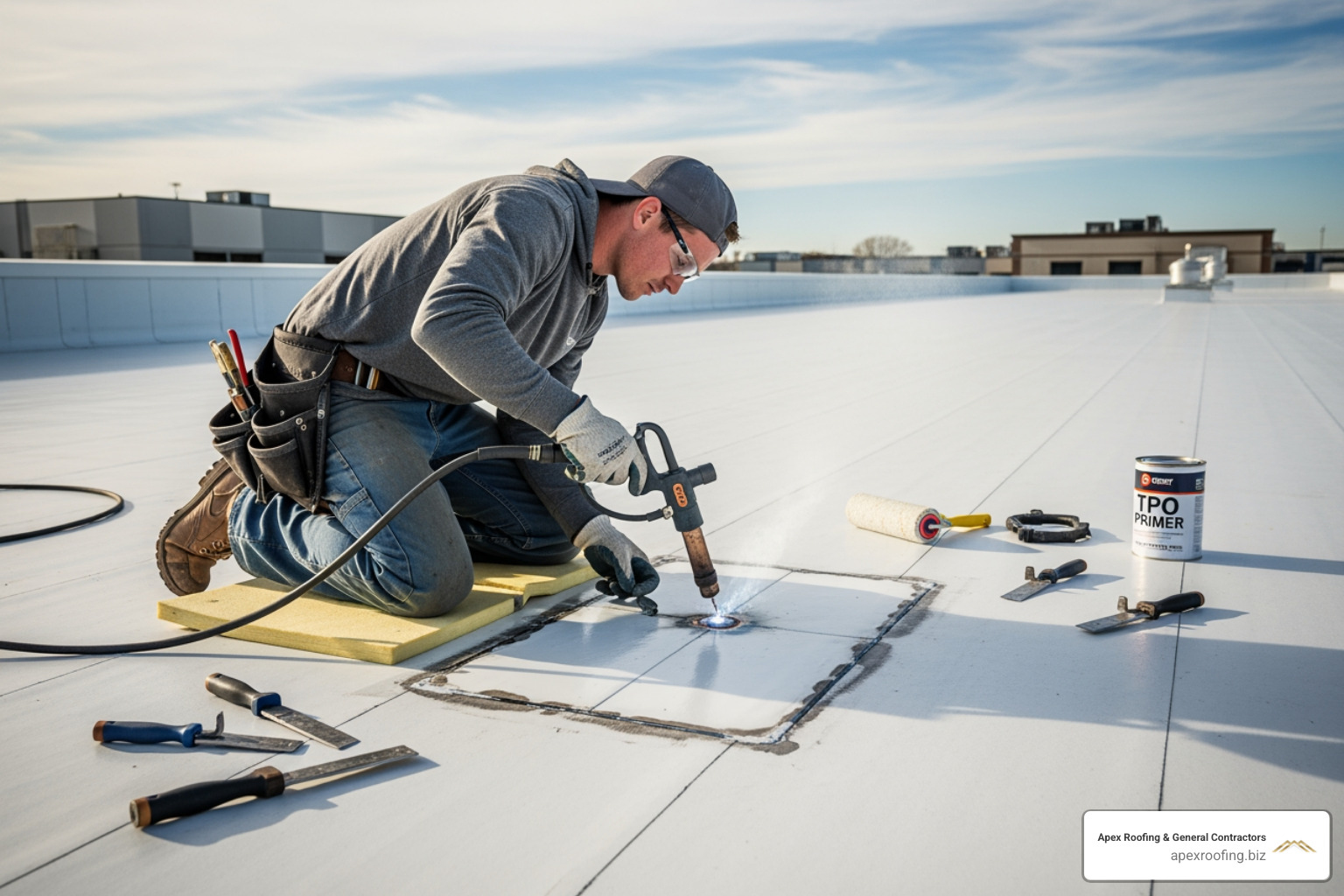
Once the problem is diagnosed and emergency measures are in place, the next step is to implement a permanent commercial roof repair. Repair techniques vary significantly based on the roofing material. Selecting the correct approach for your specific roof type is critical for a durable, long-lasting fix that maintains your warranty. Our certified crews are trained to work with all major commercial roofing systems.
Repair Techniques for Different Roofing Materials
Each commercial roofing material has unique properties and requires specialized repair methods.
- Single-Ply (TPO, EPDM, PVC): These flexible membranes (common in San Antonio) can often be repaired with heat-welded patches (for TPO and PVC) or adhesive cover strips (for EPDM). The damaged section is cleaned, primed, and then a new piece of membrane is fused or glued over the compromised area, creating a watertight seal.
- Built-Up/Modified Bitumen: For these multi-layer systems, repairs often involve cutting out damaged felts, installing new ply sheets, or embedding a gravel-surfaced flood coat. For modified bitumen, torch-down patches can be applied to fuse new material to the existing roof.
- Metal Roofs: Repairs on metal roofs can involve replacing loose screws, adding butyl tape under panel laps to seal gaps, or reinforcing seams with cover-boards. We address corrosion and ensure proper fastening to prevent leaks and further damage from thermal expansion and contraction.
How to repair rubberized roofing
The Role of Roof Coatings and Sealants
Roof coatings are a fantastic solution for extending the life of your existing commercial roof, especially in our sunny San Antonio climate. They form a seamless, monolithic layer that extends a roof’s life by protecting it from water intrusion and harmful UV radiation.
- Silicone Coatings: Ideal for flat roofs prone to ponding water, silicone coatings are highly durable and resist standing water without breaking down.
- Acrylic Coatings: These are excellent for reflectivity, helping to reduce cooling costs in hot climates like ours by bouncing sunlight away from the building.
- Polyurethane Coatings: Often used in high-traffic zones, polyurethane coatings offer superior abrasion resistance and durability.
- Improved Energy Efficiency: Reflective coatings can significantly lower roof surface temperatures, reducing the demand on your HVAC system and lowering energy bills.
- Leak Protection: Coatings seal minor cracks and pinholes, providing an additional layer of waterproofing.
- Lifespan Extension: A properly applied coating can add years, even decades, to your roof’s lifespan, delaying the need for a full replacement.
Repair, Restore, or Replace? Making the Right Financial Decision
The decision to repair, restore, or replace a commercial roof depends on three key factors: the extent of the damage, the age of the roof, and your long-term business plans. Industry standards indicate that if 25% or more of the roof is damaged, a full replacement is often the most cost-effective solution. Putting money into repairs on an older roof (approaching 30 years) may not be worthwhile, as it may not withstand repeated repairs.
Here’s a quick overview to help you weigh your options:
| Factor | Repair | Restoration (Coating) | Replacement |
|---|---|---|---|
| Cost | Low ($500 – $5,000+) | Moderate ($3 – $7 per sq. ft.) | High ($7 – $15 per sq. ft.) |
| Lifespan Extension | Short-term fix (1-5 years) | Significant (10-20 years) | Long-term (20-50+ years, depending on material) |
| Disruption | Minimal | Low to moderate | Moderate to high |
| Warranty | May preserve existing; new limited warranty on repair area | New warranty on coating; may protect existing substrate warranty | New full system warranty |
| Ideal Scenario | Minor, localized damage; young roof; short-term property plans | Moderate wear; good substrate; energy efficiency goals; cost-effective | Extensive damage; aged roof; wet insulation; long-term property plans |
Key Factors in the Cost of Commercial Roof Repair
The cost of commercial roof repair can vary widely. While the average repair ranges from $500 to $5,000 or more, several factors influence the final price:
- Extent of Damage: A small puncture repair will cost far less than addressing widespread membrane deterioration or significant structural damage.
- Roof Size: Larger roofs generally mean more material and labor for repairs, even for localized issues.
- Material Type: Specialized materials like certain single-ply membranes or complex metal roof systems can be more expensive to repair than standard asphalt or modified bitumen.
- Labor Costs: The complexity of the repair and the specialized skills required will impact labor expenses.
- Accessibility: If your roof is difficult to access, requiring special equipment or extensive safety measures, costs can increase.
- Geographic Location: While we focus on San Antonio and surrounding areas, local market rates for labor and materials can fluctuate.
- Permit Fees: Depending on the scope of the repair, local building permits may be required, adding to the overall cost.
When a Full Roof Replacement is the Smarter Choice
While repairs are often a cost-effective solution for minor issues, there are times when a full roof replacement is the more prudent and financially sound decision, especially given the average cost of a commercial roof replacement can range from $7 to $15 per square foot.
- Extensive Damage (>25%): If a professional inspection reveals that 25% or more of your roof is damaged, it’s generally more cost-efficient to replace the entire roof rather than attempting numerous, piecemeal repairs.
- Aged Roof (20-30 years): If your commercial roof is nearing or has exceeded its typical lifespan of 20 to 30 years, investing in major repairs may be throwing good money after bad. A new roof offers a fresh start and a long-term solution.
- Wet Insulation: Infrared scanning can detect trapped moisture in the insulation layers. If insulation is wet, it’s often best to replace the entire system, as wet insulation compromises energy efficiency and can lead to structural rot and mold.
- Multiple Previous Repairs: A roof that has undergone numerous repairs, patches, and overlays often indicates systemic failure. At this point, a replacement offers a more reliable and durable solution.
- Aligning with Long-Term Plans: If you plan to own the building for many years, expand operations, or add new features like solar panels, a full replacement ensures the roof can support future needs.
- Upgrading to Energy-Efficient Materials: A new roof is an opportunity to install modern, energy-efficient materials that can significantly reduce your operating costs in the long run.
Learn more about our commercial roofing options
How to Choose the Right Commercial Roofing Contractor in San Antonio
Selecting the right contractor is the most important step in ensuring a quality commercial roof repair. In the San Antonio area, you need a partner who understands our local climate, building codes, and community needs. Look for a company with proven experience, proper credentials, and a commitment to safety and transparency. We pride ourselves on being that partner for businesses across San Antonio, Helotes, Leon Valley, Alamo Heights, Fair Oaks Ranch, Shavano Park, Terrell Hills, and throughout Bexar County.
Essential Credentials to Verify
Before hiring any contractor for your commercial roof repair, always verify these critical credentials:
- State Licensing: Ensure the contractor is licensed to perform roofing work in Texas. This confirms they meet minimum professional standards.
- General Liability Insurance: This protects your property from damage that might occur during the repair process. Always ask for proof of current coverage.
- Workers’ Compensation Insurance: This is crucial. It protects you from liability if a worker is injured on your property during the job. Without it, you could be held responsible for medical bills and lost wages.
- Manufacturer Certifications: Certified contractors are authorized by roofing material manufacturers to install and repair their products. This ensures the work meets specific quality standards and, importantly, keeps your manufacturer’s warranty intact.
Best practices for commercial roofs
Find certified commercial roofers in San Antonio TX
Questions to Ask a Potential Contractor
Asking the right questions can help you gauge a contractor’s professionalism, experience, and commitment to quality.
- How long have you been in business? Experience matters, especially with complex commercial roofing systems. Our team has been serving the San Antonio area since 2022, bringing years of collective expertise to every project.
- Can you provide local references? A reputable contractor should be able to provide contacts for previous commercial clients in the San Antonio area.
- What warranties do you offer on labor and materials? Understand what’s covered and for how long. We offer comprehensive warranties to give you peace of mind.
- How do you ensure site safety and compliance with local codes? Safety is paramount. Ask about their safety protocols, training, and adherence to San Antonio’s building codes. Our team maintains an excellent safety record.
- What is your process for communication and project updates? You deserve to be kept informed. A good contractor will have clear communication channels and provide regular updates on your commercial roof repair project.
Preventative Maintenance: Your Key to Avoiding Costly Future Repairs
Proactive maintenance is the most effective way to maximize your roof’s lifespan and minimize unexpected commercial roof repair costs. Regular roof maintenance can extend the life of a commercial roof by up to 50%. It’s an investment that pays dividends by preventing minor issues from escalating into expensive, business-disrupting catastrophes. Think of it as a routine check-up for your most important asset – your roof.
Creating a Proactive Maintenance Plan
A robust preventative maintenance plan is custom to your specific roof type, age, and environmental exposures in the San Antonio region.
- Bi-Annual Inspections: We recommend professional inspections at least twice a year, typically in the spring and fall. These inspections identify potential issues early, such as small cracks, loose flashing, or blocked drains, before they become major problems.
- Gutter and Drain Cleaning: Keeping your roof’s drainage system clear is critical. Clogged gutters and drains lead to ponding water, which as we know, can significantly accelerate roof deterioration.
- Debris Removal: Accumulations of leaves, branches, and other debris can trap moisture, promote vegetation growth, and even puncture the roof membrane. Regular removal protects your roof’s surface.
- Prompt Minor Repairs: Addressing small issues immediately, like a loose seam or a minor puncture, prevents them from growing into larger, more costly repairs.
- Detailed Maintenance Logs: We maintain thorough records of all inspections, cleanings, and repairs. This documentation helps track your roof’s history, predict future needs, and maintain warranty compliance.
Getting your roof ready for spring
Frequently Asked Questions about Commercial Roof Repair
We often hear similar questions from our commercial clients in San Antonio. Here are some of the most common inquiries about commercial roof repair:
How often should a commercial roof be inspected?
A commercial roof should be professionally inspected at least twice a year, typically in the spring and fall. Additional inspections are recommended after any severe weather event, such as a hailstorm, high winds, or heavy rain, which are not uncommon in our area. Regular inspections are key to extending the life of your roof and catching minor issues early.
Will a repair void my existing roof warranty?
A repair will not void your warranty if it is performed by a contractor who is certified by the original manufacturer and follows their specific repair protocols. Using uncertified contractors or improper materials can jeopardize your warranty coverage, potentially costing you thousands in future repairs that would have been covered. Always verify your contractor’s manufacturer certifications.
How long does a typical commercial roof repair take?
The timeline depends on the scope of the damage. Minor repairs, like patching a puncture or sealing flashing, can often be completed in a few hours. More extensive repairs, such as addressing large sections of membrane damage or complex structural issues, may take several days. Your contractor should provide a clear schedule and minimize disruption to your business before work begins.
Protect Your Investment with a Trusted Roofing Partner
Ignoring roof problems leads to accelerated structural deterioration, unexpected operational downtime, and avoidable liabilities. By understanding the signs of failure, the available solutions, and how to select a qualified professional, you can protect your property and ensure business continuity. A proactive approach to commercial roof repair and maintenance is one of the highest-ROI investments you can make in your building’s future.
For certified, reliable, and code-compliant roofing services in the San Antonio area, trust the experts at Apex Roofing & General Contractors. We offer free estimates. Call (726) 727-7663 for a free inspection to safeguard your commercial property and plan repairs on your timeline, not the weather’s.