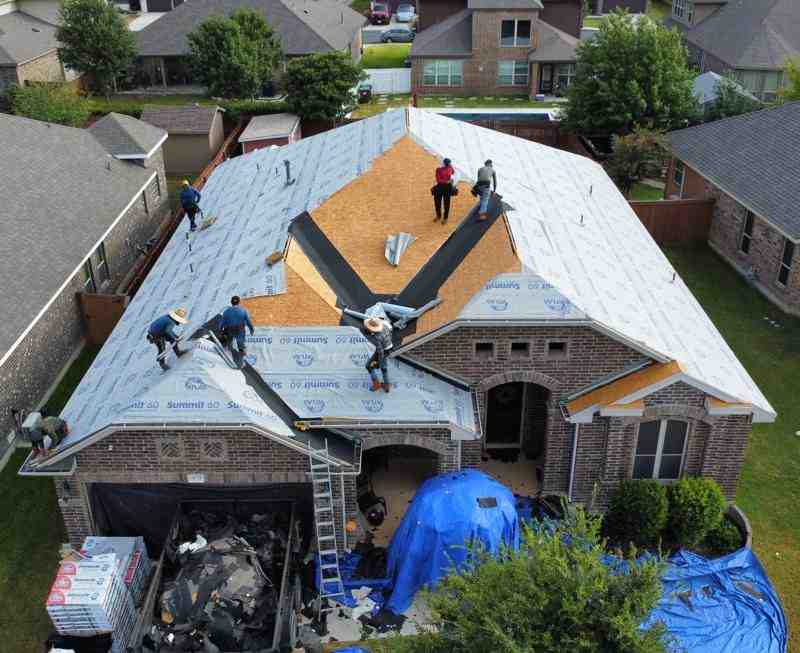
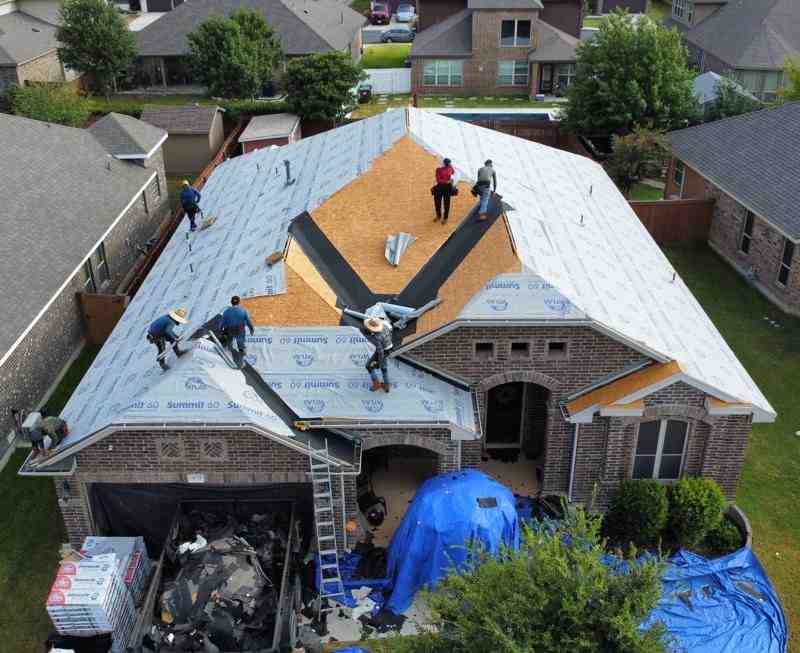
Why Attic Ventilation Matters for San Antonio Homes
Proper attic ventilation San Antonio is essential for protecting your home from intense Texas heat and humidity. Without it, your attic can reach temperatures over 140°F, driving up energy costs and damaging your roof from the inside out. As certified professionals, we understand how to safeguard your property and ensure your home remains comfortable and efficient.
Quick Answer: Top Attic Ventilation Services in San Antonio
- Ridge Vents: Installed along roof peaks for continuous passive airflow.
- Soffit Vents: Allow cool air intake under eaves, paired with exhaust vents.
- Solar Attic Fans: Active ventilation powered by the sun with zero operating costs.
- Professional Assessment: Expert evaluation of your home’s specific needs.
- Contact Apex Roofing: (726) 727-7663 for certified roofing services in San Antonio.
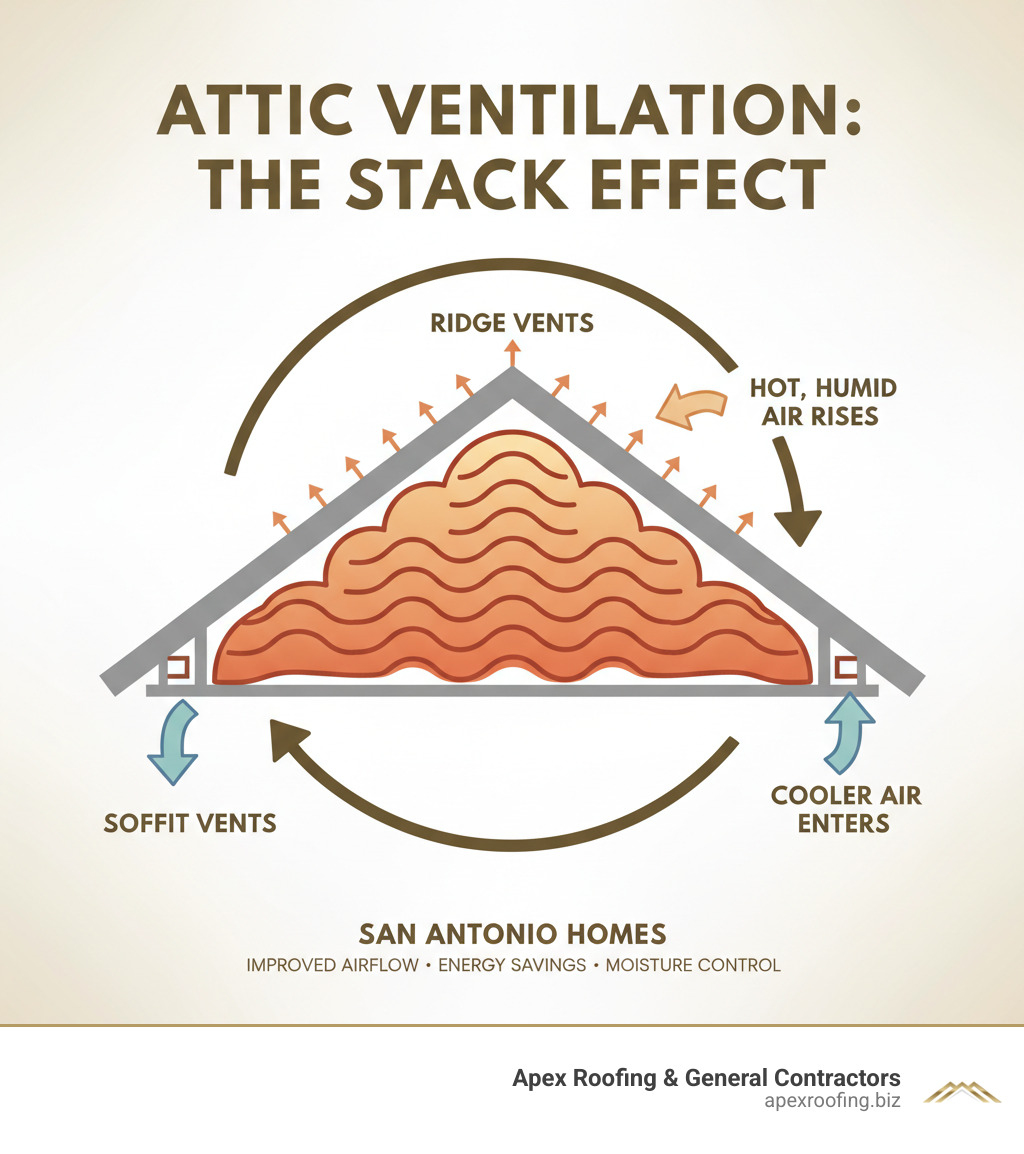
In San Antonio, an unventilated attic becomes a heat trap, radiating warmth into your living spaces and forcing your AC to work overtime. Trapped humidity also leads to condensation, causing mold, wood rot, and damaged insulation. A balanced ventilation system solves these issues by creating continuous airflow that expels hot, humid air and draws in cooler, drier air.
The result is lower energy bills, an extended roof life, and improved indoor comfort. For San Antonio homeowners, investing in proper attic ventilation is a critical defense against our unique climate challenges.
As Carlos Yzaguirre, President of Apex Roofing & General Contractors, I’ve seen how proper ventilation systems transform homes by reducing energy costs and preventing premature roof failure. Since 2022, we’ve helped countless homeowners protect their investments with customized solutions.
Why Attic Ventilation is Crucial in San Antonio’s Climate
For residents of San Antonio and surrounding areas like Helotes, Alamo Heights, and Bexar County, attic ventilation San Antonio systems are a first line of defense against our extreme climate. Without proper ventilation, your attic becomes a pressure cooker that attacks your home’s comfort, your wallet, and your roof’s lifespan. Understanding how heat and humidity affect your home is critical for every local homeowner.
The Dangers of Trapped Heat
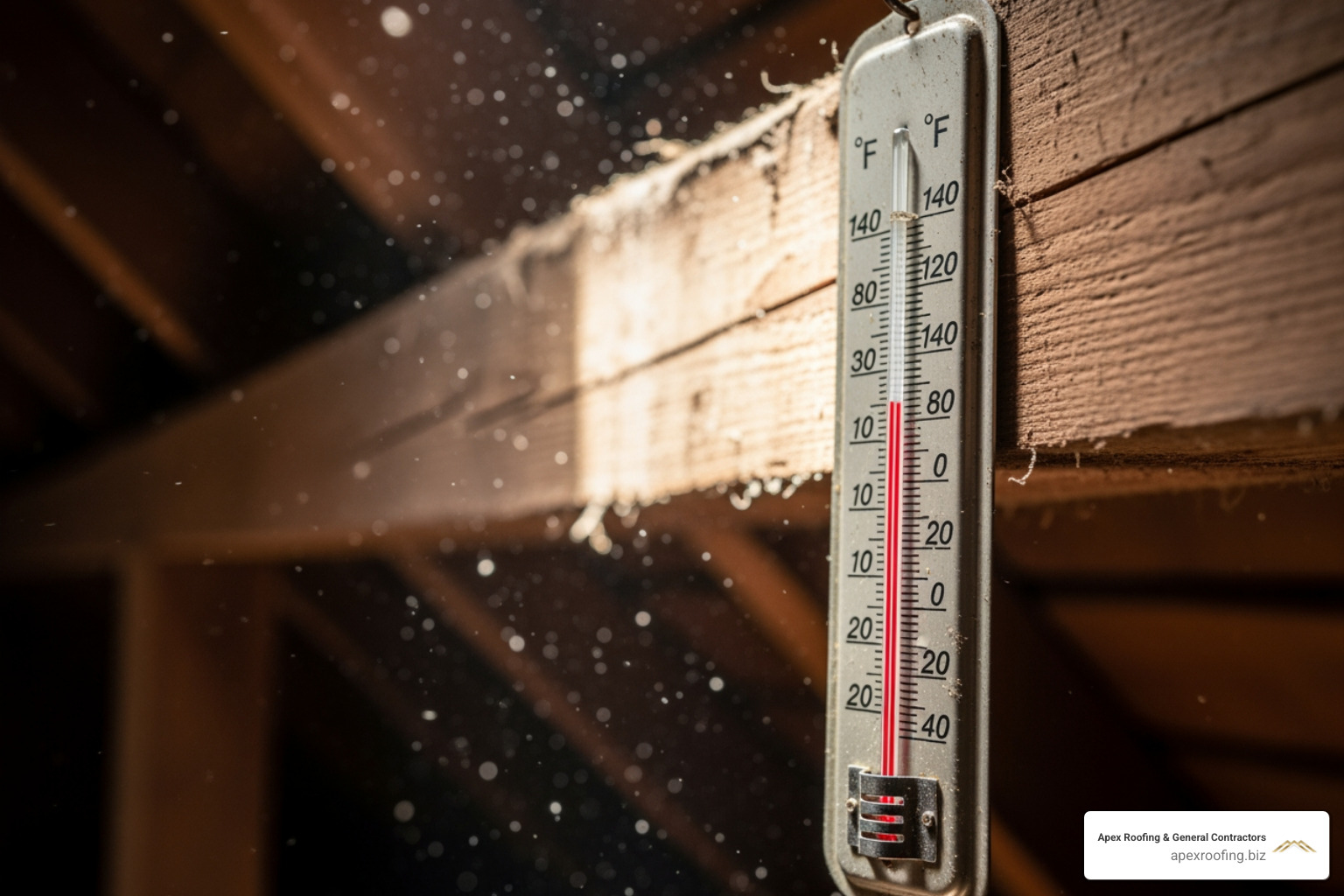
During San Antonio summers, your attic can reach temperatures up to 140°F. This extreme heat radiates downward through your ceiling, forcing your air conditioning system to work overtime. The AC unit itself, often located in the attic, is trying to cool your home while being cooked in that intense heat. This constant strain leads to premature breakdowns, frequent repairs, and significantly higher energy bills—sometimes 20-30% more during peak summer months.
Proper attic ventilation San Antonio expels this trapped heat, allowing your attic’s temperature to stay closer to the outdoor temperature. This gives your AC system a break and lowers your energy costs. Our roofing services in San Antonio include comprehensive ventilation assessments to address these issues.
The Problem with Humidity
San Antonio’s humidity is just as destructive as its heat. Humid air rises into the attic and gets trapped, creating condensation when it meets cooler surfaces. This constant moisture creates an ideal environment for mold and mildew, which can compromise your indoor air quality and trigger respiratory issues.
The structural damage happens quietly but relentlessly. Condensation causes wood components like rafters and decking to rot, weakening your roof’s integrity. It also soaks insulation, causing it to lose its effectiveness and creating a haven for pests. Effective attic ventilation San Antonio systems prevent this by constantly exchanging humid indoor air with drier outside air, keeping your attic dry and your home’s structure sound.
The High Cost of Poor Attic Ventilation
When your attic can’t breathe, the consequences can cost you thousands in repairs and create health hazards. Understanding these risks makes it clear why attic ventilation San Antonio homeowners can’t afford to ignore this critical system.
Structural and Roof Damage
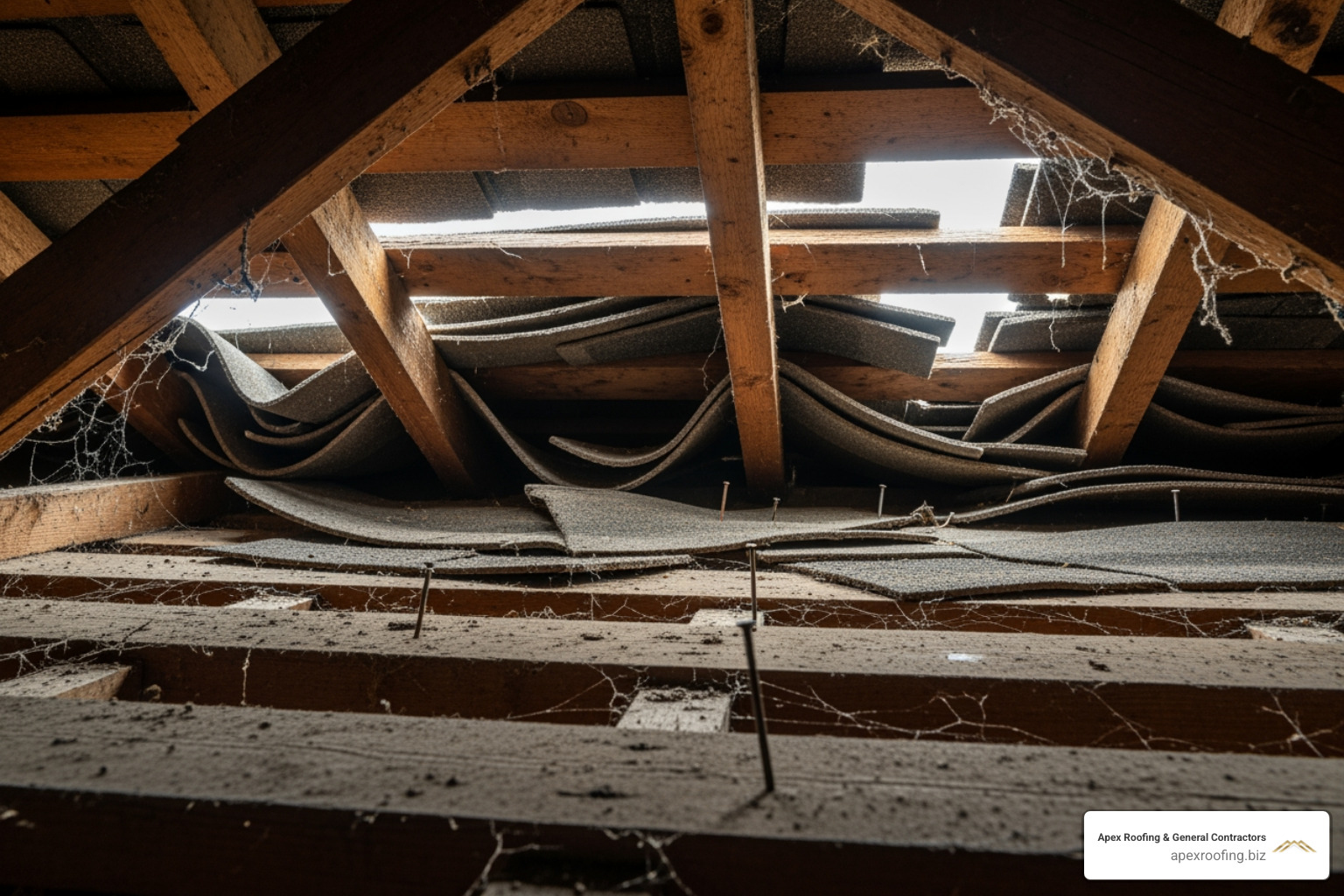
Poor ventilation traps heat and moisture, attacking your roof from both above and below. This excessive heat literally cooks your shingles from underneath, causing them to warp, curl, and blister. A roof that should last 20 years might fail in just 10 to 12.
Beneath the shingles, the underlayment deteriorates, and the wooden roof decking rots from condensation, compromising your roof’s structural integrity. This often leads to costly roof repairs or a full replacement. A common issue in San Antonio is attic ambering, where extreme heat causes wood to degrade and sweat, accelerating rot and mold growth. Knowing the common types of roof vents can help prevent these expensive problems.
Moisture, Mold, and Pests
The problems with poor attic ventilation San Antonio extend directly into your living spaces. Trapped humidity creates condensation that soaks insulation, reducing its effectiveness and creating a breeding ground for mold and mildew.
Mold spores travel through your home’s ductwork, degrading indoor air quality and potentially causing respiratory issues, allergies, and other health problems. The EPA identifies uncontrolled humidity as a primary cause of mold, and the attic is often where it starts.
Beyond mold, a damp attic attracts pests like insects and rodents, who nest in insulation and chew through wiring. This environment also encourages wood rot, further compromising your home’s structure. Fortunately, these issues are preventable with a quality ventilation system.
A Homeowner’s Guide to Attic Ventilation Systems
Understanding your options for attic ventilation San Antonio helps you protect your home. A proper system requires both intake vents (to let cool air in) and exhaust vents (to let hot air out). This balanced approach keeps your attic healthy. Ventilation systems are either passive, using natural airflow, or active, using mechanical fans.
| Feature | Passive Ventilation (Ridge/Soffit Vents) | Active Ventilation (Powered Fans) |
|---|---|---|
| Cost | Lower initial installation cost | Higher initial installation cost |
| Effectiveness | Relies on natural convection; generally effective with proper balance | More aggressive airflow; highly effective in extreme heat/humidity |
| Energy Use | None (no operational cost) | Electric fans consume electricity; Solar fans use renewable energy |
| Maintenance | Minimal; occasional checks for blockages | Occasional motor/component checks; filter cleaning for some models |
Passive Ventilation: Letting Nature Do the Work
Passive systems use natural convection—hot air rising—to ventilate your attic without electricity.
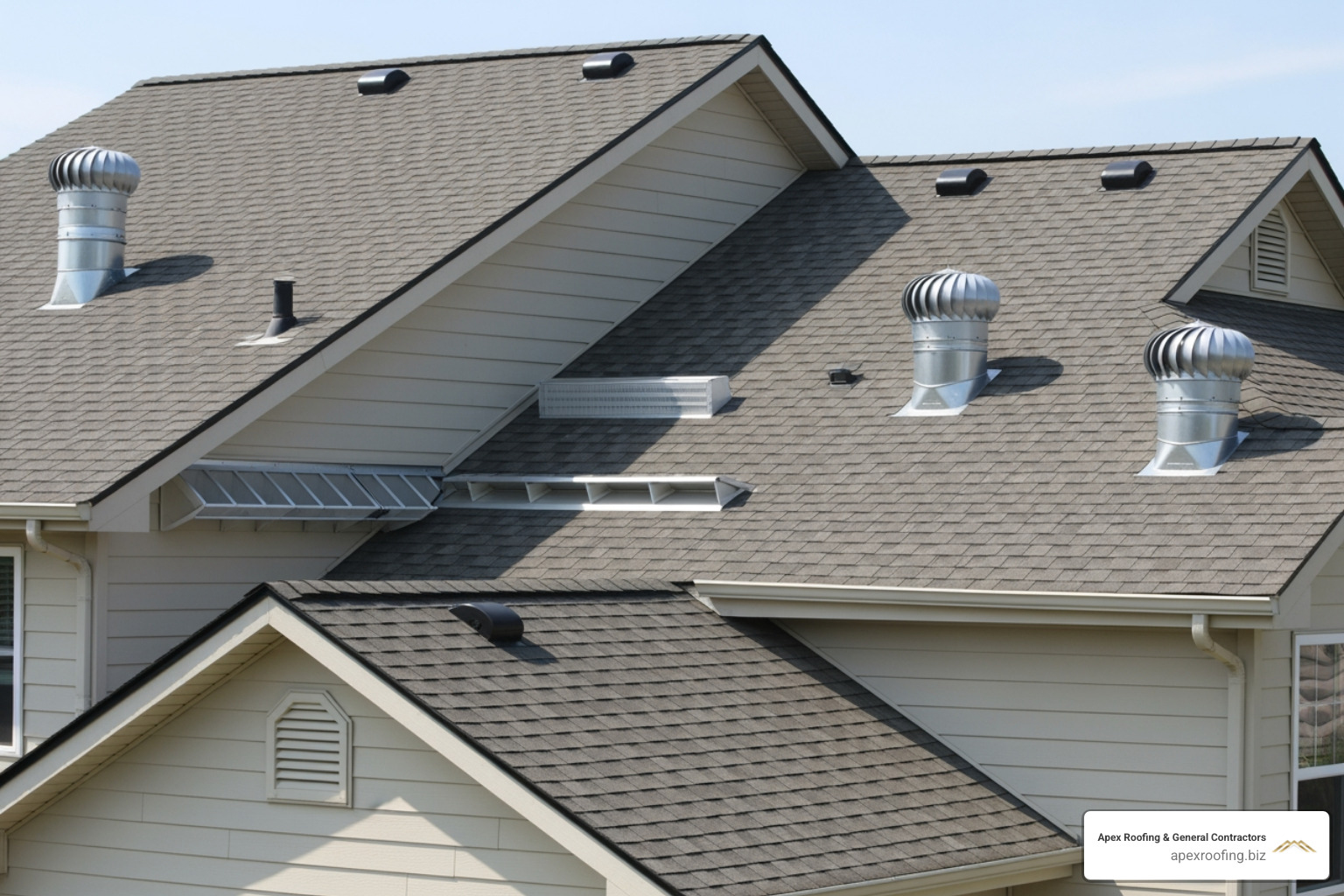
- Ridge Vents: Installed along the roof’s peak, these allow hot air to escape as it rises. They provide continuous, uniform airflow and blend seamlessly with your roofline.
- Soffit Vents: Located under the roof’s eaves, these are the critical intake vents that draw in cooler outside air to replace the rising hot air. For a system to work, insulation must not block these vents.
- Gable Vents: Found on attic end walls, these are less efficient than a ridge-and-soffit combination and work best as supplementary ventilation.
Active Ventilation: Powered Solutions for Tough Jobs
Active systems use fans to mechanically pull hot air out of the attic, providing more aggressive airflow for extreme conditions.
- Powered Attic Fans: Electric fans use a thermostat to turn on when the attic hits a set temperature, moving large volumes of air quickly. They consume electricity and must be installed carefully to avoid pulling conditioned air from living spaces.
- Solar Attic Fans: Ideal for San Antonio’s sunny climate, these fans are powered by built-in solar panels. They cost nothing to operate and work hardest during the hottest parts of the day.
- Turbine Vents: These wind-powered vents use spinning turbines to create suction that pulls hot air out. Their effectiveness depends on wind speed.
For more details, consult this guide on common types of roof vents. For complex roofs or persistent heat issues, combining passive intake with active exhaust fans is often the best solution.
Choosing the Right Attic Ventilation in San Antonio
Picking the right attic ventilation system isn’t a one-size-fits-all decision. A professional assessment is the best way to ensure year-round comfort and protection, but understanding the key factors will help you make an informed choice.
- Attic Size and Volume: Larger attics require more airflow. The system must be sized correctly based on your attic’s square footage to ensure proper attic ventilation San Antonio performance.
- Roof Pitch and Design: A steep roof is ideal for ridge vents, but complex rooflines with multiple peaks and valleys may need a combination of passive vents and powered fans.
- Home Aesthetics: Modern ventilation options like low-profile ridge vents and fans can blend seamlessly with your home’s architecture without compromising curb appeal.
- Energy Efficiency Goals: If slashing cooling costs is a priority, a robust system combining solar attic fans with proper intake vents can deliver significant long-term savings.
The best system is one custom-designed for your specific home, climate needs, and efficiency goals.
Finding a Qualified Contractor for Attic Ventilation San Antonio
Improper installation can void your roof’s warranty, so choosing the right contractor is as important as choosing the right system. You need a team that understands San Antonio’s climate and building codes.
Look for certified professionals with proven expertise in roofing and ventilation. Check online reviews and ask for references from local homeowners to gauge a company’s reliability and quality of work. A great contractor provides transparent communication, explaining your options without high-pressure sales tactics. Finally, ensure your contractor is an expert on local building codes to protect your home and investment. For expert roofing services in San Antonio that prioritize code compliance, give us a call at (726) 727-7663.
Understanding Codes and Warranties for Attic Ventilation San Antonio
A critical fact many homeowners miss is that inadequate attic ventilation can void your shingle manufacturer’s warranty. Shingle warranties require that attics meet specific ventilation standards, often tied to local building codes. Without proper airflow, heat bakes shingles from below, causing premature failure that the manufacturer will not cover.
San Antonio’s building codes, which follow the International Residential Code (IRC), mandate specific amounts of ventilation to ensure safety and energy efficiency. A professional installation guarantees your system is correctly sized and meets all code and warranty requirements, protecting your investment for decades.
Frequently Asked Questions about Attic Ventilation
We hear many of the same questions from San Antonio homeowners about their attics. Here are expert answers to the most common concerns.
How do I know if my attic has poor ventilation?
The most obvious sign is an attic that feels like a furnace on a summer day. Other key indicators that your attic ventilation San Antonio system is failing include:
- High Energy Bills: A sudden spike in cooling costs often means your AC is fighting heat from the attic.
- Moisture Signs: Look for condensation, water stains, or frost on the underside of your roof decking.
- Musty Odors: A damp, musty smell indicates mold or mildew growth.
- Damaged Shingles: Shingles that are curling, blistering, or cracking prematurely are a sign of excessive heat.
- Hot Ceilings: If ceilings in upper rooms feel warm, heat is radiating down from the attic.
If you notice these signs, it’s time for a professional inspection.
How does attic ventilation impact energy efficiency?
Proper attic ventilation San Antonio systems are a powerful tool for improving energy efficiency. By allowing hot air to escape, ventilation reduces the heat load on your home. This means your air conditioning system runs less often, lowering electricity use and extending the unit’s lifespan. It also keeps your attic dry, ensuring your insulation maintains its R-value and effectively resists heat flow. The result is a more comfortable home with consistently lower cooling costs.
What is the best attic ventilation system for a San Antonio home?
For San Antonio’s climate, a balanced system that combines intake and exhaust vents is almost always the best solution. This approach effectively removes both heat and humidity.
The gold standard for most homes is a passive system of continuous soffit vents paired with a continuous ridge vent. This combination uses natural convection, requires no electricity, and has no operational costs.
However, for larger attics or homes with persistent heat issues, adding active ventilation like solar attic fans can provide a necessary boost. Because every home is different, a professional evaluation is the only way to determine the ideal solution. At Apex Roofing & General Contractors, we design customized strategies for each home’s unique needs. Call us at (726) 727-7663 to schedule a free inspection.
Protect Your Home with Expert Ventilation Services
Your San Antonio home deserves better than a sweltering attic that drains your wallet and shortens your roof’s lifespan. Proper attic ventilation San Antonio is a crucial investment in your home’s health, comfort, and efficiency.
Effective ventilation means lower energy bills, a longer-lasting roof, and a more comfortable living space. Most importantly, it protects your family from the hidden dangers of mold and poor air quality that thrive in hot, damp attics. These are transformative changes that improve your financial well-being and peace of mind.
At Apex Roofing & General Contractors, we’ve built our reputation on understanding what San Antonio homes need to thrive in our unique climate. Our certified team doesn’t just install vents; we design comprehensive ventilation strategies customized to your home, roof design, and family’s needs. We know the local building codes and understand that your shingle warranty depends on getting it right.
Ready to take control of your home’s comfort? Call us today at (726) 727-7663 for a free inspection and estimate. We’ll provide an honest assessment and transparent recommendations to help your home breathe easier.