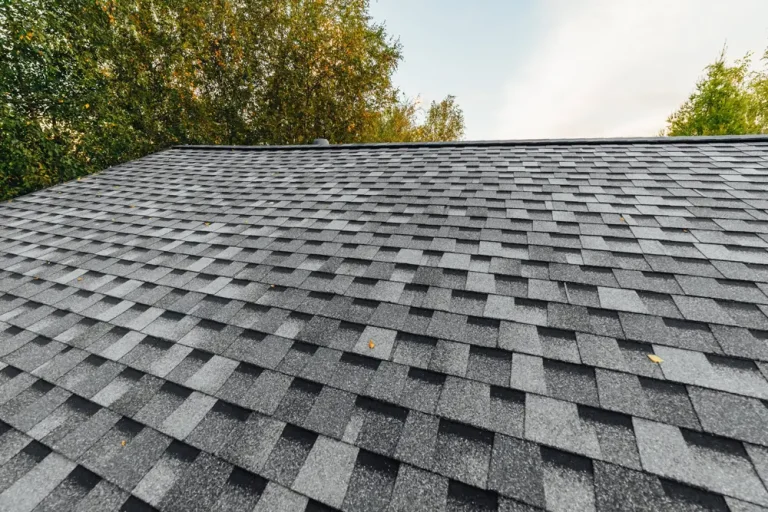
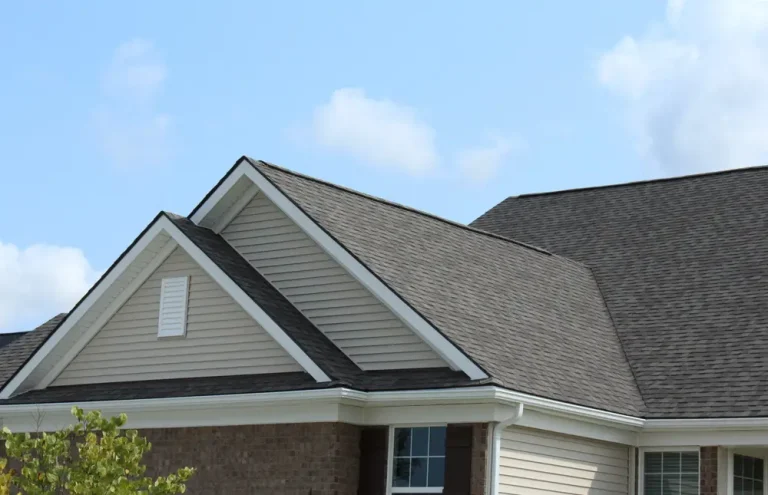
Why Licensed Roof Inspections Matter for Texas Homeowners
A licensed roof inspection is a professional evaluation of your roof’s condition, performed by a qualified expert who identifies current and potential problems before they escalate into costly repairs. Many homeowners wait until they see visible damage to act, but by then, hidden issues like moisture intrusion may have already caused structural damage. For homeowners in the San Antonio area, investing in professional roofing solutions starts with a thorough assessment from a trusted expert.
Key Qualifications to Look for in a Licensed Roof Inspector:
- Licensing & Association Membership: In Texas, where state licensing isn’t mandatory, membership in groups like the Roofing Contractors Association of Texas (RCAT) shows a commitment to high standards.
- Sufficient Insurance: A residential contractor should carry at least $300,000 in liability insurance, while commercial contractors need $500,000 or more.
- National Certifications: Credentials from organizations like InterNACHI or NRCIA indicate advanced training and adherence to a professional code of ethics.
- Proven Experience: Look for contractors with years of hands-on roofing experience and positive customer reviews.
As Carlos Yzaguirre, President of Apex Roofing & General Contractors, I’ve seen how a thorough licensed roof inspection can save homeowners thousands by catching problems early. Our team combines advanced training with local expertise to deliver comprehensive assessments that give property owners peace of mind.
What is a Licensed Roof Inspection and Why is it Crucial?
Your roof shields your home from Texas heat and storms, but its true condition is often hidden. A licensed roof inspection is a thorough, professional evaluation of your entire roofing system. Think of it as a preventative check-up for your home; it catches problems while they are small and manageable, protecting your property value and preventing catastrophic repair bills. Regular inspections are essential for early problem detection, maintaining property value, and satisfying insurance requirements, especially after storm damage. Our team specializes in comprehensive roof inspections that give you a complete picture of your roof’s health.
The Critical Difference: Inspection vs. Certification
Homeowners often confuse a roof inspection with a roof certification, but they serve different purposes.
- A roof inspection is an assessment of the roof’s condition at a specific point in time. An inspector examines all components, identifies current or potential issues, and provides a detailed report of the findings. It is a snapshot of the roof’s health.
- A roof certification is a written guarantee from the inspection company that the roof will remain leak-free for a set period, typically two or five years. If a leak occurs from normal wear and tear during this period, the certifying company is responsible for the repairs.
Certifications are most often required during real estate transactions by lenders or insurance companies seeking assurance against future liabilities. Inspections are a key part of routine homeowner maintenance.
Key Differences Between a 2-Year and a 5-Year Roof Certification
The length of a roof certification directly reflects the roof’s condition and expected lifespan.
A 2-year certification is typically issued for roofs that are sound but may have some age or wear. It confirms the roof is currently leak-free and satisfies immediate transaction requirements for older roofs that still have life left.
A 5-year certification is reserved for roofs in excellent condition with minimal wear and a long-expected lifespan. This longer guarantee provides greater confidence for buyers and lenders and often comes at a higher cost due to the increased long-term risk for the certifying company. For a deeper dive, we’ve written about the key differences between a 2-year and a 5-year roof certification.
Benefits of Hiring a Licensed Professional
Choosing a licensed professional for your licensed roof inspection provides critical protection and ensures quality. Here are the key benefits:
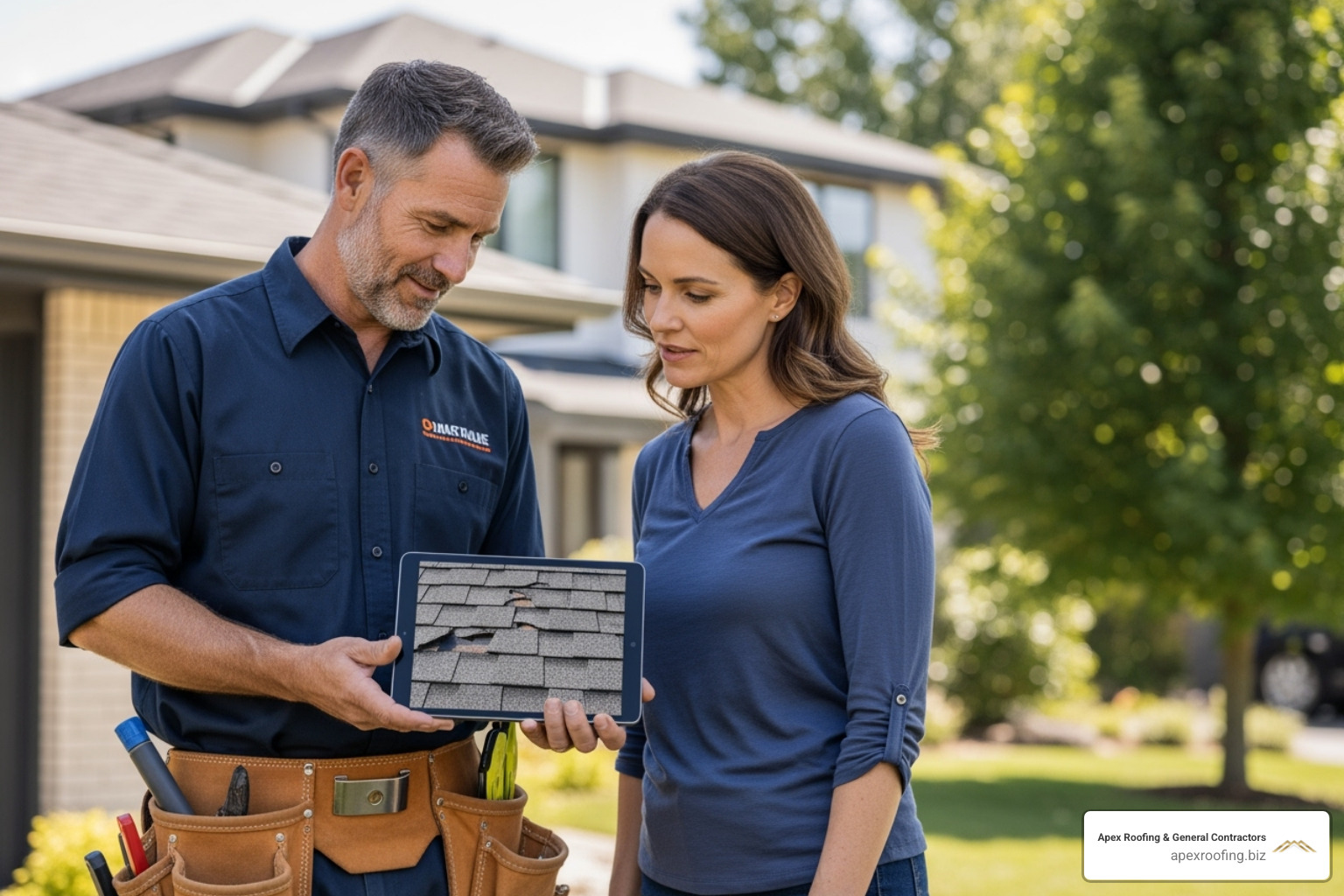
- Expertise and Training: Licensed roofers have formal training and certifications (e.g., InterNACHI, NRCIA) to spot subtle issues an untrained eye would miss.
- Code Compliance: Professionals understand and adhere to local building codes, ensuring all work is legally compliant. A qualified San Antonio roof contractor knows the specific regulations for neighborhoods from Helotes to Alamo Heights.
- Insurance Protection: Licensed contractors carry liability insurance and workers’ compensation. This protects you from financial liability for property damage or on-site injuries.
- Accountability and Warranties: Reputable professionals stand by their work, offering warranties on materials and craftsmanship to protect your investment.
- Objective Reporting: You receive a detailed, unbiased report with photographic evidence, which is invaluable for insurance claims or real estate negotiations.
- Safety: Professionals use proper safety equipment and protocols to conduct inspections without risking injury or property damage.
The Inspector’s Credentials: Licensing and Certification Explained
Understanding an inspector’s qualifications is essential for a reliable licensed roof inspection. A surprising fact for many homeowners is that Texas does not have a statewide mandate for roofing contractor licenses. This lack of state-level regulation makes voluntary certifications and professional memberships even more critical indicators of a contractor’s quality and professionalism.
Reputable contractors often join organizations like the Roofing Contractors Association of Texas (RCAT), which has stringent membership requirements. These credentials signal a commitment to higher standards, ongoing education, and ethical practices. When seeking professional roofing solutions, these qualifications help you identify truly dedicated experts.
Requirements to Perform a Licensed Roof Inspection
While requirements vary by state, most certification programs are built on a common foundation:
- Experience: Most programs require several years of hands-on roofing or construction experience.
- Examinations: Inspectors must pass rigorous exams on building codes, materials, and inspection techniques. For example, Florida requires passing its BCAIB P&P Examination.
- Continuing Education: The industry evolves, so inspectors must complete ongoing training to stay current on new materials and code updates.
- Financial Responsibility: States like Minnesota require proof of insurance and bonding to protect homeowners. You can review these requirements at the Minnesota Department of Labor and Industry website.
- Good Moral Character: Many licensing bodies conduct background checks to ensure trustworthiness.
National Certifications: NRCIA and InterNACHI
Two national organizations are widely recognized for their rigorous inspector certification programs: the National Roof Certification and Inspection Association (NRCIA) and the International Association of Certified Home Inspectors (InterNACHI).
- NRCIA: The NRCIA was founded in 1995 to standardize roof inspections. Its LeakFREE® Certification is the industry’s only standardized roof warranty. NRCIA inspectors follow a strict “five-zone inspection” process and are held to a high code of ethics.
- InterNACHI: The International Association of Certified Home Inspectors is the world’s largest organization of property inspectors. Its members must complete extensive training, including specialized roof inspection courses, and adhere to a strict continuing education policy. An InterNACHI certification signifies a deep commitment to technical expertise.
When an inspector holds credentials from NRCIA or InterNACHI, it confirms they have invested in top-tier training and professional development.
The Comprehensive Licensed Roof Inspection Process
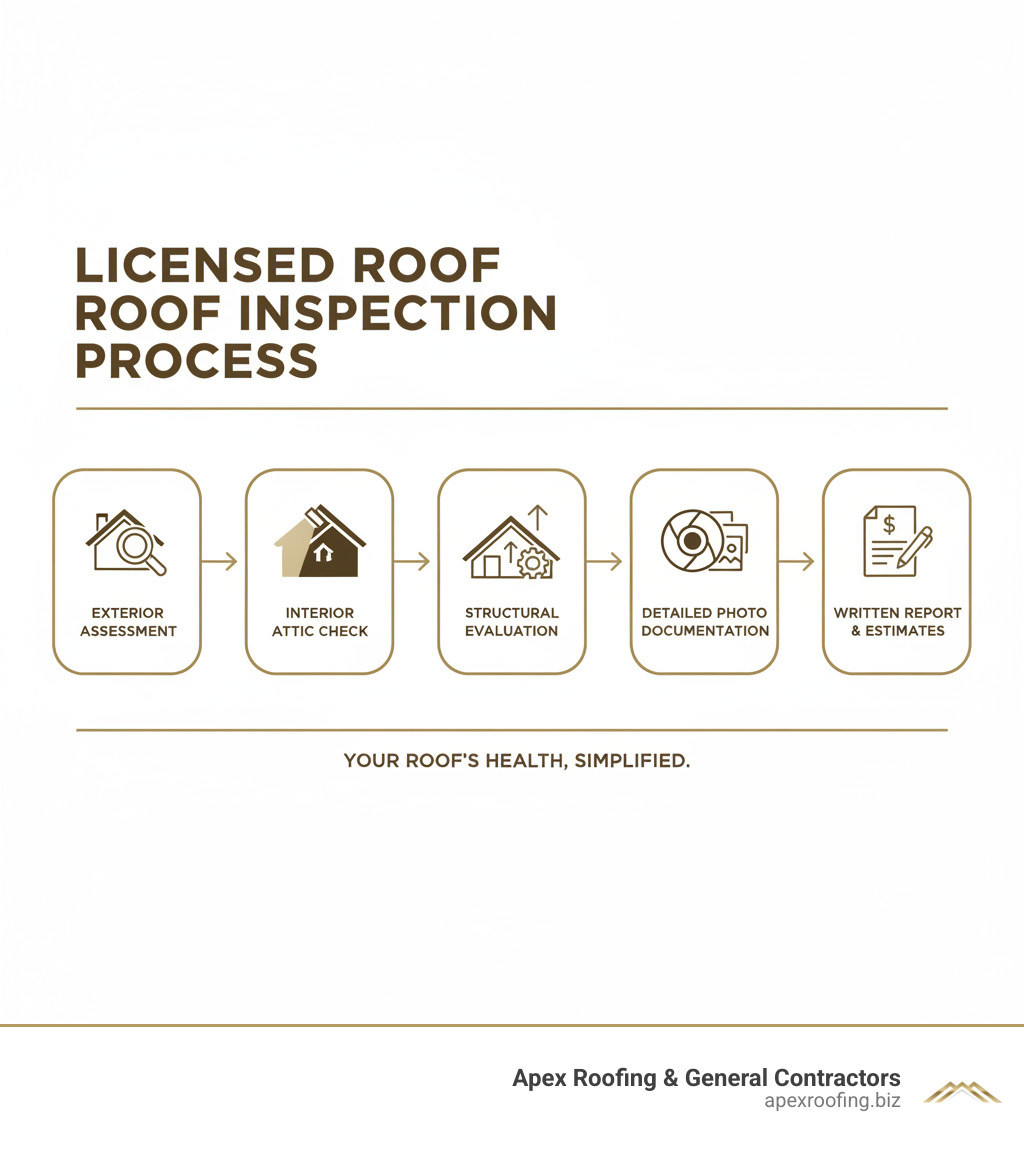
When you schedule a licensed roof inspection with Apex Roofing & General Contractors, our expert will conduct a systematic evaluation of your roof’s condition. The process can take several hours, as the duration depends on the roof’s size, complexity, and age. Our goal is thoroughness, not speed, to provide a complete and accurate picture of your roof’s health. The inspection includes a structural assessment, material evaluation, interior check, and workmanship review. For more guidance, see our guide to choosing a roofing contractor.
What a Licensed Roof Inspector Examines
A licensed roof inspection is a detailed process covering every critical component of your roofing system. An inspector looks for:
- Roofing Materials: Cracked, missing, curling, or blistering shingles; broken tiles; or corrosion on metal panels.
- Flashing and Seals: Gaps, corrosion, or damage around chimneys, vents, skylights, and wall junctions where water could intrude.
- Gutters and Downspouts: Clogs, damage, rust, or improper slope that could cause water to back up onto the roof or pool around the foundation.
- Roof Decking: Soft spots, sagging, or unevenness on the roof surface that may indicate moisture damage or rot in the underlying structure.
- Soffits and Fascia: Rot, pest damage, or holes in the boards that run along the eaves of your roof.
- Attic Space: Water stains, mold, or mildew on the underside of the decking, which are clear signs of leaks. The inspector also assesses ventilation and insulation for proper function and coverage.
- Structural Integrity: Any signs of sagging or unevenness in the roofline that could point to issues with the underlying trusses or rafters.
After the Inspection: The Report and Next Steps
Following the licensed roof inspection, you will receive a comprehensive report that includes:
- Detailed Findings: A clear explanation of all observations and what they mean for your roof.
- Photographic Evidence: High-resolution photos documenting any damage or areas of concern.
- Prioritized Recommendations: A list of necessary repairs categorized by urgency (e.g., immediate, near-term, long-term maintenance).
- Cost Estimates: Transparent pricing for any recommended work.
If a roof fails an inspection, the report will outline the required repairs to bring it up to standard. For insurance inspections, a failure could lead to policy cancellation or denial of coverage unless repairs are made within a specified timeframe. Our team can help you understand the report and steer the next steps, whether it’s planning repairs or coordinating with your insurance company to ensure all necessary documentation is provided.
Frequently Asked Questions about Licensed Roof Inspections
Homeowners often have questions about the process and value of a licensed roof inspection. Here are clear, straightforward answers to the most common inquiries we receive from San Antonio residents.
How often should I get my roof inspected?
For routine maintenance, a licensed roof inspection should be performed every one to two years. It is also essential to schedule an inspection immediately after any severe weather event, such as a hailstorm or high winds. Storm damage is not always visible from the ground, and a professional inspection can identify hidden issues before they lead to major water damage.
What is the average cost of a roof inspection or certification?
The cost varies based on the roof’s size, complexity, and location. Many contractors offer complimentary basic inspections if they are assessing the roof for potential work. A formal, independent inspection with a detailed report typically costs more. A roof certification, which includes a written leak-free guarantee, generally ranges from $75 to $400. The price depends on the length of the certification (2-year vs. 5-year) and the associated liability the company assumes.
How do inspections impact home insurance and real estate?
A licensed roof inspection plays a significant role in both home insurance and real estate transactions.
- For Home Insurance: A clean inspection report demonstrates proactive maintenance, which can help prevent policy cancellation or premium hikes, especially for older roofs. Some insurers may even offer discounts or better coverage terms, such as Replacement Cost Value (RCV) instead of Actual Cash Value (ACV), for a certified, well-maintained roof.
- For Real Estate Transactions: For buyers, an inspection provides peace of mind about one of the home’s most expensive components. For sellers, a pre-listing inspection or certification can build buyer confidence, justify an asking price, and prevent last-minute negotiations. As detailed in this real estate transaction process guide, having this documentation ready streamlines the sale. Lenders also frequently require certifications to ensure the property is a sound investment.
Protect Your Investment with a Trusted Professional
Your roof is your home’s most critical defense against the elements. A licensed roof inspection is not just a maintenance task—it’s a strategic investment in your property’s safety, longevity, and value. It empowers you with the knowledge to address small issues before they become costly emergencies.
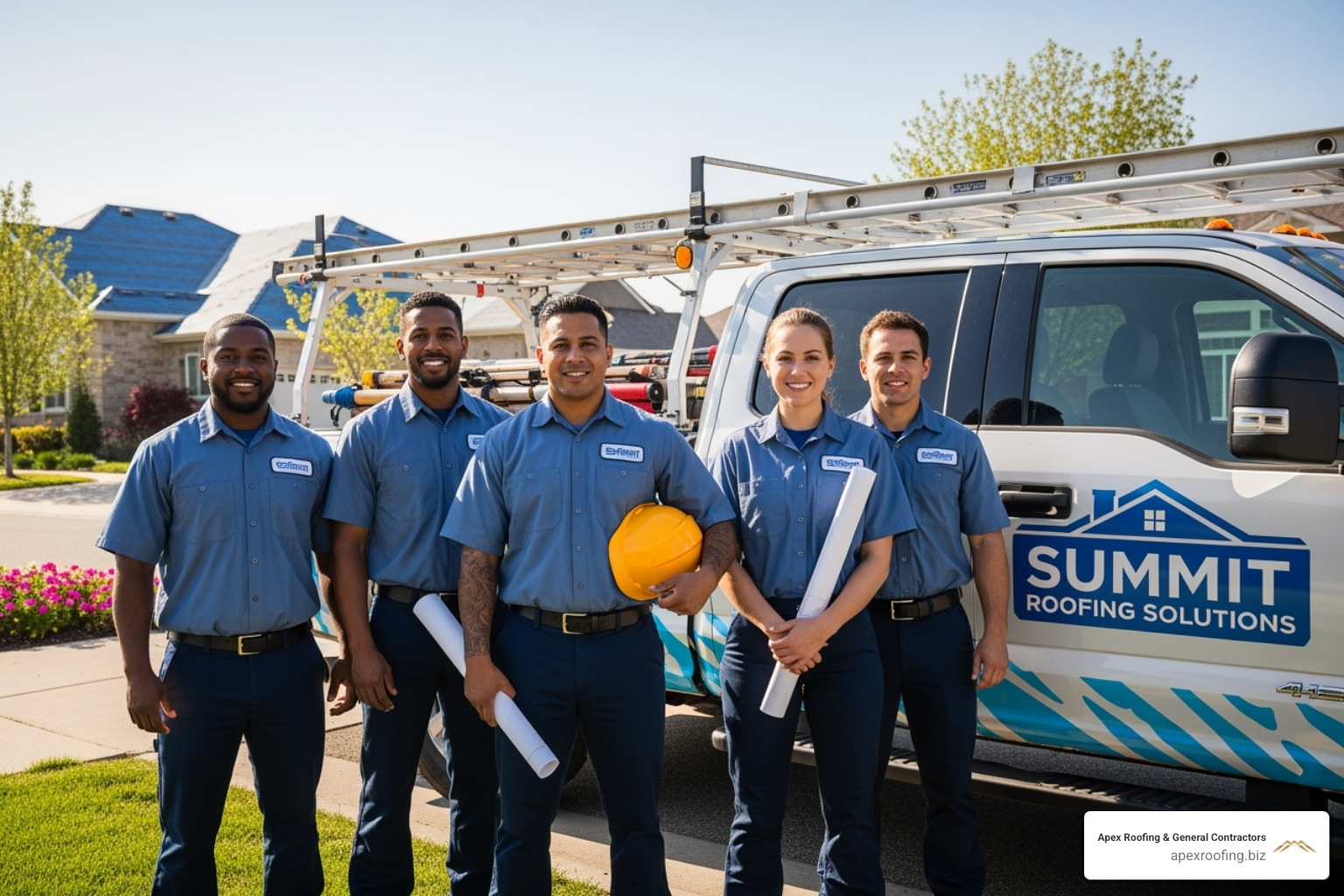
At Apex Roofing & General Contractors, we deliver thorough and transparent licensed roof inspections across the San Antonio area, from Terrell Hills to Canyon Lake. Our certified experts combine advanced training with local knowledge of Texas weather challenges to provide assessments you can trust. We offer clear, actionable solutions backed by photographic evidence—no confusing jargon, just honest guidance.
Don’t wait for a leak to reveal a problem. Take a proactive step to protect your home and family. Contact us for a free estimate and to schedule your free inspection. Call our team at (726) 727-7663 today. Let us provide the expert assessment and peace of mind you deserve.