Why Understanding Your Roof Matters More Than You Think
A roof is a building’s primary shield against the elements, but most homeowners only think about it when a problem arises. Yet, this critical asset is a sophisticated system of components that protects your home from weather, regulates indoor temperature, and defines up to 40% of its exterior appearance. Understanding how your roof works, what materials are available, and when to perform maintenance can save you thousands of dollars and prevent catastrophic damage.
This guide covers everything from basic anatomy to innovative technologies. As Carlos Yzaguirre, President of Apex Roofing & General Contractors, I’ve spent years helping San Antonio homeowners make informed roofing decisions. My team is committed to ensuring every client understands their options and receives quality workmanship that stands the test of time.
The Anatomy of a Roof: Structure, Shapes, and Components
What you see from the street is just the final layer of a sophisticated system engineered to keep your home dry and structurally sound. A roof’s performance starts with its structural framework, which supports multiple protective layers that work together to create a weatherproof barrier.
Key Structural Components
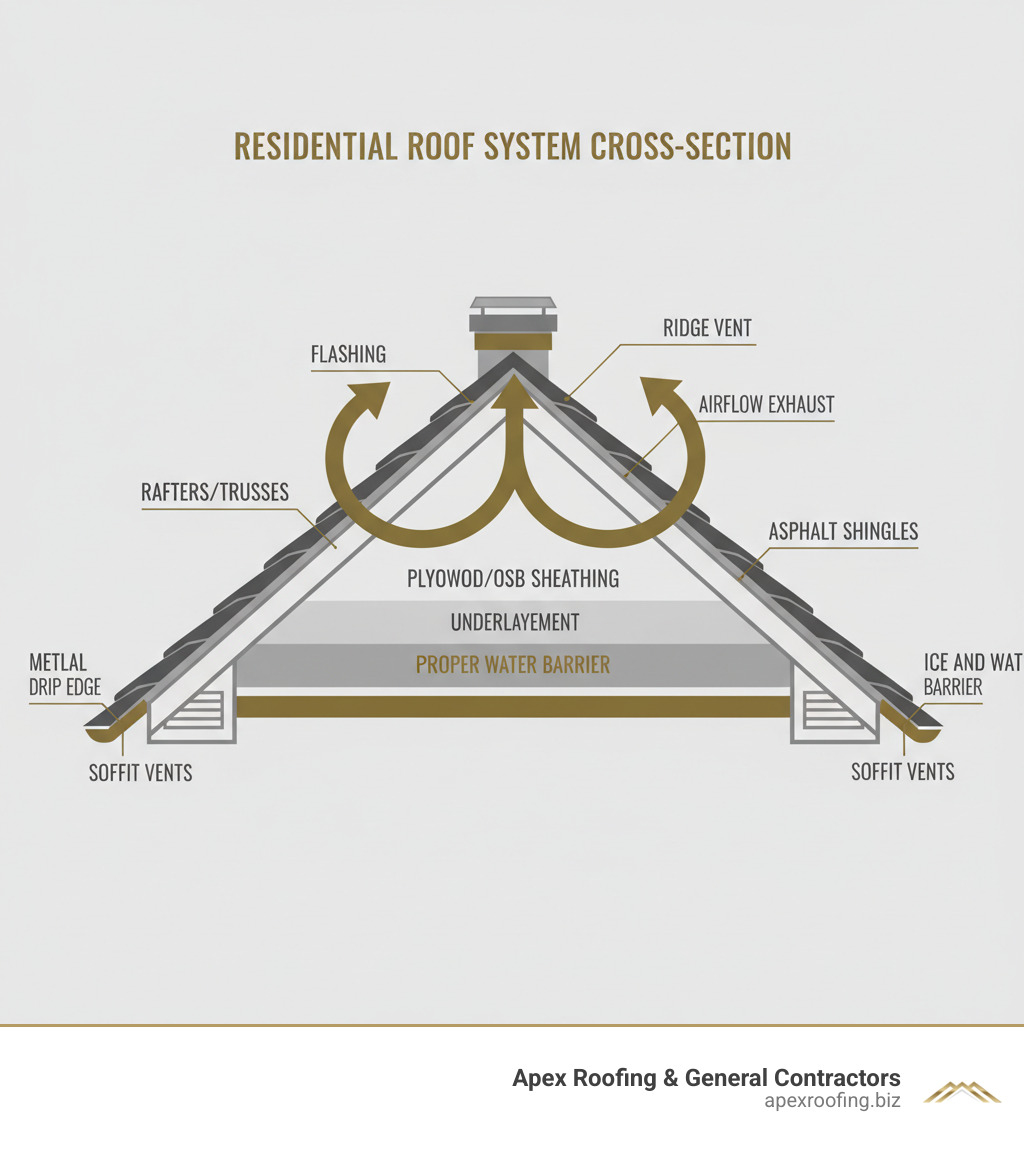
Every roof needs a strong skeleton, which is created using one of two methods:
- Rafters: Traditional on-site framing members (e.g., 2x10s) that allow for custom designs and open attic space.
- Trusses: Prefabricated, engineered frameworks that are cost-effective and quick to install but often limit usable attic space.
This frame is covered with sheathing (decking), typically Plywood or OSB (Oriented Strand Board), creating a solid surface for all other components. A professional inspection always starts with evaluating this structural foundation. You can explore these components in our guide on the Anatomy of Residential Roofs.
Common Roof Shapes and Their Characteristics
A roof’s shape, or pitch, impacts water drainage, wind resistance, and attic space.
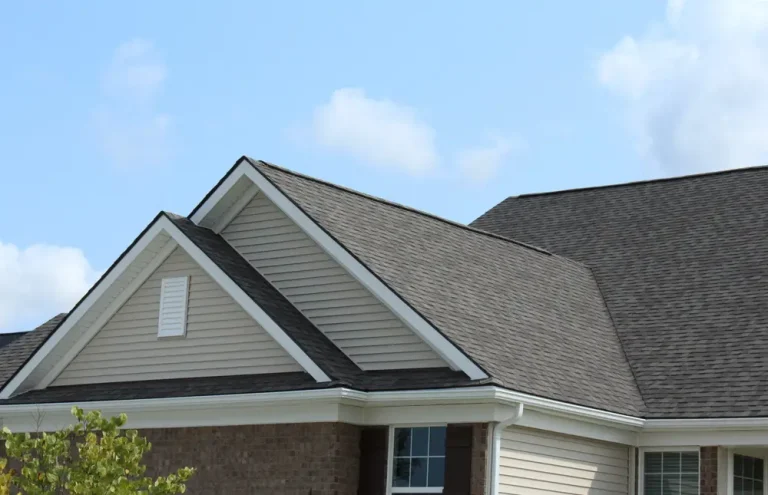
- Gable Roof: The classic triangular shape, excellent for shedding rain and snow.
- Hip Roof: Slopes on all four sides, offering superior wind resistance, making it popular in hurricane-prone regions.
- Mansard Roof: A four-sided design with a double slope, creating extra living space within the roof structure.
- Gambrel Roof: The classic two-sided barn shape, maximizing headroom in the attic or loft.
- Flat Roof: Appears level but has a slight pitch for drainage. It requires highly waterproof materials. You can compare several basic roof designs to see these differences.
The Outer Layer: From Underlayment to Shingles
Multiple protective layers work together to weatherproof your roof.
- Underlayment: A water-resistant barrier (synthetic or felt) applied directly to the sheathing.
- Ice and Water Barrier: A self-adhering membrane used in vulnerable areas like valleys and eaves to prevent water intrusion from wind-driven rain or ice dams.
- Flashing: Metal pieces that direct water away from joints and penetrations like chimneys and vents. Most leaks occur due to failed flashing.
- Drip Edge: A metal strip along the eaves that guides water into the gutters.
- Vents: Allow the attic to breathe, releasing heat and moisture. Proper ventilation extends a roof’s lifespan and reduces cooling costs.
All these components, from the ridge (the peak) to the eave (the overhang), must be installed correctly according to building codes, such as those outlined in Chapter 9 – Roof Assemblies of the International Residential Code.
Choosing the Right Materials for Your Roof
The material you choose for your roof has the greatest impact on its lifespan, cost, and appearance. Understanding the differences between options like traditional asphalt and modern metal helps you make the best choice for your home, budget, and climate.
Popular Roofing Materials: Pros, Cons, and Lifespan
Balancing aesthetics, budget, and performance is key when selecting a roofing material.
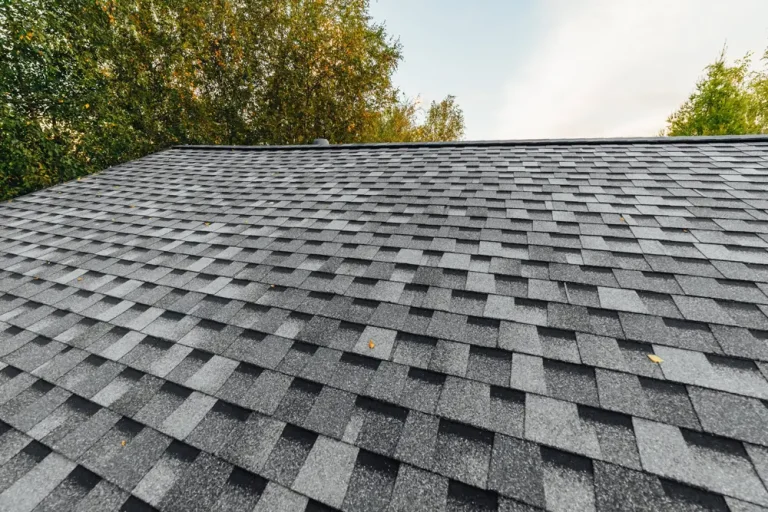
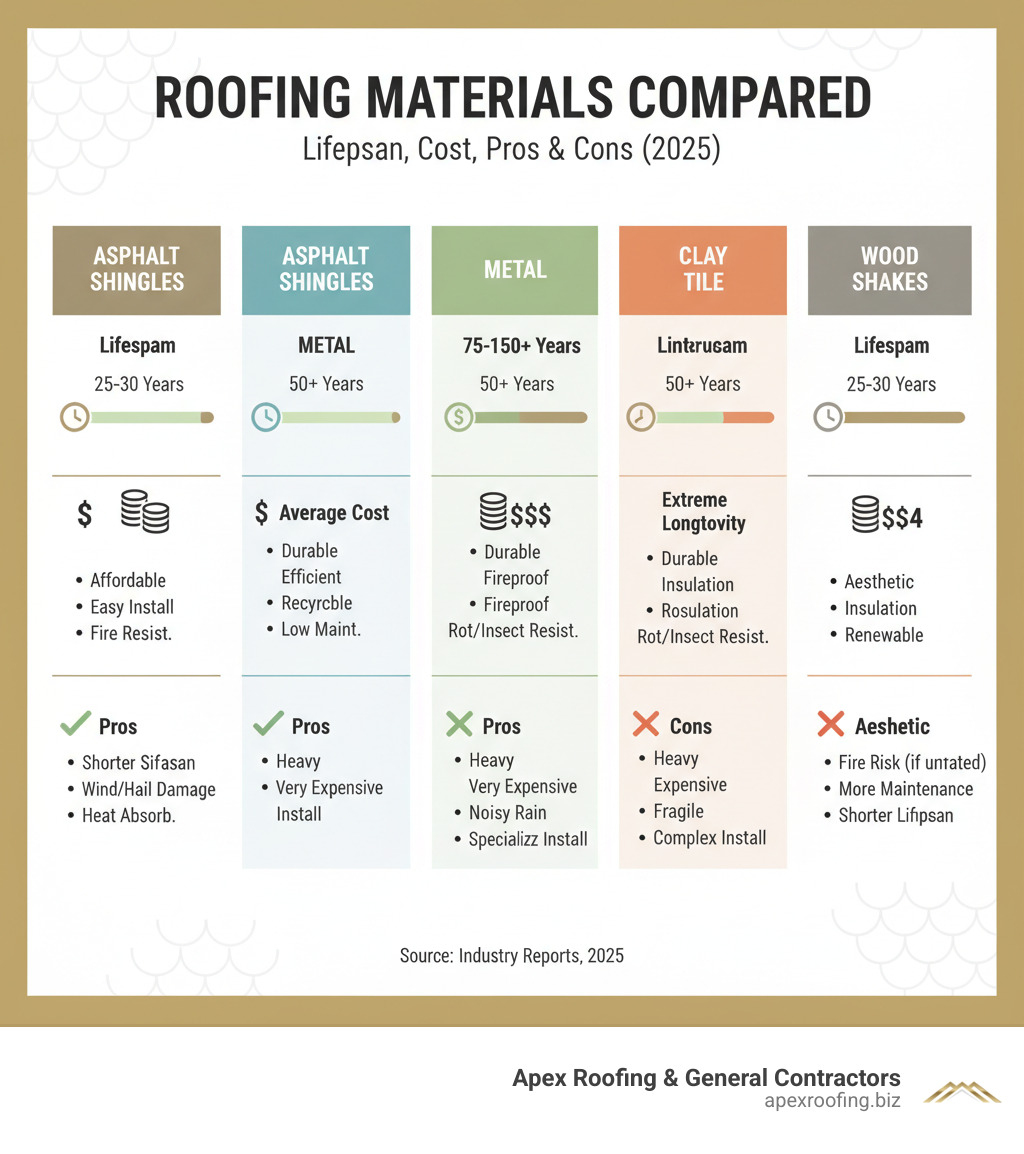
- Asphalt Shingles: The most common choice due to their affordability and ease of installation. Lifespan is 25–50 years, depending on the quality (architectural shingles last longer). They are, however, susceptible to weather damage.
- Metal Roofing: Known for exceptional durability (50+ years), energy efficiency, and weather resistance. The upfront cost is higher, and installation requires specialized skills.
- Slate Roofs: A premium option offering unparalleled elegance and longevity (75–150+ years). Slate is fireproof and rot-resistant but is heavy, expensive, and requires a reinforced structure.
- Clay Tiles: Popular in warmer climates for their distinctive look, durability (50+ years), and excellent insulation. Like slate, they are heavy, expensive, and brittle.
- Wood Shingles and Shakes: Provide a natural, rustic look but require significant maintenance to prevent rot, moss, and fire. Lifespan is typically 25–30 years with proper care.
How Your Roof Impacts Energy Efficiency
A roof significantly affects your home’s thermal performance and energy bills.
- Cool Roofs: These feature high solar reflectivity and thermal emittance, bouncing sunlight away and releasing absorbed heat. According to research on Green and Cool Roofs, they can lead to substantial energy savings.
- Insulation and Ventilation: Proper insulation slows heat transfer, while ventilation allows hot air and moisture to escape the attic. This combination is crucial for reducing HVAC strain, especially in hot climates. For local advice, see our guide on How To Make Sure Your Roof Is Well Ventilated In San Antonio.
Innovative Roofing Technologies
The industry is evolving with technologies that integrate environmental and energy benefits.
- Solar Roofs: Solar shingles blend into the roof’s design, providing both protection and power generation in one integrated system.
- Green Roofs: Also called living roofs, these are covered with vegetation over a waterproofing membrane. They improve insulation, manage stormwater runoff, and extend the roof’s lifespan by protecting it from UV radiation.
Roof Maintenance, Repair, and Replacement
Proactive maintenance and timely repairs are key to maximizing your roof’s lifespan and preventing small issues from becoming expensive structural nightmares. Knowing the warning signs helps you decide when to call in professionals.
Common Signs of a Damaged Roof
Regularly inspect your roof from the ground, especially after severe weather. Key warning signs include:
- Missing, cracked, or curling shingles.
- Excessive granule loss from asphalt shingles found in gutters.
- A sagging roofline, which indicates a serious structural issue.
- Water stains on interior ceilings or walls.
- Moss or algae growth, which traps moisture.
- Rusted or damaged flashing around chimneys and vents.
After a hailstorm, it is critical to check for damage. Our guide on What Does Hail Damage Look Like On A Roof can help you identify impacts.
Addressing Leaks, Ice Dams, and Other Issues
Quick action is essential when you spot a problem. Roof leaks are most often caused by damaged shingles or failed flashing. Tracing a leak to its source requires professional expertise, as water can travel far from the entry point. If you have an active leak, our Emergency Roof Leak Fix guide offers temporary solutions while you wait for a pro.
Moss and algae retain moisture and accelerate deterioration. While cleaning helps, persistent growth may require professional treatment. Dark algae streaks are mostly cosmetic but can indicate moisture issues.
Professional Services vs. DIY Maintenance
Knowing when to call a professional is crucial for safety and effectiveness.
- DIY Tasks: Homeowners can safely perform visual inspections from the ground, clean gutters, and trim overhanging branches.
- Professional Services: Always hire a licensed and insured professional for tasks like replacing shingles, repairing leaks, and installing flashing. Working on a roof is inherently dangerous; always prioritize safety and follow OSHA guidelines. For more insight, see our article on Handyman Roofing Repair.
When to Repair vs. When to Replace Your Roof
Deciding between repair and replacement depends on your roof’s age, the extent of damage, and your budget.
- Consider Replacement If: Your roof is near the end of its typical lifespan (20-30 years for asphalt), damage is widespread, or there are structural issues like sagging. If repair costs approach 30% of a new roof’s cost, replacement is the smarter investment.
- Benefits of Replacement: A new roof provides uniform protection, a new warranty, and improved energy efficiency. For an idea of what to expect, see our article on the Average Roof Replacement Cost. When it’s time for a major upgrade, our team is ready to help with professional Roof Replacement services.
The Business of Roofing: Costs, Contractors, and Climate
Undertaking a roofing project involves significant financial and logistical planning. Understanding cost factors, how to hire a reputable contractor, and how your local climate affects your roof are crucial for a successful outcome.
Budgeting for Your Roofing Project
The cost of a new roof varies widely. Key factors influencing the final price include:
- Material Costs: Asphalt shingles are the most affordable, while metal, clay, or slate are premium options with higher price tags.
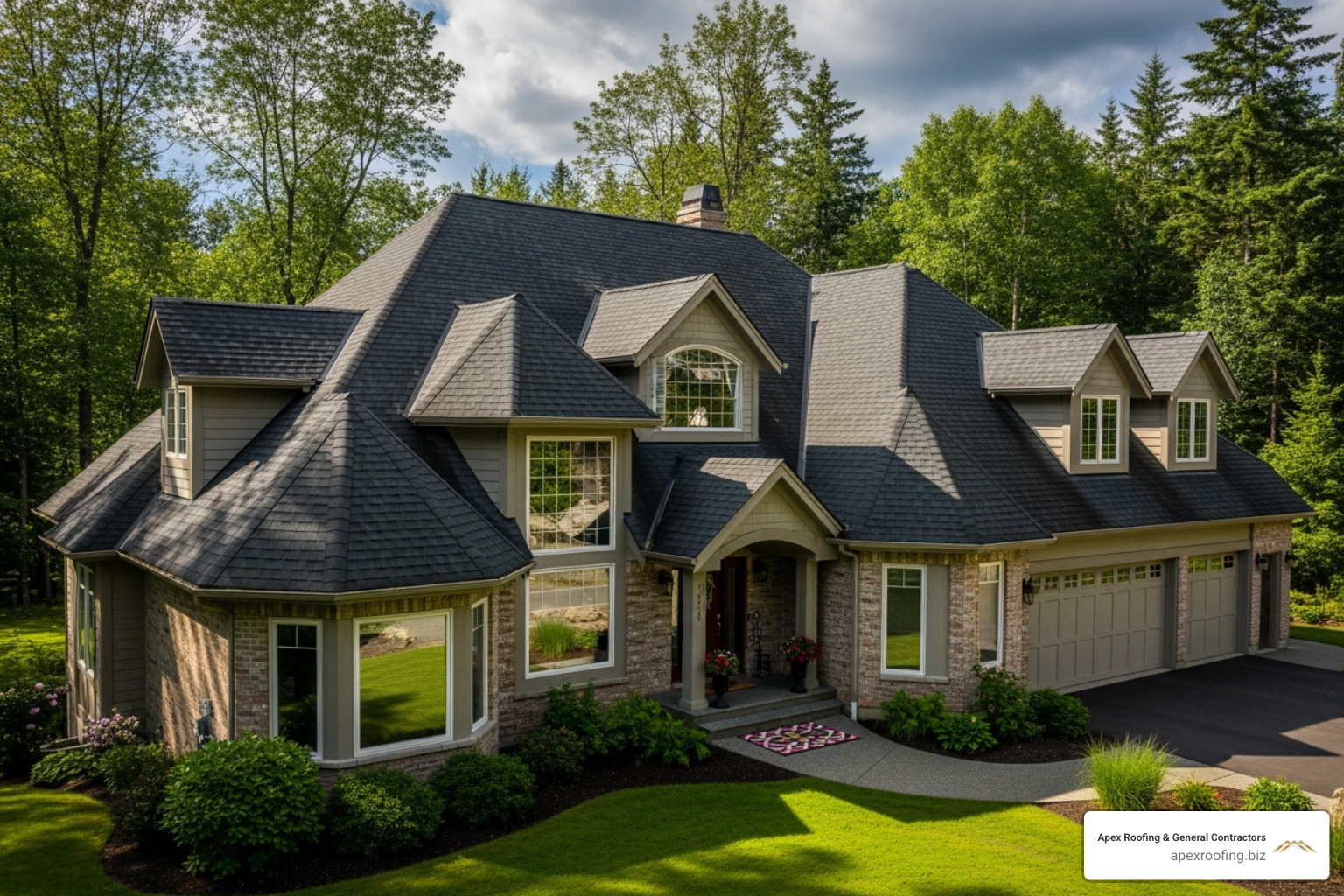
- Labor Costs: Complexity, such as a steep pitch, dormers, or multiple levels, increases labor time and cost.
- Roof Size: Larger roofs require more materials and time.
- Ancillary Costs: These include old roof removal, disposal fees, structural repairs to the deck, and local permit fees.
For local cost insights, consult our Asphalt Roof Cost San Antonio Guide. It’s wise to budget an extra 10% for unexpected issues.

How to Hire a Qualified Roofing Contractor
Choosing the right contractor is as important as choosing the right materials. Look for a professional who is:
- Licensed and Insured: Verify they carry both liability insurance and workers’ compensation.
- Certified: Manufacturer certifications (e.g., from GAF or Owens Corning) indicate a high level of training.
- Experienced and Reputable: Choose a contractor with a proven local track record. Check online reviews and ask for references.
- Transparent: Obtain detailed, written estimates that outline the full scope of work, materials, and costs.
- A Good Communicator: A professional contractor will answer your questions clearly and keep you informed.
For more tips, check out our guide on How Do I Find A Good Roofer Near Me.
How Climate and Weather Impact Your Roof
Your local climate dictates the primary challenges your roof will face. For homeowners in San Antonio, Texas, the main concerns are:
- Hail Damage: Hail can crack, puncture, and strip protective granules from shingles. Impact-resistant shingles (Class 4) are a wise investment in this region.
- Intense Sun and UV Radiation: Prolonged UV exposure accelerates the aging of roofing materials, causing them to become brittle. Light-colored or reflective “cool roof” materials help mitigate this damage.
- Extreme Temperature Fluctuations: The constant expansion and contraction from hot days to cool nights can stress seams and fasteners, leading to cracks over time.
Understanding these local climate factors is crucial for selecting durable materials. For solutions custom to our weather, read about Bracing For The Weather Roofing Solutions From A Trusted Roofing Company In San Antonio. If you need assistance from a trusted roofer in San Antonio, our team is ready to help.
Frequently Asked Questions about Roofs
Here are direct answers to the most common questions we receive from homeowners in the San Antonio area.
What is the typical lifespan of an asphalt shingle roof?
An asphalt shingle roof typically lasts 20 to 30 years. Standard 3-tab shingles are on the lower end of this range, while higher-quality architectural shingles can last 30 years or more. Lifespan is heavily influenced by installation quality, climate conditions like the intense San Antonio sun, and proper attic ventilation.
How often should I have my roof inspected?
You should have your roof professionally inspected at least once a year and immediately after any major weather event, such as a hailstorm or severe winds. Regular inspections catch minor issues like loose flashing or granule loss before they become major, expensive problems, ultimately extending your roof’s life.
Can I install a new roof over my old one?
No, installing a new roof over an old one (a “roof-over”) is not recommended. While some building codes permit up to two layers, a complete tear-off is the best practice. This allows for a thorough inspection of the underlying roof deck for rot or damage that would otherwise be hidden. A tear-off ensures a flat, stable surface for the new materials and is often required to validate manufacturer warranties.
Your Home’s First Line of Defense
Your roof is a complex, hard-working system that protects your family, regulates your home’s temperature, and defines its curb appeal. Understanding its components, materials, and signs of wear empowers you to make smart decisions that protect your investment. For homeowners in the San Antonio area, partnering with a certified, reliable roofing contractor is essential for ensuring quality and compliance with local codes.
At Apex Roofing & General Contractors, we are committed to transparent communication and expert craftsmanship. We focus on educating our clients and delivering work that stands the test of time.
If you’re noticing signs of damage or simply want peace of mind about your roof’s condition, don’t wait for a small issue to become a major problem. Contact our team today for a free estimate or call (726) 727-7663 for a free inspection. We’ll provide an honest assessment and help you chart the best path forward for your home and budget.