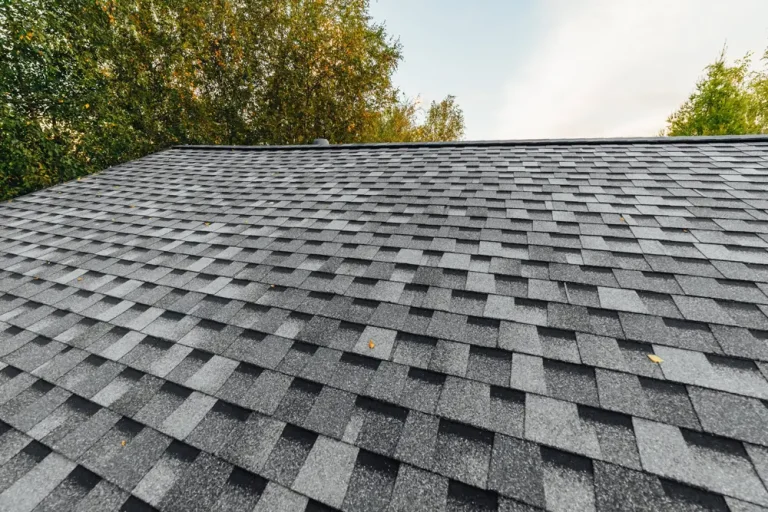
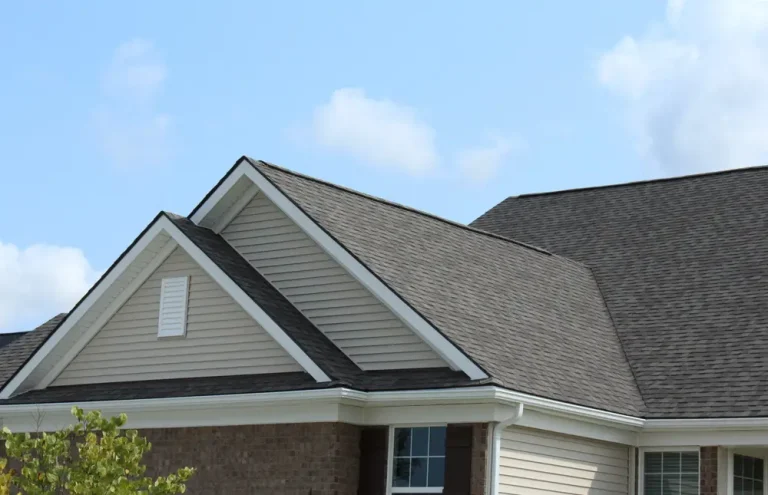
Why a Professional Assessment Protects Your Home
Your roof endures constant exposure to harsh Texas weather, yet it’s often ignored until a leak appears. Understanding when you need a roof inspection is crucial; it can be the difference between a simple repair and a complete replacement costing thousands. A professional assessment from certified San Antonio roofing contractors identifies hidden vulnerabilities before they become emergencies, helping you protect your investment and avoid unexpected financial burdens.
Here are the primary reasons you might need a roof inspection:
- After severe weather events (hail, high winds, heavy rain)
- Visible damage (missing, curled, or cracked shingles)
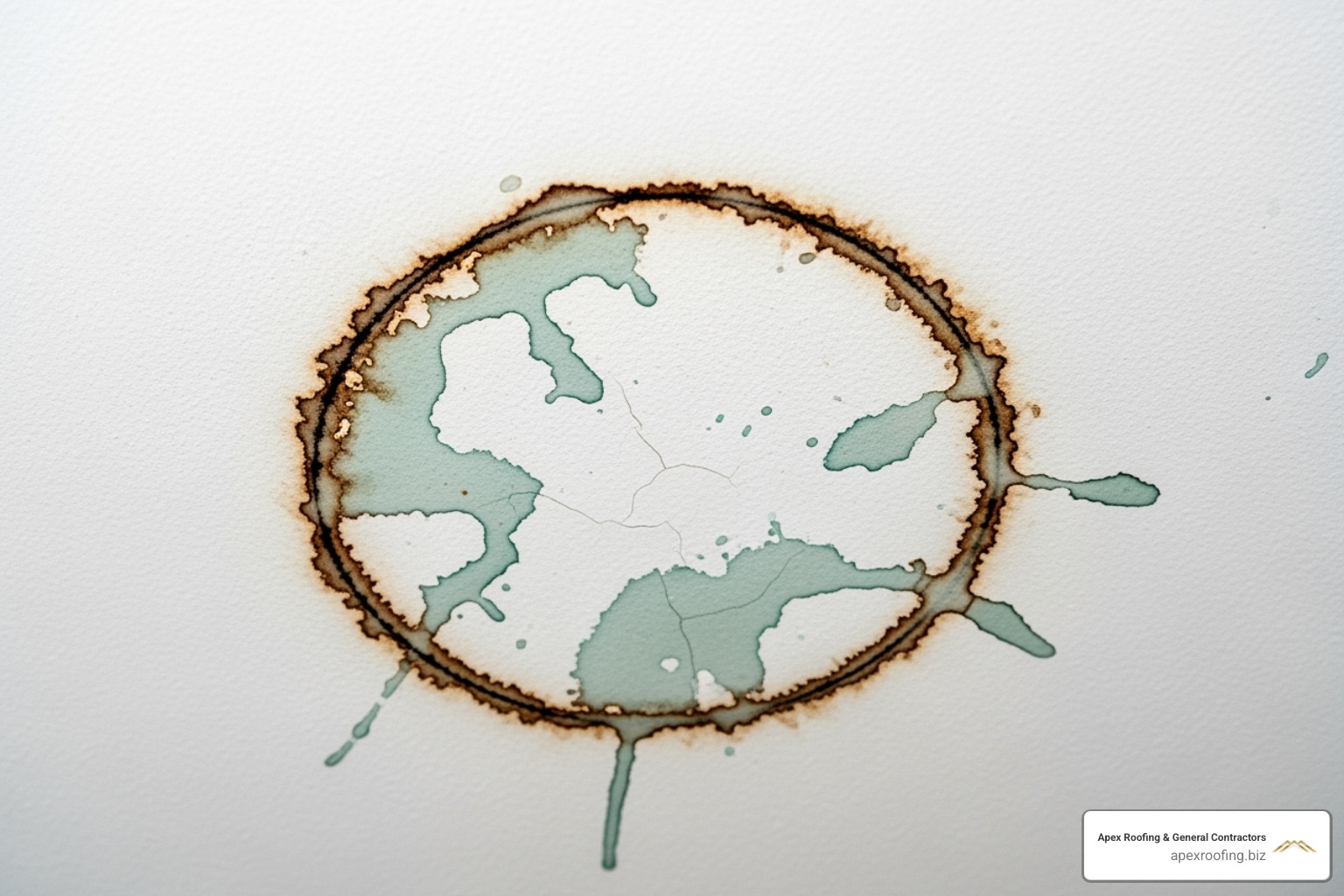
- Interior signs (water stains on ceilings or walls)
- Age of roof (approaching or exceeding 10 years)
- Before buying or selling a home
- Annual preventative maintenance (recommended twice yearly)
- Insurance claims (documentation required)
- Unexplained energy cost increases (poor ventilation or insulation)
Regular inspections are the best defense against costly surprises. A standard residential roof inspection takes 45 minutes to a few hours and covers five critical zones: the interior, attic, perimeter, garage, and rooftop. For homeowners in the area, understanding roof inspection needs in San Antonio is especially important due to the region’s intense sun and frequent storms.
The investment in a professional inspectionypically $150 to $500is minimal compared to the cost of major repairs. Most asphalt shingle roofs last around 20 years, but timely inspections can extend that lifespan by catching small issues like damaged flashing or minor leaks before they cause structural damage or mold growth.
I’m Carlos Yzaguirre, President of Apex Roofing & General Contractors. I’ve helped hundreds of San Antonio homeowners protect their properties with thorough inspections and honest assessments. Whether you need a roof inspection after a storm or for peace of mind, our certified team provides the detailed analysis you deserve.
Telltale Signs: When to Schedule a Roof Inspection
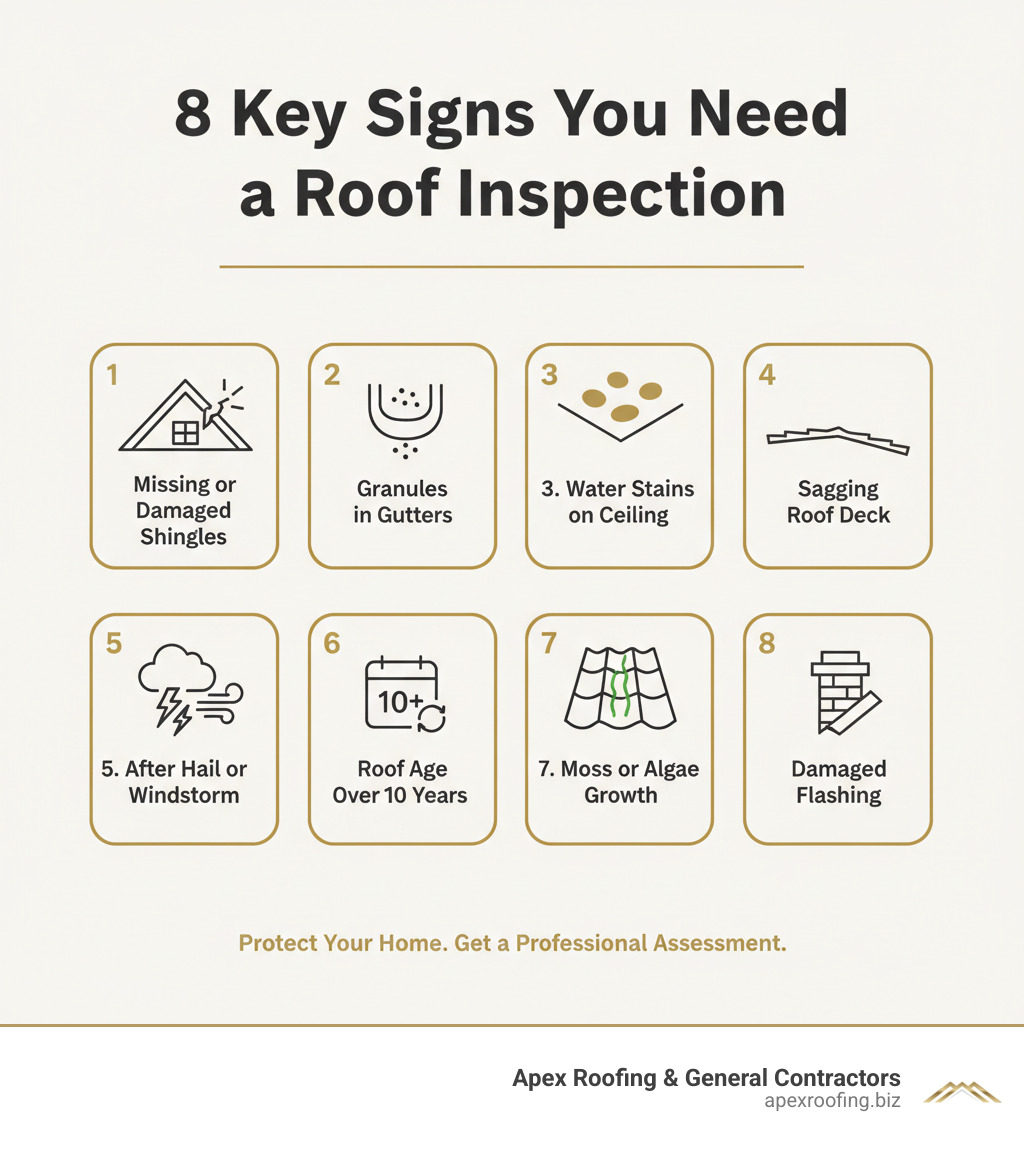
While we recommend a professional inspection at least once a year, certain warning signs demand immediate attention. You need a roof inspection right away when your roof shows signs of distress, as ignoring them can lead to severe water damage, mold, and compromised structural integrity.
Knowing what to look for helps you catch problems early. Our team at Apex Roofing & General Contractors often hears from homeowners who wish they’d called sooner—before a small issue became a major headache.
Visible Damage from the Ground
You don’t need a ladder to spot potential trouble. A simple walk around your property can reveal red flags that signal it’s time for a professional assessment.
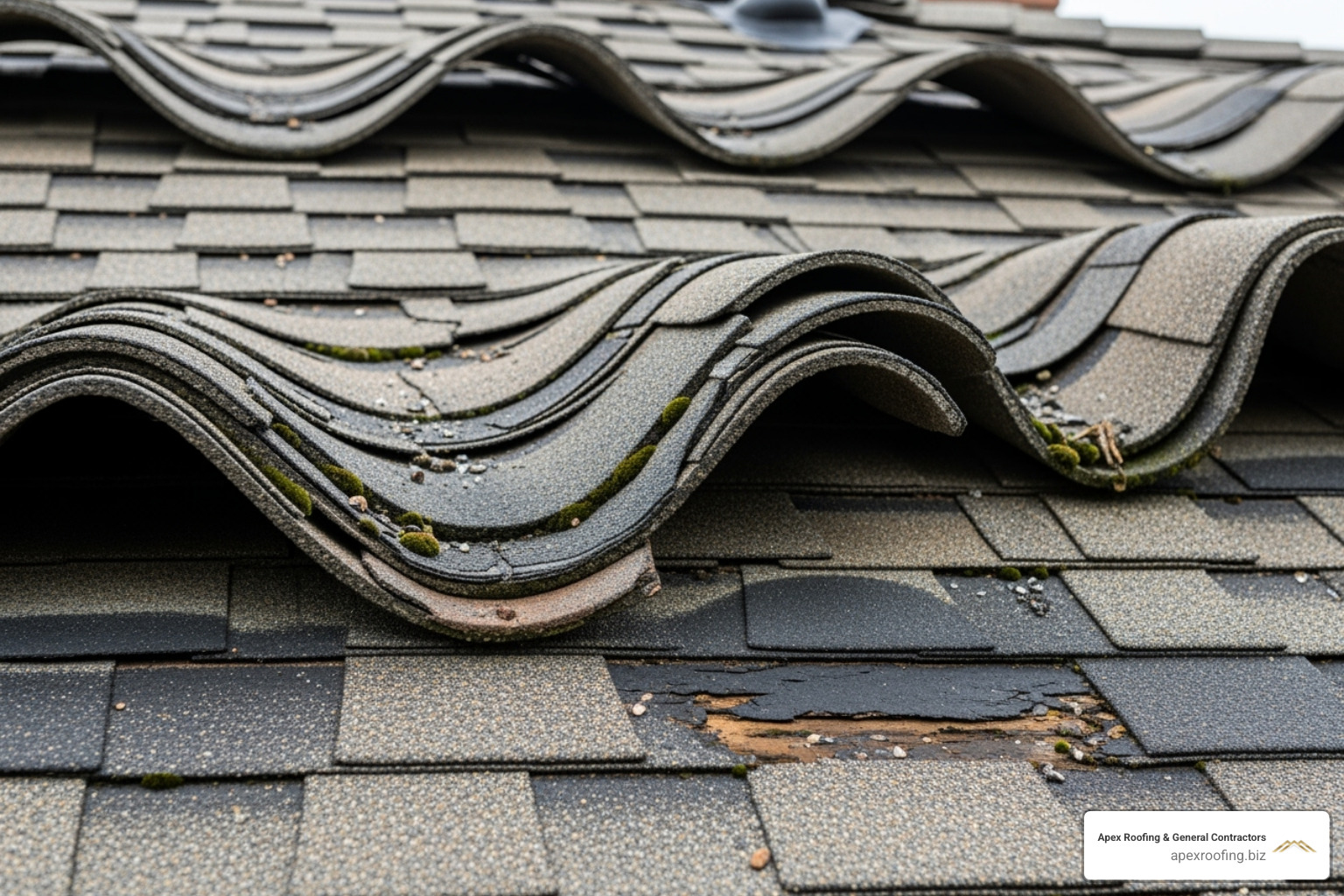
Shingle problems are often the first sign. Curling, blistering, or missing shingles expose your roof’s underlayment to the elements. Sand-like granules in your gutters indicate your shingles are losing their protective top layer and are vulnerable to UV damage.
Dark streaks or discoloration often point to algae, mold, or mildew. While algae is primarily cosmetic, moss retains moisture and can cause rot and shingle damage. Both signal that areas of your roof are not drying properly.
Structural and drainage issues are also critical. Water stains on exterior walls suggest faulty gutters or flashing. Peeling paint under the eaves can indicate excess moisture from poor ventilation. A visible sag in your roofline is a serious structural concern requiring immediate professional attention.
Flashing and trim damage around chimneys, vents, and skylights must not be overlooked. If these metal strips appear bent, rusty, or separated, they are no longer preventing water penetration. Damaged soffit or fascia can also indicate water intrusion.
For more on what professionals look for, What the Pros Look For: The Complete Roof Inspection Checklist offers valuable insights.
After Severe Weather Events
Harsh Texas weather is a primary reason homeowners need a roof inspection. High winds, hail, and heavy rain can cause immediate and hidden damage that may not be visible from the ground.
Hail damage is deceptive. Even small hailstones can bruise or crack shingles and dislodge protective granules, shortening your roof’s lifespan. Our team is experienced in identifying subtle hail impacts that are often missed.
Wind damage can lift, tear, or remove shingles, loosen flashing, and damage gutters. Even if your roof appears intact, strong winds can weaken seals and fasteners, creating vulnerabilities for the next storm.
Heavy rainfall reveals pre-existing weaknesses. Excessive rain will exploit any compromised flashing or protective layers, turning minor issues into active leaks.
A proactive post-storm check is the smartest approach. After any significant storm, schedule an inspection right away. Many roofing warranties require post-storm inspections to remain valid, and documenting damage quickly is vital for insurance claims. Waiting can make it harder to prove when the damage occurred, potentially affecting your coverage.
What to Expect: A Step-by-Step Professional Inspection
A professional roof inspection is a systematic examination of every component of your roofing system to provide a complete and accurate assessment of its condition. Our goal is to deliver a thorough, unbiased, and transparent evaluation.
A standard roof inspection typically takes 45 minutes to a few hours, depending on your home’s size and complexity. We never rush the process, as your home’s protection is too important for shortcuts.
The Comprehensive Inspection Checklist
A thorough inspection covers multiple zones of your property to ensure no issue is missed. Our inspections follow a methodical five-zone approach, examining your home from the inside out.
- Interior Check: We start inside, looking for water stains, mold, or peeling paint on ceilings and walls, which often reveal hidden roof problems.
- Attic Inspection: In the attic, we check for proper ventilation, moisture, mold, and any light penetrating the roof deck. We also assess insulation and the underside of the decking.
- Perimeter Inspection: We walk the exterior to inspect siding, eaves, gutters, and downspouts for damage or drainage issues.
- Garage Check: We examine the roof and interior of any attached garage, an area homeowners often overlook.
- Rooftop Examination: Our certified inspectors safely perform a hands-on evaluation of the rooftop. We assess structural integrity for sagging or damage, and the roofing material condition for issues like cracked shingles, loose metal panels, or punctures in flat roofs.
Flashing, seals, and drainage receive special attention as common sources of leaks. We examine flashing around chimneys, vents, and valleys, and verify that your gutters effectively direct water away from the foundation. Finally, we check your ventilation system to ensure it is clear and functioning, which is crucial for extending roof life.
For more on industry standards, see the Sample roof inspection checklist from The Hanover Insurance Group.
Understanding the Final Report
After the inspection, we compile our findings into a detailed report that serves as your roadmap for roof maintenance. We provide clear, actionable information in language you can understand.
Within 24 to 48 hours, you will receive a report that includes:
- Condition Summary: A straightforward overview of your roof’s health, highlighting immediate concerns.
- Photo Documentation: High-resolution photos showing any damage or areas of concern, so you can see exactly what we see.
- Repair Recommendations: Specific, prioritized recommendations explaining why each repair is needed and the consequences of delaying it.
- Cost Estimates: Transparent pricing for recommended repairs or a full replacement, if necessary.
- Lifespan Projection: An honest assessment of your roof’s remaining expected lifespan to help you plan for the future.
- Maintenance Advice: Practical tips to help you maintain your roof’s health and maximize its longevity.
This report is an invaluable tool for maintenance planning, home sales, or insurance claims. For formal documentation, our roof certification inspections provide the verification you need.
Why You Might Need a Roof Inspection: The True Value
Regular inspections are an investment in your home’s longevity and safety. By catching problems early, you prevent the domino effect of damage from a failing roof, extending its service life and protecting your property’s value. Think of it as your roof’s annual check-upit helps catch small issues before they become major problems.
Consequences of Neglecting Your Roof
Ignoring your roof until a major failure occurs can have devastating consequences. If you neglect the signs that you need a roof inspection, you could face a cascade of severe problems.
- Structural Damage: Water leaks can weaken roof decking, rafters, and even your home’s walls and foundation, leading to repairs costing tens of thousands of dollars.
- Interior Water Damage: Leaks cause unsightly stains on ceilings and walls, ruin insulation, and destroy personal belongings.
- Mold and Mildew: Persistent moisture creates a breeding ground for mold, which can cause unpleasant odors and pose significant health risks, especially for those with allergies or respiratory conditions.
- Reduced Energy Efficiency: Damaged or wet insulation forces your heating and cooling systems to work overtime, increasing utility bills.
- Decreased Property Value: A failing roof will significantly lower your home’s value and curb appeal, weakening your negotiating power when you sell.
- Voided Warranties: Most roofing warranties require regular, documented maintenance. Neglecting inspections can leave you solely responsible for repair costs.
In severe cases, urgent intervention is necessary. Learn how we handle these situations in our information on emergency roof repair.
How Different Roofing Materials Affect Inspection Needs
The material of your roof plays a significant role in its lifespan and inspection needs. Each material has unique vulnerabilities that a professional inspector will assess.
- Asphalt Shingles (20-30 year lifespan): As the most common material in San Antonio, we inspect for granule loss, curling, cracking, and missing tabs. The intense Texas sun accelerates deterioration, so regular monitoring is crucial.
- Metal Roofing (40-70+ year lifespan): While durable, metal roofs require inspections for loose fasteners, corrosion, bent panels, and damaged seams. We also check for issues related to thermal expansion and contraction.
- Tile Roofing (50-100+ year lifespan): Clay or concrete tiles are long-lasting, but the underlayment beneath them typically needs replacement every 20-30 years. We look for cracked, broken, or slipped tiles and assess the condition of the hidden underlayment.
- Flat or Low-Slope Roofs (15-30 year lifespan): These roofs (TPO, EPDM, etc.) are inspected for ponding water, membrane punctures, seam integrity, and proper drainage. They are particularly vulnerable to standing water and UV degradation.
Understanding these distinctions helps us tailor our inspection to your specific roof, ensuring we catch material-specific issues before they become major headaches.
Frequently Asked Questions about Roof Inspections
We talk to homeowners every day in San Antonio and surrounding areas like Helotes, Leon Valley, and Alamo Heights, and we hear the same concerns. Here are answers to the most common questions we receive about the inspection process.
How much does a professional roof inspection cost?
A professional residential roof inspection typically costs between $150 and $500. The price varies based on your roof’s size, pitch, and complexity (e.g., number of skylights or chimneys). While some companies offer a free roof inspection guide for San Antonio, a formal, documented inspection—the kind you need a roof inspection for insurance or real estate purposes—is a paid service. This fee covers a certified professional’s time, expertise, and a comprehensive written report with photos. This investment can save you thousands in future repairs.
Can I perform a DIY roof inspection?
Homeowners should perform visual checks from the ground to spot obvious issues like missing shingles or granule buildup in gutters. These observations often reveal that you need a roof inspection from a professional.
However, a DIY inspection has serious limitations. Climbing onto your roof is dangerous without proper training and safety equipment. Furthermore, a professional inspector has the expertise to identify subtle damage—like hail bruises or compromised flashing—that an untrained eye will miss. A professional assessment also includes an attic check and provides the formal, unbiased documentation required for insurance claims or real estate transactions.
While ground-level checks are valuable, they are not a substitute for a comprehensive professional inspection.
How often should I get my roof inspected?
The general recommendation is to have your roof professionally inspected at least once a year, and ideally twice a year in the spring and fall. If your roof is over 10 years old, biannual inspections are even more critical.
You should also schedule an inspection immediately after any major storm involving hail or high winds. This is especially crucial in the San Antonio area, where intense weather can cause hidden damage.
Other key times for an inspection include before buying or selling a home to prevent last-minute surprises that could derail a transaction. Finally, if you notice any warning signs like leaks or damaged shingles, don’t wait for your annual check. Call us right away at (210) 566-2238, as catching problems early is always less expensive than waiting for an emergency.
Conclusion: Protect Your Investment with Proactive Care
Your roof is one of your home’s most critical components, constantly protecting your family from the elements. Waiting for a leak to appear before you realize you need a roof inspection is a reactive approach that turns minor repairs into costly emergencies.
Regular professional inspections are a proactive investment in your home’s future. By catching small issues before they escalate, you extend your roof’s lifespan, protect your property value, and ensure your family’s safety. The peace of mind that comes from knowing your home is secure is invaluable, especially in the face of severe Texas weather.
A licensed roof inspector brings expertise that goes far beyond what a homeowner can spot from the ground. At Apex Roofing & General Contractors, our certified professionals understand the unique challenges San Antonio roofs face. We provide thorough assessments with transparent communication, helping you make informed decisions.
Our team proudly serves homeowners throughout San Antonio, Helotes, Leon Valley, Alamo Heights, Fair Oaks Ranch, Shavano Park, Terrell Hills, and all of Bexar County. We are committed to the quality and honesty that has built our reputation.
If you’re ready to ensure your roof is in optimal condition and avoid costly surprises, call us today at (726) 727-7663 for a free inspection and estimate. Your roof protects everything you’ve worked for—let us help you protect it.