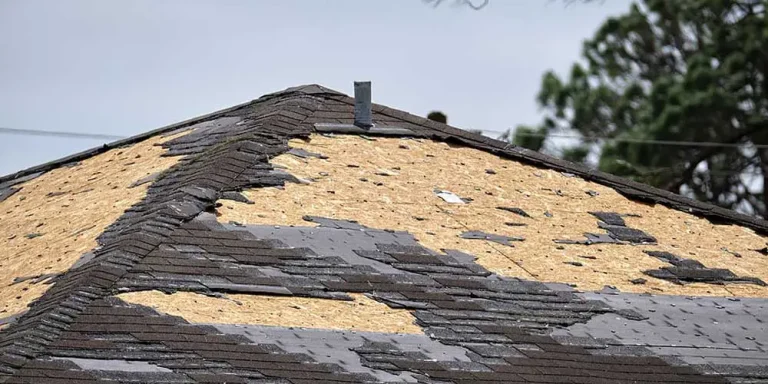
Why Recognizing Common Roof Problems Matters
Your roof is your home’s first line of defense, but constant exposure to the Texas sun, hail, and high winds means that dealing with common roof repairs is an unavoidable part of homeownership. Spotting problems early can save you thousands of dollars, as a minor issue like a cracked shingle can quickly escalate into widespread water damage and structural issues. For San Antonio homeowners, understanding these risks is crucial, and connecting with a team that provides expert roofing services in San Antonio ensures your home is in capable hands.
The average roof repair costs between $300 and $1,000, but extensive work can exceed $3,000. Proactive maintenance is your best defense against these costs. This guide will walk you through identifying and solving the most frequent roofing problems to keep your home safe and dry.
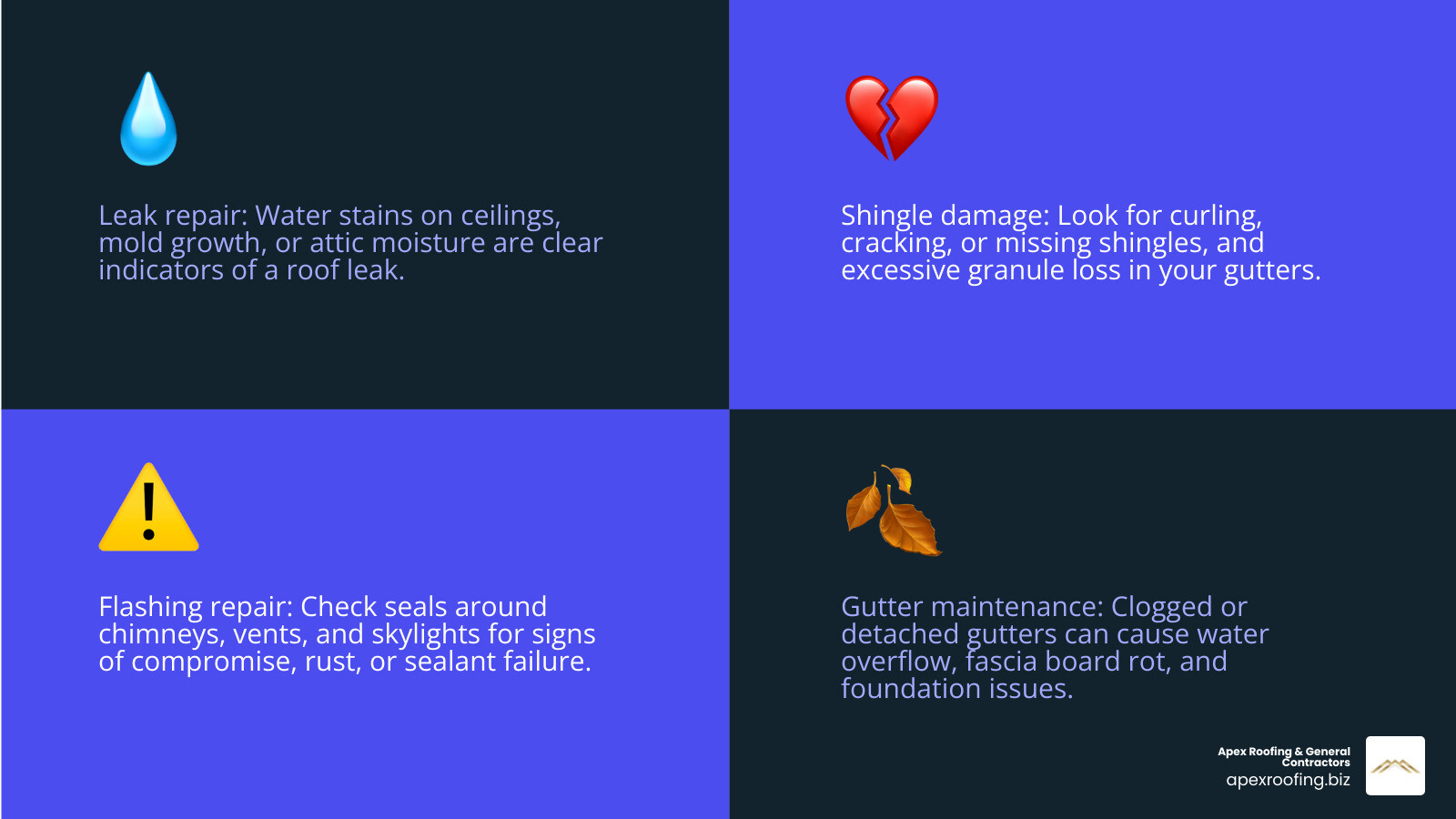
Spotting the Signs: How to Know Your Roof Needs Repair
Your roof provides subtle clues when it needs attention. Learning to recognize these signs is essential for catching common roof repairs before they become expensive disasters. You don’t need to be an expert to spot trouble; you just need to know where to look.
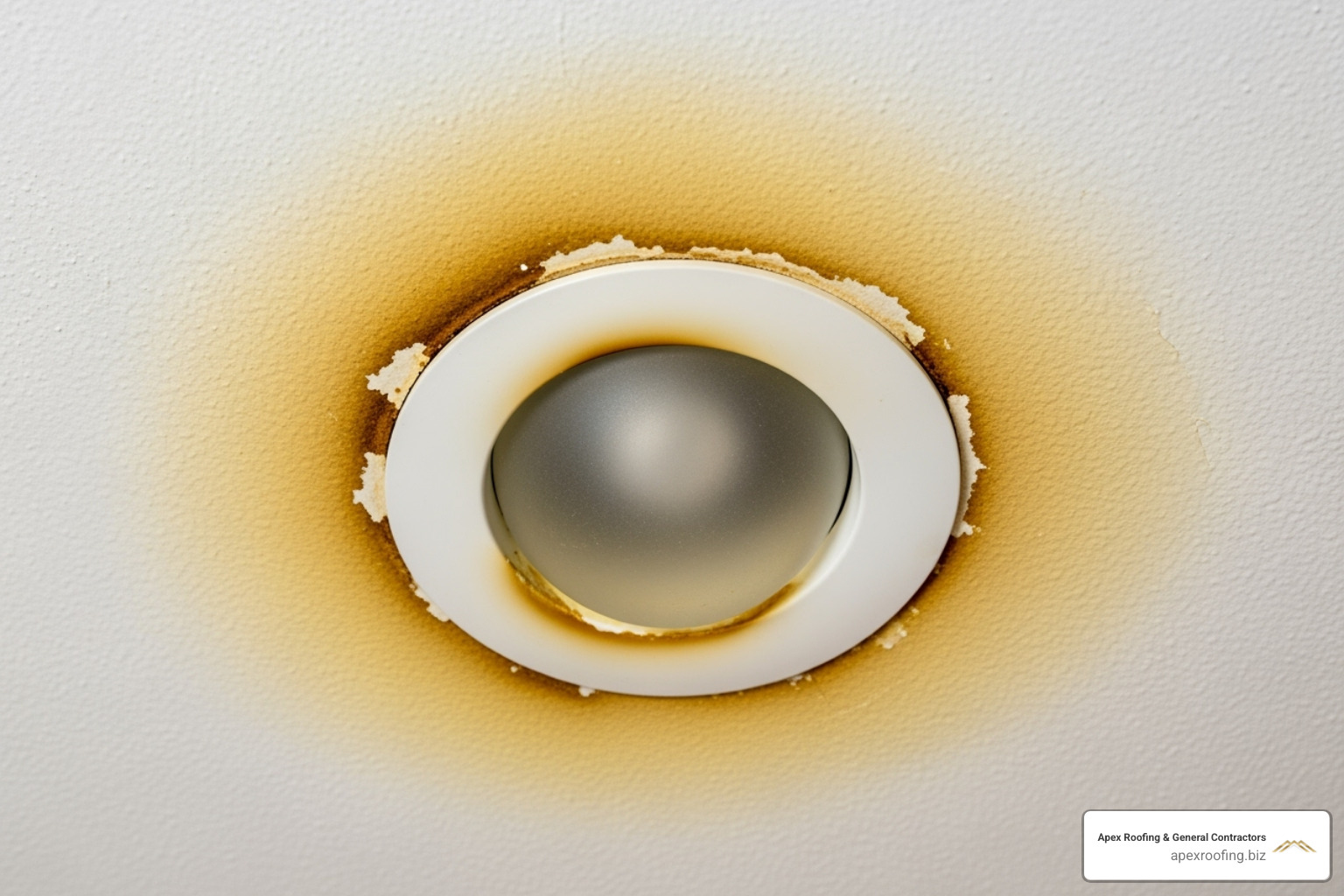
Interior Signs
- Water Stains: Yellowish or brown patches on ceilings or walls are a direct sign of a leak.
- Peeling or Bubbling Paint: Moisture from a leak is compromising the paint’s adhesion, causing it to flake or bubble.
- Sagging Ceiling: This indicates a significant water accumulation that has compromised the structural integrity of your ceiling. It requires immediate attention.
- Musty Odors: A persistent musty smell in your attic or upper floors often signals hidden moisture and mold growth from a slow leak.
Exterior Signs
- Damaged Shingles: From the ground, look for missing, cracked, or curling shingles. These expose your roof deck to the elements.
- Granules in Gutters: Finding excessive amounts of sand-like shingle granules in your gutters means your shingles are losing their protective layer and aging rapidly.
- Algae or Moss Growth: Dark streaks or green patches indicate trapped moisture, which accelerates shingle deterioration and can lead to rot.
- Damaged Flashing: Inspect the metal strips around chimneys, vents, and skylights. Bent, rusted, or poorly sealed flashing is a primary entry point for water.
The best practice is to conduct visual inspections twice a year and after severe storms. For a detailed checklist, explore our Roof Inspection Guide to ensure you cover all bases.
The 7 Most Common Roof Repairs Homeowners Face
Certain roofing problems are almost inevitable for homeowners. Understanding these frequent issues helps you act quickly, potentially saving thousands in damage. These are the repairs we see most often in San Antonio homes.
1. Fixing Leaks and Water Damage
Leaks are the most frequent of all common roof repairs. A small drip can quickly cause major damage to your home’s interior, insulation, and structural framework. The source of a leak can be difficult to pinpoint, as water often travels along rafters before appearing as a stain far from the entry point. An attic inspection with a flashlight can reveal water stains, damp insulation, or daylight peeking through. The visible interior damage is often just the tip of the iceberg, as hidden moisture can lead to mold growth, which poses health risks. Time is your enemy with leaks; prompt action is critical. For help, our article on Roof Leak Repair offers detailed guidance.
2. Shingle and Tile Damage
Your shingles and tiles are your roof’s armor. When they fail, your home is left vulnerable.
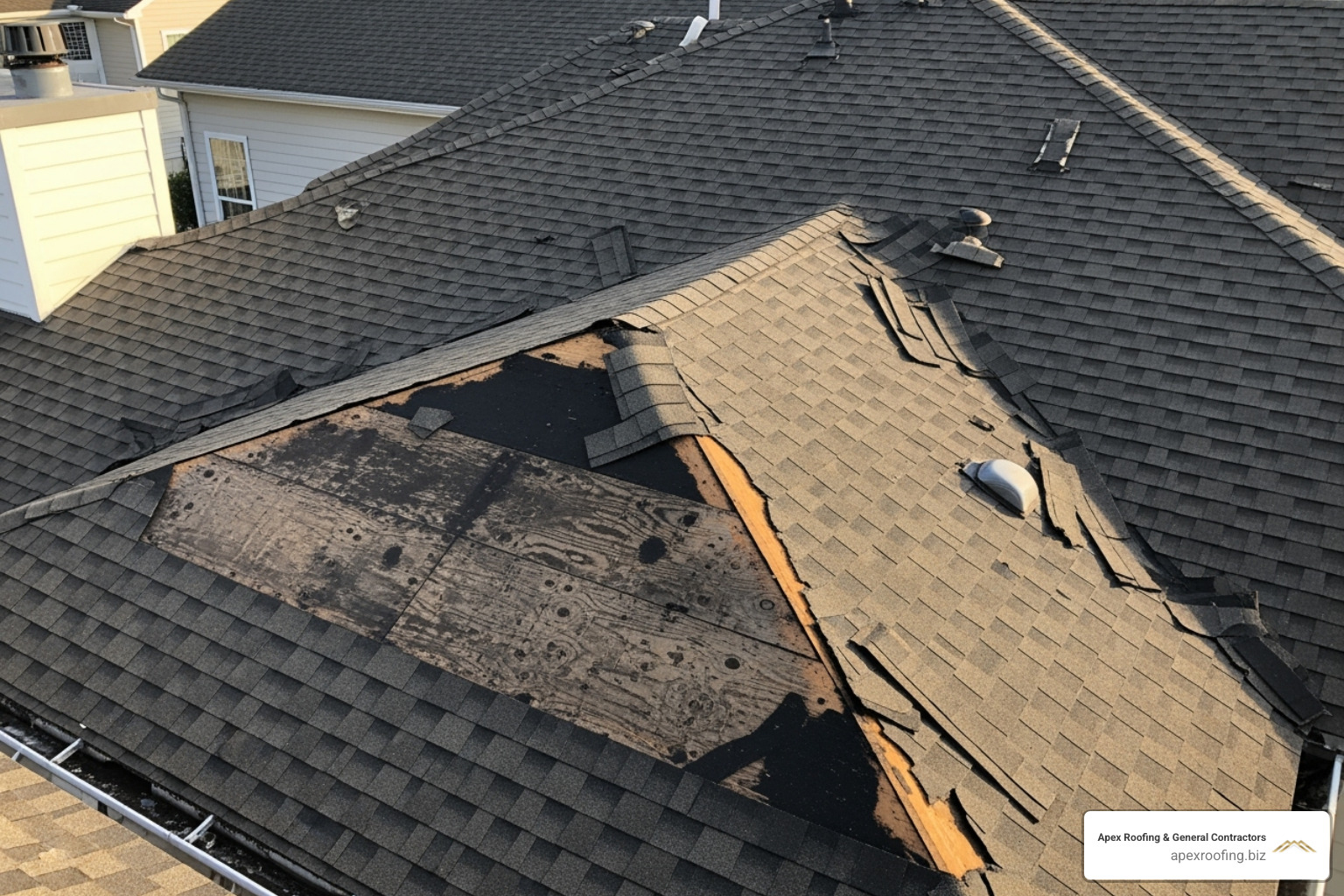
Asphalt shingles can curl, crack, or go missing due to age, wind, or hail. Granule loss, visible as sand-like particles in your gutters, indicates that the shingles’ protective UV layer is deteriorating. Clay and concrete tiles are more durable but can crack from impact or slip out of place if their fasteners fail. An asphalt shingle roof typically lasts 15 to 30 years, and addressing damage promptly maximizes that lifespan. Our guide on Shingle Repair dives deeper into these fixes.
3. Compromised Roof Flashing
Flashing seals the transitions on your roof, such as around chimneys, vents, skylights, and in valleys. Failed flashing is a leading cause of leaks. Over time, metal flashing can rust, and the sealant around it can dry out and crack. This is particularly true for the rubber collar on a vent pipe boot, which becomes brittle under the Texas sun. Regular inspection of these vulnerable areas is crucial for preventing water intrusion. You can learn more about flashing issues from trusted sources like This Old House.
4. Clogged or Damaged Gutters
Gutters are essential for water management. When clogged with leaves and debris, they overflow, pouring water onto your fascia board and potentially behind your roof’s edge. This constant moisture leads to fascia board rot and can compromise the roof deck. In severe cases, the weight of debris and water can cause the gutter system to detach from the house. Cleaning your gutters at least twice a year is a simple maintenance task that prevents these costly common roof repairs.
5. Failing Pipe Boots and Vents
Any penetration in your roof is a potential leak source. The rubber boot sealing the vent pipes on your roof degrades under UV exposure, typically failing after 10-15 years. This causes the rubber to crack, allowing rain to enter your attic. In addition, attic vents can become blocked by debris or nests. Poor attic ventilation traps heat and moisture, which bakes shingles from below, promotes mold growth, and increases energy bills. Ensuring vents are clear and pipe boots are intact is key to roof longevity.
6. Damage from Pests and Trees
External factors can inflict surprising damage. Overhanging tree branches scrape away shingle granules and drop debris that traps moisture. Falling limbs can puncture the roof, creating an immediate emergency. Animals like squirrels and raccoons may chew through roofing materials to nest in your attic, causing damage and blocking vents. Proactively trimming trees and sealing potential pest entry points can prevent most of this damage. After a storm, it’s also wise to check for hail impacts, which you can learn to identify in our guide on what hail damage looks like on a roof.
7. Ponding Water on Flat Roofs
Flat and low-slope roofs are prone to ponding water if they have an improper slope or clogged drains. Standing water accelerates the aging of the roofing membrane, causing seams to fail and leaks to develop. The immense weight of ponding water can also lead to structural sagging, creating a vicious cycle where the depression deepens and holds even more water. If you see water standing on a flat roof more than 48 hours after rain, it’s a problem that needs immediate professional assessment. Our guide to EPDM Roof Maintenance offers tips for this material.
The Roof Repair Process: From Inspection to Completion
Knowing what to expect during a professional roof repair can provide significant peace of mind. The process is systematic, designed to correctly identify and resolve the issue for a lasting solution.
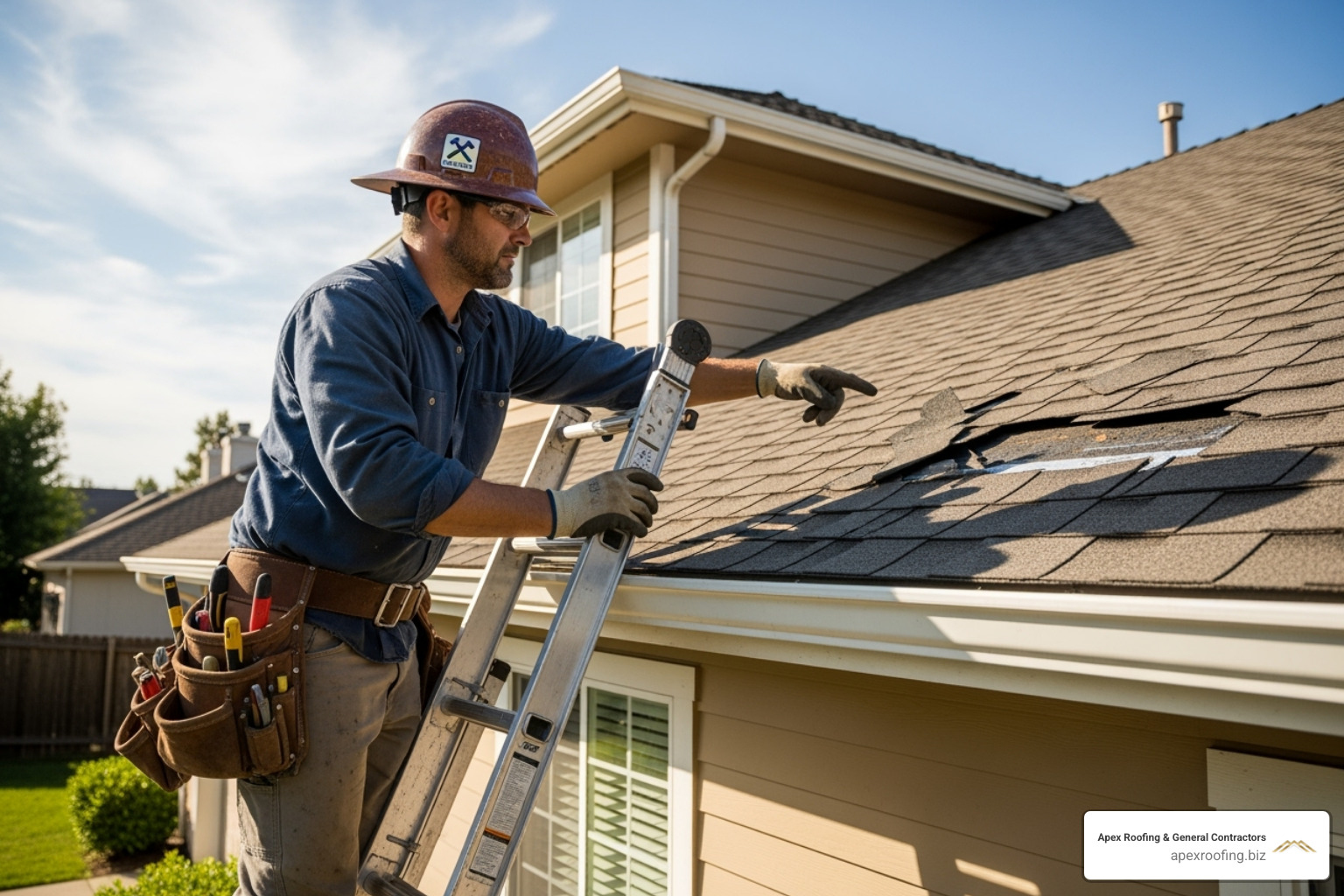
- Initial Consultation & Inspection: It begins when you contact us. We listen to your concerns and then conduct a thorough, hands-on inspection of your entire roofing system to pinpoint the exact cause of the problem.
- Damage Assessment & Quote: We provide a detailed explanation of our findings with photos, so you can see the issue for yourself. You’ll receive a transparent, written quote that breaks down all costs for labor and materials, with no hidden fees.
- Material Selection & Site Prep: We carefully match new materials to your existing roof for a seamless look. Before work begins, our crew implements strict safety protocols and protects your landscaping and property.
- Repair Execution: Our skilled technicians remove damaged components, repair the underlying structure if necessary, and install new materials according to manufacturer specifications and local building codes. Quality workmanship is our priority.
- Final Inspection & Cleanup: We conduct a final walkthrough to ensure the repair meets our high standards. Afterward, we perform a meticulous cleanup, using magnets to collect stray nails and leaving your property tidy.
For comprehensive, reliable solutions to your roofing concerns, explore our professional residential roof repair services. We’re committed to doing the job right the first time.
DIY vs. Hiring a Pro: Making the Right Call
When faced with common roof repairs, the temptation to DIY is understandable. However, roofing is a specialized skill, and a small mistake can lead to personal injury or thousands of dollars in further damage. For most issues, partnering with a certified professional is the safest and most effective choice.
Common Mistakes to Avoid
- Ignoring Early Warnings: A single cracked shingle or a small stain can escalate into a major problem if left unaddressed.
- Using Incorrect Materials: Using the wrong type of sealant or mismatched shingles can cause the repair to fail prematurely.
- Improper Repairs: Without technical knowledge, DIY fixes for issues like flashing often fail, leading to worse leaks.
- Hiring Unlicensed Contractors: This is a huge risk. An uninsured contractor could leave you liable for accidents, and their work often lacks a warranty and fails to meet building codes.
- Prioritizing Cost Over Quality: The cheapest bid often means subpar materials and rushed work, costing you more in the long run.
For anything beyond a very simple fix, professional expertise is invaluable. While some handymen offer basic repairs, a dedicated roofing contractor brings specialized knowledge, as discussed in our article on Handyman Roof Repair.
Essential Tools for Simple Roof Repairs
If you decide to tackle a minor fix, like reattaching a single loose shingle, safety is your absolute first priority. Falls from roofs can be fatal.
You will need safety gear, including non-slip shoes, gloves, safety glasses, and a properly secured sturdy ladder. Your basic toolkit should include a hammer, a pry bar for lifting shingles, a utility knife, a caulk gun, and a high-quality roofing sealant. If you feel uncertain at any point, call a professional.
Understanding Costs and Prevention
Proactive maintenance is the most effective way to minimize the cost and frequency of common roof repairs. Knowing what to expect financially and how to prevent problems can save you significant stress and money.
Typical Costs for Common Roof Repairs
The cost of a roof repair depends on the material, the extent of the damage, and accessibility. Here are some general price ranges:
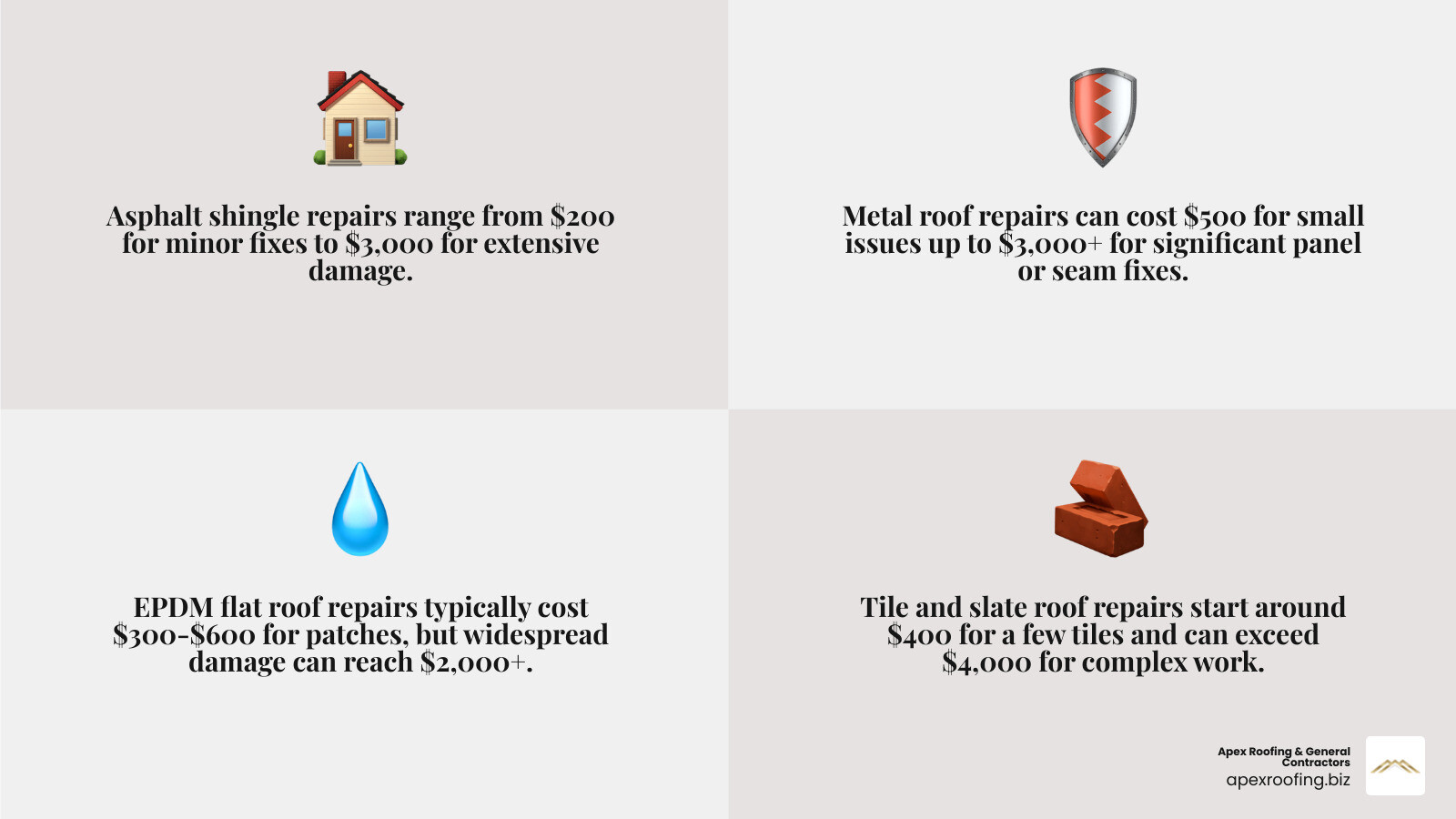
- Asphalt Shingle Repair: $200 to $1,000 for minor fixes. More extensive damage can reach $3,000.
- Metal Roof Repair: $500 to $3,000, depending on whether it’s a fastener issue or panel replacement.
- Flat Roof (EPDM) Repair: $300 to $600 for patches, but can exceed $2,000 for widespread issues.
- Tile and Slate Repair: $400 to over $4,000, as these materials require specialized labor.
Factors like a steep roof pitch or complex accessibility can increase labor costs. For a more detailed breakdown, consult our Roof Leak Repair Estimate guide.
How to Prevent Damage and Extend Your Roof’s Lifespan
A proactive maintenance plan can dramatically extend your roof’s life. Asphalt roofs can last 15-30 years, while tile and metal can last 50 years or more with proper care.
- Regular Inspections: Schedule professional inspections twice a year (spring and fall) and after major storms to catch issues early.
- Consistent Gutter Cleaning: Clean gutters at least twice annually to prevent water overflow, rot, and backups.
- Trimming Overhanging Trees: Keep branches at least three feet from your roof to prevent scraping and debris accumulation.
- Ensuring Proper Attic Ventilation: Good airflow prevents heat and moisture buildup that damages shingles and promotes mold.
- Addressing Minor Issues Promptly: Fixing a small problem today prevents it from becoming a large, expensive one tomorrow.
Following a maintenance plan, like the best practices in this Comprehensive Roof Maintenance Checklist, is the most cost-effective strategy for any homeowner.
Frequently Asked Questions about Roof Repairs
We often hear similar questions from homeowners concerned about their roofs. Here are clear, direct answers to the most common inquiries regarding common roof repairs.
What’s the difference between a roof repair and a roof replacement?
A roof repair fixes a specific, localized problem, while a roof replacement involves installing an entirely new roofing system. A repair is best when the roof is relatively young and the damage is contained. A replacement is necessary when the roof is near the end of its lifespan, has widespread damage, or if multiple repairs are needed, making replacement more cost-effective. To help decide, read our guide on when your roof needs replacement.
How long does a typical roof repair take?
A typical roof repair can take anywhere from a few hours to two days. Minor fixes, like replacing a few shingles or sealing a vent, are often completed in under a day. More extensive work, such as repairing flashing or patching a large area, may take one to two days. The timeline depends on the severity of the damage, weather conditions, and roofing material.
Does homeowners insurance cover roof repairs?
Yes, homeowners insurance typically covers roof repairs for damage from sudden, accidental events like storms, hail, or falling trees. However, it generally does not cover damage resulting from old age, normal wear and tear, or a lack of maintenance. If your roof is old and fails, the cost will likely be your responsibility. Always review your specific policy and document any damage with photos before filing a claim.
Your Partner in Protecting Your Home
Your roof works tirelessly to protect your family and home. When problems arise, recognizing the signs and acting swiftly can mean the difference between a simple fix and a costly disaster. While some homeowners can handle tiny fixes, most common roof repairs require the skill of a certified professional to ensure a safe, durable, and warranty-compliant solution.
At Apex Roofing & General Contractors, we deliver certified, reliable service that meets all local building codes. We serve communities throughout the greater San Antonio area, including Helotes, Leon Valley, Alamo Heights, and Terrell Hills. Our team of roofers in San Antonio believes in transparent communication, providing honest recommendations without pressure or gimmicks.
Don’t wait for a small issue to become a major expense. For a free inspection and free estimate, call us at (726) 727-7663 or explore our residential roof repair services to find the right solution for your home. Your roof protects what matters most—let us protect your roof.